Quick Guide
- The Undisputed Classics: Foods That Shout "USA!"
- Beyond the Icons: The Regional Soul of American Food
- The Building Blocks: Ingredients That Define the Flavor
- How Did We Get Here? A (Very) Brief History on a Plate
- So, What *Really* Makes a Food "Traditionally American"?
- Common Questions People Ask About American Food
- The Final Bite
You know, that's a question I get a lot from friends visiting from overseas. "What should I eat that's really, truly American?" And every time, I pause. It's not as simple as naming one dish. Is it the hamburger? The hot dog? Apple pie? The answer is all of them, and none of them, at the same time. Trying to pin down what is a traditional American food is like trying to describe the country itself—it's big, it's messy, it's borrowed from everywhere, and it's constantly changing.
Let's be honest, the classic image of American food often gets a bad rap abroad. It's seen as just fast food and oversized portions. But that misses the whole story. The real tradition is about adaptation, fusion, and making something new from old parts. It's food born from necessity, immigration, and vast regional differences. What is a traditional American food in Maine is utterly foreign in New Mexico.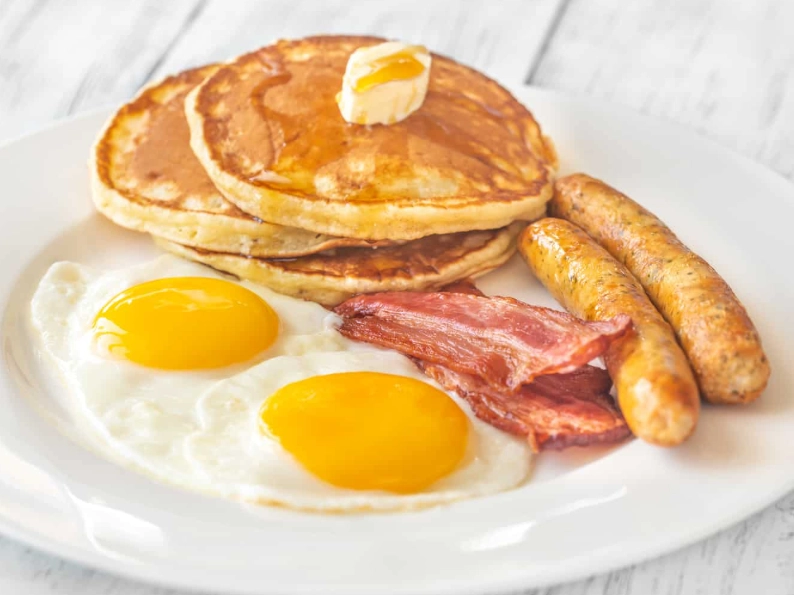
The story of American food isn't written in a single recipe book. It's scribbled in the margins of countless immigrant journals, etched into farmhouse kitchen tables, and sizzling on grills in backyards from coast to coast.
So, if you're looking for a neat list, you might be disappointed. But if you're curious about the stories, the why behind the what, then you're in the right place. We're going to dig into the dishes everyone points to, the ones that spark arguments at holiday dinners, and the humble meals that built a nation. We'll look at the history, the weird twists, and why some foods just feel more "American" than others.
The Undisputed Classics: Foods That Shout "USA!"
Okay, let's start with the heavy hitters. These are the dishes that, for better or worse, have become global symbols of American eating. When people overseas think of American food, this is what usually comes to mind first.
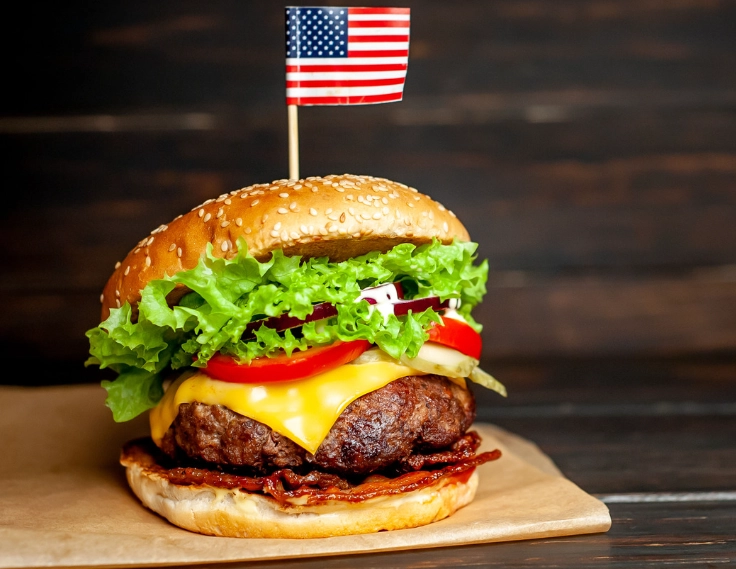
The Hamburger: This is the big one, right? Ground beef patty in a bun. Seems simple. But its origins are famously murky. Was it invented in New Haven? St. Louis? Hamburg, Germany? The Smithsonian's National Museum of American History has a whole take on the hamburger's journey, tracing how it evolved from a simple working-class meal into a fast-food empire and a backyard barbecue staple. That transformation—from practical to iconic—is a very American story. You can get a gourmet burger with truffle aioli for $20, or a classic cheeseburger from a diner for $5. That range is part of its identity.
I have a theory about why the burger stuck. It's perfectly self-contained. It's portable. It's customizable (cheese, bacon, avocado, fried egg—go wild). It doesn't require utensils. It's democratic. That, to me, feels deeply American.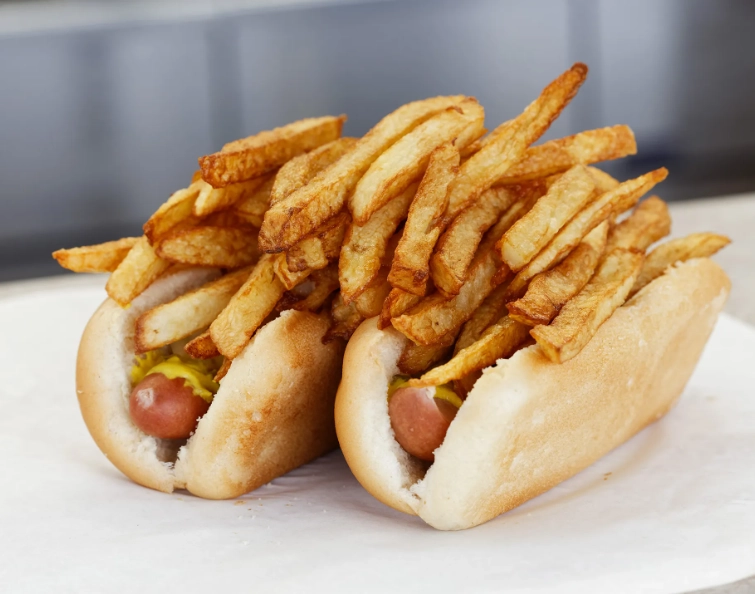
Apple Pie: "As American as apple pie." We've all heard it. The funny thing? Apple pie isn't American at all. Apples aren't native to North America. The pie crust concept came from Europe. But Americans adopted it, perfected it, and claimed it as their own. The USDA even tracks apple production and varieties, which tells you how ingrained it is in the agricultural landscape. Eating warm apple pie with a slice of cheddar cheese or a scoop of vanilla ice cream is a ritual. It's less about the origins and more about the feeling it evokes—home, comfort, simplicity. That emotional claim is what makes it a traditional American food.
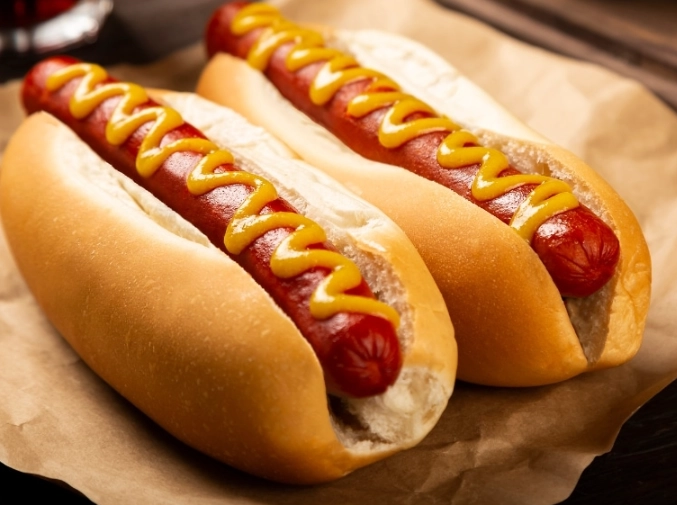
Hot Dogs: Another immigrant story. German sausages met the American hot dog bun (who invented that split-top bun, anyway?) and found a permanent home at baseball games and Fourth of July cookouts. The debates are endless: Chicago-style with its neon-green relish and celery salt? New York with sauerkraut and mustard? The National Hot Dog and Sausage Council (yes, that's a real thing) has fun with these rivalries. It's cheap, it's quick, and it's tied to some of America's most communal pastimes.
Then there's Fried Chicken. Often associated with the American South, its history is complex, weaving together Scottish frying techniques, West African seasoning traditions, and become a Sunday supper centerpiece. It's a powerful example of how food traditions were created and sustained within African American communities, later becoming a beloved national dish. You can't talk about traditional American food without acknowledging that complicated, profound journey.
And let's not forget the Thanksgiving Dinner. This is perhaps the most universally agreed-upon, purposefully traditional American meal. Roast turkey, stuffing, cranberry sauce, mashed potatoes, gravy, and pumpkin pie. It's a menu frozen in time, repeated in millions of homes on one specific Thursday in November. The meal itself is a historical reenactment on a plate, mythologized and beloved. The U.S. Department of Agriculture's economic reports on turkey production ahead of Thanksgiving show just how massive this single food tradition is.
Beyond the Icons: The Regional Soul of American Food
This is where it gets really interesting. America is not a monolith. Drive a few hundred miles and the idea of what is a traditional American food completely changes. Local ingredients, climate, and the specific immigrant groups who settled an area created distinct, powerful food cultures.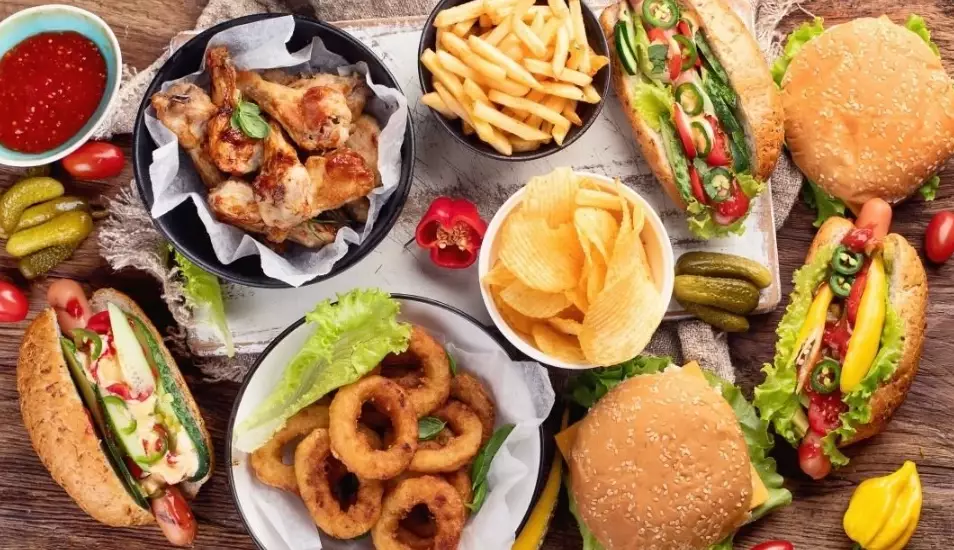
The American South
Soul food. Comfort food. This cuisine is built on a foundation of resourcefulness and deep flavor. We're talking about dishes that simmer for hours, using every part of the animal or plant.
- Gumbo & Jambalaya (Louisiana): The perfect examples of fusion. French roux, Spanish rice, African okra, Native American filé powder, and local seafood. Every family has a different recipe. Is it a soup or a stew? Doesn't matter. It's delicious.
- BBQ (Texas, Carolinas, Tennessee, Kansas City): This isn't just a cooking method; it's a religion with fierce denominations. Texas worships beef brisket smoked over post oak. The Carolinas are divided between vinegar-based (Eastern NC) and mustard-based (South Carolina) sauces for pulled pork. Memphis loves dry-rubbed ribs. Kansas City goes for sweet, thick, tomato-based sauce on everything. Arguing about BBQ is a national pastime. The smoke, the slow cook, the community around the pit—it's a core American food experience.
- Biscuits and Gravy: Soft, flaky buttermilk biscuits smothered in a creamy sausage gravy. It's hearty, humble, stick-to-your-ribs breakfast fare. It's not fancy, but it's deeply satisfying.
The Northeast
Influenced heavily by early English settlers and later waves of Italian, Irish, and Jewish immigrants.
- New England Clam Chowder: The creamy, briny "chowdah." It's a taste of the Atlantic coast. The debate between the creamy New England style and the tomato-based Manhattan style is a friendly (mostly) East Coast feud.
- Philly Cheesesteak: Thinly sliced ribeye, fried onions, and Cheez Whiz or provolone on a long roll. It's messy, greasy, and perfect. The rivalry between Pat's and Geno's is legendary, but locals will tell you the best one is from a corner shop you've never heard of.
- New York-Style Pizza: Large, thin, foldable slices. It was born in the Italian immigrant neighborhoods and became the city's universal fuel. The contrast with the thicker, focaccia-like Chicago deep-dish pizza shows how one idea can diverge completely.
The Midwest
Often called "America's Breadbasket," this is heartland fare. It's practical, plentiful, and often centered around casseroles and "hot dishes."
- Tater Tot Hotdish: A Minnesota staple, especially in winter. Ground beef, canned vegetables, cream of mushroom soup, and a crispy topping of tater tots. It's the definition of comfort food for millions.
- Cincinnati Chili: A unique, sweet-spiced meat sauce served over spaghetti and topped with a mountain of shredded cheddar cheese (a "three-way"). It's Greek in origin, adapted to local tastes, and utterly its own thing.
- Fried Walleye: In the Great Lakes states, this freshwater fish, lightly breaded and fried, is a Friday night tradition.
The Southwest & West Coast
Here, the influence of Mexican and Native American cuisines is dominant and fundamental.
- Tex-Mex: Nachos, fajitas, chili con carne, queso. It's a distinct cuisine that evolved along the border, using local ingredients like beef, yellow cheese, and cumin in ways that are different from interior Mexican cooking.
- California Cuisine & Fusion: This is where the "melting pot" idea gets modern. Think fish tacos (a SoCal staple), the Cobb salad, or the embrace of avocado on everything. It's fresh, often health-conscious, and heavily influenced by Asian and Latin American flavors. The California Avocado Commission's popularity is no accident!
See what I mean? Asking what is a traditional American food in Portland, Oregon will get you a different answer than in Savannah, Georgia. That diversity is the tradition.
The Building Blocks: Ingredients That Define the Flavor
Beyond dishes, there are specific ingredients and products that feel uniquely central to the American pantry. They're the unsung heroes in a lot of these classic meals.
| Ingredient | Why It's Iconic | Common Uses |
|---|---|---|
| Corn (Maize) | Native to the Americas. It's the original American crop, transformed into everything from cornbread to bourbon to high-fructose corn syrup. | Corn on the cob, grits, polenta, tortillas, corn syrup, popcorn. |
| Peanut Butter | Despite origins in ancient cultures, it was popularized and industrialized in the U.S. The peanut butter and jelly sandwich is a childhood rite of passage. | PB&J sandwiches, cookies, satay sauce, Reese's Peanut Butter Cups. |
| Maple Syrup | A Native American invention adopted by colonists. The process of tapping sugar maple trees is a classic New England tradition. | Pancakes, waffles, baked beans, glazes for ham. |
| Bourbon | America's native spirit. By law, it must be made in the USA (mostly Kentucky) from at least 51% corn. Its history is tied to early frontier distilling. | Sipping neat, in cocktails like the Old Fashioned, used in cooking. |
| Processed Cheese (e.g., American Cheese) | Love it or hate it, its invention allowed for easy melting and long shelf life. It's the classic burger and grilled cheese cheese. | Cheeseburgers, grilled cheese sandwiches, mac & cheese. |
I have a confession about American cheese. For years, I turned my nose up at it. "It's not real cheese!" I'd say. Then I tried making a grilled cheese sandwich with fancy aged cheddar. It was okay, but it didn't have that gooey, velvety, nostalgic melt. Sometimes, the "inauthentic" product creates the authentic experience. That's a very American food paradox.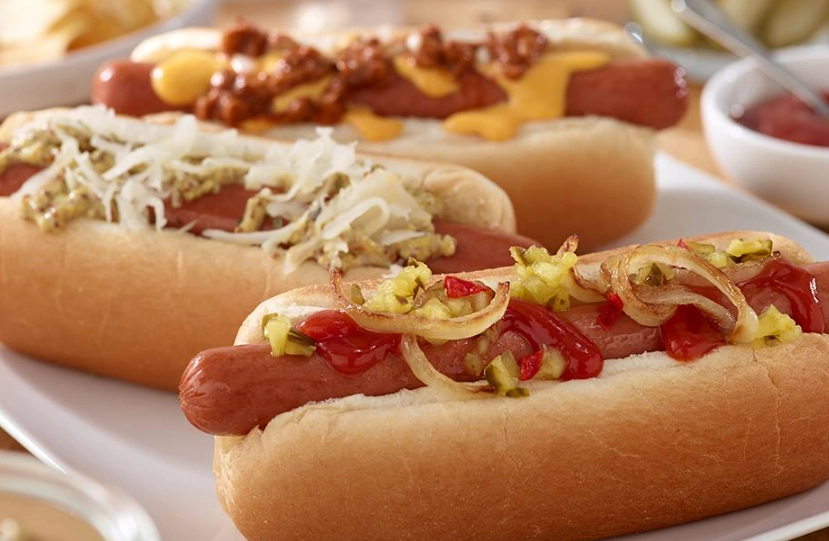
How Did We Get Here? A (Very) Brief History on a Plate
You can't understand the food without knowing the rough timeline of how it all came together. It wasn't a straight line.
Pre-Columbian Era: Native American tribes cultivated the "Three Sisters"—corn, beans, and squash. They hunted game like bison and turkey, and foraged berries and nuts. This is the absolute bedrock. No corn, no American food as we know it.
Colonial Era (1600s-1700s): European settlers arrived with their own traditions—wheat for bread, cattle for dairy and beef, apples, sugar. They adapted Old World recipes to New World ingredients. Pumpkin pie (using squash instead of hard-to-get European fruits) is a prime example. The first Thanksgiving meal was likely a fusion of Native and English foods.
19th Century Westward Expansion: As people moved west, food had to be portable and non-perishable. Hardtack, jerky, beans. Chuckwagon cooking for cowboys. This era cemented the love of beef and created a culture of open-fire, simple cooking.
The Immigrant Waves (Late 1800s - Early 1900s): This is the critical period. Millions arrived from Italy, Ireland, Germany, Eastern Europe, China. They crowded into cities and brought their food. But ingredients from the old country were scarce or expensive. So they adapted. Italian immigrants used more meat and tomato sauce (tomatoes were plentiful) than they did back home, creating heavier "Italian-American" dishes like spaghetti and meatballs. German sausages became hot dogs. These adapted dishes, created in American cities, became what many now think of as the traditional foods of those cultures. The Library of Congress has fascinating collections on immigrant life that often touch on food.
20th Century: Industrialization & Homogenization: Canning, refrigeration, and the rise of national brands (Heinz, Campbell's, Kellogg's) changed everything. Food became more uniform and available year-round. The invention of the supermarket. And then, mid-century, the rise of fast food and TV dinners. Convenience became king. This era gave us the processed, standardized version of American food that the world often sees.
Late 20th Century - Today: The Artisan Revival & Global Fusion: A backlash to processed food. The rise of food TV, celebrity chefs, farmers markets, and a renewed interest in local, organic, and heritage ingredients. At the same time, continued immigration (from Asia, Latin America, the Middle East) has further expanded the definition. Now, kimchi tacos and sushi burritos can feel as American as anything.
The history isn't neat. It's full of contradictions—industrialization and artisanal revival, homogenization and hyper-regionalism. All of it is part of the answer to what is a traditional American food.
My grandfather grew up during the Great Depression. His idea of a treat was a slice of white bread with a thick smear of butter and a sprinkle of sugar. That's a poverty food, but it's also a memory he carried his whole life. It reminds me that tradition isn't always about abundance or celebration. Sometimes it's about scarcity and making the best of what you have. That resilience is baked into the story too.
So, What *Really* Makes a Food "Traditionally American"?
After all this, can we find a common thread? I think we can spot a few key characteristics that, when combined, give a food that distinctly American feel.
- It's Almost Always Adapted or Fusion Cuisine: Very few American classics are 100% original. They are borrowings, mash-ups, and innovations based on what was available. The hamburger, the hot dog, pizza, tacos—all immigrant foods that were changed by the American context.
- It's Often Tied to a Specific Place or Event: BBQ regions, Philly cheesesteaks, Thanksgiving turkey, ballpark hot dogs. The food is inseparable from its geographic or cultural setting.
- It Embraces Convenience and Abundance: From the casserole (throw everything in one dish) to the all-you-can-eat buffet to the drive-thru, there's a practical, sometimes excessive, approach to food. The portion sizes everyone talks about didn't come from nowhere.
- It's Democratic and Casual: Few traditional American foods are fussy or require formal dining. They are eaten with hands (burgers, hot dogs, fried chicken), shared family-style, or served in casual settings like diners and barbecues.
- It Evokes Nostalgia and Comfort: This might be the biggest one. A traditional American food often has a powerful emotional component—memories of childhood, family gatherings, summer holidays. It's as much about feeling as it is about taste.
So, is a quinoa salad with kale and avocado a traditional American food? Not yet. But give it time. If it sticks around, gets adapted, becomes part of the shared memory of a generation, then maybe someday it will be. That's how the tradition grows.
Common Questions People Ask About American Food
Let's tackle some of the specific things people wonder when they ask, "What is a traditional American food?"
The Final Bite
Look, trying to define what is a traditional American food is a fool's errand if you want a single, simple answer. You won't find it. The beauty and the frustration of it is in its chaos.
It's a cuisine of constant becoming. It's the Native American pot of beans, the Pilgrim's adapted pie, the immigrant's reinvented sausage, the soldier's K-ration, the housewife's casserole, the chef's farm-to-table plate. It's all of it.
The tradition isn't a fixed menu. It's the process. It's the act of taking something from somewhere else, mixing it with what's here, and making it work for today. It's pragmatic, often unrefined, deeply nostalgic, and endlessly debated. It can be a greasy spoon burger that tastes like heaven at 2 a.m. or a meticulously smoked brisket that took 16 hours to make.
So, the next time someone asks you, "What is a traditional American food?" maybe smile and say, "It depends. Let me tell you a few stories..." Because the stories are the real recipe. The food is just the delicious, messy, wonderful result.
And honestly, that's what makes it so interesting. There's always something new to discover, even in the oldest dishes. The search for the answer is better than any single answer you could ever find.



Comments
Leave a Comment