In This Article
- The Story on the Plate: A Bite-Sized History of American Food
- The Hall of Fame: Iconic American Dishes (And Why We Fight About Them)
- It's All About Location: A Tour of Regional American Food
- American Food Today: What's Cooking Now?
- The Not-So-Pretty Side: Health, Industry, and Culture
- Answering Your Questions (The FAQ Potluck)
- Bringing It Home: Your Next Step with American Food
You ask someone about American food, and you'll probably get a quick answer. Burgers. Hot dogs. Apple pie. Maybe mac and cheese. It's easy to think of it as a monolith, a grease-stained paper bag of fast food and nostalgia. But that's like saying Italian food is just pizza and pasta. It misses the point entirely, and honestly, it does a huge disservice to a cuisine that's far more complicated and interesting.
I remember my first real encounter with the depth of American food. It wasn't at a chain restaurant. It was at a potluck in the Midwest, where a table groaned under dishes from a dozen different family histories. There was a German-style potato salad next to a spicy Jambalaya, a tray of Swedish meatballs beside a pan of enchiladas brought by a neighbor whose family was from Texas. That's when it clicked for me. American food isn't a single thing. It's a conversation. A loud, messy, ongoing argument and collaboration happening on millions of plates every day.
American food, at its core, is a story of adaptation. It's the story of immigrants bringing their culinary traditions and then bending them to fit new ingredients, new climates, and new neighbors. It's the story of regional geography creating distinct food cultures from the seafood shacks of Maine to the barbecue pits of Texas. And it's the story of innovation, both corporate (hello, drive-thru) and homegrown.
So, let's move past the clichés. We're going to talk about the history that shaped the pantry, the iconic dishes that everyone argues about, the regional maps that tell a deeper story, and where American cuisine is headed next. You'll leave with a much better understanding than when you started, I promise.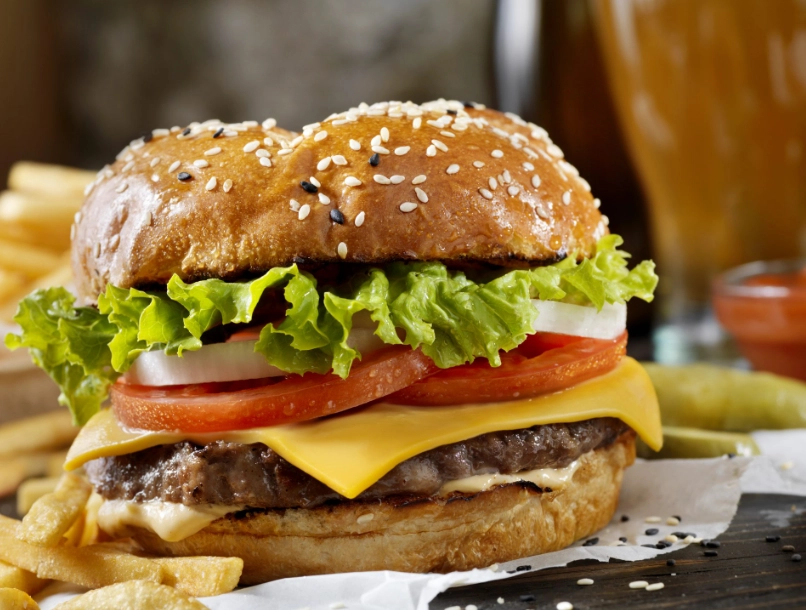
The Story on the Plate: A Bite-Sized History of American Food
To get why American food looks the way it does, you have to rewind the tape. Long before the first burger joint opened, the land was already rich with food traditions.
The indigenous peoples of North America cultivated the “Three Sisters”: corn, beans, and squash. They hunted bison, turkey, and deer. They foraged for berries and nuts. This foundation is crucial. Corn, in particular, became a staple that would shape everything from Southern grits to the corn syrup in your soda. The U.S. Department of Agriculture has extensive historical resources on these native crops that are worth a look if you're into the deep roots.
European colonization brought massive change. Wheat for bread, cattle for dairy and beef, pigs, chickens, and sugar. But it wasn't a simple replacement. It was a fusion. Colonists learned native farming techniques and adopted ingredients like corn, pumpkin, and turkey (yes, that's why it's at Thanksgiving). The first American cookbooks show this blending clearly.
The 19th and 20th centuries were the real game-changers, though. Waves of immigration from Ireland, Germany, Italy, China, and later from Latin America, Southeast Asia, and beyond, each added new layers to the American food mosaic. The Industrial Revolution gave us canned goods, refrigeration, and processed foods. The post-WWII boom created suburbia, the interstate highway system, and the golden age of the fast-food chain. Convenience became king.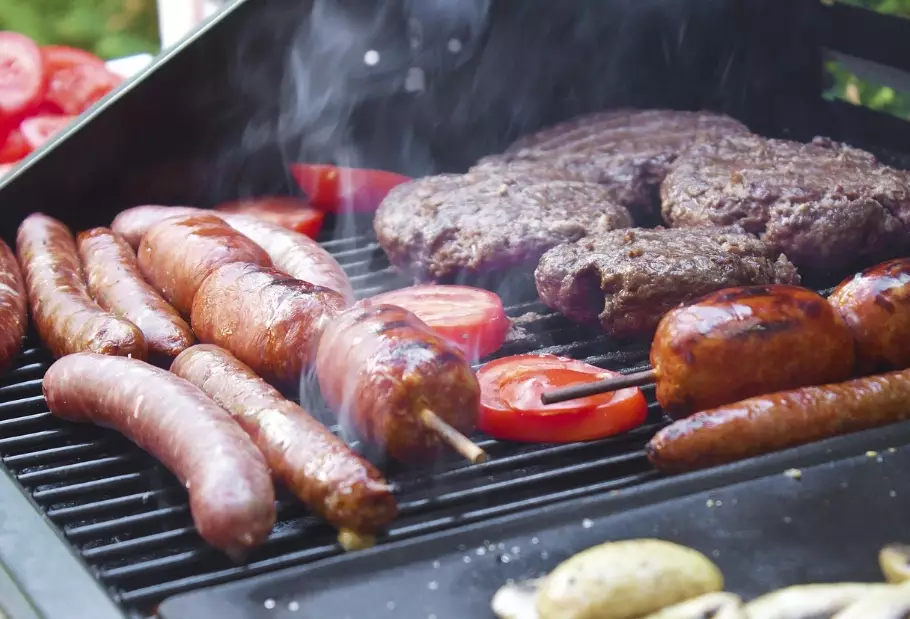
This history explains the duality of American food. On one hand, you have a deep, regional, home-cooking tradition. On the other, you have a globally dominant fast-food and processed food culture. They're two sides of the same coin.
The Hall of Fame: Iconic American Dishes (And Why We Fight About Them)
Alright, let's get to the good stuff—the dishes that scream “American food” to most people. But here's the thing: for nearly every one of these icons, there's a fierce regional debate about the “right” way to make it. That's part of the fun.
| Dish | The Basic Idea | The Great Debate / Regional Spin | My Personal Take |
|---|---|---|---|
| The Hamburger | Ground beef patty in a bun. | Toppings! Lettuce/tomato/onion/pickle vs. “In-N-Out” style (spread, grilled onion). Patty melt (on rye with cheese and onions). Sliders. The diner classic vs. the gourmet brioche-and-arugula version. | The simpler, the better. A good smash patty on a soft potato bun with cheese, onion, pickles, and a smear of special sauce is hard to beat. Some of the fancy ones try too hard. |
| Barbecue (BBQ) | Meat cooked low and slow with smoke. | This is war. Texas (beef brisket, salt & pepper rub). Kansas City (sweet, tomato-based sauce on ribs & burnt ends). Memphis (dry-rub ribs). Carolina (pulled pork with vinegar-based sauce, split between North and South). The wood (hickory, oak, mesquite) matters too. | I'm a Carolina vinegar sauce partisan for pork. It cuts through the fat perfectly. Texas brisket is a close second. The sweet KC sauce can be a bit much for me on a whole plate. |
| Macaroni and Cheese | Pasta in cheese sauce, baked. | From the blue box (Kraft) to soul food baked versions with a buttery breadcrumb topping. Cheese blend is key: sharp cheddar is standard, but Velveeta or American cheese are used for ultra-creaminess. | Baked, always. The crispy top is non-negotiable. A little dry mustard powder in the sauce makes all the difference. |
| Apple Pie | Fruit filling in a double crust. | Type of apple (Granny Smith vs. Honeycrisp). Lattice top or solid? Spices (just cinnamon, or nutmeg/allspice)? Served with ice cream (à la mode) or cheddar cheese (a old-school New England thing). | I'm team lattice top so you can see the filling bubble. And yes, a slice of sharp cheddar on the side is weirdly amazing. Don't knock it till you try it. |
| The Hot Dog | Seasoned sausage in a bun. | Chicago Dog (no ketchup! neon relish, sport peppers, celery salt). New York (sauerkraut & onion sauce). Sonoran (bacon-wrapped, with beans & peppers). Coney Island (meat sauce). | The Chicago dog is a masterpiece of texture and flavor. They're right about the ketchup—it doesn't belong there. But on a basic backyard dog? Go for it. |
See what I mean? Even the simplest American food has layers of context. These dishes are less about a fixed recipe and more about a shared concept that gets personalized by place and family.
I have to be honest: the sheer dominance of the fast-food version of these classics has given American food a bad rap internationally. A frozen, mass-produced apple pie or a limp, steam-table hot dog is a sad shadow of the good versions you can find. It's the homemade, diner, or dedicated joint versions that tell the real story.
It's All About Location: A Tour of Regional American Food
If you really want to understand American food, you have to look at a map. Geography, climate, history, and who settled there created distinct culinary regions. Here's a quick tour—consider it a tasting menu.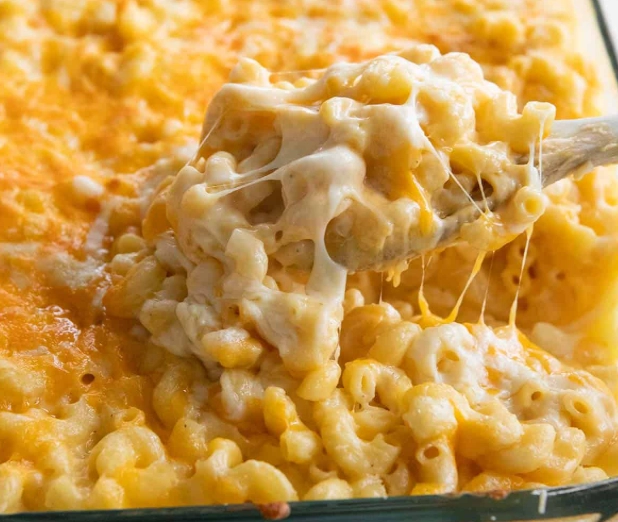
The Northeast
Think seafood and early colonial influences. New England is famous for its clam chowder (creamy, not tomato-based—that's Manhattan style, and they're very different), lobster rolls (hot with butter or cold with mayo?), and baked beans. Upstate New York has its own thing with Buffalo wings (originally from Buffalo, NY, served with blue cheese, not ranch) and the garbage plate (a Rochester monstrosity of meat, beans, potatoes, and mac salad that's oddly glorious).
The South
This is the heart of American comfort food, with roots in West African, English, and French cooking. We're talking about soul food: fried chicken, collard greens cooked with smoked pork, black-eyed peas, cornbread, and biscuits with gravy. Cajun and Creole cuisines from Louisiana are in a league of their own—gumbos, jambalayas, étouffées, packed with the “holy trinity” of onion, celery, and bell pepper. The Smithsonian has done some fascinating exhibits on the history of Southern foodways that trace these connections.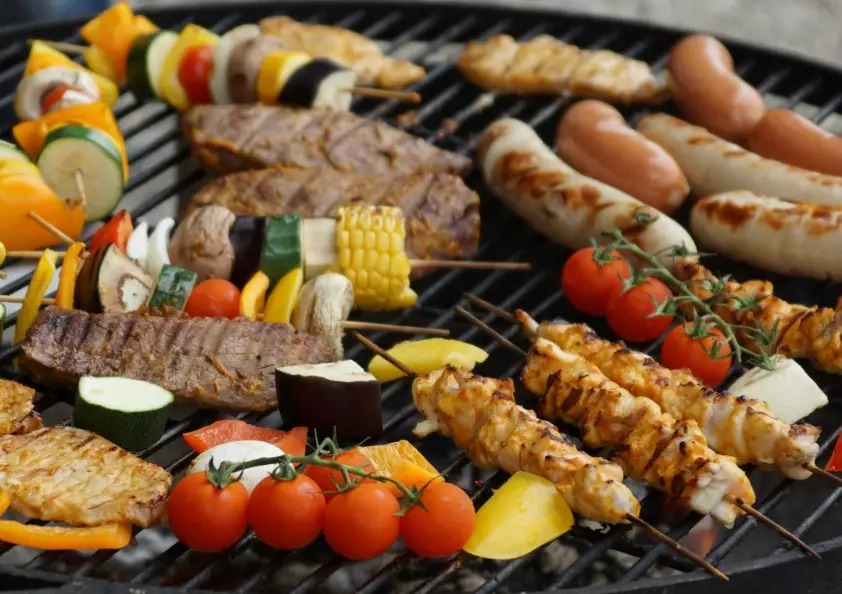
“Southern food isn't a trend; it's a legacy. It's the taste of history, for better and for worse, and it's sustained communities for generations.”
The Midwest
Often unfairly called the “flyover” country for food, it's actually the land of casseroles (called “hotdish” in Minnesota), potlucks, and German/Scandinavian influences. Think meatloaf, Jell-O salads (a true midcentury artifact), bratwursts in Wisconsin, and the best summer sweet corn you'll ever taste. It's hearty, no-nonsense, feed-a-crowd food.
The Southwest & West Coast
Mexican and Native American influences are front and center here. Tex-Mex (nachos, fajitas, chili con carne) is its own beloved category. In California, you get the farm-to-table movement (thanks to incredible produce), the invention of the Cobb salad and the French dip sandwich, and the fusion cuisine capital that is Los Angeles. The Pacific Northwest is all about salmon, berries, oysters, and a major coffee culture.
And that's just scratching the surface. Every state, every city, often has its own claim to fame.
American Food Today: What's Cooking Now?
So where is American food headed? It's not static. The conversation is getting louder and more interesting. Here are the big trends shaping the modern plate.
The Farm-to-Table & Local Movement: This is a direct reaction to the industrial food system. Chefs and home cooks are prioritizing seasonal, locally sourced ingredients. Farmers' markets have exploded. It's about knowing where your food comes from, and it's revitalizing regional cuisines. Organizations like the James Beard Foundation heavily promote this ethos.
Global Fusion on Steroids: America has always been a melting pot, but now the fusion is more intentional and creative. It's not just Chinese-American takeout. It's Korean barbecue tacos from a food truck, sushi burritos, or Indian-spiced pizza. The freedom to mix and match is a superpower of modern American cuisine.
Comfort Food Reimagined: After stressful times, people crave comfort. But now it's often “elevated.” Gourmet mac and cheese with truffle oil. Fried chicken sandwiches that are a national obsession (looking at you, Popeyes vs. Chick-fil-A wars). High-quality ingredients are being used in classic, nostalgic formats.
Dietary Awareness & Plant-Based Innovation: Whether due to health, ethics, or environment, there's a huge demand for vegan, vegetarian, and gluten-free options. American food companies are leading the charge in plant-based meat alternatives (Beyond Burger, Impossible Foods). The salad, once a sad side, is now often a massive, loaded main course.
A less positive trend? The “Instagrammability” of food. Sometimes it feels like a dish is created more for how it looks on camera than how it tastes. I've had beautifully plated, utterly bland meals that were all style, no substance. That's a dead end, in my opinion.
The Not-So-Pretty Side: Health, Industry, and Culture
We can't talk about American food without addressing the elephant in the room. The same system that gave us amazing innovation and convenience also created serious problems.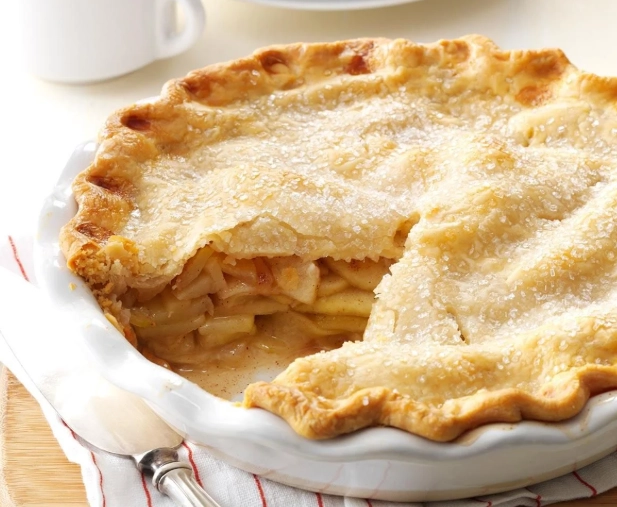
The prevalence of highly processed foods, sugars, and fats is linked to public health issues. The fast-food model prioritizes cheap calories over nutrition. It's a complex issue tied to economics, subsidies (especially for corn and soy), and marketing. The Library of Congress archives show how government dietary guidelines and food advertising have evolved, often controversially.
There's also the issue of appropriation vs. appreciation. When does celebrating a taco or a bowl of pho cross the line into profiting from a culture's food without respect or context? It's an ongoing and necessary discussion in the food world.
But there's hope. The movements towards local sourcing, cooking education, and celebrating the authentic roots of immigrant cuisines are powerful correctives.
Answering Your Questions (The FAQ Potluck)
Bringing It Home: Your Next Step with American Food
So, after all this, what's the takeaway? American food is a living thing. It's not a checklist of dishes to try. It's a way of understanding the country itself—its history of immigration, its vast geography, its conflicts, and its creativity.
The best way to engage with it is to be curious. Don't just eat a burger; wonder about its journey from a German-inspired patty to a global icon. Don't just eat barbecue; learn about the different regional styles and the pride behind them. Try making a classic dish at home, like a pot of chili or a batch of chocolate chip cookies (another American invention!).
It's messy. It's contradictory. It can be both a greasy, delicious guilty pleasure and a profound expression of local terroir. And that's what makes it so endlessly fascinating. The story of American food is still being written, one meal at a time.
My final, totally subjective ranking of must-try American food experiences? 1. A proper, slow-smoked barbecue plate from a dedicated shack. 2. A fresh, simple lobster roll eaten by the water in Maine. 3. A slice of pie from a real diner. 4. A truly great cheeseburger. 5. A bowl of gumbo in New Orleans. Start there, and you'll be well on your way.
Now, go eat. And pay attention.






Comments
Leave a Comment