That moment of truth at US Customs after a long flight from Nigeria. You're tired, you're carrying precious gifts, and maybe a few carefully packed food items from home. The officer asks if you have any food. Your mind races. Is that garri allowed? What about the dried fish? Saying "yes" might mean losing it. Saying "no" and getting caught is worse.
I've been through this dance more times than I can count, and I've seen friends lose prized items to the blue disposal bins. The rules aren't always intuitive. This guide cuts through the confusion, straight from the official sources and hard-won experience.
What's Inside This Guide
What Nigerian Foods Can You Bring to the USA?
The golden rule is this: commercially packaged, shelf-stable, and non-perishable items have the best shot. The U.S. Department of Agriculture (USDA) and Customs and Border Protection (CBP) are primarily concerned with preventing pests, plant diseases, and animal illnesses from entering the country.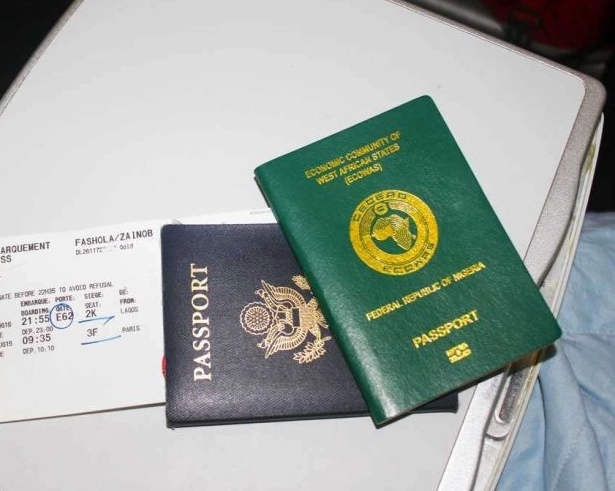
Here’s a breakdown of items that are generally permissible, assuming they are for personal use and not for resale.
Commercially Packaged Foods
These are your safest bets. Look for items in factory-sealed cans, jars, bags, or boxes.
- Garri (Cassava Flakes): This is almost always okay. Ensure it's the dry, roasted variety in a sealed bag. I've never had an issue with sealed 5kg bags of Golden Penny or other brands.
- Dry Beans and Grains: Black-eyed peas (ewà olóyìn), rice, millet, sorghum. Again, commercial packaging is key. Loose grains in a local "throway" bag might raise questions about insect infestation.
- Spices and Seasoning Cubes: Packaged dried spices (ehuru, uda, curry powder) are fine. Maggi, Knorr, and other seasoning cubes in their original wrappers are allowed.
- Groundnuts (Peanuts) and Cashews: Roasted and salted in sealed packets are usually fine. Raw nuts are more closely scrutinized.
- Biscuits, Crackers, and Packaged Snacks: Items like cabin biscuits, chin chin (if very dry and packaged), and other sealed baked goods are permissible.
- Oil: Sealed bottles of vegetable oil (palm oil is a separate, tricky category—see below).
Certain Fresh Fruits and Vegetables (Very Limited)
This is the trickiest area. The USDA's Animal and Plant Health Inspection Service (APHIS) has a specific list. Most fresh produce from Nigeria is prohibited. However, some treated fruits might be allowed. You must check the APHIS website or their mobile app "Can I Bring It?" for the absolute latest. Don't rely on memory; the list changes.
What Nigerian Foods Are Prohibited?
This list is where most confiscations happen. The bans are in place for serious agricultural and health reasons.
| Food Category | Specific Examples | Primary Reason for Prohibition |
|---|---|---|
| Meat & Poultry Products | Fresh, dried, canned, or packaged beef, chicken, goat, turkey. This includes suya, kilishi, canned corned beef, frozen turkey tails. | Risk of Foot-and-Mouth Disease, Avian Influenza, and other animal diseases. This is a strict rule from the USDA for most countries, including Nigeria. |
| Homemade/Solidified Soups & Stews | Egusi soup, ogbono soup, efo riro, ofada sauce (even if frozen solid). | Classified as meat products due to potential meat/poultry content (stock, fish, meat bits). Liquid/paste forms are high-risk carriers of pathogens. |
| Most Fresh Fruits & Vegetables | Mangoes, oranges, guavas, garden eggs, fresh peppers, leafy vegetables like ugu and scent leaf. | Risk of introducing invasive pests like fruit flies or plant diseases that could devastate US agriculture. |
| Unpasteurized Dairy Products | Local wara (soft cheese), non-commercial yogurts. | Risk of Brucellosis and other bacteria. |
| Raw Palm Oil | Local, unrefined palm oil in bottles or cans. | Often prohibited due to potential contamination and the difficulty in verifying its purity and processing. Refined, commercially bottled palm oil might be allowed but is frequently questioned. |
How to Pack and Declare Food Items Properly
Your strategy here can mean the difference between a smooth pass-through and a secondary inspection.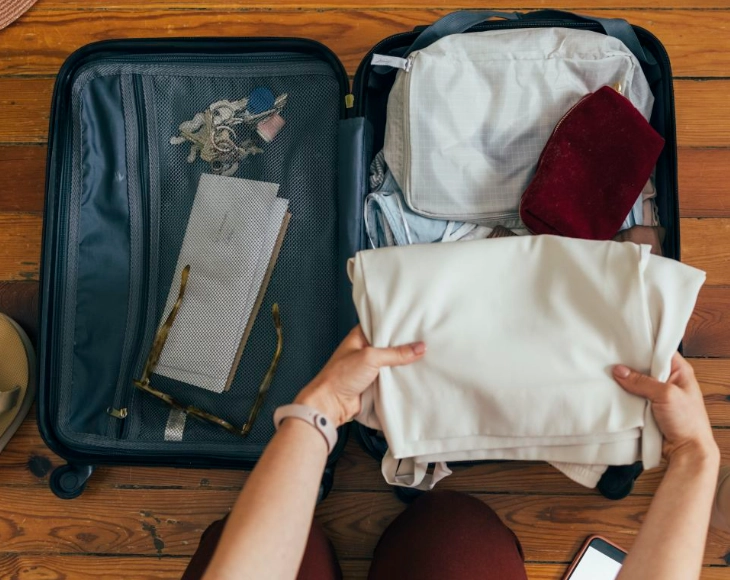
Packing Strategy: Pack all food items together in an easily accessible part of your checked luggage. Use original, sealed packaging whenever possible. If you must repackage (like buying from an open market), use new, clear ziplock bags and label them clearly with a marker: "Dried Beans," "Garri," etc. This shows the officer you have nothing to hide.
The Declaration Form: On the CBP Declaration Form (6059B), you will see the question: "11. Are you bringing with you fruits, vegetables, plants, seeds, food, insects, meats, animals, animal/wildlife products, soil, or have you been on a farm/ranch/pasture outside the U.S.?"
You must mark "YES."
This is non-negotiable. When you get to the officer, simply say, "Yes, I have declared some packaged dry food items like garri and beans." Being upfront builds trust. The officer will likely ask what you have, may take a quick look, and 99% of the time for allowable items, will wave you through. The penalty for failing to declare can start at a $300 fine.
Top Mistakes Travelers Make (And How to Avoid Them)
Let's talk about the subtle errors that don't get enough attention.
Mistake 1: Assuming "African Stores in the US" mean it's okay to bring. Just because you can buy it in Houston or Atlanta doesn't mean you can import it personally. Commercial importers have special licenses, permits, and their goods go through specific ports of entry with agriculture inspections. Your suitcase doesn't have that clearance.
Mistake 2: Thinking small quantities are ignored. "It's just one mango for my friend." Agricultural rules don't have a minimum quantity exemption. One mango can carry a fruit fly larvae that starts an infestation. They will take it.
Mistake 3: Hiding items in among clothes. This is the worst move. If an X-ray or sniffer dog finds undeclared food buried in your luggage, you immediately look suspicious. This guarantees a full bag search, delays, and a higher chance of a fine. Transparency is always faster.
Your Food Travel Questions Answered
The bottom line is simple. Stick to commercially packaged, dry goods. When you fill out the form, mark "YES" for food. Be ready to tell the officer what you have. This approach, grounded in the actual regulations from CBP and USDA APHIS, will get you and your taste of home through customs with minimal stress. Safe travels.




Comments
Leave a Comment