Navigating the Food Debate
- Why There's No Official "United States National Food"
- The Top Contenders for America's Unofficial National Dish
- Breaking It Down: A Side-by-Side Look at the Contenders
- What About...? Other Foods That Deserve a Mention
- Common Questions People Ask About America's National Food
- Final Thoughts: The Real Answer to "What is United States National Food?"
So, you typed "What is United States national food?" into Google. You were probably expecting a straightforward answer, right? Maybe a single, glorious dish that everyone from Maine to California agrees represents the whole country. I hate to break it to you, but that's not how it works here. The United States doesn't have an official, government-decreed national food. Not one. And that fact alone tells you a lot about the country itself.
Think about it. Italy has pasta and pizza, Japan has sushi, Mexico has tacos. But America? It's a melting pot, a tossed salad, a buffet line of immigrant cultures and regional identities. Asking for one national food is like asking for one type of American music. You just can't pin it down. The search for the United States national food is really a search for the soul of American cuisine, and that soul is fragmented, argumentative, and deliciously diverse.
I remember talking to a friend from France about this. He was utterly confused. "How can a country not have a national dish?" he asked. I tried to explain Thanksgiving turkey, but then he pointed out that's a holiday meal, not an everyday staple. He had a point. The American identity on a plate is a constantly evolving debate. So, let's dive into that debate. Instead of one answer, we have a list of heavyweight contenders, each with a compelling case for the unofficial title of America's national food.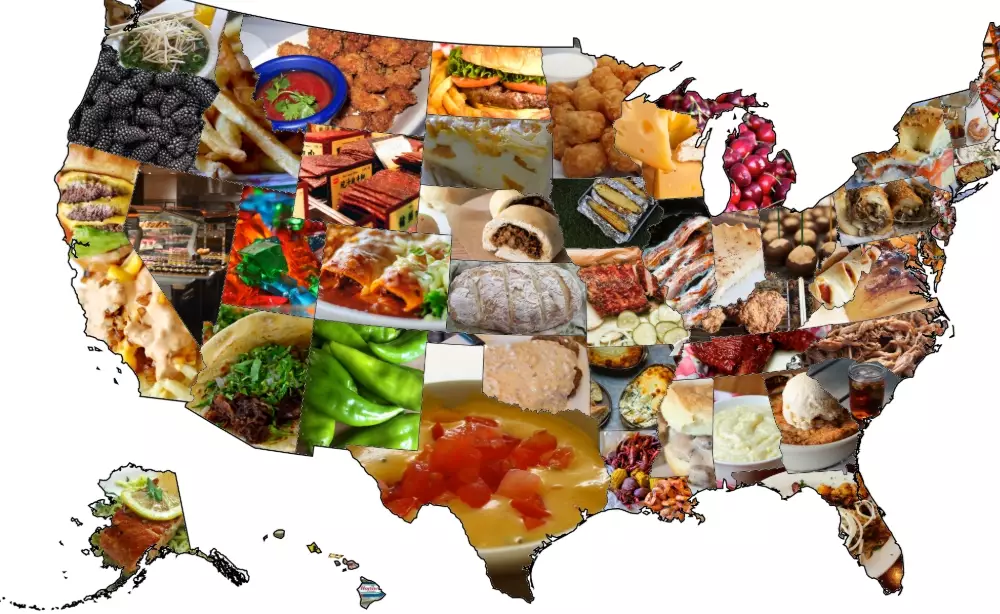
Why There's No Official "United States National Food"
First, let's clear the air. No act of Congress has ever named a national dish. The U.S. has a national bird (the bald eagle), a national anthem ("The Star-Spangled Banner"), and even a national tree (the oak). But a national food? Nope. The U.S. Department of Agriculture promotes various agricultural products, but it doesn't crown a culinary king. This lack of a formal designation is, ironically, very American. It speaks to a few key things:
- Size and Regionalism: The U.S. is massive. What's essential food in Louisiana (gumbo) is a specialty in Alaska. The clam chowder debate between New England (creamy) and Manhattan (tomato-based) is a minor civil war. Declaring one dish for all would ignore these deep regional roots.
- Immigrant Foundations: Almost every "American" food has roots elsewhere. Hamburgers (Germany), hot dogs (Germany/Frankfurt), pizza (Italy), tacos (Mexico). American cuisine is about adaptation, not origination. To choose one would feel like favoring one immigrant story over another.
- Constant Change: American food culture moves fast. Dishes rise and fall with trends. Something like avocado toast or the cronut might capture the zeitgeist for a minute, but it lacks the historical staying power. The concept of a static national food feels outdated in such a dynamic environment.
So, when we talk about the national food of the United States, we're really talking about consensus, culture, and symbolism, not legislation.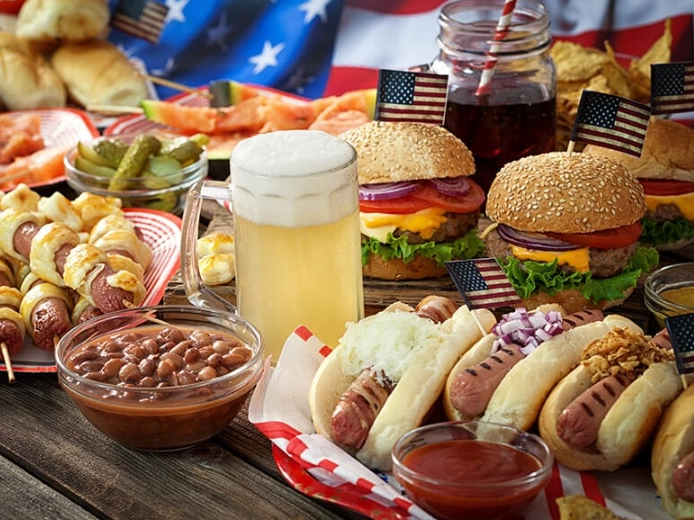
The Top Contenders for America's Unofficial National Dish
If we took a nationwide vote, these are the dishes that would be on the ballot. They've woven themselves into the fabric of daily life, from backyard barbecues to roadside diners to Hollywood movies.
The All-American Hamburger
This is the frontrunner for most people. It's democratic (endlessly customizable), portable, and satisfying. Its story is a classic American tale: a simple concept (ground meat patty) from Europe lands here, gets sandwiched between a bun (allegedly at the 1904 St. Louis World's Fair for easy eating), and becomes a global icon. The rise of fast-food chains like McDonald's cemented its status as a symbol of American capitalism and culture worldwide.
But is it the United States national food? Some argue it's too commercialized, too linked to unhealthy eating. Others say its German origins disqualify it. I don't buy that last argument. America made it what it is today. The standard burger with lettuce, tomato, onion, pickles, and ketchup is an American creation.
Apple Pie
"As American as apple pie." That phrase says it all. Apple pie is the ultimate symbol of American nostalgia, home, and wholesomeness. It represents an idealized, simpler past. Interestingly, like the burger, apple pie isn't American in origin. English and Dutch colonists brought pie-making techniques and apples. But America adopted it as its own, linking it to core values.
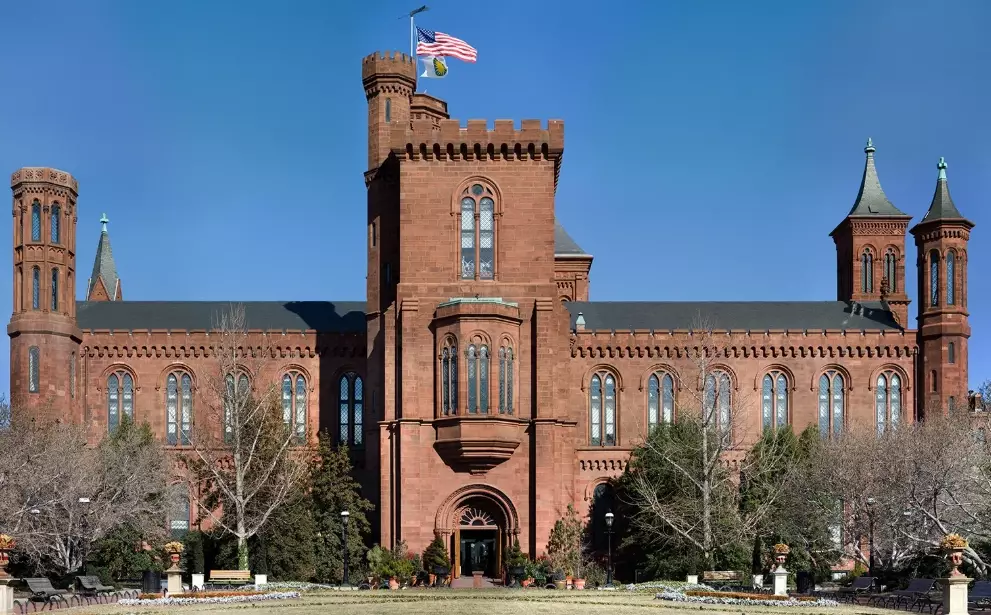
The Smithsonian Institution has even explored the history of apple pie as a cultural icon, noting how it was promoted during wartime as a symbol of what soldiers were fighting for—the comfort of home. You can read more about this in their online archives and articles about American food history.
Its weakness as a national dish? It's a dessert, not a main course. And honestly, how often does the average person actually bake one from scratch these days? It's more a powerful symbol than a daily staple.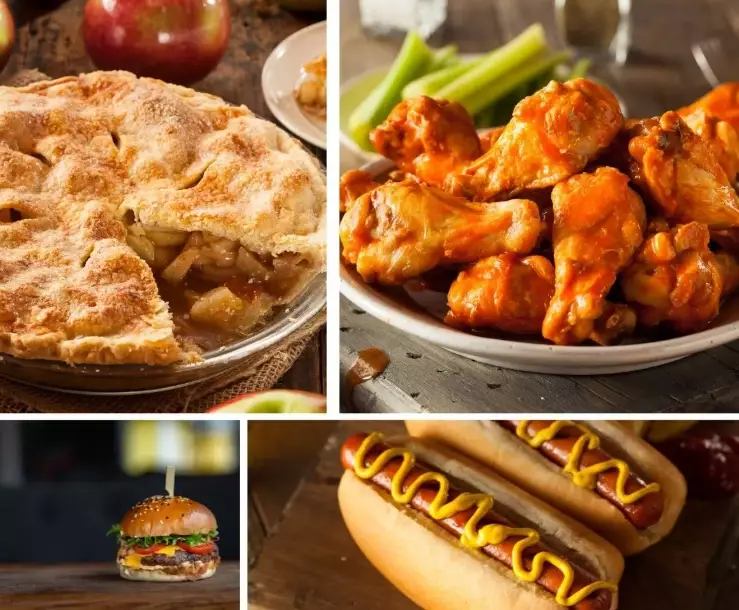
Barbecue (BBQ)
Here's where regional pride explodes. To talk about American barbecue is to step into a minefield of fierce loyalty. Texas brisket (smoked slow and low over oak). Carolina pulled pork (with a vinegar-based sauce in the east, a mustard-based "Carolina Gold" in the midlands). Kansas City ribs (with a sweet, thick, tomato-based sauce). Memphis dry-rub ribs. Each style is a point of intense local pride.
This might be the strongest argument against a single national food, but also the strongest argument for barbecue as a national culinary tradition. The method—slow-cooking meat over indirect heat or smoke—is the unifying theme. It's food for gatherings, for patience, for celebration. A presidential candidate might be photographed eating a burger, but a serious political gathering in the South is built around barbecue.
If the hamburger is America's fast food, barbecue is its slow food. It requires time, community, and regional knowledge. That makes it deeply, authentically American in practice, even if it can't be narrowed down to one recipe.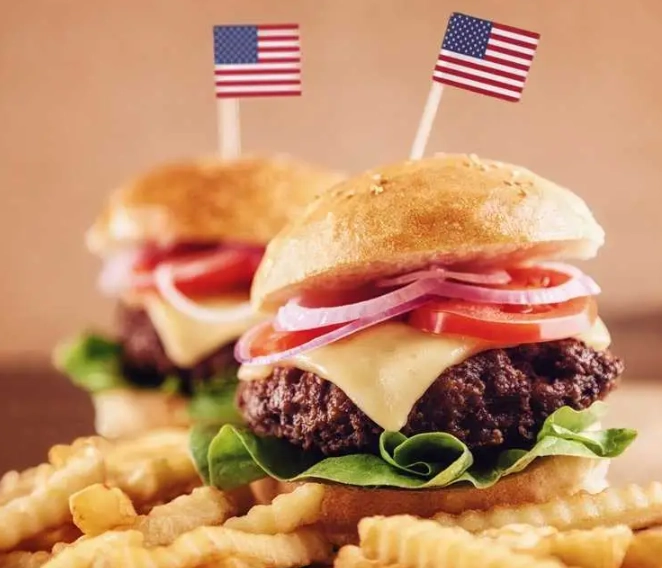
Thanksgiving Turkey
This is the one meal that nearly all Americans share, regardless of background. It's tied to a national origin story (however simplified or problematic), a specific holiday, and family. For one day a year, turkey with stuffing, cranberry sauce, and pumpkin pie is the undisputed national meal. The U.S. Department of Agriculture tracks turkey production and consumption obsessively, especially around November. Their data shows the sheer scale of this culinary event.
But that's just it—it's a once-a-year event. Nobody is eating roast turkey with all the trimmings in July. So while it has a strong claim as a national holiday food, it falters as an everyday national dish.
The Hot Dog
Simple, cheap, and ubiquitous at sporting events, street carts, and backyard parties. The National Hot Dog and Sausage Council (yes, that's a real thing) estimates Americans eat about 20 billion hot dogs a year. It's another immigrant adaptation that became a working-class icon. Putting it in a bun and loading it with mustard, relish, onions, sauerkraut, or chili is an American ritual.
Its case is similar to the burger's but slightly less robust. It's often seen more as a snack or quick bite than a full meal. And let's be honest, its ingredients are sometimes… mysterious. But as a symbol of summer, baseball, and convenience, it's unbeatable.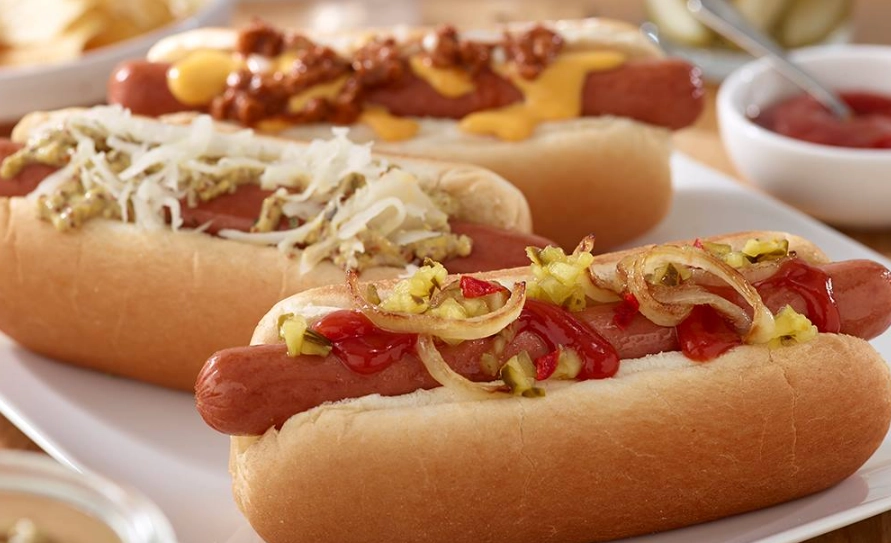
Breaking It Down: A Side-by-Side Look at the Contenders
Let's put these top candidates in a table to see how they stack up. This isn't about picking a winner, but about understanding their different kinds of cultural power.
| Dish | Strengths (Why it could be the one) | Weaknesses (Why it might not be) | Regional Power Center |
|---|---|---|---|
| Hamburger | Ubiquitous, customizable, symbol of commerce and global culture. | Seen as unhealthy, origins are German, very commercial. | Nationwide (origins debated between Texas, Connecticut, etc.) |
| Apple Pie | Powerful symbol of nostalgia, home, and American idealism. | A dessert, not eaten daily, origins are European. | Nationwide (strong in Midwest and New England) |
| Barbecue (BBQ) | Deeply rooted tradition, requires skill, fosters community, intensely regional flavors. | Not one dish but many; fierce regional disagreements prevent a unified choice. | Texas, the Carolinas, Kansas City, Memphis. |
| Thanksgiving Turkey | Unites the nation annually, tied to historical narrative, a full ceremonial meal. | Exclusively a holiday food, not part of daily cuisine. | Nationwide on the 4th Thursday of November. |
| Hot Dog | Icon of sports and street food, extremely high consumption, simple and democratic. | Often viewed as a low-quality snack or processed food. | Nationwide, with strong ties to New York and Chicago styles. |
Looking at this, you see the problem. Each dish fills a different niche. The burger is everyday. Apple pie is emotional. BBQ is traditional. Turkey is ceremonial. The hot dog is convenient. Maybe that's the real answer to "What is United States national food?"—it depends on the context.
What About...? Other Foods That Deserve a Mention
The list doesn't stop there. You could make arguments for others, depending on your perspective.
- Fried Chicken: A Southern masterpiece with a complex history. Its perfection is a point of immense pride. It's comfort food at its finest, but its association is still stronger with the American South than the nation as a whole.
- Macaroni and Cheese: The ultimate comfort side dish. Boxed Kraft Mac & Cheese is a childhood staple for millions. It's creamy, cheesy, and universally loved. But is a side dish, often from a box, worthy of being a national symbol? It's a dark horse candidate for sure.
- Pizza: Wait, isn't that Italian? Absolutely. But the Americanized version—the New York slice, the Chicago deep-dish, the California gourmet—is a distinct entity. Americans eat an absurd amount of pizza. It's a weekly ritual for many families. In terms of sheer consumption and integration into daily life, it might beat everything else. But its foreign origins are probably too recent for it to be considered a "national" dish in the traditional sense, even though it feels utterly American now.
See what I mean? The conversation just keeps expanding.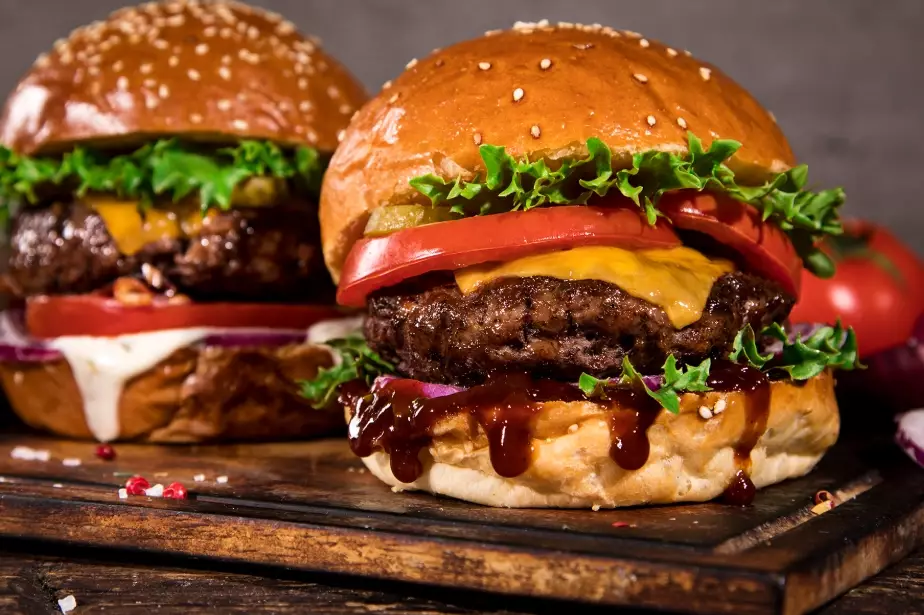
Common Questions People Ask About America's National Food
- Texas: Chili (official state dish)
- Georgia: Grits (official state prepared food)
- Massachusetts: Boston Cream Pie (official state dessert)
- Wisconsin: Cheese (official state dairy product)
Final Thoughts: The Real Answer to "What is United States National Food?"
After all this, my personal take? The United States is too big, too young, and too mixed to have a single national food in the classic European sense. Trying to choose one feels wrong. It would ignore the incredible diversity on our plates.
The real answer is that America's national food is choice. It's the freedom to have a New York bagel for breakfast, Texas barbecue for lunch, and a California salad for dinner. It's the option to eat a food from another culture any night of the week. It's the diner with a 12-page menu offering everything from meatloaf to gyros to pad thai.
So, if you forced me to give a single, unsatisfying answer to the question "What is the national food of the United States?" I'd say: The Hamburger is its global commercial icon. Apple Pie is its sentimental heart. Barbecue is its deepest culinary tradition. And Thanksgiving Turkey is its unifying annual ritual.
But the true, messy, beautiful answer is all of the above, and none of the above. It's the argument itself, the endless debate over what belongs on the plate, that is the most American thing of all. Next time you're at a cookout, biting into a burger next to a bowl of potato salad and some apple pie, you're not just eating. You're participating in the living, breathing, ever-changing answer to that deceptively simple search: What is United States national food? You're tasting it.




Comments
Leave a Comment