Your Food Journey Map
Let's be honest. When you think about an American food list, what pops into your head? Probably a greasy burger, some neon-orange cheese, and a giant soda. I get it. That's the image that's been sold worldwide. But after living here and eating my way across more states than I can count, I can tell you that's like judging a library by its comic book section. There's so much more depth, history, and downright deliciousness.
This isn't just another listicle shouting "TOP 10 FOODS!" This is a practical, no-fluff guide for anyone who's genuinely curious. Maybe you're planning a trip and want to know what to actually eat. Maybe you're a foodie looking to explore. Or maybe you're just tired of the same old stereotypes. Whatever the reason, you're in the right place. We're going to break down the real American food list, from the iconic classics you've heard of to the regional gems you probably haven't.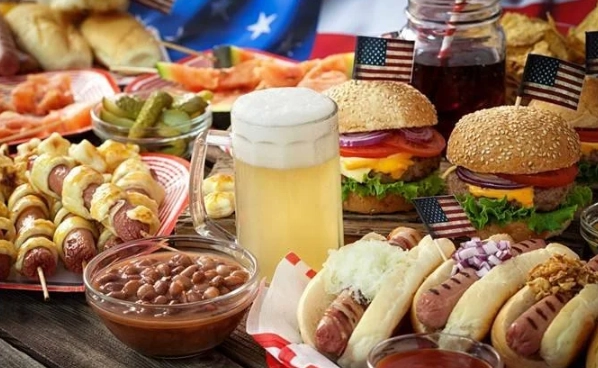
What Even Counts as "American Food"?
This is the first hurdle. American cuisine is a giant, beautiful, messy melting pot. It's not defined by one single tradition. Instead, it's a story of adaptation and innovation.
You have the foundational elements from Native American cooking—think corn, beans, squash, and wild game. Then came waves of immigrants, each bringing their techniques and flavors. Italian immigrants didn't find the right wheat for pasta, so they created New York pizza. German immigrants brought their sausage-making skills, which evolved into the hot dog. West African cooking traditions, brought by enslaved people, are the soul of Southern cuisine—okra, black-eyed peas, frying techniques.
So, an authentic American food list has to acknowledge this mosaic. It's food that has been transformed on American soil into something new. It's often hearty, sometimes indulgent, and frequently focused on convenience and big flavors. But it's also incredibly diverse.
It's barbecue in Texas that's completely different from barbecue in North Carolina. It's clam chowder in Boston and cioppino in San Francisco. It's the Cajun gumbo of Louisiana and the farm-to-table salads of California.
See what I mean? It's huge.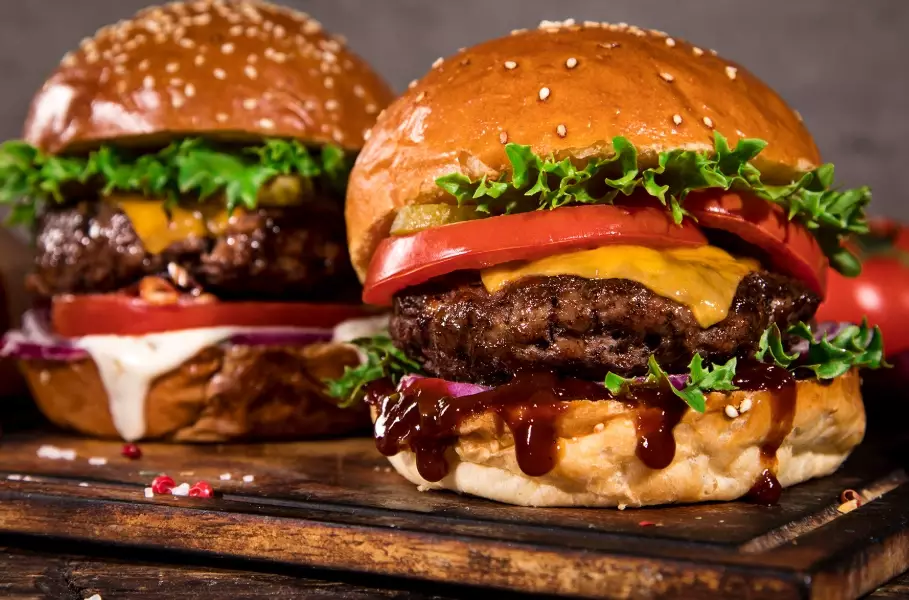
The Non-Negotiables: The Iconic American Food List
Okay, let's start with the heavy hitters. These are the dishes that, for better or worse, have become global symbols of American eating. You can't have a serious American food list without them. But I'll give you the real scoop on each.
Top 5 Iconic American Foods (And How to Eat Them Right)
The Hamburger: Yes, it's obvious. But a good burger is a thing of beauty. The key is avoiding the sad, grey, fast-food puck. Look for a place that grinds its own beef (a blend of chuck and brisket is ideal). It should be juicy, served on a soft but sturdy bun that can handle the juices. Toppings are personal, but classic American is lettuce, tomato, onion, pickles, and a smear of special sauce. My personal take? Skip the overly tall, impossible-to-eat gourmet burgers with foie gras. A simple, well-executed cheeseburger is perfection. (Check out the James Beard Foundation's blog for features on chefs who elevate classics).
Apple Pie: "As American as apple pie." It's a cliché because it's true. The ideal version has a flaky, buttery crust (often a mix of shortening and butter for texture) and a filling that's not just mush. The apples should retain a slight bite, spiced with cinnamon and nutmeg, and sweetened just enough. Serve it warm with a slice of sharp cheddar cheese on top (a New England tradition) or a scoop of vanilla ice cream. The supermarket versions are usually terrible—too sweet, soggy crust.
Southern Fried Chicken: This isn't just KFC. Real Southern fried chicken is an art form. The chicken is typically soaked in buttermilk to tenderize it, then coated in a seasoned flour mixture (paprika, garlic powder, pepper are key). It's fried in cast iron until the crust is shatteringly crisp and golden brown, while the meat inside stays incredibly juicy. It's a weekend project, not a Tuesday night drive-thru. The sides are crucial: creamy mashed potatoes, collard greens cooked with a bit of smoked pork, and a biscuit.
The Hot Dog: Deceptively simple. A quality all-beef frankfurter in a soft, steamed bun. The toppings vary wildly by city, and this is where it gets fun. A Chicago dog is a masterpiece of textures and flavors: yellow mustard, neon green sweet pickle relish, chopped white onions, tomato wedges, a pickle spear, sport peppers, and a dash of celery salt on a poppy seed bun. Never ketchup! A New York dog is simpler: steamed onions and pale yellow deli mustard. Trying the regional styles is a must for any American food list adventure.
Macaroni and Cheese: The ultimate comfort food. The boxed kind has its place (a nostalgic, guilty pleasure), but the real deal is a baked casserole. Elbow macaroni smothered in a rich, creamy cheese sauce made from a roux (butter and flour), milk, and a blend of cheeses like sharp cheddar and Gruyère for depth. Topped with buttery breadcrumbs and baked until bubbly and golden on top. It's soul-warming.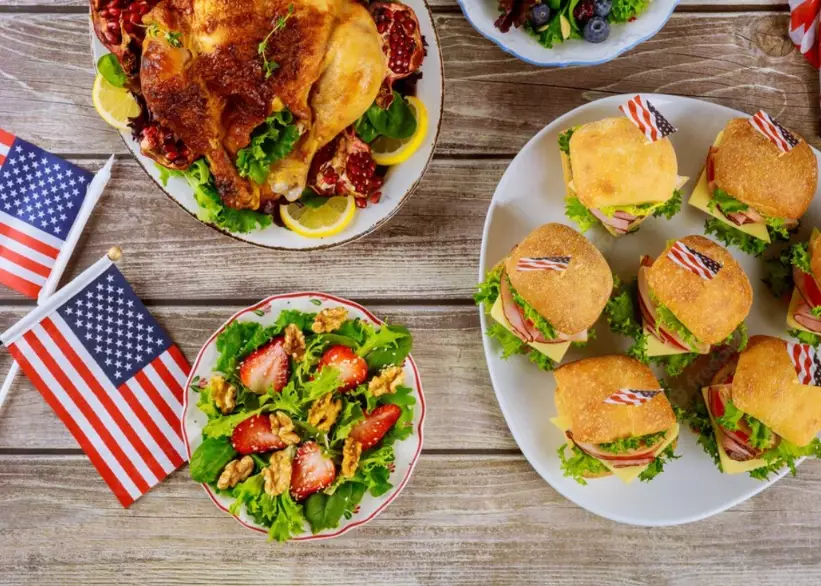
So those are the poster children.
But if you only eat those, you're missing the real story. Let's go deeper.
The Regional Powerhouses: America's Culinary Map
This is where an American food list gets exciting. The country is so vast that each area developed its own specialties based on local ingredients, climate, and cultural influences. It's like several different countries food-wise.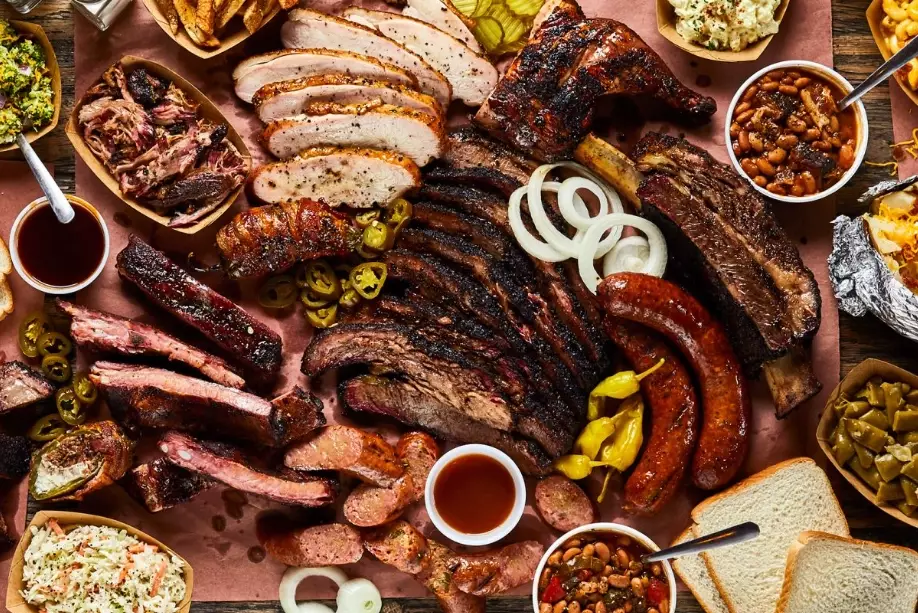
| Region | Signature Dishes | Key Ingredients & Style | Where to Start |
|---|---|---|---|
| The South | Gumbo, Jambalaya, Shrimp & Grits, Biscuits & Gravy, Pulled Pork BBQ, Pecan Pie | Rice, okra, black-eyed peas, cornmeal, pork, seafood, bold spices (Cajun/Creole), slow-cooking, frying. | Gumbo. It's a stew that tells the history of Louisiana in a bowl—French roux, West African okra, Native American filé powder, Spanish peppers. |
| The Northeast / New England | New England Clam Chowder, Lobster Roll, Buffalo Wings, Philadelphia Cheesesteak, Boston Cream Pie | Seafood (clams, lobster, cod), dairy, potatoes. Hearty, creamy, often simple preparations to highlight quality ingredients. | A proper Lobster Roll. Chunks of fresh, sweet lobster meat lightly dressed with mayo (or melted butter) on a toasted, split-top hot dog bun. No celery overload! |
| The Midwest | Chicago Deep-Dish Pizza, Cincinnati Chili, Bratwurst, Hotdish, Cheese Curds | Beef, pork, dairy, corn, wheat. Hearty, comforting, often casserole-based. A mix of German and Scandinavian influences. | Fresh Cheese Curds (in Wisconsin). They should be room temperature and "squeak" when you bite them. A truly unique texture. Fried cheese curds are also amazing. |
| The Southwest | Tex-Mex Enchiladas, Breakfast Tacos, Chili con Carne, Fajitas, Navajo Frybread | Beef, beans, corn, chile peppers (from mild to fiery), cumin. Bold, smoky, spicy flavors. A fusion of Mexican and American cowboy cuisine. | Breakfast Tacos (in Texas). Soft flour tortillas filled with scrambled eggs, cheese, and your choice of bacon, chorizo, or potatoes. A way of life. |
| The West Coast / Pacific Northwest | California Sushi Burrito, Cioppino, Dungeness Crab, Avocado Toast, Fish Tacos, Craft Beer & Wine Pairings | Extreme focus on fresh, local, seasonal produce, seafood, and Asian/Latin fusion. Lighter, healthier(ish), innovative. | Cioppino. A San Francisco fisherman's stew with Dungeness crab, clams, shrimp, and fish in a rich tomato-wine broth. Messy, communal, and delicious. |
Barbecue: A Category of Its Own
American barbecue deserves its own section. It's not a cooking method; it's a religion with fierce regional denominations. The core is slow-cooking tough cuts of meat (pork shoulder, beef brisket, ribs) over indirect heat from wood smoke for hours until they're fall-apart tender.
- Texas: Beef is king, especially brisket. The rub is simple (salt and pepper—it's called "Texas style"), the smoke is central (oak or mesquite), and the sauce, if used, is a thin, tangy tomato-based afterthought. The bark (the dark, crispy exterior) is the prize.
- Kansas City: The "anything goes" style. They do pork, beef, ribs, burnt ends (the crispy tips of the brisket). The signature is a thick, sweet, molasses-and-tomato-based sauce that's slathered on. It's what most people think of as "BBQ sauce."
- Memphis: Focus on pork—specifically ribs. They come "wet" (basted with a sweet and tangy sauce) or "dry" (rubbed with a potent spice mix before and after cooking). Pulled pork sandwiches topped with coleslaw are also a staple.
- Carolinas: Pork, pork, and more pork, usually whole hog. The divide is sauce: Eastern North Carolina uses a sharp, vinegar-and-pepper sauce with no tomato. Western North Carolina adds a bit of ketchup for a vinegar-tomato blend. South Carolina has its unique mustard-based "Carolina Gold" sauce.
Trying these styles side-by-side is a crash course in American culinary geography. Your personal favorite will tell you a lot about your flavor preferences.
Modern Twists & The New American Food List
American cuisine isn't stuck in the past. The last 30 years have seen a massive revolution. The "New American" movement takes those classic foundations and techniques and applies them to global ingredients with a focus on artistry and local sourcing.
Think of a dish like "Pan-Seared Scottish Salmon with a Farro Risotto, Roasted Heirloom Carrots, and a Lemon-Verbena Emulsion." It uses classic French and Italian techniques but is presented in a distinctly modern, often lighter way. Chefs like Alice Waters in California championed the farm-to-table movement, which is now mainstream in better restaurants across the country. You can learn more about this philosophy from resources like the USDA's local food portal, which connects consumers with local producers.
Then there's the food truck and fast-casual innovation. Korean-Mexican fusion (Korean BBQ tacos), sushi burritos, gourmet smashed burgers, artisanal donuts with crazy toppings—this is where a lot of the fun, accessible experimentation happens. It's democratic food.
Navigating the American Food Scene: A Practical Guide
Knowing what's on the American food list is one thing. Knowing how to find and enjoy it is another. Here's some street-level advice.
How to Find the Good Stuff (Not Just Tourist Traps)
- Avoid places with giant menus covering 10 cuisines. Specialization is usually a good sign.
- Look for crowds of locals, especially at lunchtime. If the parking lot of a BBQ joint is full of pickup trucks at 11:30 AM, you're probably in the right place.
- Don't be afraid of diners. A classic American diner at 7 AM is a cultural experience. The coffee might be mediocre, but the pancakes, omelets, and hash browns are usually solid, cheap, and served with zero pretension.
- Ask your Uber driver or hotel clerk where *they* go for a good burger or pizza. You'll get better answers than from most travel websites.
Understanding Portions & Customs
Portions are generally large. Sharing is common and often encouraged. It's perfectly fine to ask for a to-go box (often called a "doggy bag") at the end of your meal—no one will judge you. In fact, it's expected.
Tipping is not optional. It's how servers make a living. The standard is 15-20% of the pre-tax bill for decent service. Tip in cash directly to your server if you can; it's often appreciated more.
Free refills on soft drinks, coffee, and sometimes iced tea are the norm in casual restaurants. Don't be shy about asking for a refill.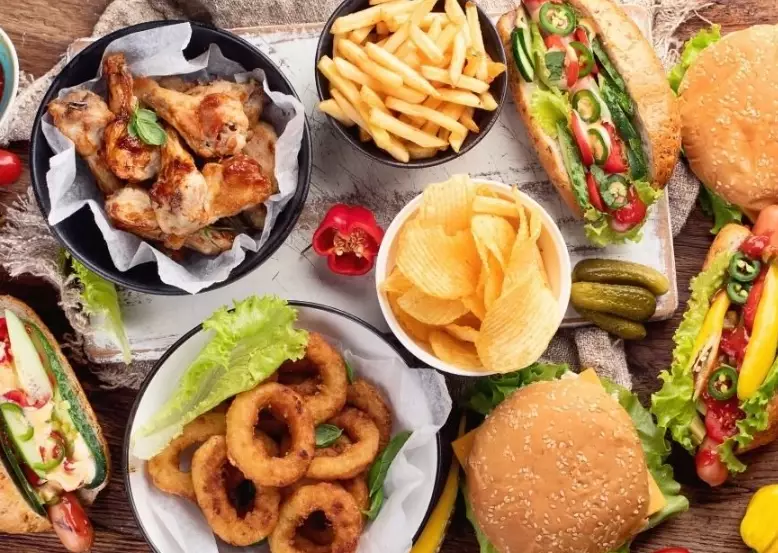
Answering Your Burning Questions
Is American food just unhealthy fast food?
This is the biggest misconception. While the fast-food industry is massive and iconic, it represents a slice of the pie (pun intended). Home cooking in America is incredibly diverse, from Southern Sunday suppers to weeknight stir-fries. The farm-to-table and health-conscious movements are strong. Yes, there's a lot of processed food available, but there's also a thriving culture of farmers' markets, CSAs (Community Supported Agriculture), and home cooks focused on whole ingredients. It's a land of extremes.
What's a classic American breakfast?
Two paths: The classic diner breakfast is eggs (any style), crispy bacon or sausage links, hash browns or home fries, and toast or pancakes. The lighter, modern version might be avocado toast on artisanal bread, a yogurt parfait, or a smoothie bowl. And don't forget regional specialties like Biscuits and Sausage Gravy in the South or a Bagel with Lox and Cream Cheese in New York.
What should I try if I'm on a budget?
Street food and casual spots are your friend. A slice of New York pizza, a food truck taco, a hot dog from a street cart, a bowl of chili from a diner, or a sandwich from a local deli can all be fantastic and cost under $10. Also, many higher-end restaurants have great-value lunch menus or happy hour food specials.
What are some underrated American foods?
Meatloaf: When made well, it's juicy, savory comfort in a loaf pan, usually topped with a tangy ketchup glaze. Cornbread: Proper cornbread is slightly gritty, not too sweet (a point of contention between North and South), and perfect for sopping up chili or greens pot liquor. Reuben Sandwich: Corned beef, Swiss cheese, sauerkraut, and Russian dressing on grilled rye bread. A perfect balance of salty, tangy, creamy, and crunchy. Cobb Salad: Invented in Hollywood, it's a composed salad with rows of chicken, bacon, egg, avocado, tomato, blue cheese, and lettuce. More satisfying than it sounds.
Final Bites of Advice
Building your perfect American food list is a personal journey. Use this guide as a starting point, but be curious. Ask questions. Order the thing you can't pronounce. Accept that you might not love everything (I'm still not a fan of overly sweet sweet potato casserole with marshmallows on top—it's dessert pretending to be a vegetable).
The real joy is in the discovery. It's in the smoky haze of a roadside BBQ shack, the bustling chaos of a city diner at breakfast, the quiet satisfaction of a perfect slice of pie at a roadside stand. American food is generous, often unrefined, deeply historical, and constantly evolving. It's a direct reflection of the country itself.
So grab a fork (or just your hands) and dig in.
The table is bigger than you think.



Comments
Leave a Comment