In This Guide
Let's be honest, trying to pin down a definitive list of the top 10 American foods is a bit like trying to herd cats. America is huge, and its food is a wild, wonderful mash-up of immigrant traditions, regional quirks, and pure, unadulterated innovation. Ask someone in Maine, and they'll swear by a lobster roll. Someone in Texas? Don't even talk to them unless it's about brisket.
But that's the fun of it. After eating my way across more states than I care to admit (my waistline has the receipts), talking to chefs, and diving into food history, I've put together a list that I think captures the spirit of American eating. This isn't just about what's popular; it's about dishes that tell a story, that feel like home to millions, and that have genuinely shaped how America eats. So, if you're asking yourself "What are the top 10 American foods?"—whether you're a curious visitor planning a culinary road trip or a local looking to appreciate the classics—this guide is for you.
We're going beyond just names. We'll dig into the "why," the little secrets, the regional wars (because there are always wars), and how to spot a great version versus a mediocre one. Grab a fork, and let's dig in.
Almost nothing on this list was invented in a vacuum. The hamburger has German roots. Pizza is Italian. The taco is Mexican. American food's superpower is adaptation—taking an idea, wrapping it in the flag (sometimes literally), and making it its own through scale, ingredient swaps, or just sheer audacity. That process of becoming "American" is what we're celebrating here.
The Definitive List: America's Top 10 Food Icons
Alright, let's cut to the chase. Here’s the lineup, the heavy hitters, the dishes that would make up the Mount Rushmore of American cuisine (if it had ten faces). I've put them in a kind of order, but honestly, numbers 3 through 7 could be swapped on any given day depending on my mood.
| Rank | Food | Core Origin / Inspiration | The "American" Twist | Why It's a Top 10 American Food |
|---|---|---|---|---|
| Top 1 | The Hamburger | Hamburg, Germany (steak) | The soft bun, the assembly-line customization, fast-food empire. | The ultimate symbol of American fast, customizable, and democratic eating. |
| Top 2 | Apple Pie | England, various Europe | "As American as apple pie" – it became the national proverb. | It's the cultural icon, representing wholesomeness and tradition. |
| Top 3 | Barbecue Ribs (Pork or Beef) | Caribbean & Native American techniques | Regional sauce wars (KC, Texas, Carolina), low-and-slow as religion. | Embodies American regionalism and patient, craft-focused cooking. |
| Top 4 | Chocolate Chip Cookies | Accidental American invention | Ruth Wakefield's Toll House Inn creation. The default cookie. | The quintessential homemade treat, a taste of childhood nationwide. |
| Top 5 | Fried Chicken | Scottish & West African techniques | Southern buttermilk brine, mass popularity via fast-food chains. | Perfects comfort food: crunchy, juicy, savory, and deeply satisfying. |
| Top 6 | Macaroni and Cheese | England (macaroni pudding) | Kraft Dinner in a blue box, baked casserole with crispy top. | The ultimate creamy, cheesy comfort food, from boxed to gourmet. |
| Top 7 | New York-Style Pizza | Naples, Italy | Large, thin, foldable slices sold by the slice for on-the-go eating. | Adapted the Italian pie for the American urban pace and appetite. |
| Top 8 | The Hot Dog | German frankfurter/würstchen | The ballpark, the endless topping debates (Chicago vs. NYC vs. Seattle). | The essential portable, cheap, and festive American street food. |
| Top 9 | New England Clam Chowder | French/British chowder traditions | Creamy, briny, hearty. The "Boston" style. A regional star gone national. | Represents America's coastal bounty and simple, hearty cooking. |
| Top 10 | Brownies | Likely a failed cake experiment | Dense, fudgy, chocolate-first bars. The lunchbox and bake-sale king. | A pure, chocolate-centric indulgence that's easy to share (or not). |
See what I mean? It's a mix of meals, snacks, sweets, and sides. That's America on a plate—no single category can contain it. Now, let's get into the juicy details of each one.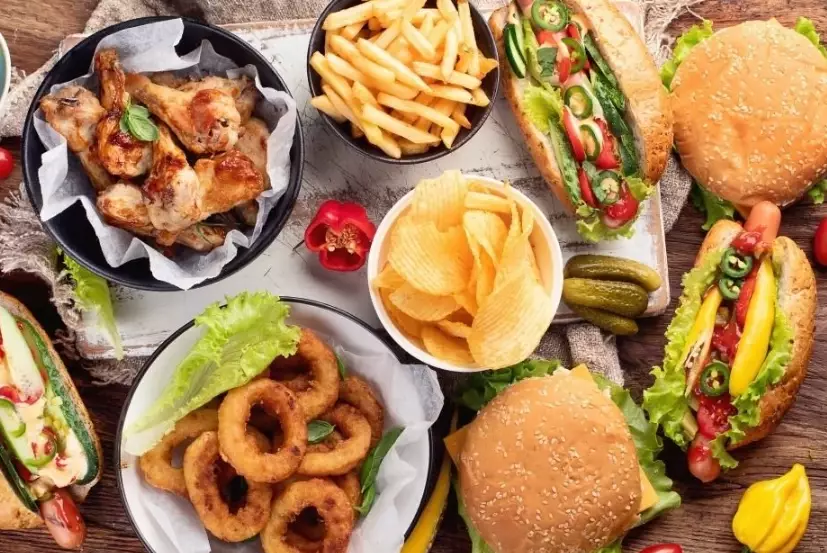
Top 1: The Hamburger
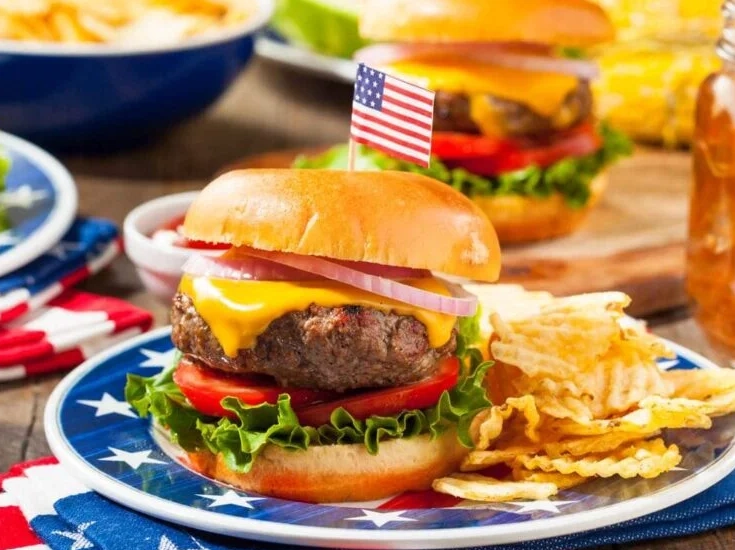
This one's non-negotiable. If there's a single food that answers the question "What are the top 10 American foods?" it's the burger. Its genius is in its simplicity and its infinite variability. From a basic backyard patty to a gourmet stack with truffle aioli and brioche, it scales to fit any occasion.
The history is murky, but the American evolution is clear: take a ground beef patty, put it on a soft, slightly sweet bun, and let the people add their own lettuce, tomato, onion, pickles, ketchup, mustard, mayo—the list is endless. The fast-food revolution (McDonald's, Burger King, etc.) globalized this model, making the burger a universal symbol of America.
Top 2: Apple Pie
This is the metaphor food. "As American as apple pie." The phrase says it all. Interestingly, the pie itself is far from American in origin. Early English settlers brought pie recipes, and apples weren't even native to North America.
So how did it become the symbol? It's the idea of the pie. It represents home, hearth, mother's cooking, and the harvest. The double-crusted, cinnamon-spiced, lattice-topped version we know today became a staple at community gatherings, holidays, and diners across the land. The Smithsonian has great articles on how food becomes cultural iconography, and apple pie is a prime example.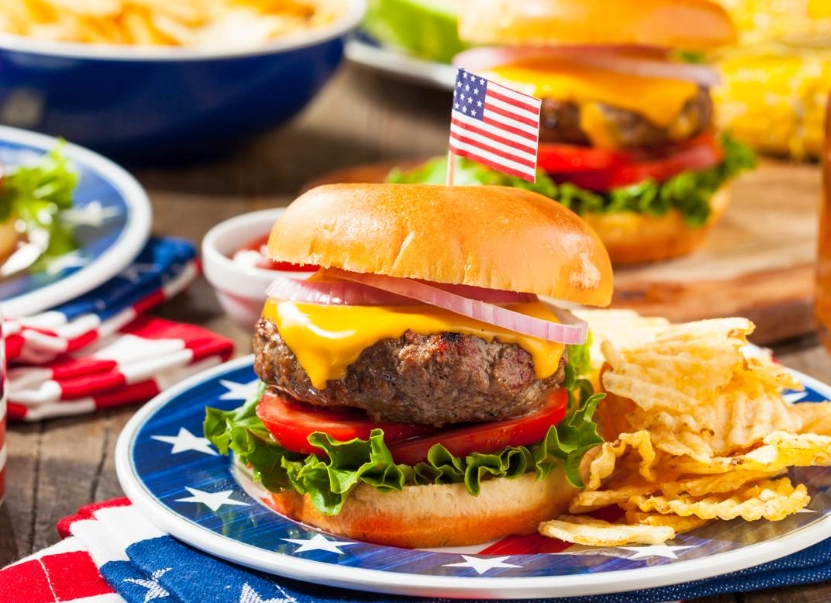
Top 3: Barbecue Ribs
Ah, barbecue. This is where Americans get religious and territorial. When we talk about American barbecue, we're not talking about grilling burgers in the backyard. We're talking about the low-and-slow smoking of tough cuts of meat—primarily pork ribs and beef brisket—over indirect heat from wood (hickory, oak, mesquite) for hours, sometimes a full day.
The regional styles are a key part of the story, and they're a direct answer to anyone wondering about the diversity within the top 10 American foods.
- Kansas City: Sweet, thick, tomato-based sauce. Ribs are typically pork.
- Texas: Beef is king (especially brisket). Sauce is often an afterthought—the focus is on the rub and smoke. Central Texas style is just salt and pepper.
- Carolina: Divided! Eastern Carolina uses a vinegar-pepper sauce on whole-hog pork. Western Carolina (Lexington style) adds a bit of ketchup to that vinegar base.
- Memphis: Famous for "dry" ribs, which are coated in a spice rub before and after cooking. "Wet" ribs get a tangy tomato-based sauce.
The USDA has guidelines on safe smoking temperatures, but true pitmasters work by feel and experience. The result? Meat so tender it falls off the bone (though some purists say it should have a slight tug), with a smoky flavor and a beautiful "bark" on the outside.
Top 4: Chocolate Chip Cookies
The only item on this list that is a truly accidental, documented American invention. In the 1930s, Ruth Wakefield, owner of the Toll House Inn in Massachusetts, ran out of baker's chocolate for her cookies. She chopped up a bar of Nestlé semi-sweet chocolate, expecting it to melt and create chocolate cookies. It didn't. The chips held their shape, and the chocolate chip cookie was born.
This story captures the American spirit of happy accidents and innovation. The cookie became a national standard because it's foolproof to make, universally loved, and endlessly debate-able. Chewy vs. crispy? More brown sugar vs. white sugar? Sea salt on top? Nuts or no nuts?
It's the first recipe many kids learn, and the smell of them baking is arguably the most comforting scent in the American kitchen. Nestlé even printed the Toll House recipe on their bags, which the Federal Trade Commission might have thoughts on today, but it cemented the cookie's place in history.
Top 5: Fried Chicken
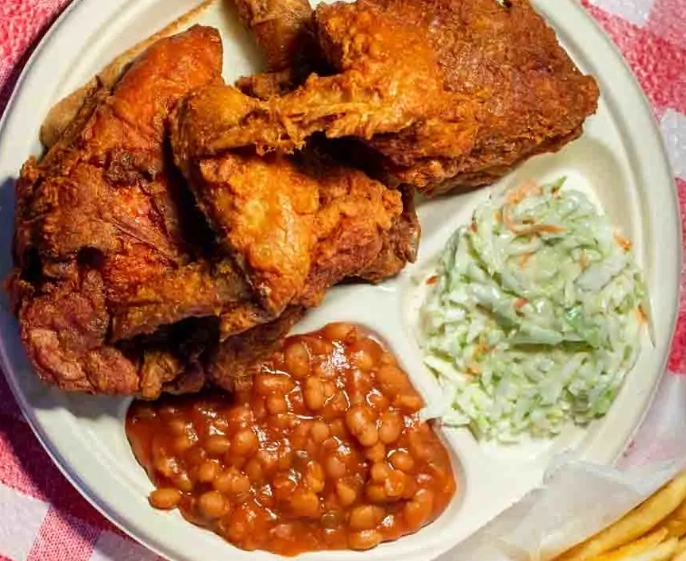
Another dish with a complex, blended history. Scottish immigrants had a tradition of frying chicken in fat, but without seasoning. Enslaved West Africans brought culinary techniques of seasoning and frying in deep oil. In the cruel irony of Southern history, these traditions merged in plantation kitchens, and African American cooks perfected the dish that would become a Southern icon.
The American genius was in the buttermilk brine. Soaking chicken in seasoned buttermilk (or a milk-egg mixture) tenderizes the meat and helps the flour coating adhere. The double-dredge (dipping in flour, then egg/milk, then flour again) creates that craggy, ultra-crispy crust that's the hallmark of great Southern fried chicken.
Colonel Harland Sanders and his Kentucky Fried Chicken franchise then took it national and global, standardizing a particular style (pressure-fried with a specific blend of 11 herbs and spices). Whether from a family reunion, a high-end restaurant, or a red-and-white bucket, fried chicken's combination of juicy interior and crunchy, savory exterior is unbeatable comfort.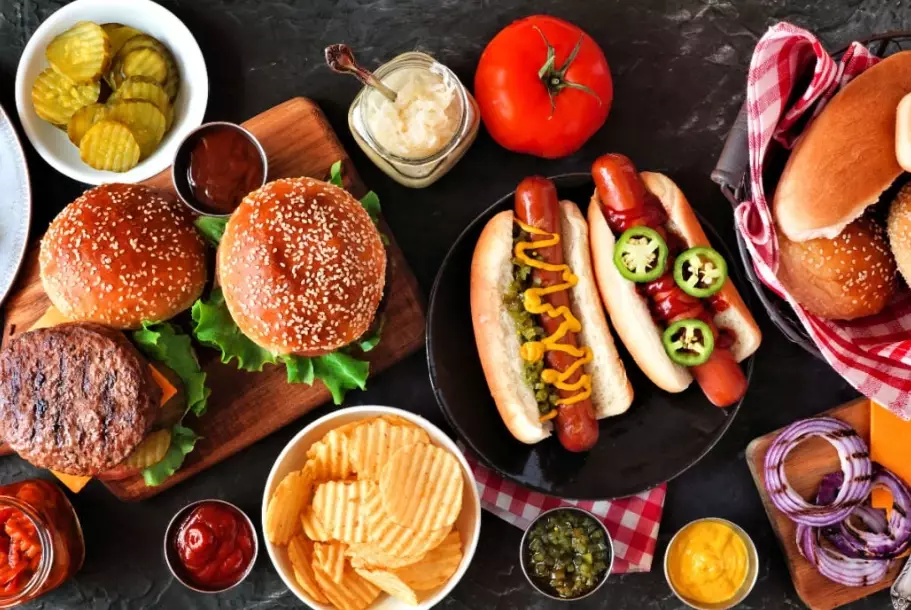
Top 6: Macaroni and Cheese
Thomas Jefferson gets a lot of credit for popularizing macaroni in America after encountering it in France and Italy. He even served a macaroni pie at a state dinner. But the creamy, cheese-based casserole we know today is a 20th-century home economics creation.
Its rise to the top 10 American foods pantheon is a two-track story. First, the homemade version: elbow macaroni in a rich cheese sauce (often a roux-based béchamel with cheddar), baked until bubbly with a buttery breadcrumb or extra-cheese topping. It's the star of potlucks and Thanksgiving tables.
Second, and just as important, is the blue box: Kraft Macaroni & Cheese, introduced in 1937 during the Great Depression. It was cheap, shelf-stable, easy for kids to make, and provided a creamy, cheesy taste without the work. For generations, it defined the dish. Today, it exists on a spectrum from that nostalgic powdered cheese to artisanal versions with gruyère and truffle.
It’s the ultimate in creamy, carb-y comfort.
Top 7: New York-Style Pizza
American pizza is a category with many entries (Chicago deep-dish, Detroit square, California gourmet), but if we're picking one to represent the nation in the top 10, it's the New York slice. Italian immigrants in early 1900s New York adapted Neapolitan pizza to local ingredients and a faster pace of life.
The hallmarks: a large, thin, hand-tossed crust that's foldable (crucial for eating while walking). It's cooked in a very hot deck oven, giving it a crisp yet pliable texture. The toppings are simple—high-quality crushed tomatoes, mozzarella, a sprinkle of dried oregano, and maybe some pepperoni. It's sold by the slice, making it the perfect cheap, quick, and satisfying meal for the masses. The grease stain on the paper plate is a badge of honor.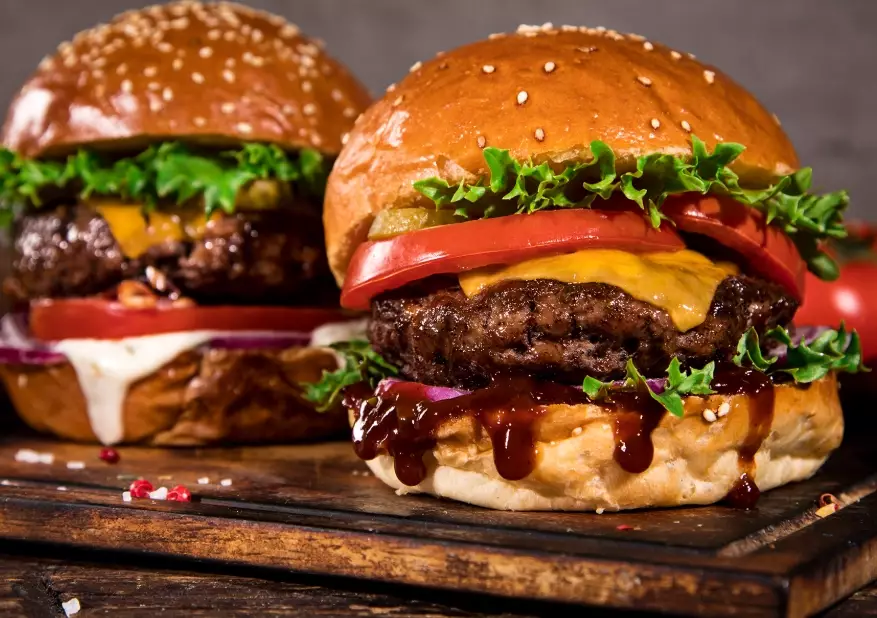
Top 8: The Hot Dog
The hot dog is the hamburger's simpler, more proletarian cousin. A steamed or grilled sausage (traditionally all-beef in many classic styles) in a soft, slightly split bun. Its power is in its context and customization.
It's the food of baseball games, backyard barbecues, and street carts. And the topping wars are fierce:
- New York Style: Steamed dog with mustard and sauerkraut or a simple onion sauce.
- Chicago Style: A veritable salad on a poppy seed bun: yellow mustard, neon green relish, chopped onions, tomato slices, a pickle spear, sport peppers, and a dash of celery salt. No ketchup! (They're serious about this).
- Sonoran Dog (Arizona): Bacon-wrapped, with pinto beans, onions, tomatoes, jalapeño sauce, and mayo.
It's cheap, portable, and satisfying. The National Hot Dog and Sausage Council (yes, it's a real thing affiliated with meat industry groups) even has etiquette rules. It's a staple of American casual eating.
Top 9: New England Clam Chowder
America has many chowders, but the creamy New England version is the one that broke out of its region to become a national standard. It represents the bounty of the Atlantic coast: clams (traditionally quahogs), potatoes, onions, and salt pork or bacon, all simmered in milk or cream.
The key is the balance—it should be briny from the clams, creamy but not gloppy, hearty from the potatoes, and have a subtle smokiness from the pork. It's thick, but you should still be able to see the distinct ingredients. The oyster cracker served on the side is non-negotiable for crumbling in.
It's a hug in a bowl, especially on a cold day.
Its rival, Manhattan Clam Chowder (which has a tomato base), is a point of contention. Many in New England consider it an abomination. This friendly rivalry is itself very American.
Top 10: Brownies
We end with a chocolate powerhouse. The origin story is fuzzy—likely a failed cake that wasn't leavened enough, resulting in a dense, fudgy bar. However it happened, America embraced it. The brownie is the ultimate lunchbox dessert, bake-sale fundraiser, and midnight snack.
The great debate: Fudgy vs. Cakey. Fudgy brownies are dense, moist, and intensely chocolatey, often using more butter and chocolate and less flour. Cakey brownies have a lighter, more aerated crumb, like a chocolate square cake. Most Americans have a strong preference. I'm firmly in the fudgy camp—if I wanted cake, I'd eat cake. A brownie should be rich and decadent.
Digging Deeper: FAQs About American Foods
- Local Diners & Dive Bars: For burgers, patty melts, and apple pie.
- Regional BBQ Shacks: Often in unassuming buildings with a line out the door. Follow the smell of smoke.
- Pizzerias with a Deck Oven: Look for places that sell by the slice in cities.
- Farmers' Markets & Bakeries: For real-deal pies, cookies, and brownies.
- Southern Cafés or "Meat-and-Threes": For fried chicken and mac and cheese.
The Final Bite
So, what are the top 10 American foods? They're more than just a list of things to eat. They're edible history lessons, points of regional pride, and a common language of comfort. They represent adaptation, innovation, and sometimes, glorious over-indulgence.
From the humble hot dog to the debated barbecue rib, these foods tell the story of a nation—its people, its resources, and its appetite. Trying them, understanding their variations, and even arguing about them is a delicious way to experience America.



Comments
Leave a Comment