Quick Navigation
You know, it's funny. Ask someone from another country to name American food, and you'll almost always get the same few answers. The big ones. The heavy hitters. But there's a whole story behind each of those plates, a story that's wrapped up in history, immigration, and a whole lot of regional pride. It's more than just a list; it's a culinary identity. When people wonder what foods are the USA most known for, they're often picturing a specific vibe—big, bold, comforting, and sometimes gloriously over-the-top. Let's dig into that.
I remember my first real American barbecue experience. It wasn't at some fancy place. It was a roadside shack in Texas, the air thick with smoke and the smell of roasting meat. That first bite of brisket, so tender it practically fell apart, with a crust of black pepper and smoke... it was a revelation. It tasted like patience and fire. That's the thing about these iconic foods. They're not just items on a menu. They're experiences.
Think of this as your map to America's edible soul. We're going beyond the clichés (though we'll definitely cover them) to look at the why and the how. Where did these dishes come from? How have they changed from state to state? And where can you find the real deal?
The Undisputed Heavyweights: America's Global Food Ambassadors
These are the foods that have crossed oceans and become symbols. You see them in movies, you hear about them in songs. If the USA had a culinary flag, these would be on it.
The Hamburger: More Than Just a Patty in a Bun
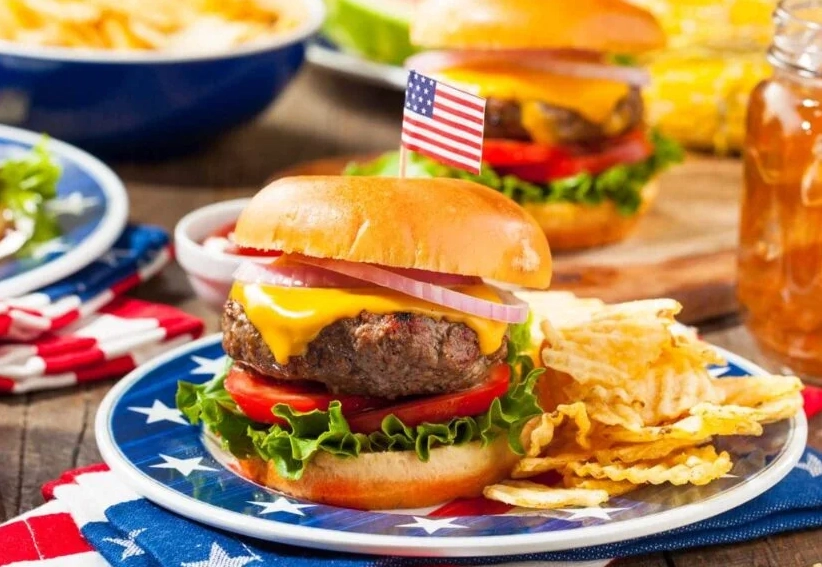
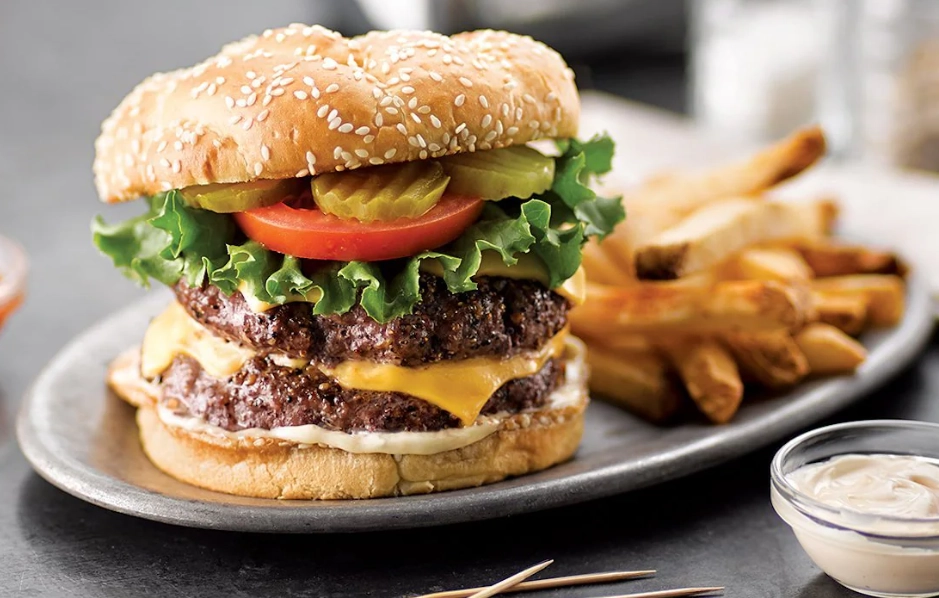
Let's start with the king. Arguably the number one answer to what foods are the USA most known for. Its origins are murky (sorry, I'm not jumping into the "who invented it" debate—that's a rabbit hole), but its impact is crystal clear. The genius of the hamburger is its simplicity and its infinite customizability.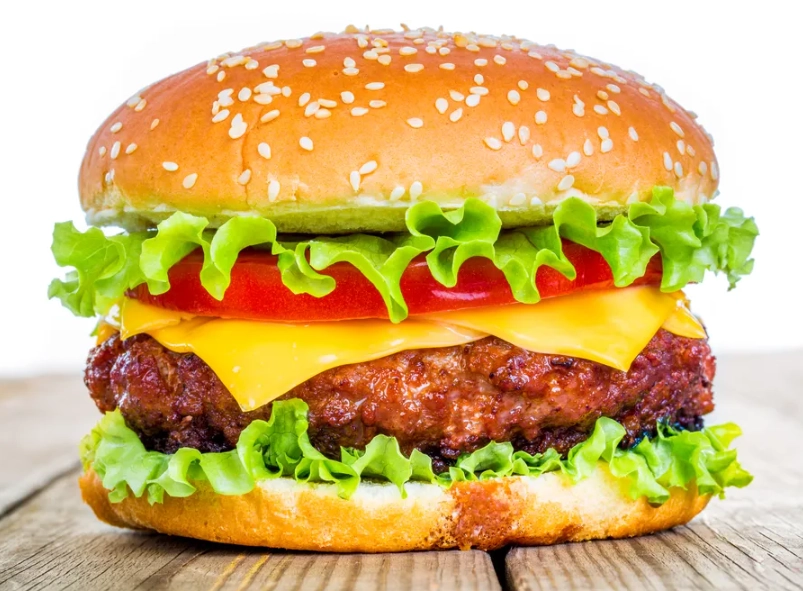
You've got your classic diner burger with lettuce, tomato, onion, pickles, ketchup, and mustard. Then you've got the gourmet revolution—wagyu beef, brioche buns, truffle aioli, fried eggs on top. There's a burger for every budget and mood. The beauty is in the balance: the juicy, savory meat, the soft bread, the crunch from fresh veggies, and the tang from condiments. A perfect bite.
My personal take? The best burger I ever had was from a no-name joint in California. It wasn't fancy. It was just perfectly cooked, with melty cheese and a sauce that had a hint of smokiness. Sometimes simple, done right, beats all the fancy stuff.
It's worth noting how central beef is to this story. According to data from the U.S. Department of Agriculture, the country maintains one of the world's largest beef productions, which fundamentally supports this iconic food culture. The Smithsonian Institution even has articles exploring the hamburger's journey as a cultural artifact, not just a meal.
American Barbecue: A Religion with Regional Sects
If the hamburger is the king, barbecue is the complex, fascinating, and deeply divided royal family. Calling it just "BBQ" is like calling wine just "grape juice." It misses the point entirely. When you ask about foods the USA is known for, you have to break barbecue down by region, or you're doing it a disservice.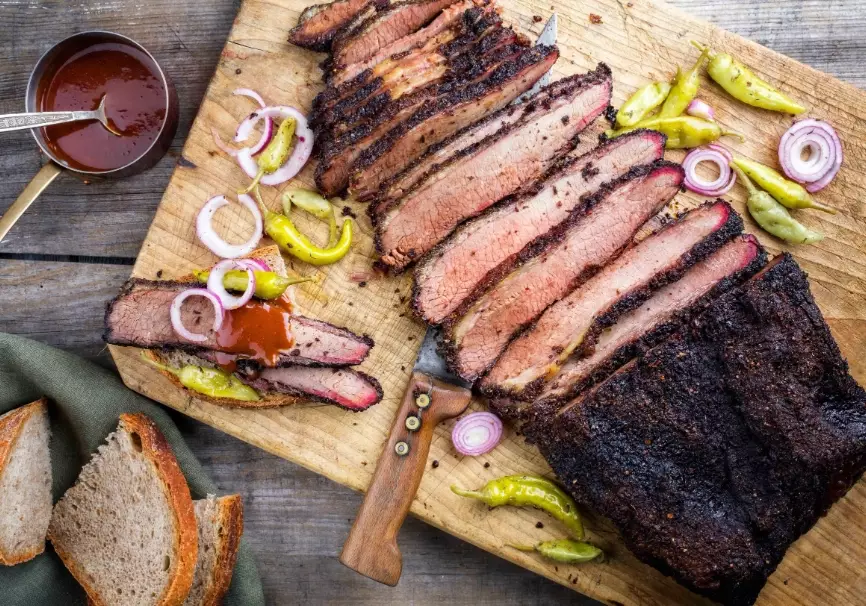
This isn't just grilling hot dogs in the backyard (though that's fun too). This is low-and-slow cooking, often for half a day or more, over indirect heat and specific woods. The result is meat so tender it doesn't need teeth.
| Region | Signature Meat | Style/Sauce | Wood Commonly Used |
|---|---|---|---|
| Texas | Beef Brisket | Salt & Pepper Rub ("Dalmatian Rub"), Tomato-based sauce sometimes served on the side | Post Oak, Mesquite |
| Kansas City | Burnt Ends, Ribs | Sweet, thick, and tangy tomato-molasses sauce | Hickory |
| Memphis | Pork Ribs | "Wet" (sauced) or "Dry" (rubbed with spices) | Hickory |
| Carolinas | Pulled Pork | Vinegar-based sauce (Pepper in NC, Mustard in SC) | Hickory, Oak |
The rivalry is real. A Texan might scoff at a Carolina vinegar sauce, while someone from Memphis might think putting sauce on brisket is a crime. That's the fun of it. It's a food that sparks passion and debate. You don't just eat barbecue; you pledge allegiance to a style.
Hot Dogs & Ballpark Classics
Linked directly to summer, baseball, and backyard parties. The all-beef frankfurter in a soft bun is a canvas for regional creativity too. The New York style with steamed onions and deli mustard. The Chicago dog, a riot of color with yellow mustard, neon green relish, tomatoes, a pickle spear, sport peppers, and celery salt on a poppy seed bun (no ketchup!). The Sonoran dog from the Southwest, wrapped in bacon and loaded with beans and salsa.
It's cheap, portable, and satisfying. It tastes like nostalgia.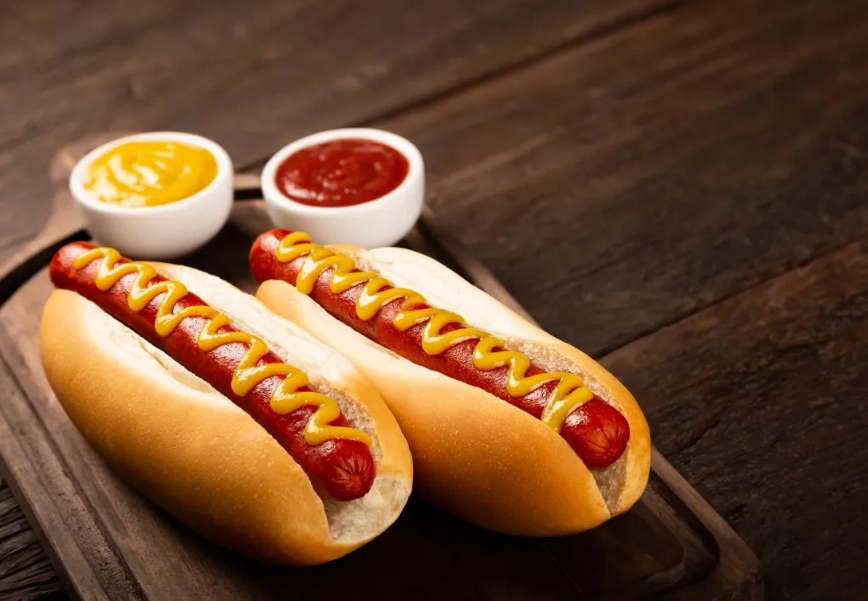
The Sweet Side of America: Pies, Doughnuts, and Breakfast Icons
America has a serious sweet tooth, and its desserts are just as iconic as its mains. They tend to be homey, generous, and unapologetically indulgent.
Apple Pie: The Symbol
"As American as apple pie." That phrase says it all. But here's the twist: the concept of apple pie isn't American. It came over with European settlers. What *is* American is the way it was embraced as a national symbol of warmth, home, and prosperity. The image of a pie cooling on a windowsill is a powerful piece of Americana.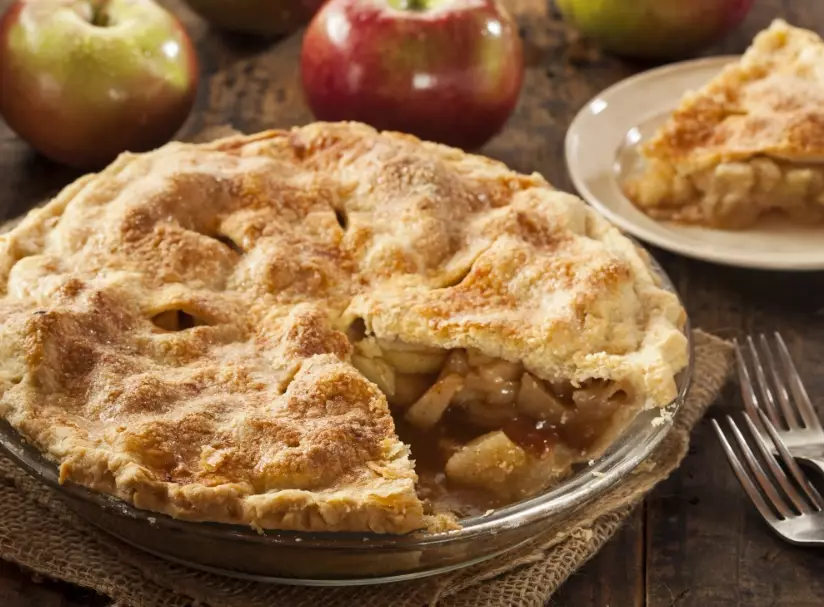
A good apple pie is about texture contrast: the flaky, buttery crust (lard makes it extra flaky, by the way) and the soft, spiced apple filling that holds its shape without being mushy. Cinnamon is non-negotiable for most people. Serve it warm with a scoop of vanilla ice cream ("à la mode") and you've got perfection.
Organizations like the American Pie Council (yes, it's a real thing) champion this dessert, and the National Apple Pie Association has resources on its history and variations, showing just how deeply it's baked into the culture.
Is there anything more comforting than the smell of apple pie baking in the oven? It's the smell of autumn, of family gatherings, of simple happiness. It’s no wonder it tops so many lists of foods the USA is known for.
The Doughnut: Fried Dough Perfection
From the simple glazed ring to the artisanal creations piled high with toppings, the doughnut is a beloved treat. The classic yeast-raised glazed doughnut, like the ones from chains like Krispy Kreme when the "Hot Now" sign is on, is a thing of beauty—light, airy, and just sweet enough.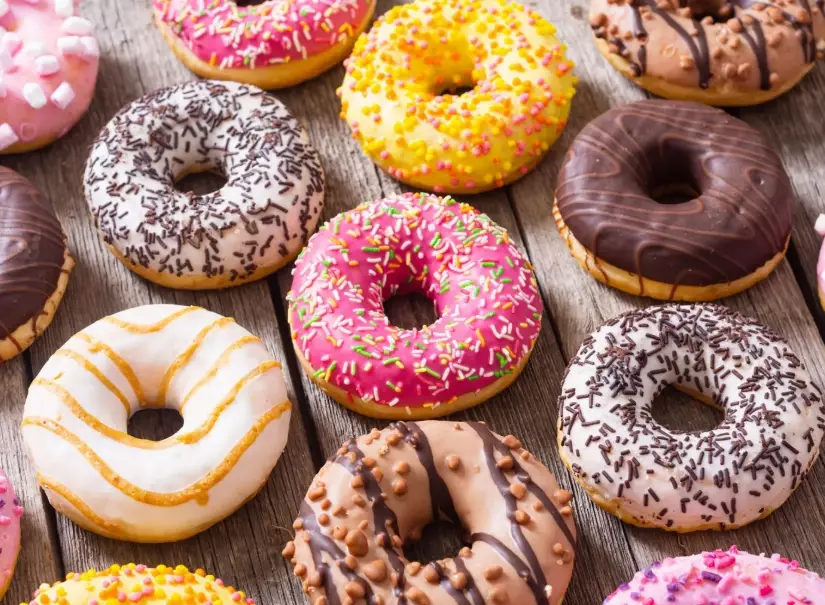
Then you have cake doughnuts, denser and often coated in cinnamon sugar. And let's not forget regional specialties: the jelly-filled, the Boston cream, the maple bar. In recent years, there's been a wild trend of gourmet doughnuts loaded with bacon, cereal, cookies, and more. Personally, I think some of those go too far. Sometimes you just want a good, classic chocolate glaze.
It's a food that fuels morning commutes and satisfies late-night cravings.
Pancakes, Waffles, and French Toast: The Breakfast Trinity
The American breakfast is a legendary meal, and these three form its holy foundation. Fluffy buttermilk pancakes stacked high, dripping with maple syrup and melting butter. Crispy Belgian waffles with deep pockets to hold syrup and berries. Thick slices of bread, soaked in egg custard and griddled to golden-brown, known as French toast (or "eggy bread" elsewhere).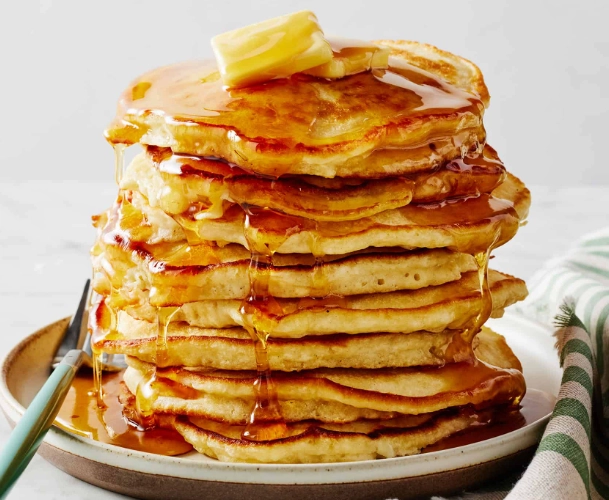
They're weekend treats, diner staples, and the centerpiece of hearty brunches. The key is quality maple syrup—the real stuff, not the flavored corn syrup. The difference is night and day.
Melting Pot Specialties: Foods That Found a Home and Evolved
This is a crucial chapter in answering what foods are the USA most known for. Many dishes weren't born here but were transformed by the people who brought them, adapting to new ingredients and tastes until they became something uniquely American.
Pizza (New York & Chicago Styles)
Italian immigrants brought pizza to America. What happened next was a beautiful evolution. In New York City, it became the large, thin, foldable slice you eat on the go. The crust has a slight chew, the sauce is tangy, and the cheese is a perfect layer of low-moisture mozzarella. It's utilitarian and delicious.
Then Chicago looked at that and said, "Let's go the opposite way." Deep-dish pizza is more of a pie: a thick, buttery crust that lines a deep pan, followed by cheese, toppings, and a chunky tomato sauce on top. It's a knife-and-fork affair, rich and heavy. The debate over which is better will never end, and that's okay. Both are valid, both are iconic.
Tex-Mex: A Border-Born Fusion
This is the Americanized version of Northern Mexican cuisine. Think sizzling fajita platters, cheesy nachos, crunchy tacos in a U-shaped shell (invented in the U.S.), chili con carne, and massive burritos the size of your forearm. It's bold, cheesy, meaty, and often involves a lot of cumin and chili powder.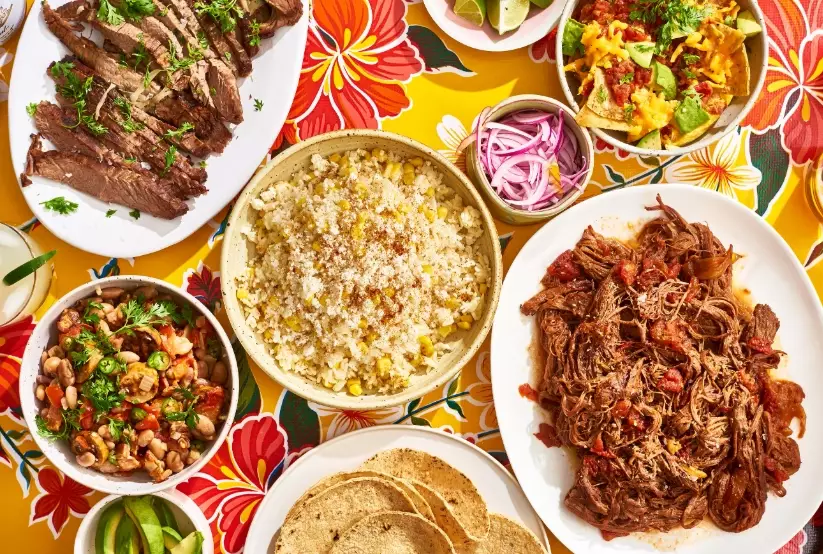
It's different from authentic Mexican food, and that's the point. It's its own category, born in Texas and the Southwest. A plate of cheesy enchiladas with rice and beans is pure comfort food for millions of Americans.
The Reuben Sandwich
A perfect example of the melting pot. Corned beef (Irish/Jewish), Swiss cheese, sauerkraut (German), and Russian dressing, all grilled on rye bread. It's salty, tangy, creamy, and crunchy all at once. Whether it was invented in New York or Nebraska is disputed, but its status as a classic deli sandwich is not.
This is what makes the question of famous USA foods so interesting. It's not a static list of ancient recipes. It's a living, breathing record of who came to the country and what they created with the ingredients and influences they found here.
Quick Bites & Snacks: The Everyday Icons
Not every iconic food is a full meal. Some are the snacks and treats woven into daily life.
- Peanut Butter & Jelly Sandwich: The ultimate childhood lunch. Creamy or crunchy peanut butter paired with grape or strawberry jelly on soft white bread. It's sweet, salty, and sticky in the best way.
- Macaroni and Cheese: The blue box of Kraft Dinner is a cultural touchstone. The homemade baked version with a crispy breadcrumb topping is a beloved side dish, especially at holidays like Thanksgiving.
- Buffalo Wings: Born in Buffalo, New York. Deep-fried chicken wings coated in a vinegary, cayenne-pepper-based hot sauce and served with celery sticks and blue cheese dressing. They're messy, spicy, and perfect for sharing (or not).
- Chocolate Chip Cookies: The quintessential American cookie. Chewy or crispy, loaded with chocolate chips. The smell alone can sell a house.
Digging Deeper: Your Questions Answered
Is American food just fast food?
This is the biggest misconception. While fast food giants like McDonald's, KFC, and Taco Bell are undeniably American exports and part of the culinary landscape, they are just one facet. They represent convenience and consistency. The iconic foods we've discussed—proper barbecue, a great burger from a local joint, a slice of New York pizza, a piece of homemade pie—are a world away from mass-produced fast food. They're often made with care, with regional variations, and in settings that are deeply connected to community. So no, American food is not *just* fast food. That's like saying Italian food is just frozen pizza.
Why are the portions so big?
It's a fair observation. Portions in the U.S. are generally larger than in many other parts of the world. Historians link it to a few things: post-World War II prosperity and the idea of abundance, the value-for-money mentality ("more is better"), and the agricultural capacity to produce a lot of food. It's also led to the culture of doggie bags and taking leftovers home, which is perfectly normal. It can be overwhelming for visitors. My advice? Share a dish, or just accept that you might not finish it. There's no shame in that.
What about regional foods that aren't as famous worldwide?
Absolutely. The list of foods the USA is most known for internationally is just the tip of the iceberg. Travel within the country and you'll find incredible regional specialties that are icons in their own right. A quick list:
- New England: Clam Chowder (the creamy "New England" style), Lobster Rolls.
- Louisiana (Cajun & Creole): Gumbo, Jambalaya, Beignets, Po'boy sandwiches.
- Pacific Northwest: Fresh Salmon (especially smoked or grilled), Dungeness Crab.
- Midwest: Hotdish (a casserole, often with tater tots), Cheese Curds (especially in Wisconsin).
- Southwest: Green Chile Stew, Navajo Fry Bread.
These might not be the first things a person in Tokyo or Paris thinks of, but they are pillars of American regional cuisine and absolutely deserve recognition.
How has American food changed recently?
There's been a huge shift in the last 20-30 years. The "foodie" culture, the farm-to-table movement, the celebration of chef-driven restaurants, and a massive focus on quality and sourcing. Artisanal everything—bread, cheese, pickles, coffee. There's also a much greater appreciation for authentic international cuisines and vegetarian/vegan options. The classic foods are still there, but now they often exist alongside, and are influenced by, a more globally-aware and quality-conscious food scene. You can get a phenomenal, locally-sourced, grass-fed burger in many cities now. It's the old icon, made new.
So, what's the final take? When you ask what foods are the USA most known for, you're asking about a story. It's a story of immigrants and innovation, of regional pride and national symbols, of comfort and excess. It's hamburgers and barbecue, apple pie and doughnuts, pizza and tacos that became something new.
It's not a monolith. It's a delicious, complicated, and ever-changing mosaic. The best way to understand it is to taste it—one iconic, messy, satisfying bite at a time.

Comments
Leave a Comment