Quick Navigation
Let's be honest. When you hear "American food culture," what pops into your head first? Is it a giant, juicy burger with a side of crispy fries? A box of donuts? A sizzling steak? Maybe it's the golden arches of McDonald's. That's the image, right? The global export. But if you think that's all there is, you're missing the whole story—and it's a fascinating one.
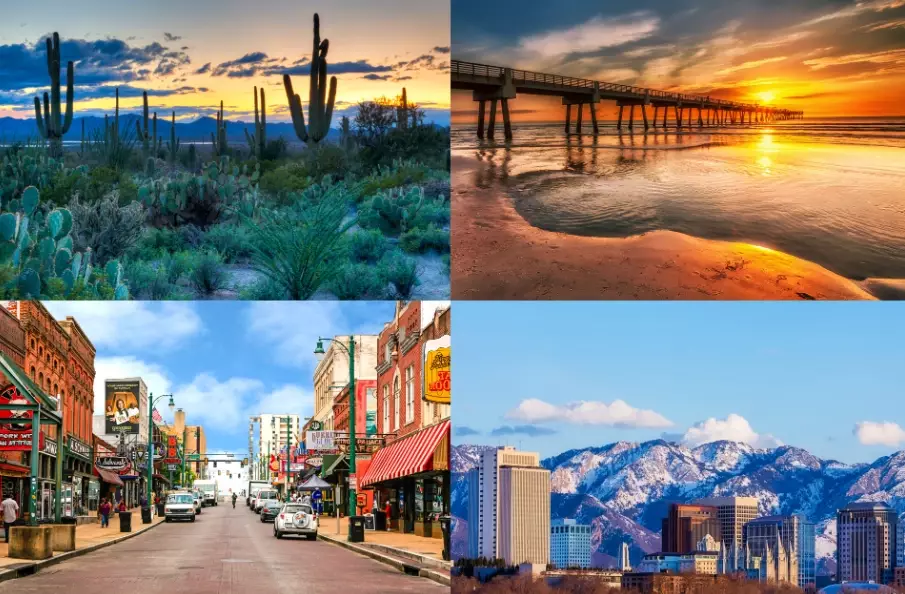
American food culture is this messy, wonderful, contradictory, and incredibly diverse tapestry. It's not a single cuisine. It's a conversation. A conversation that started thousands of years ago with the Indigenous peoples, got interrupted and violently reshaped by European colonists, was forced to include the culinary traditions of enslaved Africans, and then, over the last two centuries, has been constantly refreshed and reinvented by wave after wave of immigrants from every corner of the globe. Trying to pin it down to one thing is like trying to describe the weather for the entire country. In Miami, it's a Cuban sandwich on a hot afternoon. In Maine, it's a lobster roll by a chilly pier. In New Mexico, it's a plate of green chile stew that makes you sweat. They're all American.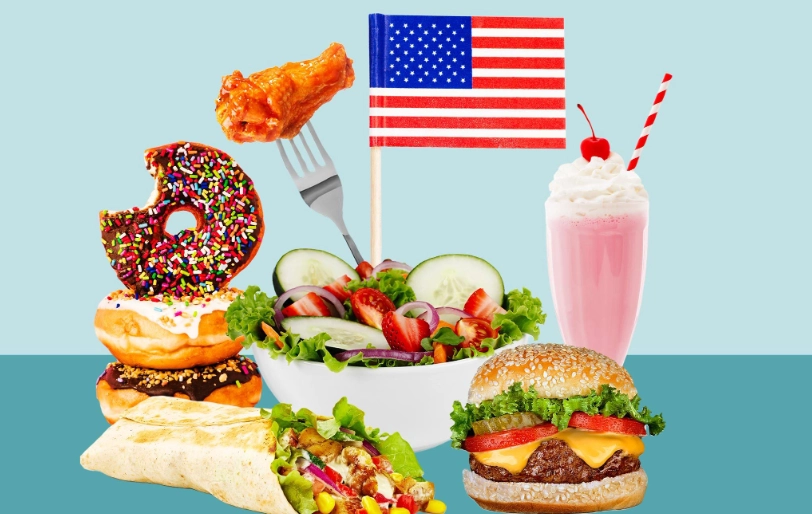
I remember moving from the Midwest to the Southwest years ago. Back home, "chili" was a thick, bean-heavy ground beef stew, mildly spiced, served with crackers. My first encounter with a Texas-style chili—no beans, just chunks of beef simmered for hours in a rich, dark sauce built from dried chiles—was a revelation. It was spicy, complex, and completely different. Yet both dishes fiercely claim the title of "American chili." That's the culture in a nutshell: regional pride, fierce debates, and endless variation.
The Pillars of American Food Culture: More Than Just a Meal
To understand this culture, you have to look at its foundational pillars. It's not just about what's on the plate, but how it got there, why we eat it, and what it means to us.
The Immigrant Engine: The Constant Remix
This is the single most important force. American food culture is an ongoing potluck. Italian immigrants, facing different ingredients (like abundant tomatoes and wheat flour instead of polenta), created a new style of pizza and heavy, meaty pasta dishes that would be almost unrecognizable in Naples. Chinese immigrants on the West Coast, catering to both fellow immigrants and adventurous locals, developed dishes like Chop Suey and General Tso's Chicken—creations that are staples of American Chinese takeout but are barely known in China. The story repeats with Mexican food evolving into Tex-Mex, with its yellow cheese and hard-shell tacos. Each group arrives, adapts its traditions to available ingredients and local tastes, and in doing so, adds a new, distinctly American layer to the food landscape. The U.S. Department of Agriculture has documented how immigration patterns directly influence agricultural production and food sales, showing the tangible economic impact of this culinary blending.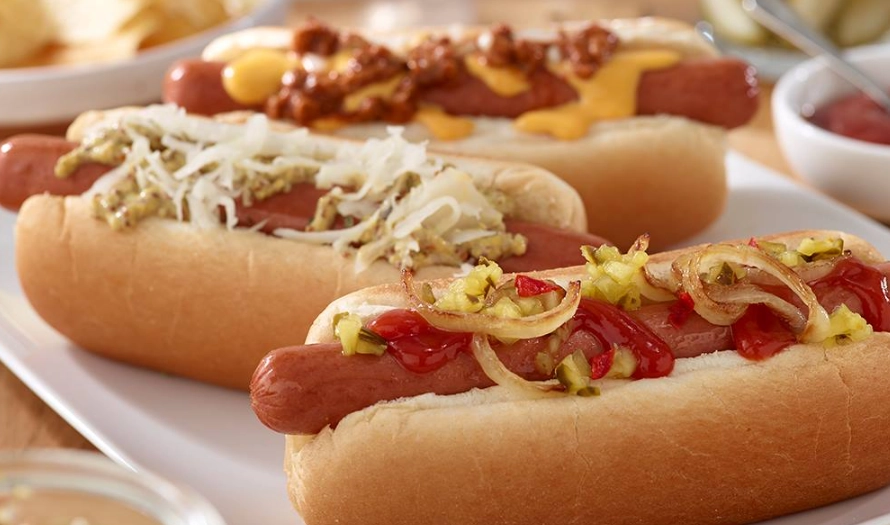
Regional Identity on a Plate
Before national chains, America was a collection of distinct regional food zones, shaped by geography, climate, and who settled there. This is where American food culture shows its deepest roots.
- The South: This is the heart of comfort and complexity. It's the cuisine born from the tragic fusion of West African knowledge, Native American ingredients (corn, beans, squash), and European techniques. Think smoky barbecue (whole-hog in North Carolina, beef brisket in Texas), fried chicken, grits, collard greens stewed with ham hocks, and rich gumbos. It's food that takes time, built around community and gathering.
- New England: Defined by the sea and the cold. Clam chowder (the creamy, not tomato-based, kind thank you very much), lobster rolls, baked beans, and boiled dinners. It's hearty, simple, and makes brilliant use of preservation techniques like salting and pickling.
- The Midwest: The "heartland" cuisine is all about abundance, preservation, and practicality. It's casseroles ("hotdish" in Minnesota), Jell-O salads, pot roasts, and anything you can put on a stick and deep-fry at a state fair. There's a humility to it, but also incredible ingenuity in making hearty meals from staple crops like corn and wheat.
- The Southwest: A living fusion of Native American and Mexican (specifically Norteño) cuisines. It's all about corn, beans, squash (the "Three Sisters"), and chiles—used fresh, dried, and smoked. Dishes like posole, tamales, and flour tortillas are centuries old here.
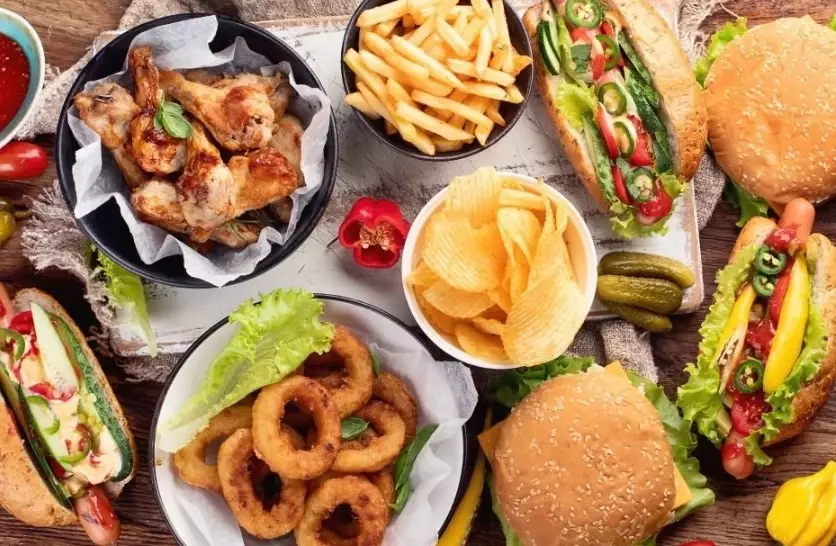
Here’s a quick look at how some iconic dishes tell the story of their region:
| Regional Dish | Core Ingredients & Method | What It Tells Us About the Region's Culture |
|---|---|---|
| New England Clam Chowder | Clams, potatoes, salt pork, milk/cream, onions. | Utilizes abundant seafood and dairy. Cream-based for warmth in cold climates. Reflects English culinary roots adapted to local ingredients. |
| Southern Gumbo | Roux (fat & flour), okra or filé powder, the "Holy Trinity" (onion, celery, bell pepper), seafood/sausage/poultry. | A direct descendant of West African stews. The roux technique is French, the okra is African, the filé is from Native Americans. It's a literal melting pot in a bowl. |
| Tex-Mex Chili con Carne | Beef (chunks or ground), dried chili peppers (ancho, guajillo), spices, no beans. | Showcases cattle-ranching culture of Texas. Emphasis on beef and direct, smoky heat from dried chiles distinguishes it from other chili styles. |
| Midwestern Tater Tot Hotdish | Ground beef, canned cream soup, frozen vegetables, tater tots. | Epitomizes mid-20th century convenience, frugality, and feeding a crowd. Uses processed, shelf-stable ingredients common in post-war America. |
The Fast Food Revolution & Its Legacy
We can't talk about modern American food culture without addressing the elephant in the room: fast food. Post-World War II, with car culture booming, suburban sprawl, and a desire for consistency and speed, the fast-food model exploded. McDonald's, Burger King, Wendy's, KFC—they didn't just sell burgers and chicken; they sold a system. Standardization, efficiency, and predictability.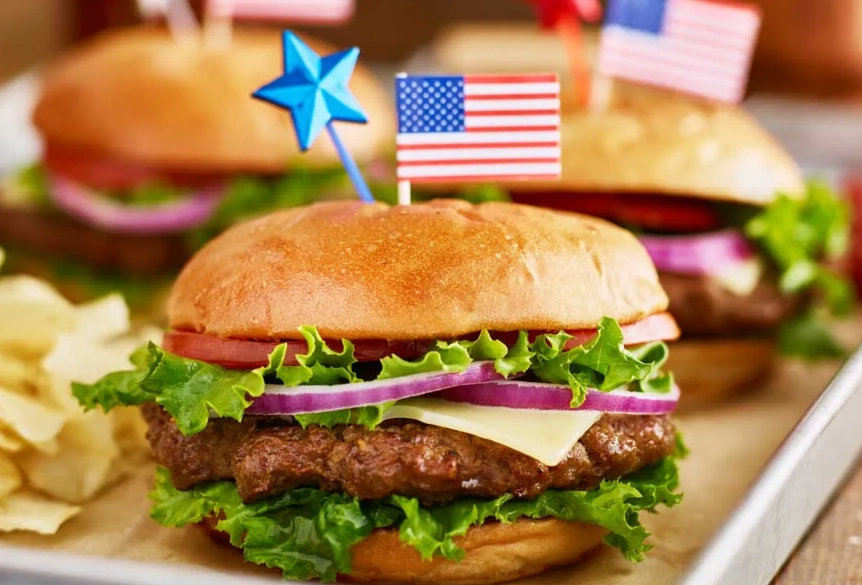
Its impact is massive and double-edged. On one hand, it made certain foods (the burger, the milkshake, fried chicken) national and then global icons. It created a culture of convenience that is now deeply ingrained. On the other hand, it's rightly criticized for contributing to health issues, environmental problems, and homogenizing tastes. But even this is being challenged. The rise of "fast-casual" chains like Chipotle (which ironically adapts the fast-food model to more "authentic" ingredients) shows the culture's constant push-pull between convenience and quality.
The Modern American Table: Trends Shaping Today's Food Culture
American food culture isn't stuck in the past. It's vibrantly, sometimes chaotically, evolving. Here’s what’s cooking right now:
The Farm-to-Table & Artisanal Movement: This is a direct reaction to the industrialization of food. It's a return to local sourcing, seasonal eating, and celebrating small producers. Farmers' markets have exploded. People want to know who grew their lettuce or raised their pork. Chefs have become rock stars by building menus around hyper-local ingredients. It's a conscious effort to reconnect food with place, something that was almost lost.
Health-Conscious & Dietary-Focused Eating: From keto and paleo to veganism and gluten-free, Americans are more focused than ever on how food affects their bodies. This isn't just dieting; it's a cultural shift towards viewing food as fuel and medicine. The supermarket aisles are now dominated by alternatives—almond milk, plant-based burgers that actually bleed, cauliflower everything. Sometimes it feels a bit extreme, but the demand for healthier, more transparent options is permanently changing the food industry.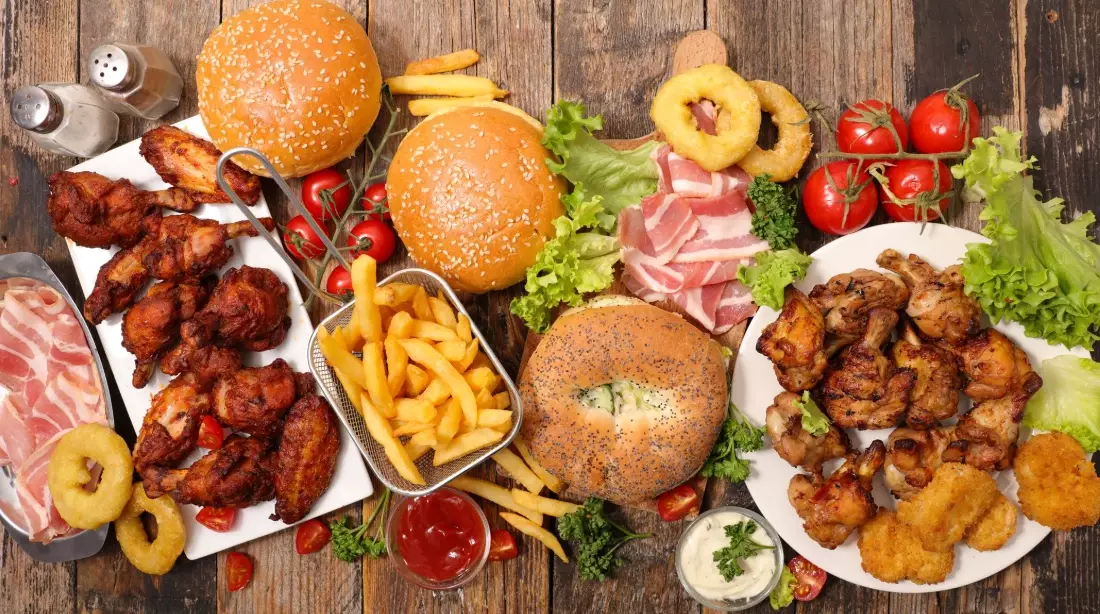
The Ultimate Fusion & The Rise of "Third Culture" Cuisine: We're past the era of "Asian fusion" as a novelty. Now, chefs who are second or third-generation immigrants are creating food that truly reflects their own experience. It's not just Korean tacos. It's a dish that uses gochujang in a way that feels authentic to Korean flavors but is applied to an ingredient or in a context that is purely of the chef's own American experience. This is where American food culture gets really exciting—it's creating entirely new culinary languages.
Food Media & The DIY Chef: The Food Network, cooking blogs, YouTube channels, and Instagram have turned everyone into a potential food critic and home chef. Recipes from across the globe are a click away. This has dramatically increased food literacy and adventure, but also created pressure for picture-perfect meals. Shows like PBS's "The Mind of a Chef" or publications like Bon Appétit have delved deep into the stories behind the food, influencing how a generation thinks about cooking and eating.
Common Myths & Questions About American Food Culture
Myth: American food culture is just burgers, hot dogs, and junk food.
This is the biggest misconception. While those are iconic (and popular for a reason), they represent a tiny, commercialized slice. The real culture is in the incredible regional diversity, immigrant traditions, and home cooking. It's the low-country boil in South Carolina, the deep-dish pizza in Chicago, the cioppino in San Francisco, the pastrami on rye in New York.
Question: Is there such a thing as "authentic" American food?
This is a tricky one. If by "authentic" you mean unchanged for centuries, then very little. American food is defined by adaptation and change. The "authenticity" lies in its story of fusion and innovation. A properly smoked Texas brisket, following generations of pitmaster knowledge, is as authentically American as it gets. So is a slice of New York cheesecake. Their authenticity comes from their specific place in the American story, not from ancient, unchanging recipes.
Myth: Portions are always huge and everything is overly sweet or salty.
There's some truth to the stereotype, especially in chain restaurants where value is equated with volume. But it's not universal. Fine dining, modern farm-to-table restaurants, and many home-cooked meals focus on balance and quality over sheer size. The sweetness thing often surprises visitors—bread, salad dressing, and even pasta sauce can be sweeter than expected, a taste preference that historians like those at the Smithsonian's National Museum of American History have linked to early American agriculture and food production. But awareness of sugar content is higher than ever, and many are actively seeking less sweet options.
Question: How do holidays reflect American food culture?
They're the ultimate showcase. Thanksgiving is the purest national food holiday—a menu (turkey, stuffing, cranberry sauce, pumpkin pie) that millions share, regardless of background, creating a shared culinary experience. Fourth of July is all about grilling (burgers, hot dogs, ribs). Super Bowl Sunday is about snack foods and wings. These rituals center community and family around very specific, expected foods, reinforcing their place in the culture.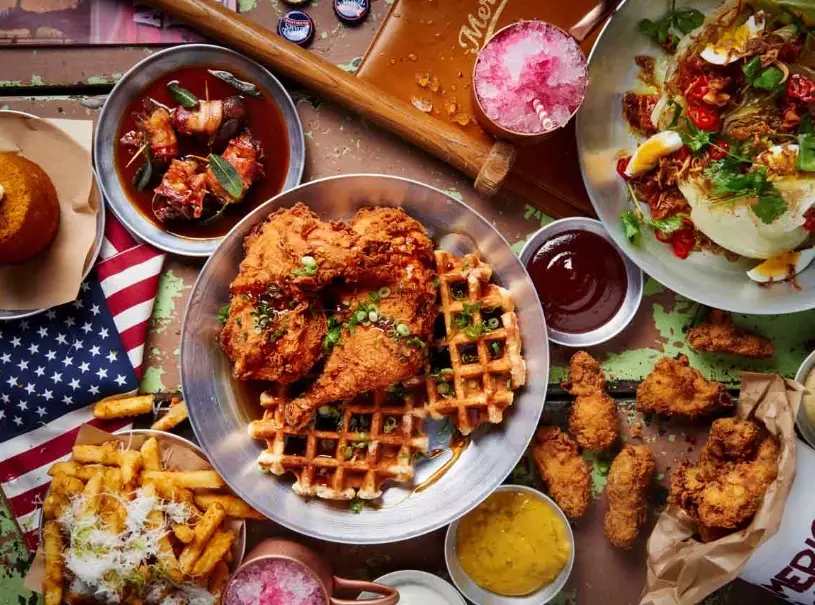
Experiencing American Food Culture: A Practical Guide
If you want to taste the real deal, skip the tourist traps on the main strip. Here’s what to do instead:
- Follow the locals to a diner. Not a fancy brunch spot. A classic, maybe slightly run-down diner. Order the special. You'll get honest, hearty, no-frills food that has sustained people for decades. Try the meatloaf, the club sandwich, or a slice of pie.
- Find the ethnic enclaves. Go to a Vietnamese pho shop in Orange County's Little Saigon. Get dim sum in a Chinatown. Eat Polish pierogi in Chicago. Order a pastrami sandwich at a classic Jewish deli. This is where immigrant traditions are kept vibrant.
- Embrace the regional specialty, even if it sounds weird. Have a Philly cheesesteak (with Cheez Whiz, don't fight it). Try Nashville hot chicken. Sample a lobster roll in Maine (cold with mayo, not butter!). Eat a green chile cheeseburger in New Mexico. Each bite is a lesson in local pride.
- Go to a farmers' market. See what's growing locally. Talk to the farmers. This is the heartbeat of the modern food movement.
The Bottom Line
American food culture is a living, breathing, and sometimes argumentative entity. It's not a museum piece. It's a story of collision, adaptation, innovation, and, ultimately, community. It's the high-end tasting menu and the backyard barbecue. It's the taco truck and the Thanksgiving turkey. It can be criticized for its excesses and corporate influence, but its saving grace is its incredible capacity for absorption and change. To understand America, you have to pay attention to what's on its plate—the history, the arguments, and the pure joy found in a great meal shared with others. That's the true essence of American food culture.
It's always evolving. What will the next chapter be? Maybe it's lab-grown meat becoming mainstream. Maybe it's a deeper reckoning with the Indigenous foods we've overlooked. Whatever it is, it will be messy, debated, and delicious. And that's exactly how it should be.



Comments
Leave a Comment