Key Highlights
Let's talk about traditional American food. You hear the phrase, and maybe a few images pop into your head. A juicy burger sizzling on a grill. A golden, flaky apple pie cooling on a windowsill. A heaping plate of mac and cheese. But is that all there is to it? Not even close. The story of what we call American food is a massive, messy, and delicious tale of immigration, adaptation, and regional pride. It's food born from necessity, shaped by landscape, and constantly evolving. It's not just about fast food, though that's part of the story. It's about the Sunday pot roast, the New England clam chowder, the Tex-Mex chili, and the backyard barbecue that defines summers for millions. So, what makes a dish a genuine piece of traditional American food? Let's dig in, and I promise we'll go way beyond the basics.
I remember the first time I had what was billed as "authentic" American apple pie at a diner. It was fine. Sweet, cinnamon-y, with a crust that held together. But it wasn't until I spent a fall in Vermont, tasting a slice made from local Gravenstein apples by a friend's grandmother, that I got it. The tartness of the apples wasn't hidden by sugar, the crust was buttery and slightly salty, and it was served with a sharp cheddar cheese on the side, not ice cream. That was a lesson. Traditional American food isn't a monolith; it's deeply personal and local.
Quick Bite: The term "American cuisine" as a single entity is a modern invention. For most of history, people ate what we'd now call regional cuisines—Southern food, Midwestern fare, New England cooking—each with its own distinct pantry and techniques.
Where It All Began: The Melting Pot Starts Cooking
To understand traditional American food, you have to start at the beginning, and that means looking at the people already here. Native American tribes laid the essential groundwork. They cultivated and domesticated the ingredients that would become the backbone of the national diet: corn (maize), beans, squash, tomatoes, potatoes, peppers, and turkey. Techniques like slow-cooking meats and vegetables over pits (the precursor to barbecue) and making flatbreads from corn (like johnnycakes) are Indigenous contributions that are absolutely central.
Then came the colonists from Europe, primarily England. They brought their culinary traditions—pies, puddings, roasts—and tried to replicate them with New World ingredients. The result was often… interesting. But necessity sparked innovation. When wheat was scarce, they used cornmeal. This fusion birthed early classics like cornbread, succotash (corn and beans), and various meat-and-vegetable stews that could simmer for days.
And we can't forget the profound and tragic influence of West African cuisine, brought by enslaved people. They introduced foods like okra, black-eyed peas, and rice cultivation in the South. They masterfully used off-cuts of meat, creating soul food staples like greens stewed with ham hocks, and developed frying techniques that led to fried chicken. The culinary impact is immeasurable. To explore the deep roots of these ingredients, the Smithsonian Institution has extensive resources on American food history that trace these threads.
So from day one, traditional American food was a fusion. It was never "pure." It was adaptive, resourceful, and built from the contributions of many cultures under often difficult circumstances. That's its defining characteristic, really.
The All-American Hall of Fame: Core Classics You Have to Know
Okay, let's get to the good stuff—the dishes that have earned their place in the pantheon. These are the ones you'll find from coast to coast, in diners, at family gatherings, and on holiday tables. They're the comfort food heroes.
I have a soft spot for macaroni and cheese. The boxed kind was a childhood staple, but as an adult, I learned to make the baked version with a crispy breadcrumb top. It's a revelation. Is it healthy? Absolutely not. But as a once-in-a-while treat, it's the definition of comfort. That's what a lot of this food is—it's not about everyday eating, but about celebration and nostalgia.
The Main Event Players
These are the hearty, often protein-centric dishes that form the center of a traditional American meal.
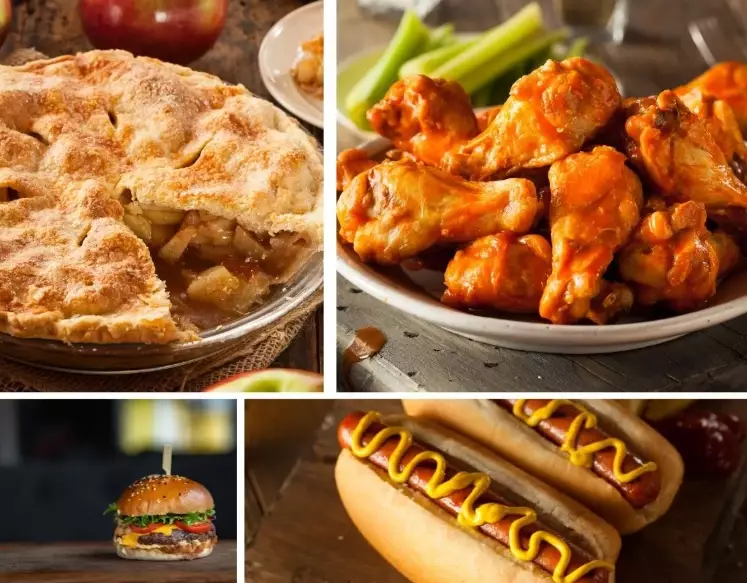
- The Hamburger: Arguably America's most famous culinary export. Its origins are debated (Hamburg, Germany? New Haven, Connecticut?), but its evolution into a grilled beef patty on a soft bun, customizable with endless toppings, is purely American. From backyard cookouts to gourmet restaurant versions, it's a national obsession.
- Fried Chicken: Crispy, juicy, and seasoned to perfection. While frying techniques have global roots, the specific style of buttermilk-marinated, flour-dredged, and deep-fried chicken is a Southern classic that conquered the nation. It's Sunday dinner, it's picnic food, it's fast food.
- Barbecue (BBQ): This isn't just grilling. True American barbecue is a slow-and-low art form of smoking tough cuts of meat (pork shoulder, beef brisket, ribs) over wood for hours until they're fall-apart tender. The regional sauces—vinegar-based in North Carolina, sweet and tomato-y in Kansas City, mustard-based in South Carolina—are a source of fierce and friendly debate.
- Meatloaf: The ultimate home-cooked meal. Ground meat (usually beef), breadcrumbs, egg, and seasoning, baked in a loaf pan and often glazed with ketchup. It's economical, feeds a crowd, and makes for fantastic sandwiches the next day. It's the taste of a weekday family dinner.
The Supporting Cast: Sides, Soups, and Breads
You can't have the main without the sides. This is where vegetables (often cooked with a bit of fat for flavor) and starches shine.
| Dish | Key Ingredients | What It's Like & Regional Note |
|---|---|---|
| Macaroni and Cheese | Elbow macaroni, cheddar cheese sauce, milk/cream, sometimes baked with breadcrumbs. | Creamy, cheesy, ultimate comfort. The baked version with a crusty top is a Southern favorite. |
| Mashed Potatoes & Gravy | Russet potatoes, butter, milk/cream, pan drippings for gravy. | Fluffy, buttery, and essential for soaking up gravy from the roast turkey or meatloaf. A Thanksgiving non-negotiable. |
| Cole Slaw | Shredded cabbage, carrots, mayonnaise-based or vinegar-based dressing. | Crunchy, tangy, and the perfect cool counterpoint to rich, hot foods like BBQ and fried chicken. The mayo version is creamier; the vinegar version is lighter. |
| Clam Chowder | Clams, potatoes, onions, celery, cream or milk, salt pork. | A thick, creamy soup. The "New England" style (with cream) is the most famous. The "Manhattan" style (with tomatoes) is a controversial, brothier cousin. |
| Cornbread | Cornmeal, buttermilk, egg, leavening. Can be sweet or savory. | A dense, crumbly quick bread. Southern style tends to be savory and cooked in a cast-iron skillet. Northern versions are often sweeter and cakier. |
The Sweet Finale: Desserts
No discussion of traditional American food is complete without dessert, which often leans into fruit, spices, and homey simplicity.
- Apple Pie: "As American as apple pie." The saying exists for a reason. Tart apples (like Granny Smith), cinnamon, sugar, and a double crust. Often served with vanilla ice cream ("à la mode") or, in some traditions, a slice of cheddar cheese.
- Chocolate Chip Cookies: Invented by Ruth Wakefield in the 1930s, this is arguably the national cookie. Chewy or crispy, loaded with chocolate chips, it's a lunchbox and after-school snack staple.
- Peanut Butter Cookies: That classic criss-cross pattern made with a fork! The rich, nutty flavor of peanut butter in cookie form is uniquely American.
- Brownies: Dense, fudgy, chocolatey squares. The debate between cakey vs. fudgy brownies is a serious one in many households.
See what I mean? This is just the nationwide canon. But to stop here would miss half the story—the incredible regional diversity.
A Coast-to-Coast Food Tour: Regional Traditional American Food
America is huge. The food that developed in the swampy heat of Louisiana is worlds apart from what sustained people in the rocky soil of Maine. This regionality is the heart and soul of authentic traditional American food.
Think of it this way: before refrigerated trucks and national supermarket chains, you ate what grew around you and what your community knew how to cook. That local identity is still incredibly strong.
The Northeast & New England
Cold waters and rocky coastlines mean seafood is king here. We're talking lobster rolls (chilled lobster meat on a buttered, grilled roll), steamed clams, and the aforementioned clam chowder. Maple syrup from Vermont trees, cranberries from Massachusetts bogs, and boiled dinners (corned beef with cabbage and root vegetables) from Irish influences.
The American South
This is a powerhouse region with distinct sub-cuisines. It's defined by warmth, generosity, and slow-cooked flavor.
- Soul Food: Collard greens, black-eyed peas, cornbread, fried catfish, smothered pork chops, and red velvet cake. Food with deep history and heart.
- Cajun & Creole (Louisiana): Cajun food is country cooking—hearty, spicy dishes like jambalaya (rice with meat and seafood), gumbo (a stew thickened with okra or filé powder), and boudin sausage. Creole food is the more refined, city cousin from New Orleans, with dishes like shrimp étouffée and beignets. Both use the "holy trinity" of onion, celery, and bell pepper.
- Lowcountry (South Carolina/Georgia): Think shrimp and grits—creamy stone-ground grits topped with sautéed shrimp in a sauce. She-crab soup, and Hoppin' John (black-eyed peas and rice).
The Midwest
The nation's breadbasket. Food here is hearty, simple, and built to fuel long days. It's casseroles ("hotdish" in Minnesota), bratwursts and beer cheese in Wisconsin (from German settlers), Cincinnati chili (a spiced meat sauce served over spaghetti), and the loose-meat sandwich in Iowa. It's also the land of state fairs, where anything can be—and is—deep-fried.
The Southwest
This is where Mexican and Native American influences blend seamlessly with Anglo cooking to create something entirely new. Tex-Mex is the prime example: nachos, fajitas, chili con carne, and enchiladas covered in yellow cheese. In New Mexico, it's all about the Hatch green chile, smothering everything from burgers to stews. The cooking of the Navajo and Pueblo tribes, like fry bread, is also foundational.
And that's just scratching the surface. There's the seafood-centric Pacific Northwest, the farm-fresh Californian style, the Hawaiian plate lunch… the list goes on. Each adds a layer to the story.
Modern Times: Is Traditional American Food Still Relevant?
This is a question I get a lot. In an age of quinoa bowls, avocado toast, and global fusion restaurants, do these old-fashioned dishes still matter? My take? More than ever, but in a different way.
Few people eat chicken-fried steak with cream gravy every day. And that's okay. The role of traditional American food has shifted from everyday sustenance to something more cultural and celebratory. It's the food of holidays (Thanksgiving turkey, Fourth of July BBQ), of family traditions (a special birthday meal), and of comfort when you need it. It's also a direct connection to history and place.
There's also a fantastic modern revival happening. Chefs are going back to these classics, sourcing ingredients locally and ethically, and elevating them without losing their soul. You'll see upscale takes on meatloaf made with heritage pork, or mac and cheese with artisanal cheeses and truffle oil. This isn't rejecting tradition; it's respecting it enough to make it the best it can be. The U.S. Department of Agriculture even has programs supporting local and regional food systems, which directly helps these traditional foodways survive and thrive.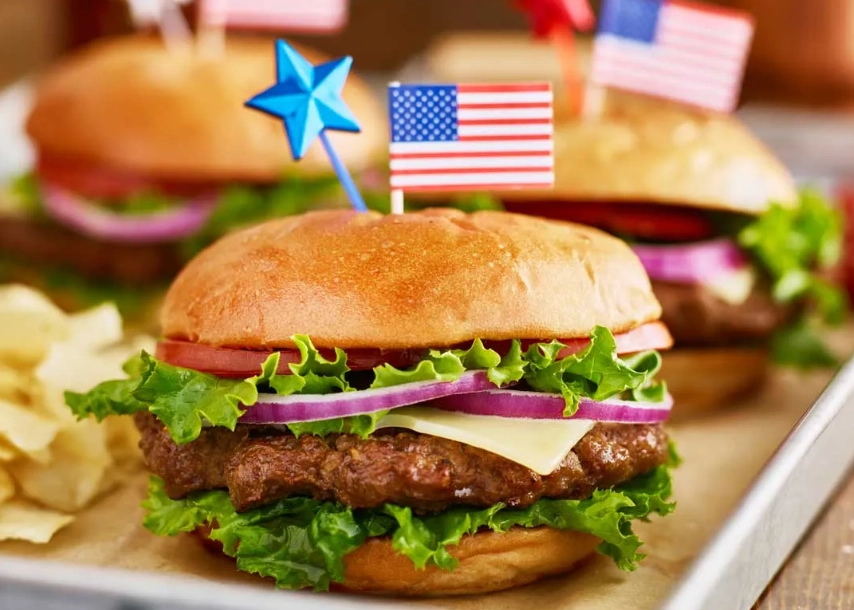
And let's be honest, sometimes you just need a really good, no-frills cheeseburger. The classics endure because they satisfy something simple and fundamental.
- **Local Diners & Cafés:** Especially in small towns. The menu hasn't changed in 40 years for a reason.
- **BBQ Joints:** Often unassuming buildings with long lines and smoky aromas. A sure sign.
- **Community Events:** Church suppers, county fairs, and farmers' markets often have home cooks selling their best pies, jams, and casseroles.
- **Ethnic & Community Restaurants:** The best soul food, Creole, or Tex-Mex is often found in restaurants deeply rooted in those communities.
So, what's the final verdict on traditional American food?
It's a living, breathing thing. It's not a museum piece frozen in the 1950s. It's the sum of countless immigrant stories, regional landscapes, and shared memories around the table. From the Native American three sisters to the Southern barbecue pit to the Midwestern church potluck, it tells the story of the country itself—complex, innovative, and constantly being redefined. It can be indulgent and nostalgic, but at its best, it's also communal, generous, and deeply satisfying. The next time you sit down to a plate of traditional American food, whether it's a fancy chef's interpretation or your grandma's recipe, you're tasting a piece of that ongoing history. And that's a pretty delicious thing to be a part of.





Comments
Leave a Comment