Quick Navigation
- What Actually *Is* American Food Anyway?
- The Non-Negotiable Classics: Recipes You Gotta Try
- The Modern Pantry: Lighter, Faster, Global-Inspired
- Essential Skills & Tools for American Kitchen Success
- Your American Food Recipes FAQ (Stuff People Actually Search For)
- Putting It All Together: A Week of American Classics
Let's be honest, when someone says "American food," a few things instantly pop into your head. A juicy burger. A pile of crispy fries. Maybe a slice of apple pie with a melting scoop of vanilla ice cream on top. And you're not wrong – those are icons for a reason. But if you think that's all there is to cooking American, you're missing out on a massive, delicious, and surprisingly nuanced world.
I used to think the same way. My early attempts at American food recipes were... well, let's say they were edible, but they missed the soul. The mac and cheese was gluey. The chili was bland. It felt like I was just going through the motions from a cookbook. It wasn't until I spent a summer with a friend's family in the Midwest that it clicked. American cooking isn't about fancy techniques or obscure ingredients. It's about comfort, generosity, and making the most of what you have. It's the smell of bacon on a Saturday morning and the shared pot of stew on a cold night.
This guide is my attempt to pass that on. We're going to dig into the classics that everyone should know how to make – the ones that truly define the taste of home for millions. But we're also not going to ignore how American food has grown. It's a living cuisine, borrowing flavors from everywhere and constantly evolving. So whether you're a complete beginner wanting to nail the perfect pancake or someone looking to explore modern twists, there's something here for you. Forget the stereotypes. Let's get cooking.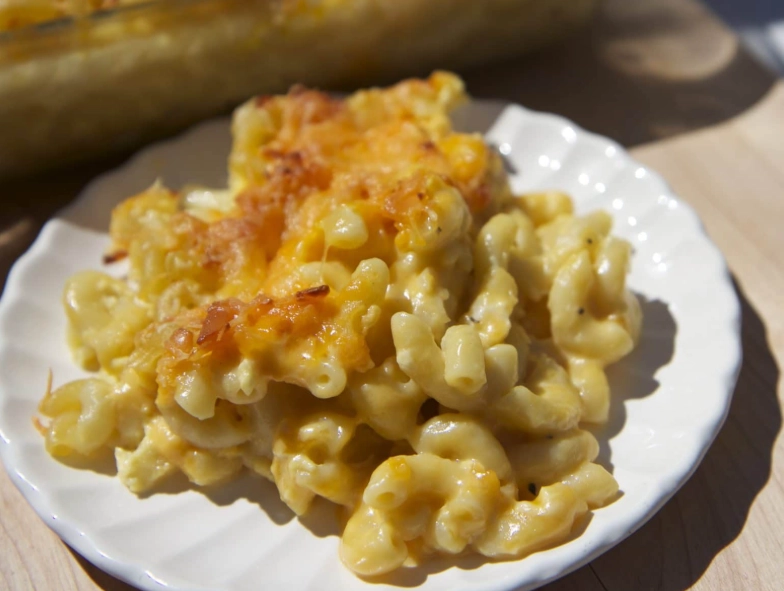
What Actually *Is* American Food Anyway?
This is a trickier question than it seems. Unlike cuisines with centuries of strict tradition, American food is a mash-up. It's a story of immigration, regional ingredients, and adaptation. Think about it: Italian immigrants created New York pizza. German settlers brought over the hamburger. West African culinary traditions are deeply woven into Southern cooking. The United States Department of Agriculture has tons of historical data on how food production and consumption shaped the country, which is a fascinating rabbit hole if you're into that sort of thing.
The core idea, though, is heartiness and approachability. Portions tend to be generous. Flavors are often bold and direct – think smoky barbecue, rich cheese, sweet and tangy sauces. It's food meant to satisfy and bring people together, not necessarily to impress with delicacy.
You can broadly split it into a few big categories:
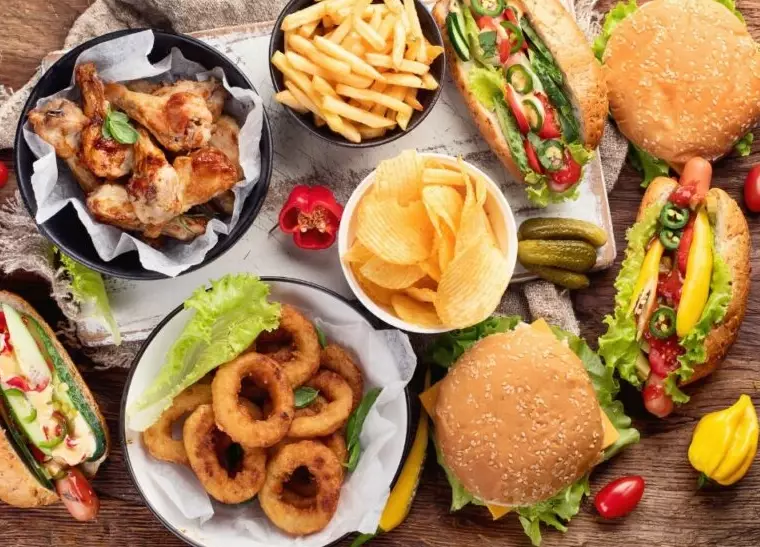
- The All-American Classics: The heavy-hitters. Hamburgers, hot dogs, fried chicken, macaroni and cheese, meatloaf, apple pie. These are the dishes that show up at cookouts and diners.
- Regional Stars: Food that defines a place. New England clam chowder (the creamy kind, don't get me started on the tomato-based one). Texas-style beef brisket smoked for hours. Louisiana gumbo and jambalaya. California's obsession with fresh, seasonal produce and fusion flavors.
- Modern & Health-Conscious Twists: This is where it gets exciting. Taking those classic concepts and lightening them up, swapping ingredients, or blending in global flavors. Cauliflower "mac" and cheese, turkey or black bean burgers, grilled avocado tacos.

The Non-Negotiable Classics: Recipes You Gotta Try
Okay, let's roll up our sleeves. If you want to build a foundation in American cooking, these are the pillars. I'm not just giving you a list; I'm giving you the why behind the steps, and the little tricks that make a big difference.
The Perfect Burger: It's Not Just Ground Beef
Everyone has an opinion on burgers. I've had fancy gourmet ones with truffle aioli and brioche buns that cost $25, and I've had simple backyard patties that blew them away. The secret isn't complexity; it's respecting a few key principles.
First, the meat. 80/20 ground chuck (that's 80% lean, 20% fat) is your friend. The fat is flavor and juiciness. Going too lean makes for a dry, sad patty. Handle the meat as little as possible when forming your patties. Overworking it makes the texture tough and dense. Make a slight dimple in the center of each raw patty with your thumb – this prevents it from puffing up into a meatball shape on the grill.
Seasoning? Salt and pepper. Generously. But only right before it hits the heat. Salting too early can draw out moisture and make the meat steam instead of sear. For cooking, a screaming hot grill or cast-iron skillet is king. You want a good crust. And for the love of all that is good, only flip it once. Pressing it down with your spatula is a crime – you're squeezing out all the juice!
Cheese goes on just before the burger is done, lid on for a minute to melt. Assembly is personal, but I'm a firm believer in the bottom-up logic: bun (toasted), sauce, lettuce, tomato, patty, cheese, onion, pickles, top bun. The lettuce underneath creates a barrier to stop the bottom bun from getting soggy from the juices.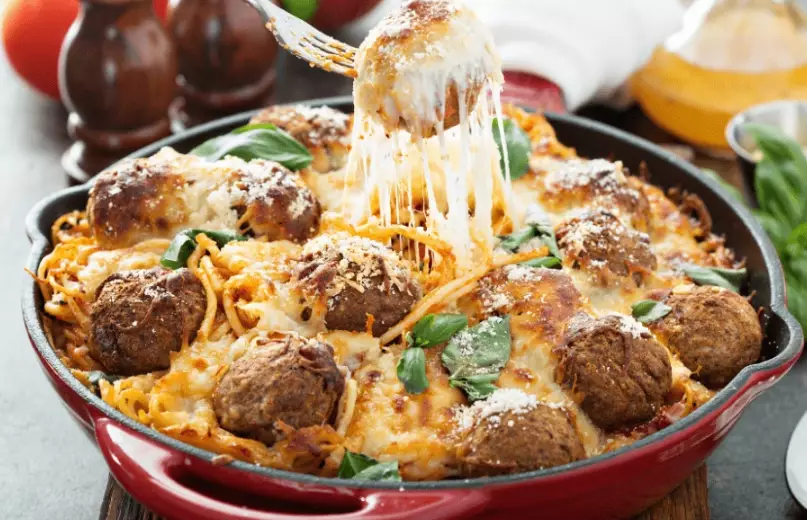
Fluffy Buttermilk Pancakes: The Breakfast Benchmark
Pancakes seem simple, but they're a great test of your technique. The goal? Light, fluffy, tender interiors with slightly crispy, golden-brown edges. The magic ingredient is buttermilk. Its acidity reacts with baking soda, creating tons of little air bubbles that give you that lift.
Here's the absolute golden rule: do not overmix the batter. When you combine the wet and dry ingredients, stir just until they come together. It should be lumpy! I repeat, lumpy is good. Overmixing develops the gluten in the flour, leading to tough, rubbery pancakes. It's the hardest thing to resist, but trust me.
Let the batter rest for 5-10 minutes. This allows the flour to fully hydrate and gives the leavening agents a head start. Cook them on a medium-hot griddle or non-stick pan. You know it's ready when bubbles form on the surface and the edges look set. Then flip. Once. Sites like King Arthur Baking have fantastic, scientifically-tested resources on flour and baking techniques that explain the "why" behind rules like this.
Serve immediately with real maple syrup (the fake stuff is just colored corn syrup, in my opinion) and a pat of butter melting over the stack.
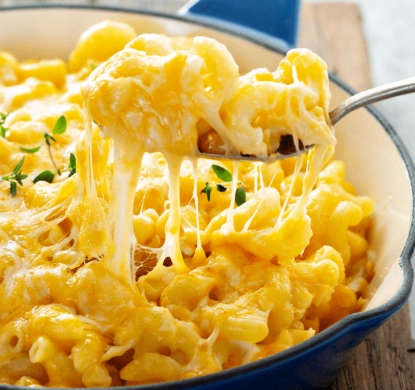
Real, From-Scratch Macaroni and Cheese
The boxed stuff has its nostalgic place, but a homemade baked mac and cheese is a different beast entirely. Creamy, cheesy, with a crispy, buttery topping. It's a labor of love, but worth it.
The heart of it is a béchamel sauce – a simple white sauce made from butter, flour, and milk. Melt butter, whisk in an equal amount of flour to make a roux, cook it for a minute to get rid of the raw flour taste, then slowly whisk in warm milk. This is your creamy base. Now for the cheese. A blend is best for flavor and meltability. I love a combo of sharp cheddar for punch, Gruyère for nuttiness, and a bit of Monterey Jack for its superb melt. Shred it yourself! Pre-shredded cheese is coated with anti-caking agents that can make your sauce grainy.
Season your sauce well with salt, pepper, a pinch of cayenne or dry mustard powder (it enhances cheesiness, doesn't make it taste mustardy). Mix with cooked pasta (elbow macaroni is classic, but cavatappi holds sauce beautifully), pour into a dish, top with buttery breadcrumbs or more cheese, and bake until bubbly and golden.
See? These American food recipes aren't complicated. They're about patience and a few good choices.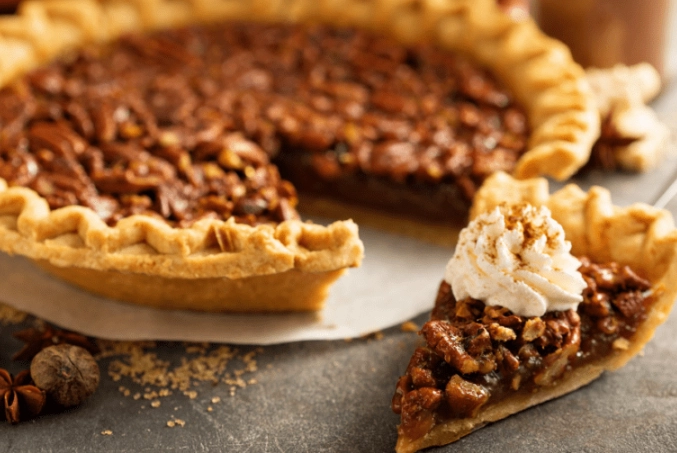
The Modern Pantry: Lighter, Faster, Global-Inspired
American eating habits have changed. People want meals that are quicker, a bit healthier, but still packed with flavor. The classic American food recipes have adapted beautifully.
Take the burger. Now you have fantastic options like juicy turkey burgers (add some grated onion and Worcestershire sauce to keep them moist), salmon burgers, or even hearty black bean burgers packed with spices and oats for binding. The concept is the same – a flavorful patty in a bun – but the ingredients have shifted.
Sheet pan dinners are a godsend for weeknights. Toss some chicken sausage, sweet potatoes, and broccoli with olive oil and herbs, roast it all on one pan, and dinner is done with minimal cleanup. It's a very modern, practical approach to getting a balanced meal on the table fast.
And then there's fusion. Think of Korean BBQ tacos (marinated beef in a soft tortilla with kimchi slaw), or pizza topped with barbecue chicken and red onion. It's the American spirit of "why not?" applied to the dinner plate. If you're looking for inspiration on seasonal produce and how to use it, the SNAP-Ed Seasonal Produce Guide from the USDA is a fantastic, no-nonsense resource.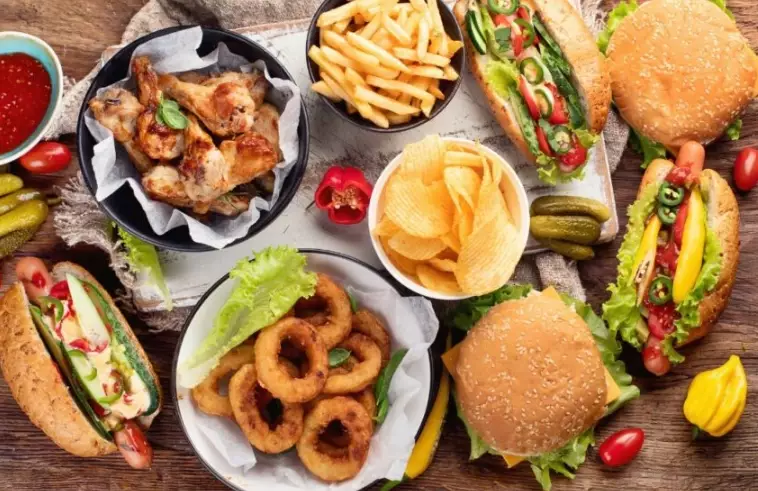
My Go-To Quick Fix: A "cheater's" chili. Brown some ground turkey or beef. Add a diced onion and bell pepper. Dump in a couple of cans of beans (kidney, pinto), a can of diced tomatoes, and a packet of chili seasoning. Let it simmer for 20 minutes. Is it award-winning? No. But it's hearty, healthy-ish, and on the table in 30 minutes. Sometimes that's what you need.
Essential Skills & Tools for American Kitchen Success
You don't need a restaurant-grade kitchen. A few key items and techniques will get you 95% of the way there with most American food recipes.
The Tool Shortlist:
- A heavy-duty skillet, preferably cast iron: It retains heat perfectly for searing burgers, steaks, and making pancakes.
- A good baking sheet: For cookies, roasting vegetables, and sheet-pan dinners.
- A large pot for boiling pasta and making soups/chili.
- A sturdy whisk and a set of mixing bowls.
- An instant-read thermometer: The single best way to stop guessing if your chicken or burger is done. Takes the fear out of cooking meat.
Core Techniques to Master:
- Searing: Getting a good, brown crust on meat. High heat, don't crowd the pan.
- Making a Roux: The equal-part butter and flour mix that thickens sauces like in mac and cheese or gumbo.
- Roasting Vegetables: Toss in oil, salt, and pepper, spread on a sheet pan, and roast at a high heat (400°F/200°C+) until caramelized. It transforms them.
- Folding vs. Beating: Knowing when to gently fold (like for pancake batter or muffin mix) and when to beat (like for creaming butter and sugar for cookies).
Your American Food Recipes FAQ (Stuff People Actually Search For)
Putting It All Together: A Week of American Classics
Feeling inspired? Here’s a simple plan to get you started, mixing old-school with new-school.
| Day | Recipe Idea | Why It Works | Prep Tip |
|---|---|---|---|
| Monday | Sheet Pan Sausage & Peppers | Minimal cleanup, hearty, cooks hands-off. | Slice everything ahead of time for a 5-minute assembly. |
| Tuesday | Classic Beef Chili | Makes a big pot, tastes better the next day. | Double the batch and freeze half for a future busy night. |
| Wednesday | Turkey Burgers with Sweet Potato Fries | Lighter take on a classic, still satisfying. | Make a quick yogurt-based sauce (yogurt, lemon, dill) for the burgers. |
| Thursday | Leftover Chili Night | No cooking! Serve over rice or baked potatoes. | Top with fresh cilantro, onion, and a dollop of sour cream. |
| Friday | Homemade Pizza Night | Fun, customizable, feels like a treat. | Use pre-made dough from the grocery store to save time. |
| Saturday Breakfast | Fluffy Buttermilk Pancakes | The ultimate weekend comfort food. | Mix dry ingredients the night before for faster morning prep. |
| Sunday Dinner | Roast Chicken with Root Vegetables | A timeless, impressive, and surprisingly simple meal. | Pat the chicken skin VERY dry before roasting for the crispiest skin. |
See? It doesn't have to be complicated.
At the end of the day, the best American food recipes are the ones that end up with people around your table, sharing a meal. It's forgiving cuisine. You can tweak it, lighten it, make it your own. Start with a classic to understand the foundation, then don't be afraid to play. That's the real American cooking spirit. Now, go preheat that skillet. Your perfect burger is waiting.





Comments
Leave a Comment