Ask someone to picture classic American food, and you'll likely get a quick answer: hamburgers, hot dogs, maybe apple pie. It's not wrong, but it's like describing a novel by its cover. The real story of American cuisine is a sprawling, regional, and deeply personal tale. It's the smoky brisket from a Texas pitmaster, the creamy clam chowder from a Boston harbor shack, the spicy gumbo simmering in a Louisiana kitchen. It's food built on practicality, shaped by immigration, and defined by comfort.
So, what makes a dish "classic"? It's not just age. It's cultural staying power. A classic American food is a dish that has woven itself into the national fabric, appearing on diner menus from Maine to California, requested at family gatherings, and evoking a specific sense of place or memory. It's often simple, hearty, and unpretentious.
Your Quick Bite-Sized Guide
What Makes a Food "Classically American"?
Let's clear something up. Classic American cuisine isn't about fine dining or complex techniques lifted from French cookbooks. Its roots are in necessity and adaptation.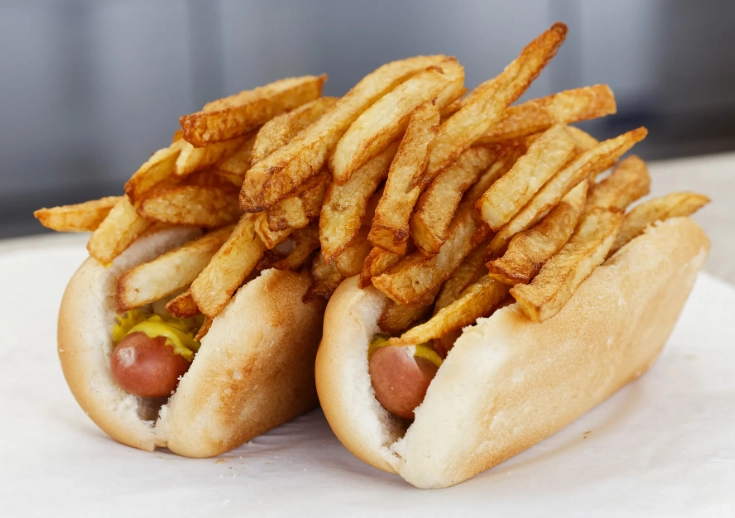
Think about the early settlers and colonists. They had new ingredients (corn, turkey, squash) and old-world techniques. The result? Dishes like succotash or baked beans. Then came waves of immigrants, each adding their thread to the tapestry. German immigrants brought sausages and frying techniques, which evolved into the hot dog and the fried chicken we know today. Italian immigrants, with limited access to certain ingredients, created meat-heavy dishes like spaghetti and meatballs—a dish you'd be hard-pressed to find in Italy in that form.
The 20th century, with its interstate highways and rise of suburbia, gave us the diner, the drive-thru, and the concept of "fast food." This wasn't a decline; it was another chapter. It standardized flavors and made certain dishes universally recognizable. A cheeseburger in Florida tastes remarkably similar to one in Oregon, and that consistency is, in its own way, a classic American achievement.
A common mistake is to dismiss this as "unhealthy" or "unsophisticated" and stop there. That misses the point. The classic nature is in its cultural function—the backyard barbecue as social glue, the Thanksgiving turkey as a ritual, the slice of pie at the end of a long day as a reward.
The Undisputed Icons: Burgers, Hot Dogs, and BBQ
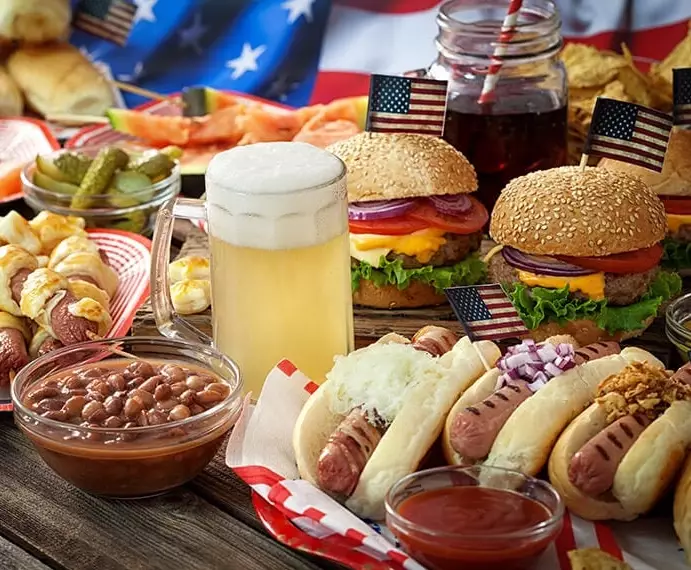
These are the heavyweights, the foods that scream "America" to the rest of the world. But even here, there's wild variation.
The All-American Hamburger
It seems simple: ground beef, bun, toppings. The magic is in the details. The griddle vs. grill debate is real. A griddle (like at most diners) gives you a crispy, caramelized crust. A grill imparts a smokier char. Then there's the meat blend, the cheese melt, the toast on the bun.
Forget the generic chain version. A classic burger is often a local affair. Think of a pub serving a half-pound patty with melted cheddar, crisp lettuce, and a tangy house sauce on a brioche bun. The price? Usually between $12 and $18, plus fries.
The Hot Dog: A Street Food Staple
Another immigrant success story. The toppings are where regional pride shines. It's a delicious geography lesson:
- Chicago Dog: A dragged-through-the-garden masterpiece with yellow mustard, neon green relish, onions, tomato wedges, a pickle spear, sport peppers, and celery salt on a poppy seed bun. No ketchup. Ever. Try one at Portillo's (multiple locations, Chicago).
- New York Dog: Simpler: steamed or grilled dog with spicy brown mustard and sauerkraut or onions in a tomato-based sauce from a street cart.
- Sonoran Dog: From the Southwest: a bacon-wrapped dog grilled, then stuffed in a bolillo roll with pinto beans, onions, tomatoes, jalapeño sauce, and mayo.
American Barbecue: The Low & Slow Religion
This is where American food becomes art. BBQ isn't a cooking method; it's a cult. The divisions are deep, based on wood (hickory, oak, mesquite), sauce (vinegar-based, tomato-based, mustard-based), and cuts of meat.
| Region | Signature Meat | Wood/Smoke | Sauce Style | What to Order |
|---|---|---|---|---|
| Texas | Beef Brisket | Post Oak | None, or thin, spicy tomato-based | Sliced brisket (ask for "moist" cut), sausage links |
| Kansas City | Burnt Ends, Ribs | Hickory | Sweet, thick, tomato-molasses | Burnt ends, pork ribs, fries |
| Carolinas | Pulled Pork | Hickory/Oak | Vinegar & pepper (East) or Mustard-based (West) | Pulled pork sandwich with slaw |
| Memphis | Ribs | Hickory | Dry Rub (no sauce) or Tangy tomato | Dry-rub ribs, barbecue spaghetti |
Visiting a true BBQ joint is an experience. You line up, order by the pound or plate, get your meat on butcher paper, and eat at communal tables. It's messy, primal, and incredibly satisfying. A plate with two meats and sides runs $18-$25.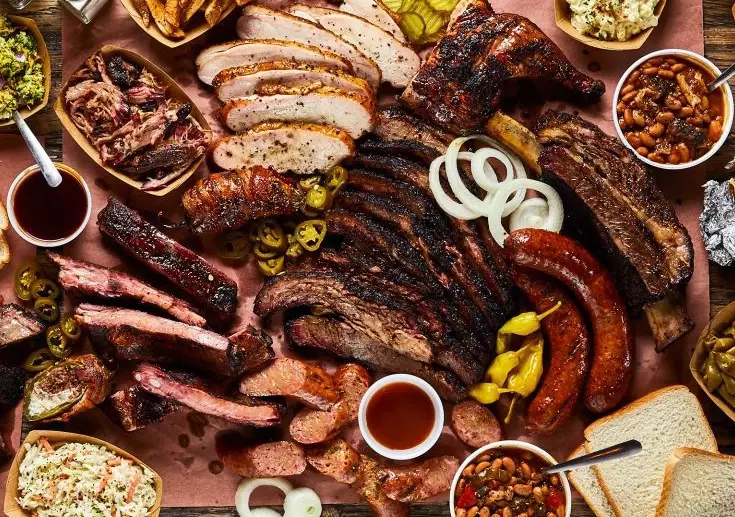
A Map on a Plate: America's Regional Flavors
This is where classic American food gets really interesting. Drive a few hundred miles, and the staples change completely.
A tip most food blogs miss: Don't just eat the famous dish. Talk to the person serving it. Ask where the clams are from, what's in the family gumbo recipe, why they use that specific cheese. The story is half the flavor.
New England: Chowder, Lobster, and Baked Beans
It's seafood-centric and hearty, built for cold winters. New England Clam Chowder (the creamy, white kind) is a must. A great bowl has tender clams, diced potatoes, and just the right amount of cream and salt pork. Try it at the Union Oyster House in Boston (41 Union St), the oldest continuously operating restaurant in the U.S. A bowl is about $10-$12.
Then there's the Lobster Roll. The Maine style is cold lobster meat lightly dressed with mayo on a grilled, split-top bun. The Connecticut style is warm lobster drenched in melted butter. I prefer Connecticut—it's pure, unadulterated lobster flavor.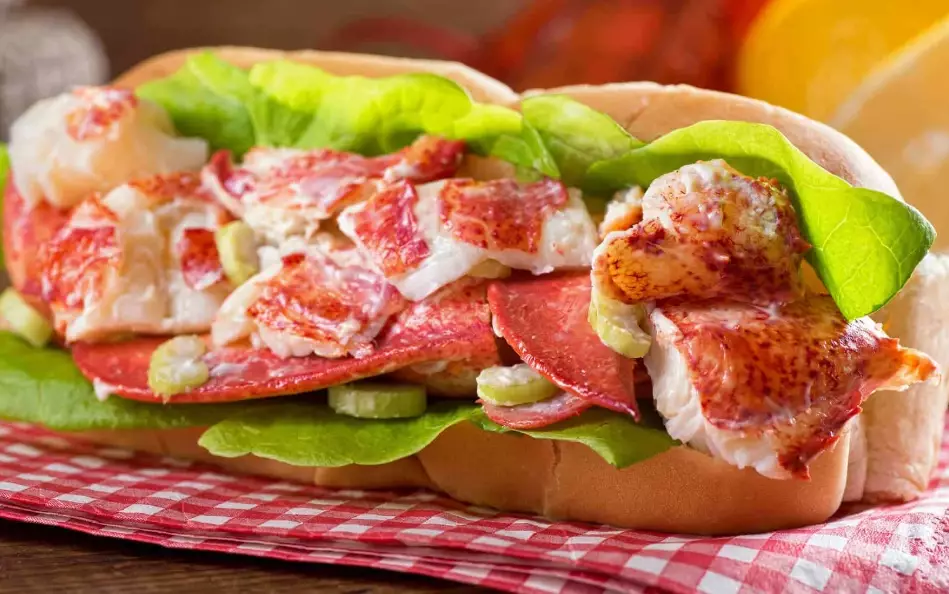
The American South: Fried Chicken, Biscuits, and Gumbo
Southern food is about making the most of available ingredients, often with African, Native American, and European influences. Fried chicken is a science here—brined, seasoned, and fried to a shatteringly crisp crust with juicy meat. It's often served with waffles (a sweet-and-savory combo that just works), collard greens, and mac and cheese.
Gumbo, from Louisiana, is a stew that embodies the region's history. It starts with a dark roux (flour and fat cooked until chocolate-colored), includes the "holy trinity" of onions, celery, and bell peppers, and can have seafood, chicken, sausage, or all of the above. File powder (ground sassafras) is stirred in at the end. It's served over rice.
The Southwest: Tex-Mex and Green Chile
This is the fusion of Mexican cooking with American ingredients and tastes. Dishes like chili con carne (a thick, spicy stew of meat, chilies, and often beans), fajitas (sizzling grilled meat and peppers), and breakfast tacos are staples. In New Mexico, everything is smothered in Hatch green chile, a locally grown pepper with a unique, earthy heat.
The Midwest: Casseroles and Cheese Curds
Often overlooked, Midwestern classics are the definition of hearty, communal food. The hotdish (what the rest of the country calls a casserole) is a baked meal-in-one, often featuring ground beef, canned soup, and tater tots. In Wisconsin, you have fresh cheese curds—little nuggets of cheddar before it's pressed into a block. When they're really fresh, they squeak against your teeth. Fried cheese curds are a bar snack staple.
The Heart of the Home: American Comfort Food
This category is about nostalgia and simplicity. It's the food you crave when you're sick, sad, or just need a hug on a plate. It's often carb-heavy, cheesy, and deeply satisfying.
- Macaroni and Cheese: From the blue box to gourmet versions with truffle and lobster, this is a universal favorite. The classic baked version has a crispy, buttery breadcrumb topping.
- Meatloaf and Mashed Potatoes: A Tuesday night dinner classic. The meatloaf is ground meat mixed with breadcrumbs, egg, and ketchup or a "glaze," baked and sliced. Served with creamy mashed potatoes and gravy.
- Chicken Pot Pie: Flaky pastry crust filled with a creamy stew of chicken, peas, carrots, and celery. The ultimate one-dish winter meal.
- Grilled Cheese and Tomato Soup: The perfect lunch duo. The secret to a great grilled cheese? Good bread (sourdough works), real butter on the outside, and a mix of cheeses (like cheddar and gouda) for optimal melt.
Tasting the Classics: Where to Find the Real Deal
You can't just go anywhere. Skip the tourist traps in Times Square. Look for places that are busy with locals, have a short menu, and maybe look a little worn-in.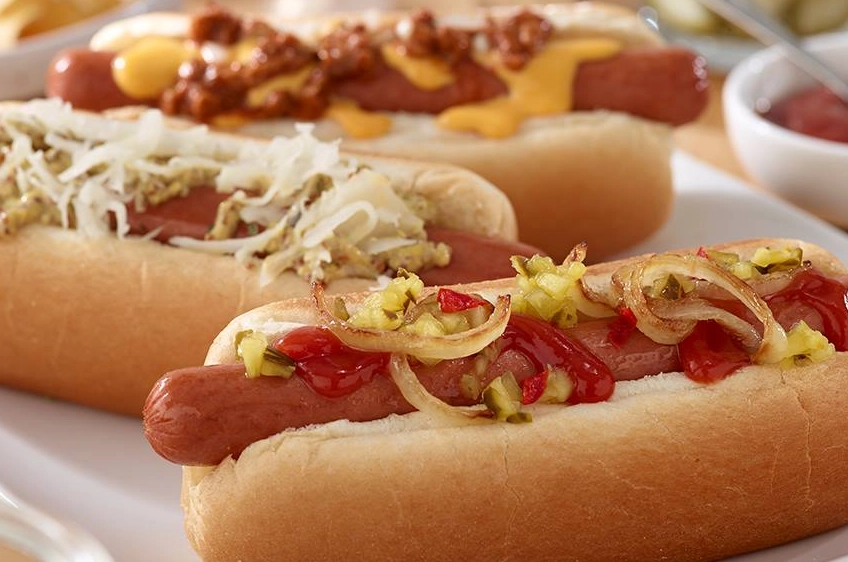
For a Classic Diner Experience: Find a 24-hour spot with vinyl booths and a long counter. Order a patty melt (a burger with grilled onions and Swiss on rye), a milkshake, and a slice of pie. Expect to pay $15-$25 for a full meal. Katz's Delicatessen in NYC (205 E Houston St) isn't a diner, but it's a classic institution for pastrami on rye.
For Regional BBQ: Research the region you're in. In Austin, people line up at Franklin Barbecue (900 E 11th St) for brisket—get there early. In Kansas City, Joe's Kansas City Bar-B-Que (originally a gas station) is legendary.
For a Splurge Steakhouse Meal: The American steakhouse is a classic genre. Think dark wood, leather banquettes, and massive portions of dry-aged beef. Peter Luger Steak House in Brooklyn (178 Broadway) is the gold standard. Expect to spend $100+ per person.
I once made the mistake of ordering "New England Clam Chowder" at a airport restaurant in Phoenix. It tasted like wallpaper paste with rubbery bits. Lesson learned: geography matters. Eat the dish where it was born.
Your Classic American Food Questions Answered
Why is so much classic American food considered unhealthy?
It's largely a matter of history and scale. These dishes were often developed for laborers needing high-calorie fuel or during times when preservation (salting, smoking, frying) was key. The modern issue is portion size and frequency. A double bacon cheeseburger with fries was a rare treat, not a weekly meal. The classic versions, when made with quality ingredients and eaten in balance, are just fine. The problem is the industrialized, supersized imitation.
Where can I find the best classic American breakfast?
Look for a local "greasy spoon" diner, not a chain. A proper American breakfast is a protein-and-carb powerhouse: eggs (any style), crispy bacon or sausage links, hash browns or home fries, toast, and maybe a short stack of pancakes. The coffee will be bottomless. The whole spread should cost between $10 and $15. The quality of the hash browns—crispy on the outside, tender inside—is the true test of the kitchen.
As a vegetarian, what classic American dishes can I try?
More than you might think. Start with sides: baked beans, coleslaw, mac and cheese, cornbread, and potato salad are often vegetarian. A grilled cheese sandwich is a classic. Many diners offer veggie burgers (quality varies). In the Southwest, bean burritos or cheese enchiladas are staples. For a heartier option, seek out restaurants offering a "vegetable plate"—a Southern tradition where you choose 3-4 veggie sides like collard greens (check for meat seasoning), black-eyed peas, and fried okra as a meal.
What's the biggest mistake tourists make when trying American food?
Assuming it's all the same. Ordering "barbecue" in Seattle will get you something completely different than in Nashville. Asking for ketchup on a Chicago hot dog is a social faux pas. The other mistake is sticking to familiar chain restaurants. The most authentic, memorable meals happen in the unassuming local joints, the roadside stands, and the family-run eateries that have been doing one thing really well for decades.






Comments
Leave a Comment