Your Packing Roadmap
Let's be honest. Figuring out what to pack for a trip abroad is one of those tasks that swings between exciting anticipation and sheer panic. You're staring at an empty suitcase, and suddenly every item you own feels either utterly essential or completely useless. I've been there—standing in a foreign pharmacy trying to mime "allergy medicine" is a special kind of travel low point. It doesn't have to be that way.
This guide isn't about throwing a million things at you. It's about being smart. We're going to break down exactly what to pack for an international trip, category by category, with a heavy dose of reality. Forget the generic lists that tell you to pack 10 pairs of socks for a weekend. We're talking about the real stuff: the documents that get you in, the clothes that keep you comfortable, the gadgets that keep you connected, and the little things that prevent big headaches.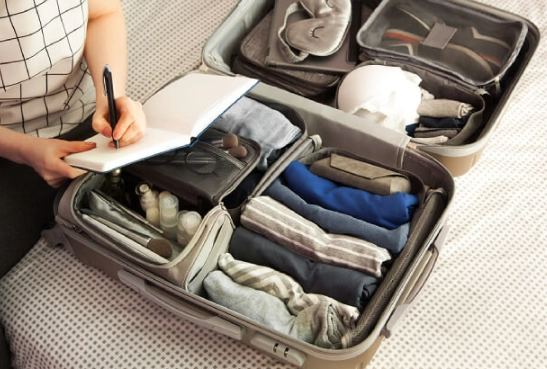
The Non-Negotiables: Core Documents & Money
You can buy a toothbrush anywhere. You cannot easily replace a passport. This section is the bedrock of your trip. Get this wrong, and nothing else matters.
Travel Documents: Your Paper Lifeline
This is the boring but critical part. Don't just toss these in your bag; have a system.
- Passport & Visas: Check your passport's expiration date. Many countries require it to be valid for at least six months beyond your return date. It's a sneaky rule that ruins trips. Visas? Research early. Some are e-visas, some are stamps—don't assume.
- Physical Copies & Digital Backups: Photocopy or take clear photos of your passport photo page, visa, driver's license, and any important medical cards. Email them to yourself and store them in a secure cloud folder (like Google Drive). Leave one set of copies with a trusted person back home. If everything gets stolen, this is your recovery kit.
- Itinerary & Confirmations: Flight tickets, hotel reservations, car rental bookings, pre-booked tour vouchers. Having them offline on your phone is good. Having a printed copy is sometimes golden, especially when Wi-Fi is a myth or a front desk clerk can't find your "Smith" reservation (true story).
- Travel Insurance Details: The policy number and the emergency contact number. Print it. Save it. Know what it covers. Hoping you won't need it is not a plan.
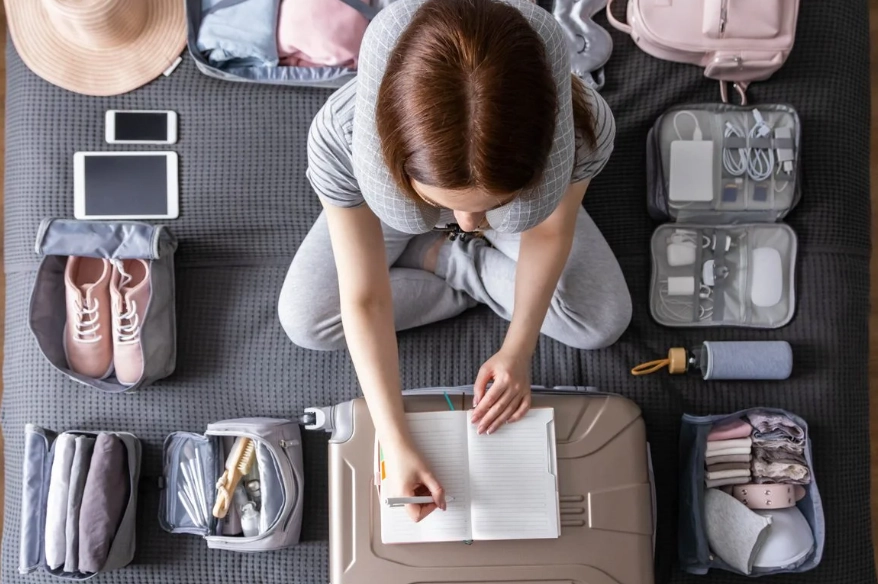
Heads up on a common mistake: Storing your passport and all your cash in the same place. It's like putting all your eggs in one very stealable basket. Use a hotel safe, a hidden money belt for spares, and carry only what you need for the day.
Money & Payment Strategies
Cash is not king everywhere anymore, but it's still a valued duke.
- Local Currency: Get a small amount before you leave. Enough for a taxi, a meal, and an emergency. Airport exchange rates are brutal, but being cashless upon arrival is worse.
- Debit/Credit Cards: Notify your bank of your travel plans! The quickest way to have your card frozen is for a foreign transaction to pop up unexpectedly. Have at least two cards from different networks (e.g., one Visa, one Mastercard). Keep them separate.
- Travel-Friendly Cards: Look into cards with no foreign transaction fees. Those 3% fees add up shockingly fast over two weeks. A little research here saves real money.
Clothing & Footwear: Dressing for Reality, Not Fantasy
This is where most people overpack. We imagine five different outfit scenarios per day. Reality is messier and usually involves re-wearing things.
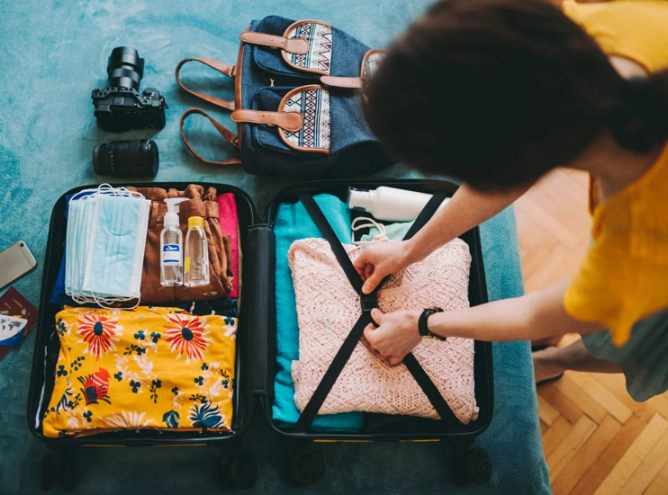
My own rule? I lay out everything I think I need. Then I put half of it back. I've never once, on any trip, thought "I wish I had brought more clothes." I have, however, cursed a heavy suitcase up a thousand stairs.
The Capsule Wardrobe Mindset
Pick a basic color scheme (neutrals like black, navy, grey, khaki are foolproof). Everything should mix and match. A couple of bottoms can work with multiple tops. Layers are your best friend for changing weather.
Climate-Specific Breakdown
Your destination dictates everything. Here’s a quick-look table to adjust your core list:
| Climate | Key Clothing Items | Footwear Focus | Don't Forget |
|---|---|---|---|
| Hot & Humid (Southeast Asia, Caribbean) | Lightweight, breathable fabrics (linen, cotton), moisture-wicking shirts, loose-fitting pants, a wide-brimmed hat. | Sandals with good support, breathable sneakers, quick-dry water shoes. | A lightweight scarf/shawl for sun protection or modesty at religious sites; a compact umbrella. |
| Cold & Snowy (Scandinavia in winter, Alps) | Thermal base layers, insulating mid-layer (fleece, down vest), waterproof/windproof outer shell, warm socks, gloves, beanie. | Insulated, waterproof boots with good grip. | Lip balm, heavy moisturizer; hand/foot warmers for extreme days. |
| Temperate & Variable (Western Europe in spring/fall) | Versatile layers: t-shirts, long-sleeve tops, cardigans/sweaters, a packable rain jacket, jeans or travel pants. | Comfortable walking shoes (breaking in new shoes on trip is torture), and a pair of casual flats or loafers. | A foldable tote bag for extra layers you shed; a travel umbrella that won't flip inside out. |
See? It's about adapting a core list, not starting from scratch each time. When you're deciding what to pack for your trip abroad, a quick weather app check for your destinations is the best first step.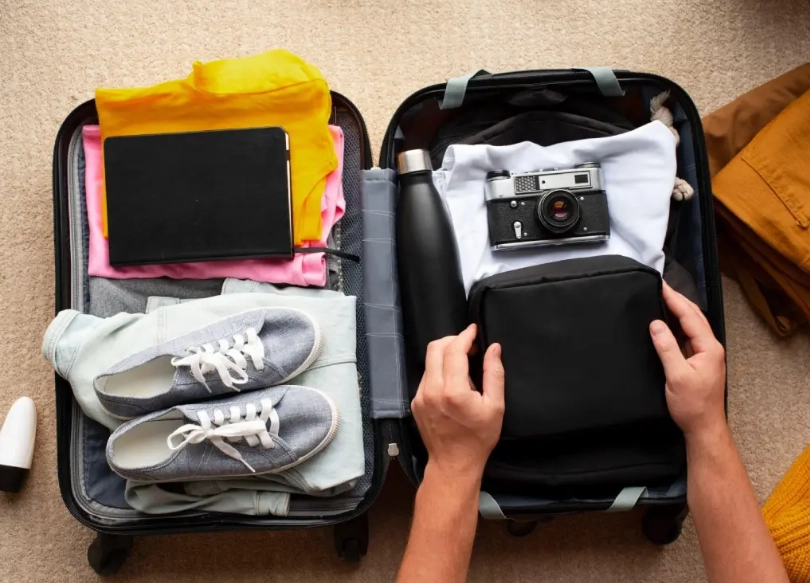
The Universal Clothing Shortlist
- Tops: 4-5 tops (mix of short and long sleeve). One should be nice enough for a decent dinner.
- Bottoms: 2-3 bottoms (e.g., 1 jeans, 1 travel pants, 1 shorts or skirt).
- Layers: 1 sweater/fleece, 1 packable jacket (down or synthetic).
- Sleepwear: Whatever you're comfortable in.
- Underwear & Socks: One pair per day, maybe plus one or two. Merino wool socks are worth the hype—they resist odor and dry fast.
- The "Just in Case" Outfit: One semi-formal outfit if your plans are uncertain. A simple black dress or a collared shirt with chinos can go far.
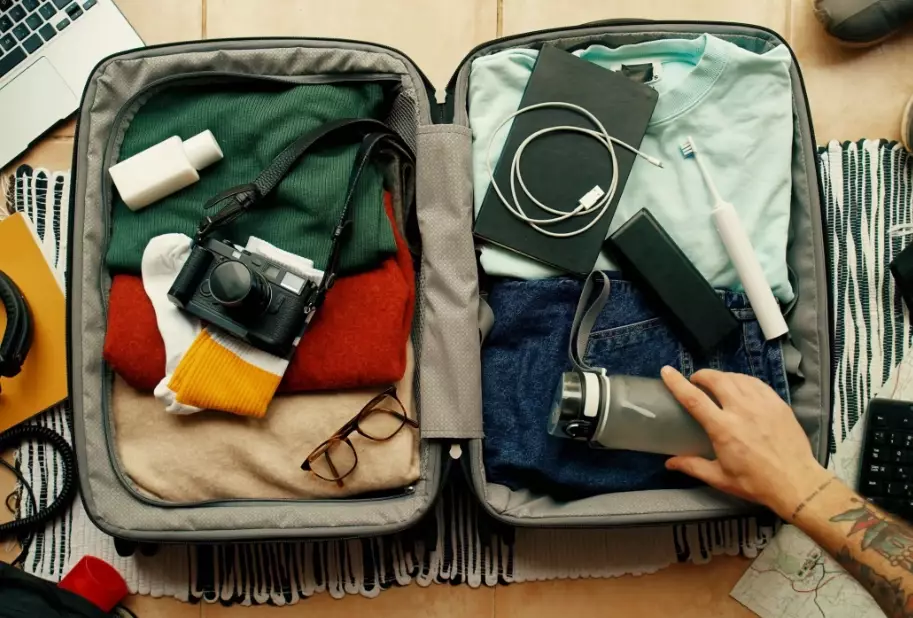
Tech, Gadgets & Entertainment
We're connected creatures. Getting this right can save you from frustration and boredom.
The Power & Connection Kit
This is non-negotiable in the modern age.
- Universal Power Adapter: Not all adapters are equal. Get a quality, compact universal one that covers the regions you're visiting. The cheap ones can fry your devices or fall apart.
- Portable Power Bank: Your phone is your camera, map, and translator. A dead phone in a foreign city is a problem. Aim for at least 10,000mAh.
- Cables & Chargers: For phone, watch, headphones, camera, etc. A small cable organizer bag is a lifesaver in the bottom of your backpack.
- E-Reader or Tablet: Beats carrying three books. Load it up before you go.
- Noise-Canceling Headphones: A luxury that feels like a necessity on long flights or noisy train rides. They're my personal splurge item every time.
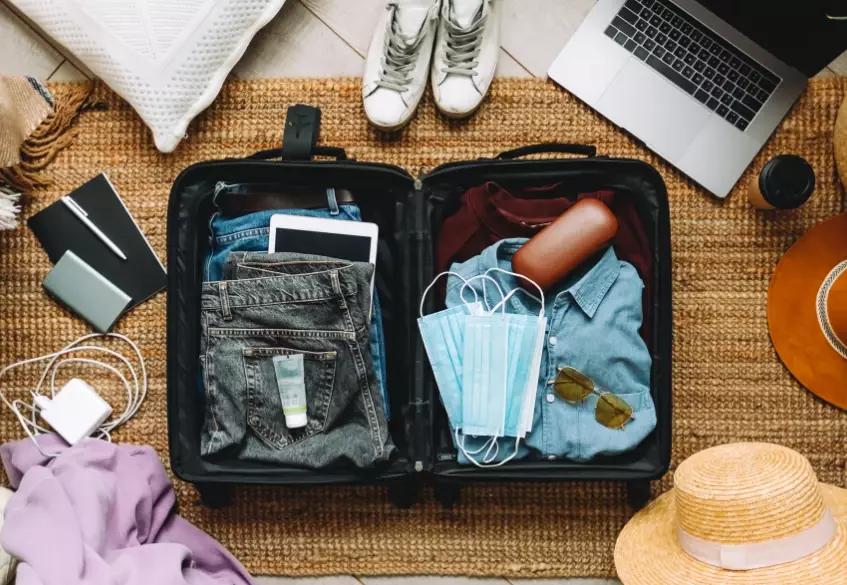
Staying Connected: SIMs & Data
Roaming charges are a relic. Don't use them.
- Local SIM Card: Often the cheapest option for longer trips. Buy at the airport or a local shop. You'll need an unlocked phone.
- International eSIM: For many newer phones, this is the easiest solution. Download and activate a data plan before you land. Services like Airalo or your own carrier's travel plan work here.
- Portable Wi-Fi Hotspot: Great for families or groups, or if you need constant, strong connection for multiple devices.
Pro Tip: Download offline versions of your key apps. Google Maps lets you download entire city or country maps. Translation apps (like Google Translate) can download language packs. Do this on your home Wi-Fi.
Toiletries, Health & The Little Things
The devil, and a lot of comfort, is in the details here.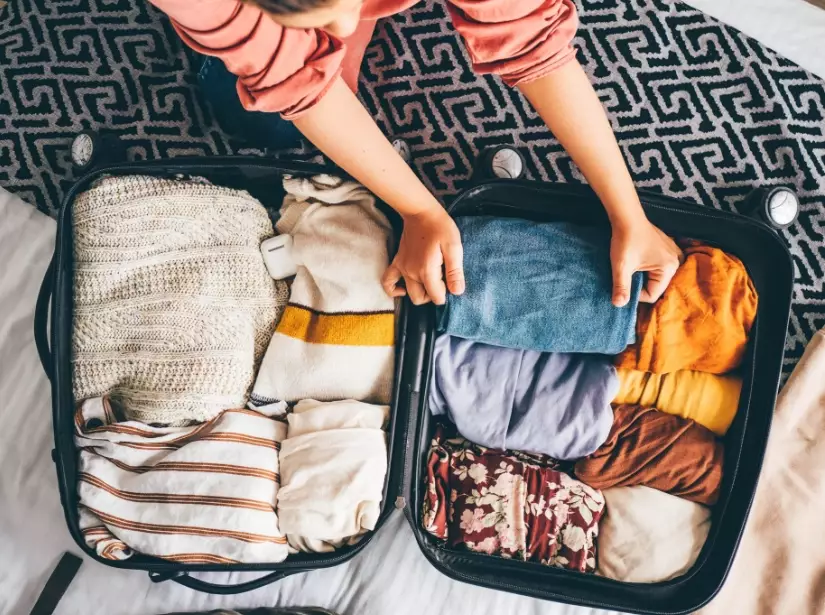
Your Toiletry Kit
Think travel-sized and multi-purpose.
- TSA-Compliant Liquids Bag: All liquids, gels, aerosols, creams, and pastes must be in containers of 3.4 ounces (100ml) or less and fit in one quart-sized, clear, resealable bag. This is a strict TSA rule for carry-ons. I use a clear silicone bag that's more durable than a Ziploc.
- Essentials: Toothbrush, toothpaste, deodorant, shampoo/conditioner (or a solid bar), soap, moisturizer, sunscreen (reef-safe if near oceans), lip balm.
- For Her/For Him: Razor, menstrual products, etc. Note that specific brands might not be available everywhere.
- Hair & Grooming: Comb/brush, hair ties, minimal styling products.
The First-Aid & Health Kit
Assemble a small kit. You don't need a field hospital, just enough to handle minor issues without a pharmacy hunt at midnight.
- Medications: Any prescription meds in their original containers with the pharmacy label. Bring more than you need in case of delays. Include a doctor's note for controlled substances.
- OTC Basics: Pain reliever (ibuprofen/acetaminophen), anti-diarrheal, antihistamine for allergies, antacid, motion sickness pills, cough drops.
- First-Aid: Band-aids of various sizes, blister pads (like Compeed—these are magical), antiseptic wipes, a small tube of antibiotic ointment.
- Health Extras: Hand sanitizer, tissues, wet wipes (the ultimate multi-purpose travel tool), insect repellent.
For comprehensive, destination-specific health advice, including required or recommended vaccinations, the CDC's Travelers' Health page is an authoritative and essential resource to consult well before your trip.
My personal addition? A few packets of electrolyte powder. Jet lag, heat, or a questionable meal can leave you dehydrated, and this is a quick fix. It takes up no space and has saved me more than once.
The "Miscellaneous Essentials" Grab Bag
These are the items that don't fit neatly elsewhere but will make your life smoother.
- Reusable Water Bottle: An insulated one keeps drinks cold/hot for hours. Fill it after security.
- Packing Cubes: I was a skeptic. Now I'm a convert. They compress clothes and keep your bag organized—dirty clothes separated from clean, categories sorted. It's a game-changer.
- Travel Laundry Kit: A small sink stopper, a packet of travel detergent (or a solid soap bar), and a travel clothesline. Washing a few essentials in the sink extends your wardrobe indefinitely.
- Eye Mask & Ear Plugs: For flights, noisy hotels, or hostels. Essential for light sleepers.
- Small Daypack/Tote: For daily excursions. A foldable one that packs into its own pocket is perfect.
- Pen: For filling out immigration forms on the plane. Always have a pen.
- Small Flashlight or Headlamp: Useful for power outages, reading, or finding things in a dark hostel room.
- Duct Tape: Wrap a few feet around an old gift card. Fixes torn luggage, broken straps, shoe soles, you name it.
Packing Strategies & Pro Tips
Knowing what to pack for an international trip is half the battle. The other half is getting it all in your bag efficiently.
The Roll vs. Fold Debate
I find rolling softer items like t-shirts, pants, and underwear saves space and minimizes wrinkles. I fold stiffer items like button-down shirts and jackets. The real secret? Use packing cubes with these techniques. It's a powerful combo.
Packing Order Matters
Heavy items (shoes, toiletry bag) go at the bottom, near the wheels of a spinner suitcase. Rolled clothes go vertically in cubes. Pack your in-flight essentials (headphones, charger, book) and one change of clothes in your personal item. If your checked bag gets lost, you have a 24-hour buffer.
The Last-Minute Checklist
Stick this on your door the night before:
- Phone, wallet, keys (take out non-essential cards)
- Passport, tickets, boarding passes (digital and printed)
- Charged power bank and all cables
- Prescription glasses/contacts
- Turn off/auto-responder on email
- Adjust home thermostat
- Empty trash/fridge of perishables
- Arrange pet/plant care
Answering Your Big Packing Questions
How do I pack for two weeks in one carry-on?
It's entirely possible with the capsule wardrobe and laundry strategies above. Plan to do laundry once a week. Stick to 2-3 color-coordinated bottoms and 4-5 tops that all work together. Choose versatile, lightweight layers. It forces you to be creative and you'll never regret the mobility.
What should I NOT pack?
Expensive jewelry you'd hate to lose. Hairdryers and irons (most hotels have them, and they're heavy). Too many "just in case" clothes (that case rarely comes). Full-sized toiletries (buy it there if you must). More than two books. A bad attitude about doing a little sink laundry.
How do I handle liquids if I'm only taking a carry-on?
Stick to the TSA 3-1-1 rule religiously. Use solid alternatives: shampoo bars, solid deodorant, toothpaste tablets. They don't count as liquids. For things you can't replace, decant into small, leak-proof travel bottles. Pack that liquids bag at the top of your carry-on for easy removal at security.
What's the one thing most people forget?
A plug adapter. They remember their charger but forget the piece that makes it fit the wall. A close second is checking the weather for all destinations. Just because you start in sunny Barcelona doesn't mean the Swiss Alps leg will be warm. The National Weather Service or reliable international weather apps are your friend for accurate forecasts.
So, there you have it. A deep, practical dive into what to pack for a trip abroad. It might seem like a lot, but once you build your own master list, you can tweak it for every future adventure. Start with the documents and money, build your capsule wardrobe around the climate, pack your tech and health kits smartly, and toss in those miscellaneous game-changers. Use packing cubes, roll what you can, and always, always carry a pen and a charger.
The best trips happen when you're present in the moment, not worrying about what you left behind or struggling with a suitcase you can barely lift. A little planning here frees up so much mental space for the good stuff—the food, the sights, the people, the memories. Now go finish that packing. Your adventure awaits.




Comments
Leave a Comment