Ask anyone outside the US to describe American food culture, and you'll likely hear about hamburgers, hot dogs, and oversized sodas. That's the postcard version. The reality is far more complex, dynamic, and frankly, delicious. Having eaten my way across more than 30 states, I can tell you the real story is about regional pride, immigrant soul, and a constant, hungry innovation. Forget the clichés. American food culture is a living conversation between its landscape, its history, and the millions of people who call it home.
What’s on the Menu? A Quick Bite-Sized Guide
The Real Flavor of America: Defining Characteristics
If I had to pin down the core of American food culture, it wouldn't be a specific dish. It's an attitude. Adaptability is king. The classic American diner menu is a perfect example: you can get pancakes, a Greek salad, a patty melt, and spaghetti all in the same place. It makes no sense, but it works because it serves the community's needs.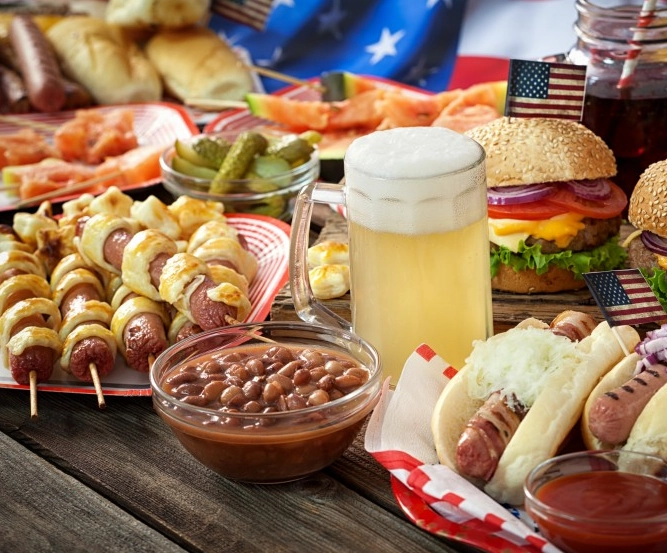
Then there's regionalism. The food in Portland, Oregon has almost nothing in common with the food in Charleston, South Carolina. They're different countries on the same plate. This hyper-local focus is a reaction to decades of standardized, coast-to-coast chain restaurants. People now crave a sense of place on their fork.
And you can't ignore the casualization of fine dining. The most exciting meals I've had recently weren't in stuffy rooms with white tablecloths. They were at a counter in a converted garage, or from a food truck with picnic tables. Quality and creativity have divorced themselves from formality. The best barbecue joint might be in a gas station parking lot—and have a line out the door.
A Common Mistake: Tourists often stick to famous chain restaurants for "consistency." That's the surest way to miss the point. The magic happens in the local, often quirky, one-off spots. Consistency is overrated; character is what you're here for.
How Did American Food Culture Get So Diverse?
The story is in the layers. First, you have the indigenous foundation: corn, beans, squash, wild game, and seafood. Then came the European colonists, bringing wheat, dairy, and livestock. This collision created the first truly "American" foods—think New England clam chowder or Pennsylvania Dutch scrapple.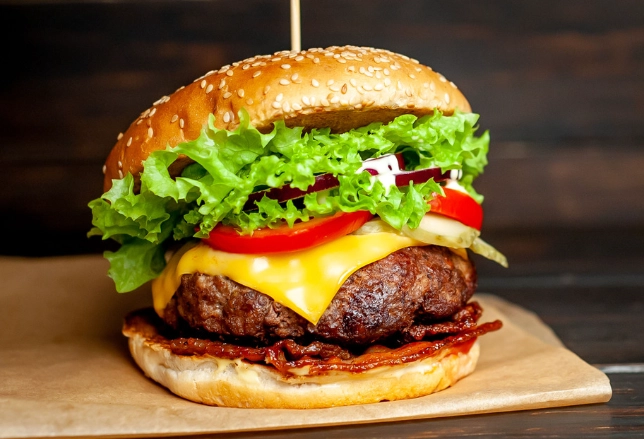
The 19th and 20th centuries brought waves of immigration that fundamentally reshaped cityscapes and dinner plates. Italian immigrants didn't just give us pizza; they created entire neighborhood food ecosystems. The same goes for Chinese communities with regional Chinese-American cuisine, Jewish communities with bagels and deli culture, and Mexican communities whose influence now stretches far beyond the border states.
The post-WWII era introduced another layer: industrialization and convenience. Frozen TV dinners, fast food chains, and canned goods promised a modern, efficient kitchen. This is where the global stereotype of processed American food was born. But here's the twist: we're now in a post-convenience era. That drive for efficiency created a counter-movement—the farm-to-table and slow food revolutions—that is just as authentically American.
A Culinary Road Trip: Must-Try Regional Foods
To understand American food, you have to break it down by region. This isn't just about ingredients; it's about history and geography on a plate.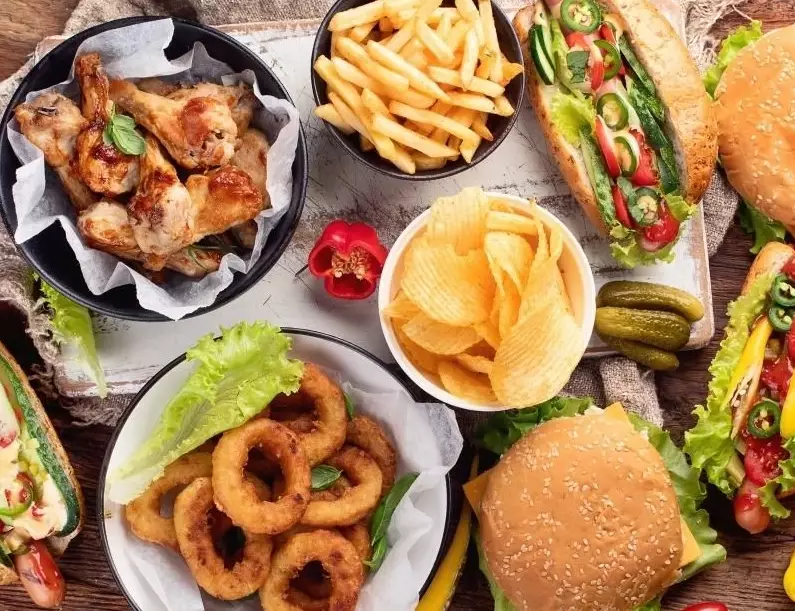
| Region | Signature Dishes & Styles | The Vibe & Where to Start |
|---|---|---|
| The Northeast | New England clam chowder, Maine lobster rolls, New York-style pizza and bagels, Philadelphia cheesesteak, Buffalo wings. | Historic, seafood-centric, deli culture is religion. In Boston, hit the Union Oyster House (oldest restaurant in the US) for chowder. In NYC, skip the famous pizza spots with hour-long lines and find a busy neighborhood slice joint. |
| The South | Lowcountry boils (SC), Carolina barbecue (vinegar-based), Nashville hot chicken, Cajun/Creole gumbo & jambalaya (LA), biscuits and gravy. | Storytelling through food. It's slow, generous, and deeply tied to place. For real barbecue, drive the backroads of North Carolina. In New Orleans, get a po'boy from a place like Parkway Bakery & Tavern—it's an experience. |
| The Midwest | Chicago deep-dish pizza, Wisconsin cheese curds, Cincinnati chili (over spaghetti!), Michigan pasties, hotdish casseroles. | Comfort food, hearty, community-focused. It's less about trendy restaurants and more about supper clubs, church potlucks, and iconic diners. Don't knock the casserole until you've tried a proper tater tot hotdish. |
| The Southwest | Tex-Mex (breakfast tacos, queso), New Mexican cuisine (Hatch green chile on everything), Sonoran hot dogs (AZ), authentic Mexican from border towns. | Big flavors, fusion of Mexican and Anglo traditions. The chile is the star here. In Santa Fe, NM, the question isn't "red or green?" it's "Christmas?" (meaning both). |
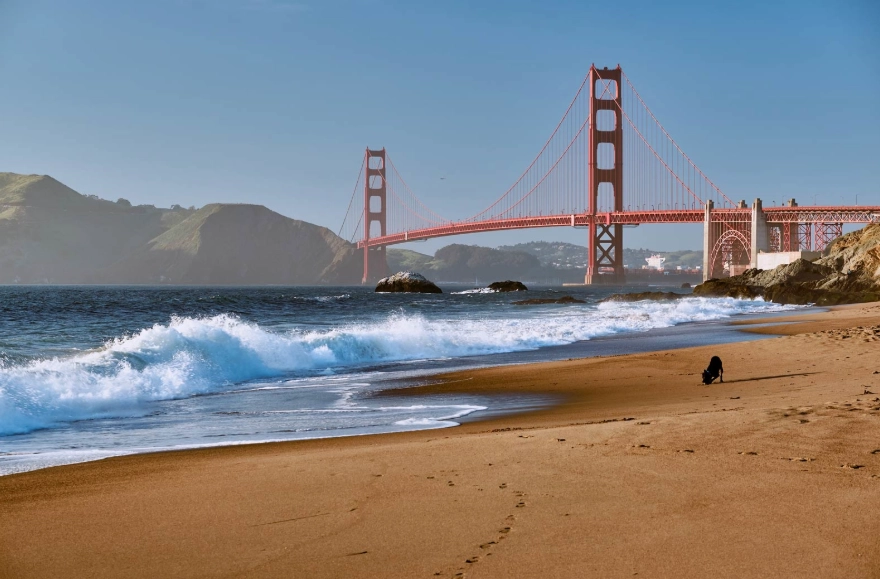
| The West Coast | California cuisine (farmers' market-driven), San Francisco sourdough, Pacific Northwest seafood (Dungeness crab, salmon), Hawaiian plate lunch. | Innovative, fresh, health-conscious but not afraid of indulgence. The food truck scene is elite here. In LA, the best meal might be Korean-Mexican fusion from a truck in K-Town. |
My personal bias? The South wins for sheer soulfulness. But the West Coast's relentless creativity is impossible to ignore.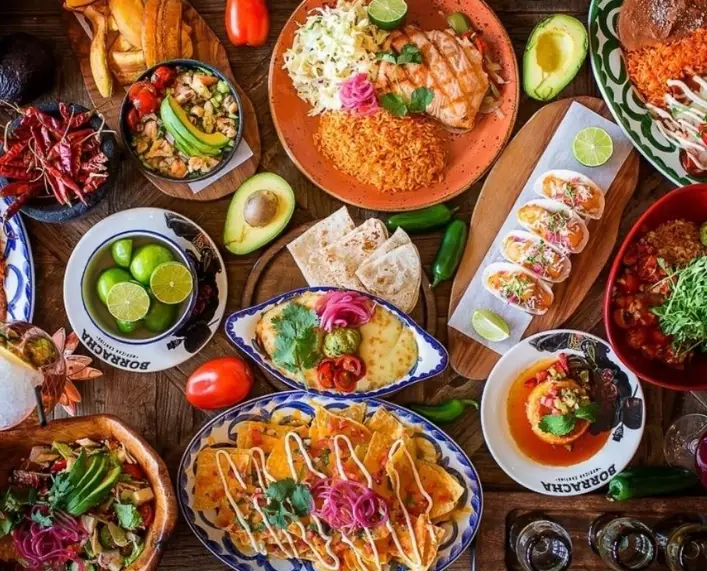
What's Cooking Now? Modern American Dining Trends
The current scene is fascinating. The farm-to-table movement isn't a trend anymore; it's a baseline expectation for good restaurants. Menus list the farm where your carrots were grown. This has boosted amazing regional products—like heirloom grains in the Midwest or specialty citrus in California.
Fast-casual refinement is huge. Chains like Sweetgreen (salads) or Chipotle pioneered it, but now you see it everywhere: build-your-own grain bowls, artisanal sandwich shops, high-quality burger bars. It's the sweet spot between fast food speed and restaurant-quality ingredients.
And then there's the celebrification of immigrant cuisines. It's no longer just "ethnic food." Chefs with Vietnamese, Filipino, Ethiopian, and Syrian heritage are getting national acclaim, telling their family stories through food and finally moving those cuisines into the mainstream fine-dining conversation. This is the most exciting part of eating in America today.
A word of caution: the "Instagram food" phenomenon is real. Some places prioritize looks over taste. If a dish has more than two types of glittery dust or comes in a wildly impractical container, manage your expectations.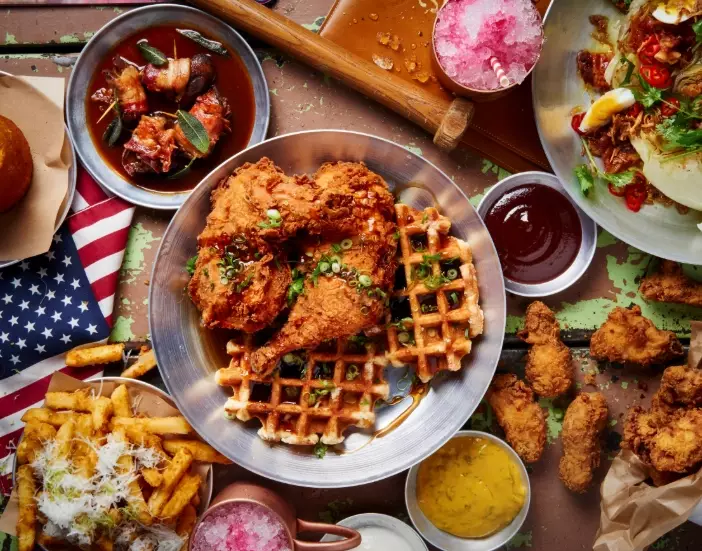
Your Guide to Eating in America: Tips & Tricks
Let's get practical. How do you actually navigate this?
Portions are large. It's true. Sharing an entree is a smart move. Don't feel pressured to clean your plate; asking for a to-go box ("doggy bag") is completely normal.
Tipping is not optional. Service staff are paid a lower wage with the expectation of tips. For sit-down service, 18-20% of the pre-tax bill is standard. For counter service, a dollar or two in the tip jar is appreciated but not always expected.
Finding the good stuff:
- Skip Yelp's top 10. Scroll down to the 3.5 to 4.2-star range and read the detailed reviews. The 5-star places are often overhyped.
- Look for phrases like "hole-in-the-wall," "locals' spot," or "no-frills." That's where the flavor is.
- Ask your Uber driver or hotel concierge where *they* eat on their day off.
Dietary needs: Vegetarian, vegan, and gluten-free options are widespread in cities, less so in rural areas. Always ask. The term "plant-based" is very in vogue.
How to Order Like You Know What You're Doing
Walk into a busy diner at 8 am. Don't stare blankly at the menu. Order "two eggs over easy, crispy hash browns, wheat toast, and a side of bacon." Coffee will keep coming. You've just participated in a classic American ritual.
At a barbecue joint, you order by the meat (brisket, ribs, pulled pork) and the weight (half-pound, pound). Sides are separate. Get the coleslaw and baked beans. Use the sauce provided, but taste the meat first—good barbecue stands on its own.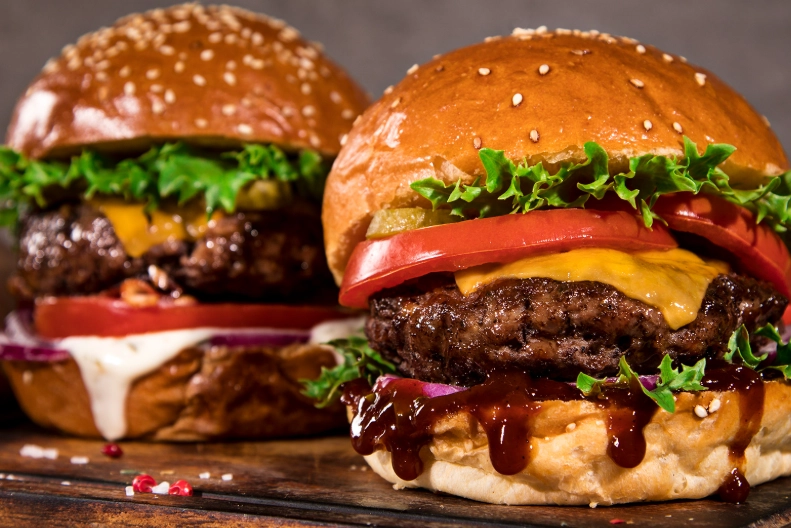
Your American Food Questions, Answered
So, what is the food culture like in America? It's a work in progress. It's messy, inventive, nostalgic, and forward-looking all at once. It's a diner counter at 6 a.m. and a tasting menu at 8 p.m. It's the smell of smoked brisket in Texas and fresh sourdough in San Francisco. To experience it, you have to get out of the airport, put down the guidebook to the chain restaurants, and follow your nose to where the locals are actually eating. That's where you'll find the real America—on a plate.

Comments
Leave a Comment