Let's be honest. Planning a family vacation in the USA can feel overwhelming. The country is massive, and the options seem endless. Theme parks, national parks, big cities, beaches—how do you choose the right spot that will keep your kids engaged (and not complaining) while giving you a memorable break too?
I've been traveling across the States with my own kids for over a decade, from toddler meltdowns in airport terminals to those perfect, silent moments watching a geyser erupt in Yellowstone. The secret isn't finding the single "best" place. It's about matching the destination to your family's unique rhythm, interests, and your children's ages.
Your Quick Trip Planner
How to Choose the Perfect USA Destination for Your Family
Forget the generic "top 10" lists for a second. The first question isn't "where should we go?" but "who are we traveling with?" A trip that's magical for a 5-year-old might bore a teenager to tears, and a destination perfect for teens could be a logistical nightmare with a toddler.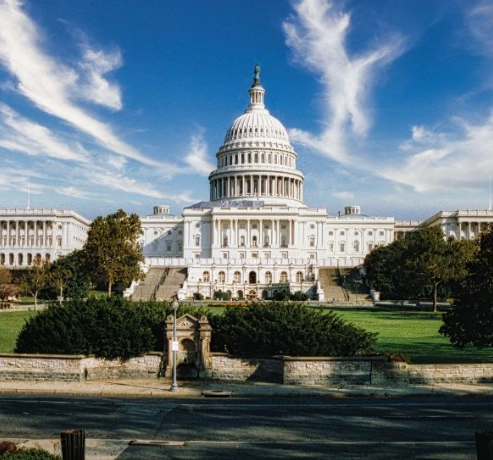
Here’s a simple framework I use when friends ask for advice:
| Kid's Age Group | What They Love | Top USA Destination Types |
|---|---|---|
| Toddlers & Preschoolers (2-5) | Simple routines, familiar characters, playgrounds, animals, short attention spans. | Controlled environments like theme parks (Disney), children's museums, beach resorts with calm water, zoos. |
| School-Age Kids (6-12) | Adventure, hands-on learning, pools, interactive exhibits, starting to appreciate nature. | National parks (Yellowstone, Grand Canyon), interactive science museums, dude ranches, water parks, historical sites with reenactments. |
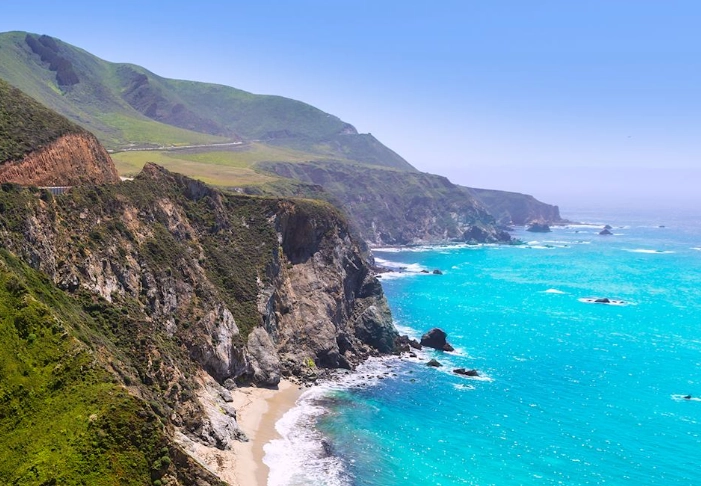
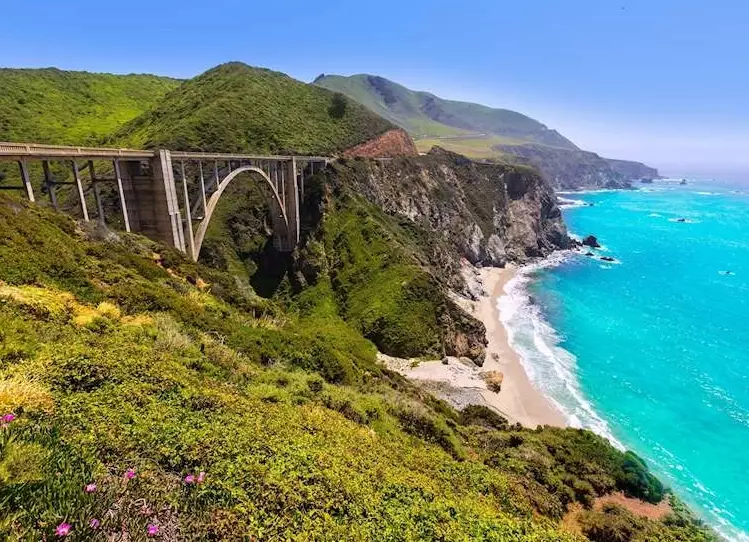
| Teens (13+) | Independence, Instagram-worthy spots, thrills, unique experiences, food, shopping. | Major cities (NYC, LA), adventure parks (zip-lining, snorkeling), iconic road trips (Pacific Coast Highway), concert or sports events. |
My biggest piece of advice? Don't try to cram in everything. With younger kids, pick one base and explore slowly. A common mistake is planning a coast-to-coast marathon, spending more time in transit than actually enjoying a place. A focused 5-day trip to one region beats a frantic 10-day, 4-city tour every time.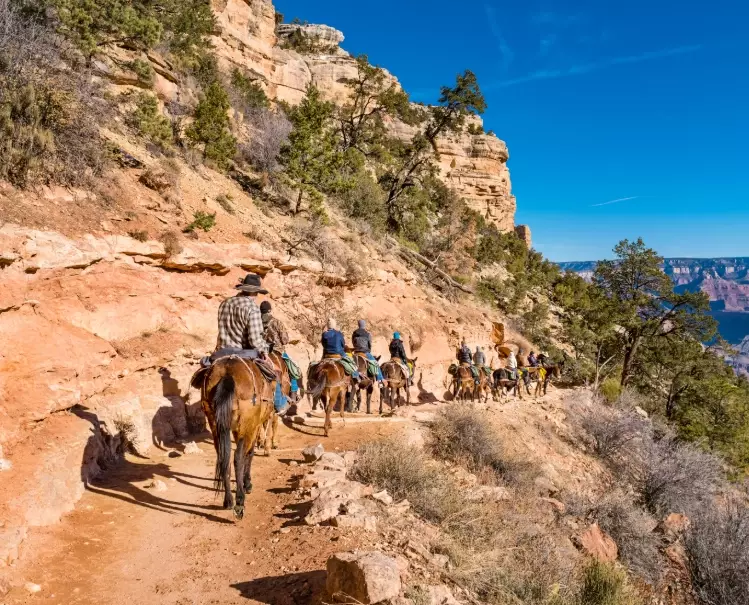
Top Kid-Friendly Destinations in the USA: A Detailed Breakdown
Based on that age framework, let's dive into specific places. I'm including the nitty-gritty details—ticket prices, best times to go, how to navigate—that actually help you plan.
1. The Theme Park Capital: Orlando, Florida
Orlando is the obvious heavyweight, and for good reason. It's a one-stop shop for engineered fun. But it's also expensive and can be overwhelming.
The Big Players:
- Walt Disney World Resort: It's more than a park; it's an ecosystem. You need a strategy. Ticket prices vary wildly by season and park, but expect $120-$160 per person, per day for base tickets. Park Hopper options add more. Genie+ is essentially the new paid FastPass—factor in an extra $20-$35 per person daily to skip some lines. Staying on Disney property gets you early park entry, which is a huge advantage.
- Universal Orlando Resort: This is the winner for families with older kids and teens obsessed with Harry Potter, Marvel, or Jurassic Park. The Park-to-Park ticket (around $170-$190/day) is mandatory if you want to ride the Hogwarts Express between the two main parks. The on-site hotels (like Cabana Bay) are often more affordable than Disney's and still give you early park admission.
Getting Around: You need a rental car in Orlando unless you're doing a 100% Disney-only trip and using their buses. Rideshares add up quickly for a family of four.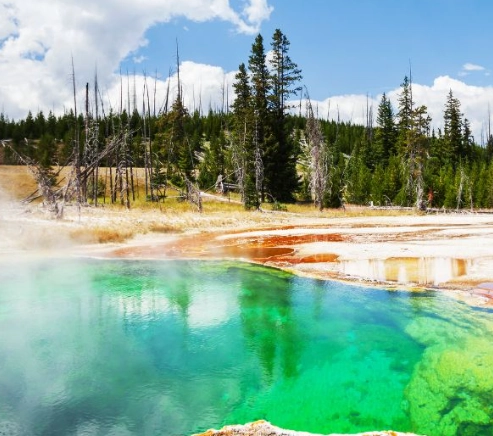
2. Nature's Playground: The National Parks
If your family needs a screen detox, this is the antidote. The U.S. National Park Service manages over 400 sites. For first-timers with kids, I recommend starting with one of the "greats."
Yellowstone National Park (Wyoming/Montana/Idaho):
Address: Primarily in Wyoming, with entrances in Montana and Idaho.
Best for: Ages 6+. Toddlers will enjoy the geysers but the driving distances are long.
Must-Sees: Old Faithful (predictable!), Grand Prismatic Spring (view it from the overlook trail), and wildlife spotting in Lamar Valley.
Ticket: $35/vehicle for a 7-day pass. The America the Beautiful Annual Pass ($80) pays for itself if you visit more than 2-3 parks in a year.
Pro Tip: Stay in West Yellowstone, MT, or Gardiner, MT, for easier access. Book accommodations at least 6-12 months in advance. Don't just drive from geyser to geyser—get out on easy hikes like the Mammoth Hot Springs Terraces boardwalk.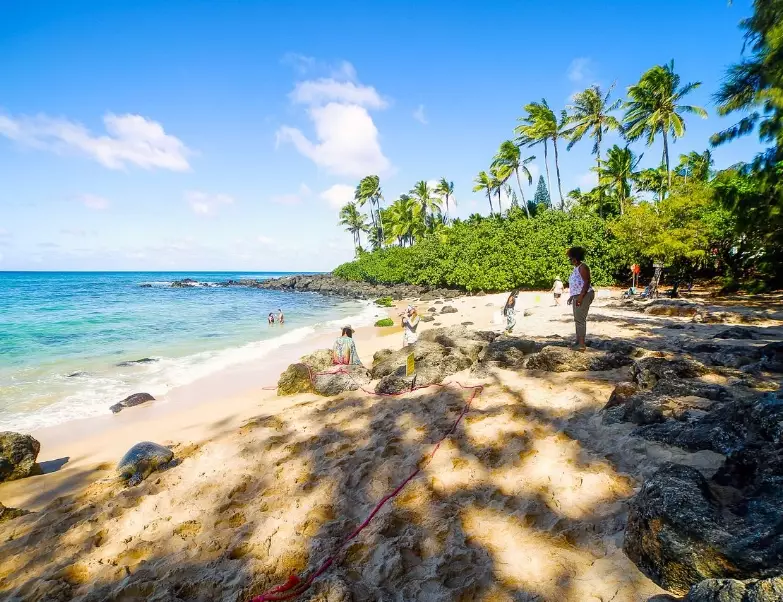
Grand Canyon National Park (Arizona):
Address: South Rim is the most accessible: South Entrance Road, Grand Canyon, AZ.
Best for: All ages. The view is right there from the rim.
Key Info: The South Rim is open year-round and is most family-friendly. The free Hermit Road Shuttle (March-Nov) takes you to stunning viewpoints without fighting for parking.
Don't Miss: The Junior Ranger Program (available at almost all national parks). Kids complete a small activity book and get a badge. It's free and fantastic for engagement.
3. City Adventures: History, Museums & Buzz
Don't write off cities! They offer dense, walkable (or subway-able) experiences with incredible variety.
Washington D.C.: Possibly the best educational bang for your buck. The Smithsonian museums (Air and Space, Natural History) are free. The National Mall is a giant park to run around. Use the Metro subway—it's clean and efficient. Time your visit to see the spring cherry blossoms or enjoy the less crowded fall.
New York City, New York: It's intense but unforgettable. Skip the expensive observation decks and take the Staten Island Ferry for a free, iconic view of the Statue of Liberty. The American Museum of Natural History is a classic for a reason. Central Park is your respite—rent a bike or a rowboat.
San Diego, California: A laid-back coastal vibe. The world-class San Diego Zoo (in Balboa Park) is a full-day affair. The beaches (Coronado, La Jolla Shores) are gentle and perfect for kids. It's a great mix of activity and relaxation.
Practical Family Travel Tips: Making It Work
A great destination can be ruined by poor planning. Here’s what I’ve learned the hard way.
- Timing is Everything: Travel in shoulder seasons (April-May, Sept-Oct) for better weather and smaller crowds. Avoid major holidays if you can.
- Budget Realistically: Beyond flights and hotels, budget for:
- Food & Snacks (eating out adds up fast)
- Souvenirs (set a limit per kid beforehand)
- Unexpected costs (that extra sweatshirt at the chilly canyon rim, parking fees) - The Packing Game-Changer: Pack a separate, small backpack for each child with their own:
- Reusable water bottle
- Sunscreen
- Hat
- 2-3 small, non-messy snacks
- A lightweight toy/book
This distributes the weight and gives them responsibility. - Embrace Downtime: Schedule it. A post-lunch hotel swim or a quiet hour reading in the park prevents meltdowns. This isn't a military operation.




Comments
Leave a Comment