Here's the short answer you might not want to hear: the United States does not have an official, government-declared national dish. Unlike Japan with sushi or Italy with pasta, no act of Congress has ever named a single food to represent the entire country. Ask an American on the street, and you'll get a dozen different answers. That confusion, however, is the most American thing about it. The real answer lies not in a single plate but in a story of immigration, regional identity, and mass culture. If we're talking about the food that most powerfully symbolizes the modern U.S., its global reach, and its everyday life, the conversation starts and often ends with the hamburger. But to stop there misses the rich, contentious, and delicious debate that defines American food.
Your Quick Guide to America's Food Identity
Why the U.S. Has No Official National Dish
Think about it. How could one dish represent a place that includes the Creole gumbo of Louisiana, the deep-dish pizza of Chicago, the lobster rolls of Maine, and the Korean-Mexican tacos of Los Angeles? The U.S. is simply too big and too young, culinarily speaking. Its food identity is a patchwork quilt, not a single flag.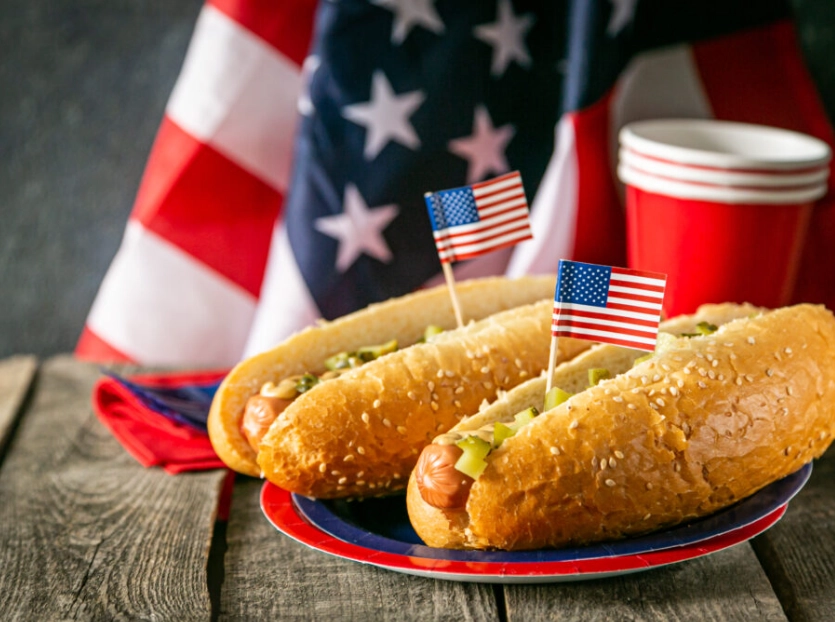
The primary reason is history. American cuisine is fundamentally immigrant cuisine. Every wave of newcomers brought their foodways, adapting them to new ingredients and, in turn, influencing the mainstream. The hot dog? German origins. The taco? Mexican, now utterly transformed into Taco Bell and gourmet fusion. Even the apple pie, that cliché of American-ness, has roots in English, Dutch, and Swedish cooking. Declaring one dish "national" would feel like erasing the others.
Then there's the corporate factor. In the 20th century, America perfected food industrialization and marketing. Foods like the hamburger, fried chicken, and Coca-Cola became global symbols not just through taste, but through relentless advertising and franchising. They represent a specific, powerful version of America: fast, convenient, and uniform. For many critics, this is a problem, not a point of pride.
The Top Contender: Why the Hamburger Wins the Popular Vote
Let's be real: it's the hamburger. If a nationwide election for national food were held today, the burger would win in a landslide. It's the great unifier. You can find a version of it in every single state, from a $2 fast-food patty to a $28 gourmet brioche creation with truffle aioli.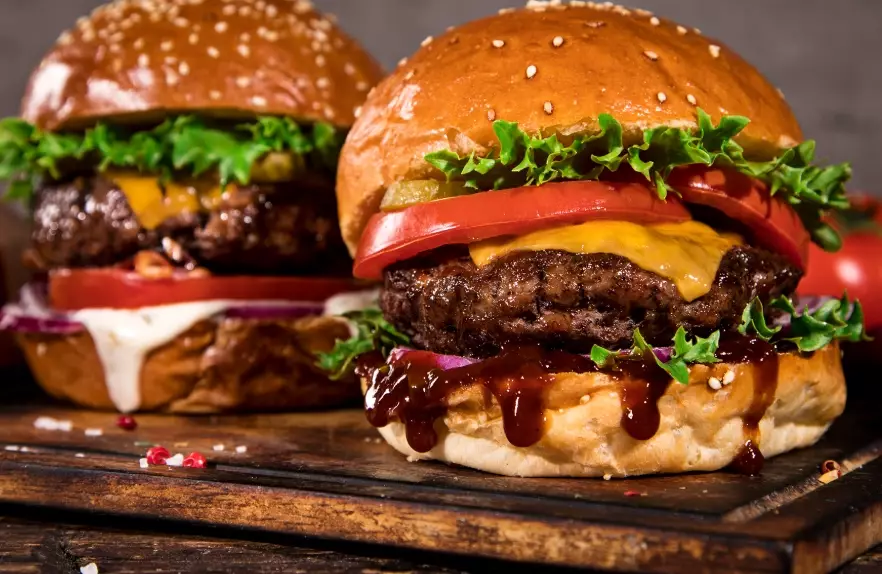
Its symbolic power is immense. It's the centerpiece of the backyard BBQ, the Fourth of July, and the classic American diner. It's a blank canvas that reflects American trends—think plant-based Beyond Burgers or keto-style lettuce wraps. Its origin story is itself a melting pot myth, often traced back to German immigrants in the Midwest, then popularized at fairs and eventually by giants like White Castle and McDonald's.
The Case Against the Burger (And Why It Still Wins)
Many food historians and chefs groan at the idea of the burger as a national symbol. "It's fast food," they say. "It's unhealthy. It's corporate." They have a point. But this criticism misses why it's so representative. America invented fast food as a cultural force. The burger's story is the story of 20th-century American innovation, for better or worse. It embodies accessibility, customization, and speed—values deeply ingrained in the national psyche. To dismiss it as "just junk food" is to ignore its profound cultural footprint.
The Regional Powerhouses (Stronger Than National)
Forget national—in America, regional is king. These dishes command a loyalty that a theoretical national dish never could. They're tied to geography, history, and local pride.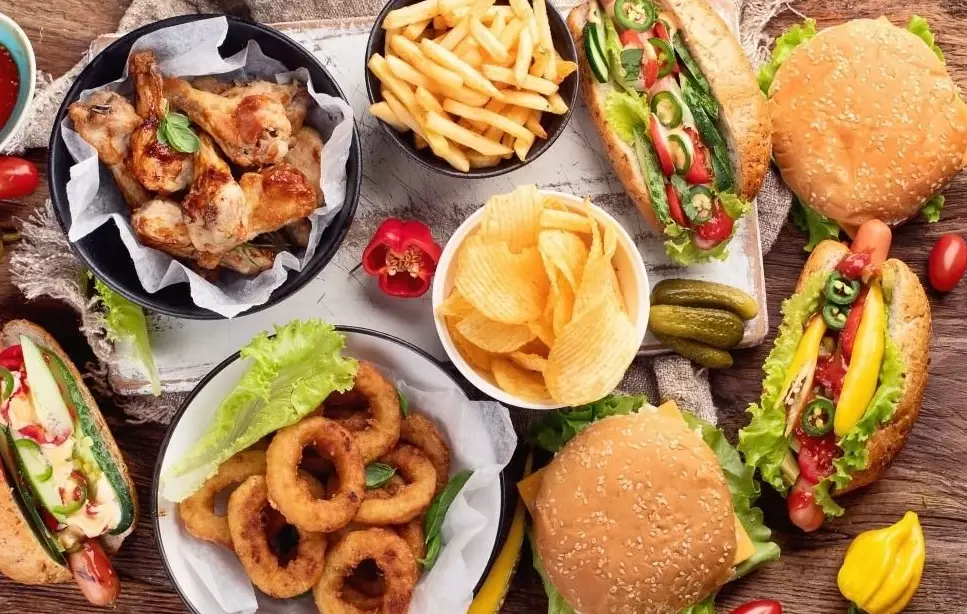
| Dish | Heartland Region | Why It's a Contender | A Key Local Ingredient |
|---|---|---|---|
| Texas Barbecue (Brisket) | Central Texas | A religion unto itself. Slow-smoked over post oak, it represents patience, craft, and a fiercely independent food culture. More than a meal, it's a pilgrimage. | Post Oak Wood, Salt & Pepper Rub |
| New England Clam Chowder | Northeast (Maine to Rhode Island) | The creamy, hearty soup of the Atlantic coast. It's history in a bowl, dating back to early settlers. The "Manhattan vs. New England" chowder rivalry is a classic East Coast debate. | Quahog Clams, Salt Pork |
| Southern Fried Chicken | The American South | Perfected by African American cooks, it's a cornerstone of comfort food and Sunday supper. It speaks to tradition, family, and a specific culinary genius born from hardship. | Buttermilk Marinade, Cast Iron Skillet |
| Tex-Mex (Fajitas, Nachos) | Southwest (Texas border) | A distinct cuisine born from Mexican and Anglo influences. It's America's most successful culinary fusion, evolving from ranch worker meals to a global phenomenon via chains like Chili's. | Yellow Cheese, Cumin, Flour Tortillas |
| Apple Pie | Symbolic (strong in Midwest & Northeast) | The ultimate culinary metaphor. "As American as apple pie" is the saying. It represents nostalgia, homesteading, and an idealized, wholesome past, even if its roots are European. | Varieties like Granny Smith or Honeycrisp |
You'll notice barbecue isn't one thing. North Carolina vinegar sauce and Texas brisket might as well be from different planets. That's the point.
Where to Eat the "National" Dishes: A Food Lover's Map
If you want to taste the debate, you have to go to the source. Here are specific, iconic spots where these "national contender" dishes are done at their absolute best. This isn't a generic list; these are places that define the standard.
1. For the Purist Hamburger: Peter Luger Steak House (Brooklyn, NY)
Address: 178 Broadway, Brooklyn, NY 11211. Don't go to the tourist traps in Manhattan.
The Burger: It's only served at lunch. This isn't a fancy burger. It's a thick, dry-aged patty from their legendary steak trimmings on a simple bun. No lettuce, no tomato. Maybe onions. It's about the profound, mineral-rich flavor of the beef itself. It argues that the burger's soul is in the quality of the meat, not the toppings.
Price & Hours: ~$22. Served Monday-Friday, 11:45 AM - 3:45 PM. Cash only. Reservations are mythical; go early and wait.
My Take: It's expensive and inconvenient. And it completely recalibrates what a burger can be.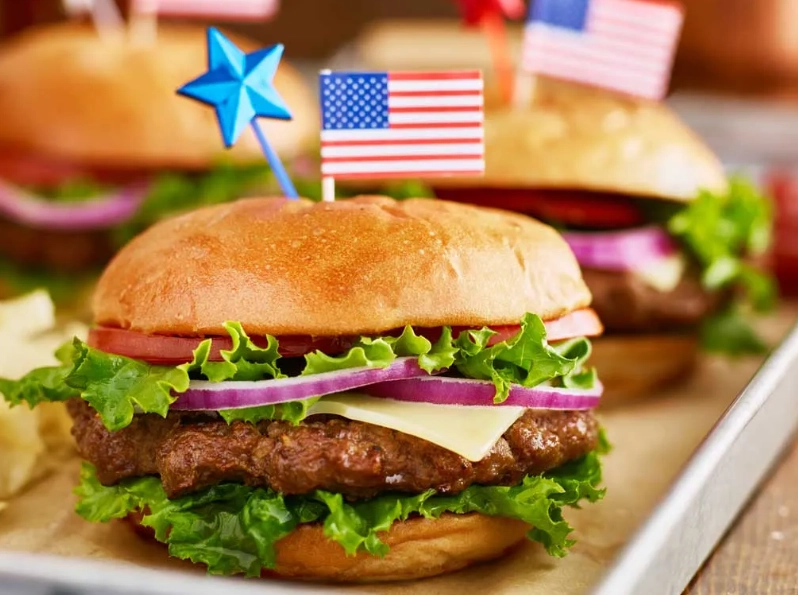
2. For the Barbecue Pilgrimage: Franklin Barbecue (Austin, TX)
Address: 900 E 11th St, Austin, TX 78702.
The Dish: The brisket. It's the benchmark. Moist, smoky, with a perfect black "bark" (the seasoned crust).
The Experience: This is the test. Lines start before 6 AM for an 11 AM opening. You'll wait 4-6 hours. You bring chairs, make friends. It's a tailgate party for meat. By the time you eat, you're either a believer or think it's the most ridiculous thing ever.
Price & Hours: Brisket ~$34/lb. Tuesday-Sunday, 11 AM until sold out (usually by 2 PM).
Local Tip: If the line defeats you, Micklethwait Craft Meats a few blocks away is 95% as good with a fraction of the wait. But Franklin is the cultural event.
3. For the Real Clam Chowder: The Oyster Club (Mystic, CT)
Address: 13 Water St, Mystic, CT 06355.
The Dish: Their New England Clam Chowder. It's not the gloppy, flour-heavy stuff. It's briny, creamy but not thick, packed with local clams and potatoes. It tastes like the sea.
Why Here: Mystic is a historic seaport. They source hyper-locally. Sitting in their dining room eating this chowder feels connected to centuries of New England history in a way a chain restaurant never could.
Price & Hours: ~$14 bowl. Open daily for dinner, limited lunch hours. Check their website.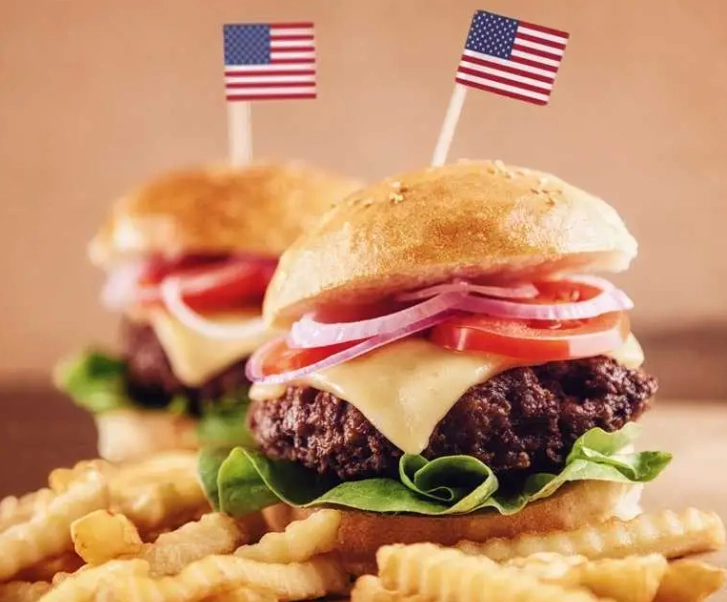
These places show that the "national dish" isn't about a recipe. It's about context, ingredient sourcing, and ritual.


Comments
Leave a Comment