Let's cut to the chase. If you're searching for the number one tourist destination in the United States, the answer is New York City. It's not really a debate. Year after year, data from the U.S. National Travel and Tourism Office (NTTO) confirms it: NYC welcomes more international visitors than any other American city by a huge margin. For domestic travelers, it's perpetually in the top three. But raw numbers don't tell the whole story. The real question isn't *if* it's number one, but *why*—and more importantly, how you should experience it.
I've lived nearby and visited countless times over the last fifteen years. I've made every mistake—trying to cram too much into one day, falling for overpriced tourist traps, and underestimating the sheer size of the place. This guide is what I wish I'd had: a clear, practical, and honest look at what makes NYC the champion, and how you can visit without the overwhelm.
Your NYC Trip Navigator
Why New York City Earns the #1 Spot
Other cities have great food or famous landmarks. New York has a critical mass of everything, all operating at a scale and intensity you won't find elsewhere. It's the cultural capital, the financial capital, and the media capital rolled into one. Think of it as a theme park where the theme is "human ambition and creativity."
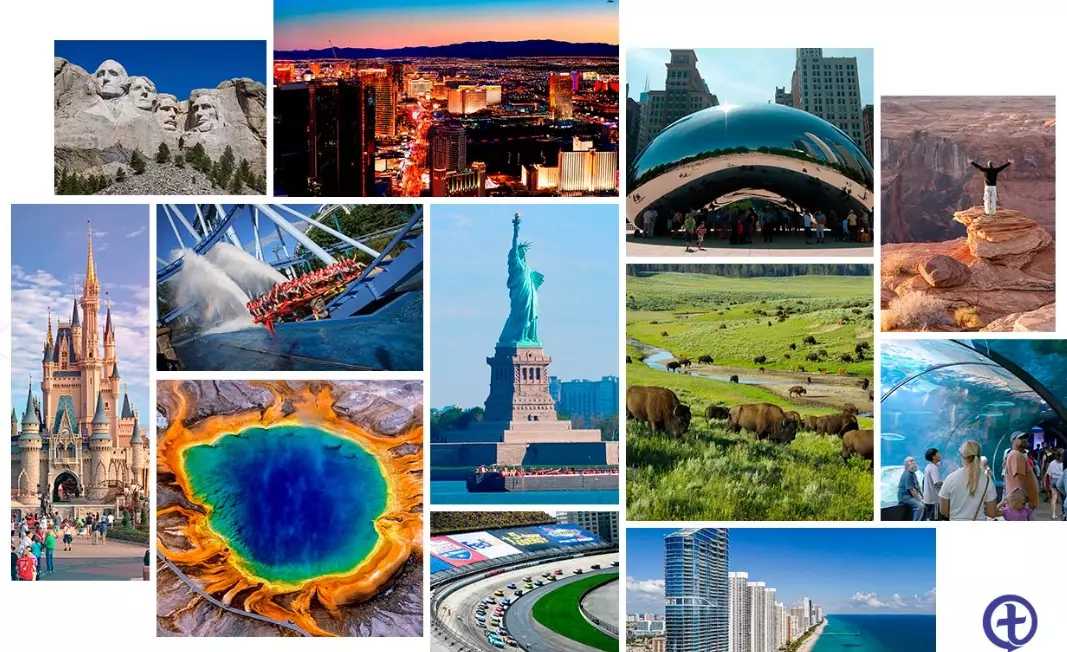
First, the icons are undeniable. The Statue of Liberty isn't just a statue; it's a global symbol. Times Square, for all its chaotic commercialism, is a spectacle of light and energy that genuinely has no equal. Central Park is a 843-acre masterpiece of urban planning that feels worlds away from the skyscrapers framing it.
Then there's the depth. Beyond the postcard sights, you have world-leading institutions like the Metropolitan Museum of Art and the Museum of Modern Art (MoMA). You have the theater of Broadway, the history of Ellis Island, the skyline views from the Empire State and One World Observatory. Each neighborhood—Chinatown, Little Italy, Greenwich Village, Harlem—feels like its own distinct city with unique food, architecture, and vibe.
The transportation is a key, underrated factor. The subway, for all its grumbles, connects the entire city 24/7. You don't need a car. You can get from a museum in Midtown to a dive bar in Brooklyn in 30 minutes. That accessibility is a huge part of its tourist appeal.
Top Attractions: A Realistic Deep Dive
Here’s where most articles just list places. Let's get specific about what you need to know to actually visit them. Prices and hours change, so always check official websites before you go.
| Attraction | Address & Nearest Subway | Key Info & Ticket Advice | Realistic Time Needed |
|---|---|---|---|
| Central Park | Between 59th & 110th St, CPW & 5th Ave. Subway: Various (e.g., 59 St-Columbus Circle). | Free entry. Must-sees: Bethesda Terrace, Strawberry Fields, The Lake. Rent a bike or take a guided walk if short on time. | A quick walk-through: 1-2 hrs. To explore properly: Half a day. |
| The Metropolitan Museum of Art | 1000 5th Ave. Subway: 86 St (4,5,6). | General admission is $30 for adults (NY State residents pay what you wish). It's enormous. Download the map and target 2-3 collections (Egyptian, European Paintings, American Wing). | Absolute minimum: 2 hours. A decent visit: 3-4 hours. |
| Empire State Building | 20 W 34th St. Subway: 34 St-Herald Sq (B,D,F,M,N,Q,R,W). | Standard tickets start at $44. Go at sunset for the best light, but biggest crowds. Consider the Top of the Rock (30 Rockefeller Plaza) as an alternative—it has an open-air deck and includes the ESB in its view. | With security and elevators: 1.5 - 2 hours. |
| Statue of Liberty & Ellis Island | Ferry from Battery Park. Subway: Bowling Green (4,5). | You MUST book ferry tickets in advance via Statue Cruises. The basic ticket ($24.50) gets you to the islands. Pedestal or Crown access sells out weeks ahead. | This is a half-day commitment: 4-5 hours minimum with ferry travel. |
| Times Square | Broadway & 7th Ave, 42nd to 47th St. Subway: Times Sq-42 St (1,2,3,7,N,Q,R,W,S). | It's free, always open, and incredibly crowded. Best experienced at night when the screens are brightest. Go see it, take your photo, but don't plan to eat or shop here—prices are inflated. | 30 minutes to 1 hour is plenty. |
The High Line & Chelsea Market
This is a perfect example of NYC's evolving attractions. The High Line is a park built on a historic freight rail line, elevated above the streets on Manhattan's West Side. It's free, beautiful, and offers unique city views. Enter at Gansevoort St in the Meatpacking District and walk north. You'll end up near Chelsea Market, a massive indoor food hall. Grab a lobster roll from The Lobster Place or some tacos from Los Tacos No. 1. This combo—a scenic walk followed by great food—feels authentically New York.
Beyond Pizza: A Real NYC Food Guide
Yes, you need a slice of New York pizza and a bagel with lox. But the food scene is so much deeper. Don't just eat in tourist zones. Here are specific spots across budgets.
For an Iconic NY Deli Experience: Katz's Delicatessen (205 E Houston St). Pastrami on rye is the move. It's crowded, cash-only at the counters, and not cheap (a sandwich is around $25), but it's history on a plate. Go early on a weekday to avoid the worst lines.
For a Memorable (But Not Bank-Breaking) Meal: Ippudo NY (65 4th Ave) for ramen. Be prepared to wait. Or, Joe's Shanghai (9 Pell St) in Chinatown for famous soup dumplings (xiao long bao). Expect shared tables and brisk service.
For a Classic NYC Diner: Veselka (144 2nd Ave) in the East Village. Open 24/7, serving Ukrainian comfort food like pierogi and borscht alongside great burgers. Perfect for a late-night or hearty breakfast.
Avoid eating in Times Square. Walk a few blocks east to Hell's Kitchen (9th Ave) for a much better, more varied, and less expensive restaurant row.
Where to Stay: Neighborhoods & Hotels
Your hotel location dictates your trip's rhythm. Midtown is convenient for icons but crowded. Downtown is cooler but more expensive. Here’s a breakdown.
Midtown Manhattan: Best for first-timers who want to be in the thick of it. You can walk to Broadway, Times Square, Rockefeller Center, and MoMA.
Hotel Suggestion: The Moxy NYC Times Square. It's stylish, relatively new, and while rooms are compact, the social spaces and location are unbeatable for the price point (often $250-$350/night).
Lower Manhattan/Financial District: More relaxed at night, great for history (9/11 Memorial, Wall Street), and easy ferry access to Statue of Liberty. Can feel quiet on weekends.
Hotel Suggestion: Gild Hall, a Thompson Hotel. Feels like a boutique escape with a clubby vibe. Prices are often better than Midtown for the quality.
Brooklyn (Williamsburg/Dumbo): For a hipper, more local experience with stunning Manhattan skyline views. The subway ride is 10-20 minutes to Manhattan.
Hotel Suggestion: The Williamsburg Hotel. Rooftop pool with a view, spacious rooms by NYC standards. Expect rates similar to a nice Midtown hotel.
Making It Work: Sample Itineraries
Here’s how to structure your days. The key is grouping things by geography.
The 3-Day Blitz (First Timer's Must-Dos)
Day 1: Uptown & Icons. Morning at Central Park (rent a bike near Columbus Circle). Afternoon at The Met. Evening at the Top of the Rock for sunset views, then see a Broadway show.
Day 2: Downtown & History. Statue of Liberty/Ellis Island ferry (book the first slot). After returning, visit the 9/11 Memorial & Museum. Walk across the Brooklyn Bridge at dusk for the iconic view back to Manhattan. Dinner in Dumbo.
Day 3: Midtown & Culture. Morning at MoMA or the Museum of Natural History. Afternoon exploring Times Square, Grand Central Terminal, and the New York Public Library. Evening walk on the High Line ending at Chelsea Market for dinner.
The 5-Day Deep Dive
Follow the 3-day plan, then add:
Day 4: Neighborhood Day. Explore Greenwich Village, SoHo, and Little Italy/Chinatown on foot. This is for coffee shops, boutique shopping, and soaking in the architecture.
Day 5: Choose Your Adventure. Option A: A museum you missed (The Guggenheim, The Whitney). Option B: A day trip (like a half-day in Harlem for a gospel service and soul food lunch). Option C: Relax in Bryant Park and do some last-minute shopping.
NYC Travel FAQ: Your Questions Answered
 How much should I realistically budget for a 5-day trip to New York City?
 Is the New York CityPASS or similar attraction discount pass worth it?

Comments
Leave a Comment