If you're searching for a "San Francisco travel advisory," you're probably seeing a lot of generic safety warnings. That's not very helpful, is it? After a decade of guiding friends and family through this city, I've learned the official advisories miss the mark. They tell you to "be cautious" but don't show you how. A real advisory should be your blueprint for an amazing trip, not a list of fears. This guide cuts through the noise. We'll cover the practical safety nuances, transportation hacks that save hours, neighborhood truths you won't find on postcards, and a realistic itinerary that actually works. Consider this your local friend's unfiltered playbook.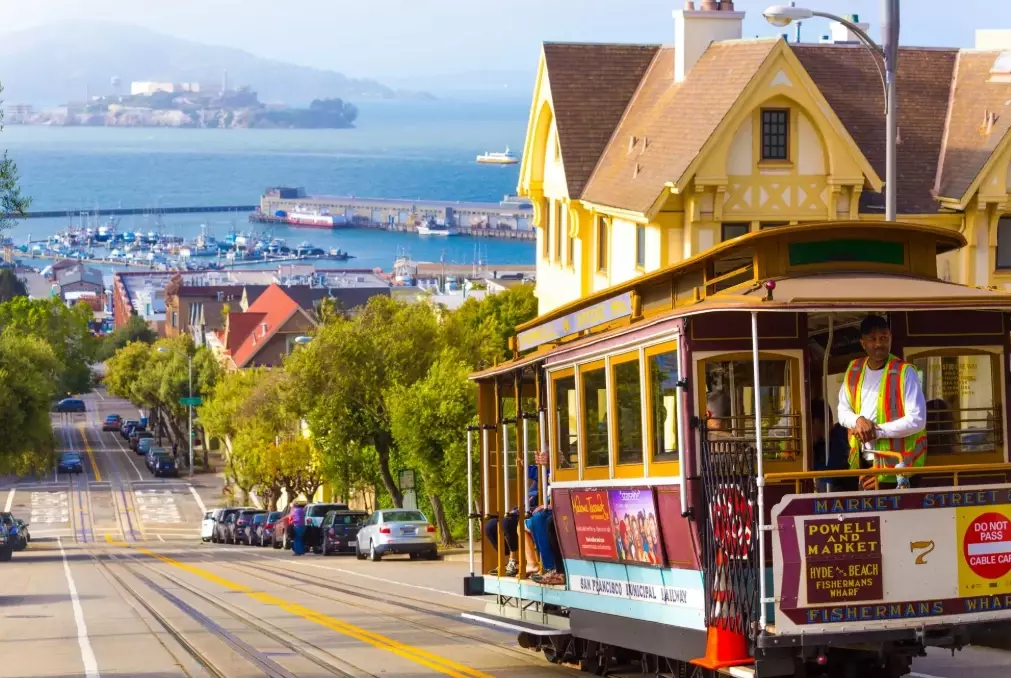
What's Inside This Guide
- What a Travel Advisory Really Means for SF
- Safety First: Practical, Not Paranoid Tips
- Navigating Transportation: Your Options Decoded
- Where to Stay: Neighborhood Breakdown
- A Realistic 3-Day San Francisco Itinerary
- Eating Well (Without Breaking the Bank)
- Managing Your Budget: Hidden Costs Exposed
- The Non-Obvious Packing List
- Your Burning Questions Answered
What a San Francisco Travel Advisory Really Means (Beyond the Headlines)
Let's reframe this. A travel advisory isn't a "don't go" sign. For San Francisco, it's a reminder to swap a tourist mindset for a savvy urban traveler's mindset. The core issues are property crime (like car break-ins) and navigating stark neighborhood contrasts. The city's official SF.gov website and the SFPD publish crime statistics and prevention tips, which are useful for context. The mistake most visitors make is treating every area with the same level of guard. You'll be on high alert in a chaotic spot like the Tenderloin at night, but can relax more in the Sunset District at a park. The advisory, then, is about situational awareness, not uniform fear.
Safety First: Practical, Not Paranoid Tips
Forget vague advice. Here's exactly what to do and where to be extra mindful.
Neighborhood Nuances: A Quick Reality Check
San Francisco changes block by block.
- Union Square/Downtown/Tenderloin: This is the core caution zone. Daytime is fine for shopping. At night, stick to well-lit, busy streets. The Tenderloin (west of Union Square) has severe poverty and open drug use. It's not a place for casual evening strolls. If your hotel is here, plan your route from transit.
- Fisherman's Wharf & Pier 39: Extremely safe but the most touristy. Be vigilant for pickpockets in dense crowds.
- North Beach, Marina, Pacific Heights: Generally very safe and lively at night. Great for walking.
- Haight-Ashbury, Mission, Castro: Vibrant and generally safe in their commercial cores. Be street-smart as you move away from the main drags, especially later at night.
- Golden Gate Park, Richmond, Sunset: Residential and very safe.
My personal strategy? I use my phone for navigation, but I keep it in my hand firmly, not loosely. I don't walk with noise-canceling headphones on. I carry a crossbody bag with a zipper, worn in front of me in crowded areas.
Navigating Transportation: Your Options Decoded
This is where most trip plans fall apart. Driving in SF is a special kind of stressful.
| Option | Best For | Cost Estimate | The Real Deal / Pro Tip |
|---|---|---|---|
| Rental Car | Day trips to Muir Woods, Napa, Big Sur. | $60-$120/day + parking ($30-$60/night). | A liability in the city. Parking is expensive and scarce. Only rent for the specific days you're leaving SF. |
| Muni (Buses, Streetcars, Cable Cars) | Getting almost anywhere within the city. | $3 per ride, or $13/day pass. | Download the MuniMobile app. It's clunky but essential for buying tickets. The iconic cable cars are part of Muni but cost $8 per ride. Worth it once for the experience, impractical for daily transport. |
| BART | Airport (SFO/OAK) to downtown, trips to Berkeley/Oakland. | From SFO to downtown: ~$10. | Fast and efficient for these specific routes. Don't use it to get to Fisherman's Wharf (doesn't go there). |
| Rideshare (Uber/Lyft) | Late nights, groups, steep hills, specific destinations. | $15-$30 for most cross-town trips. | Surge pricing is real after events or in bad weather. Often faster than Muni for point-to-point. |
| Biking | Golden Gate Park, Embarcadero, crossing the GG Bridge. | $10-$20/hour for rentals. | Only for the fit and brave. Hills are no joke. The bike lane on the Golden Gate Bridge is narrow and shared with pedestrians—go early morning. |
The winning combo? Use Muni for most daytime city travel, supplement with rideshares when needed, and only rent a car for out-of-town excursions.
Where to Stay: A Neighborhood Breakdown for Real People
Your hotel location dictates your trip's rhythm. Here’s the truth beyond the brochures.
- Union Square: Central for shopping and transit. But... it's noisy, can feel gritty at the edges, and hotel rooms are often small. Good if your priority is central location and you're okay with urban energy. Example: Hotel Zelos (modern, great restaurant). Rates: $250-$400/night.
- Fisherman's Wharf: Easy for first-timers with families. Walk to piers, sea lions, Ghirardelli. But... it's crowded, overpriced, and feels disconnected from the "real" SF. Food options are mostly tourist traps. Example: Argonaut Hotel (nautical theme, great views). Rates: $300-$500/night.
- North Beach/Telegraph Hill: My top recommendation for atmosphere. Feels like a European village. Amazing food (Italian), cozy cafes, walkable to Chinatown and the waterfront. Quieter at night but still lively. Example: San Remo Hotel (historic, charming, shared bathrooms). Rates: $150-$250/night.
- Marina/Cow Hollow: Upscale, clean, safe, beautiful views of the bay. Fantastic for running or walking along the water. Great boutique shopping and dining. Slightly longer transit to downtown. Example: Marina Motel (retro vibe, some rooms with kitchens). Rates: $200-$350/night.
- SoMa (South of Market): Near museums (SFMOMA), Oracle Park, tech offices. Modern high-rises. Can feel sterile and empty on weekends. Example: Hotel Via (rooftop bar, near ballpark). Rates: $220-$380/night.
A Realistic 3-Day San Francisco Itinerary That Actually Flows
This plan balances icons with local flavor and accounts for travel time and fatigue.
Day 1: Icons & Waterfront
Morning: Start at Fisherman's Wharf. See the sea lions at Pier 39, grab a sourdough bowl at Boudin Bakery. Walk to Ghirardelli Square for a free chocolate sample.
Afternoon: Walk or take the historic F-Market streetcar along the Embarcadero to the Ferry Building. Explore the artisan food market inside (go Tuesday, Thursday, or Saturday for the farmers market).
Evening: Take an Uber to North Beach. Dinner at Tony's Pizza Napoletana (get the award-winning Margherita) or Original Joe's for classic Italian-American. Wander the lit-up streets.
Day 2: Parks, Bridges & Views
Morning: Take a bus to Golden Gate Park. You can't see it all. Pick one: the Japanese Tea Garden ($15) or the California Academy of Sciences ($40+). Rent a paddle boat on Stow Lake.
Afternoon: From the west end of the park, take an Uber to the Golden Gate Bridge Welcome Center. Walk partway across the bridge (the view back to the city is the prize).
Evening: Uber to Land's End for sunset views over the ocean and bridge. Then head to the Inner Richmond for dinner at one of its incredible, affordable Asian restaurants like Burma Superstar (get the tea leaf salad).
Day 3: Culture & Neighborhoods
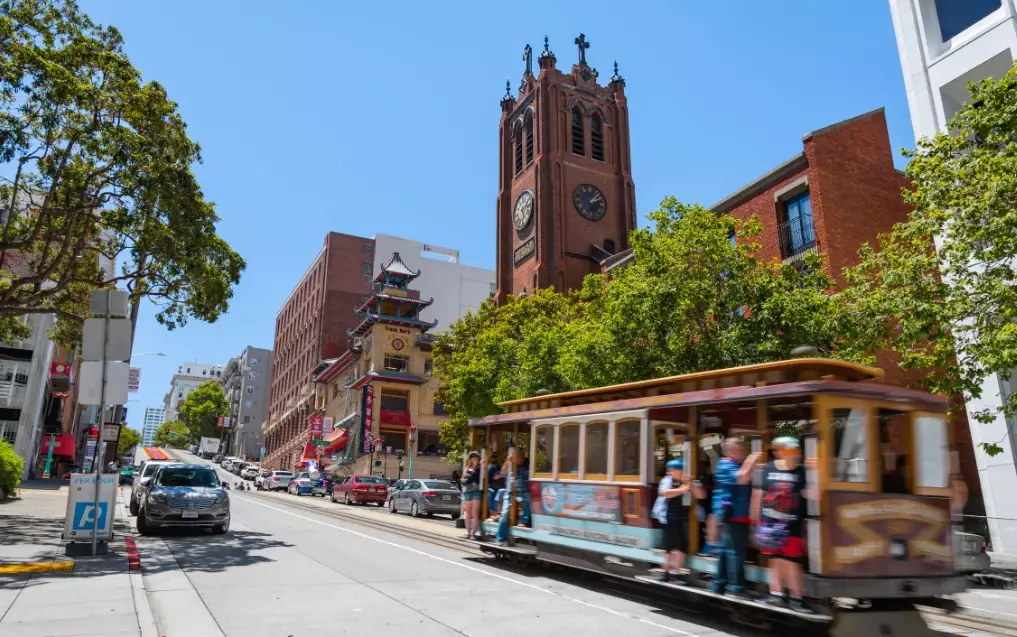
Morning: Explore Chinatown (enter through the Dragon's Gate on Grant Ave). Visit the fortune cookie factory in Ross Alley. Then walk up to Coit Tower on Telegraph Hill for 360-degree views.
Afternoon: Walk down to Jackson Square (historic architecture), then into the Financial District. Take BART or a bus to the Mission District. See the murals on Balmy Alley and Clarion Alley.
Evening: Grab a mission-style burrito (the debate: La Taqueria vs. El Farolito). Experience the nightlife on Valencia Street or catch a show at the historic Castro Theatre.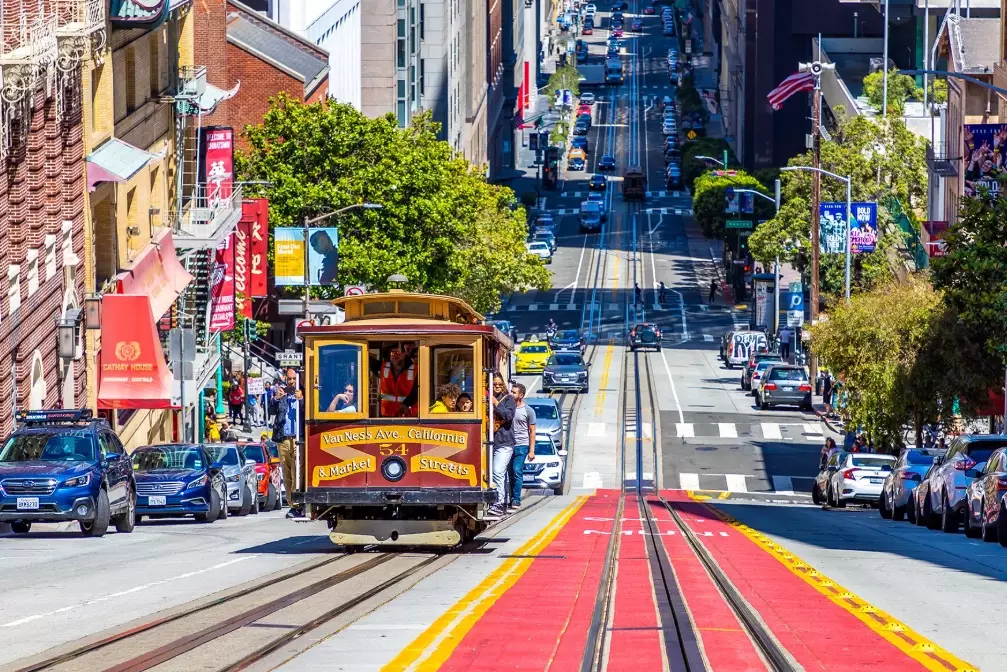
Eating Well in San Francisco (Without Breaking the Bank)
You don't need a Michelin star to eat like a king here.
- Breakfast/Bakery: Tartine Manufactory (Mission, famous bread & pastries, but expect a line). Devil's Teeth Baking Company (Outer Sunset, best breakfast sandwich).
- Lunch: Souvla (multiple locations, fast-casual Greek wraps, ~$15). Saigon Sandwich (Tenderloin, legendary $6 Vietnamese banh mi, cash only).
- Dinner (Sit-down): Nopa (Western Addition, Californian, wood-fired everything, lively, ~$30-40 mains). House of Prime Rib (Nob Hill, iconic SF experience, prix-fixe ~$70, book months ahead).
- Dinner (Casual): Good Good Culture Club (Mission, inventive Filipino-Californian, small plates). Ken Ken Ramen (Mission, excellent tonkotsu, ~$15).
Managing Your Budget: The Hidden Costs Exposed
SF is expensive, but the sticker shock often comes from surprises.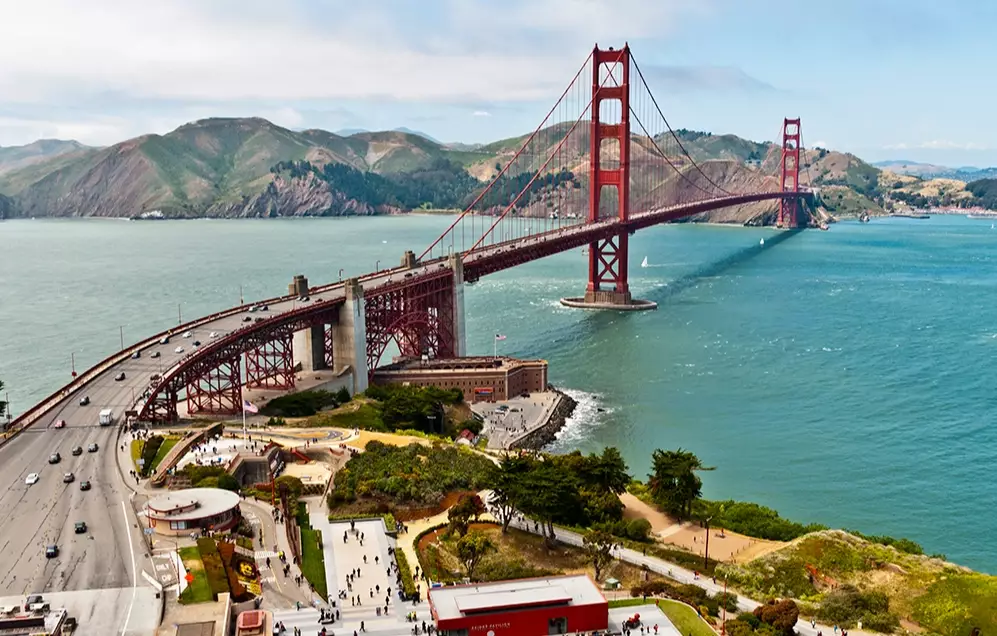
The Non-Obvious Packing List for San Francisco
Everyone says "layer." I'm telling you what that actually means.
- A Warm, Windproof Layer: Not just a hoodie. A packable puffer jacket or a fleece with a windbreaker. The wind off the bay is cold, even in summer.
- Comfortable Walking Shoes with Grip: I mean it. Your stylish sneakers might fail on our steep, slick (from fog) hills. Think hiking shoe-level comfort.
- Reusable Water Bottle & Tote Bag: Save money, reduce plastic. Many places charge for bags.
- Portable Phone Charger: You'll be using your phone for maps, photos, and Muni tickets all day.
- What NOT to Bring: A ton of fancy evening wear. The dress code is famously casual. Nice jeans and a jacket will get you into most restaurants.
Your Burning San Francisco Travel Questions Answered
Is it really worth driving to see the Golden Gate Bridge, or is there a better way?
Driving is the most stressful option. Parking at the south vista lot is a competitive sport and costs money. Take a Muni bus (like the 28) to the Golden Gate Bridge Welcome Center from downtown. Or, take a ferry from Fisherman's Wharf to Sausalito and sail right under the bridge—you get the iconic view from the water, and the ferry terminal is a short walk from the bridge's pedestrian path.
 I'm traveling alone. Are there specific areas I should avoid after dark?
Your solo status doesn't change the geography of caution much, but it does change your strategy. The Tenderloin, parts of the Mission away from Valencia Street, and the western side of SoMa near 6th Street can feel particularly isolating and tense at night. Stick to well-trafficked commercial corridors. Use rideshares door-to-door after dark instead of long walks from bus stops. Let someone know your general evening plan. Trust your gut—if a street feels empty and poorly lit, it's okay to turn around.
How do I deal with the famous San Francisco fog and still enjoy my trip?
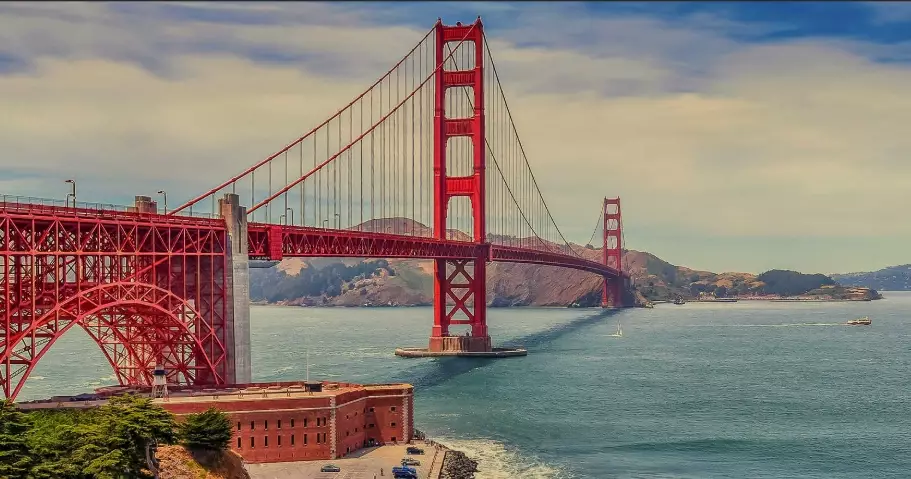
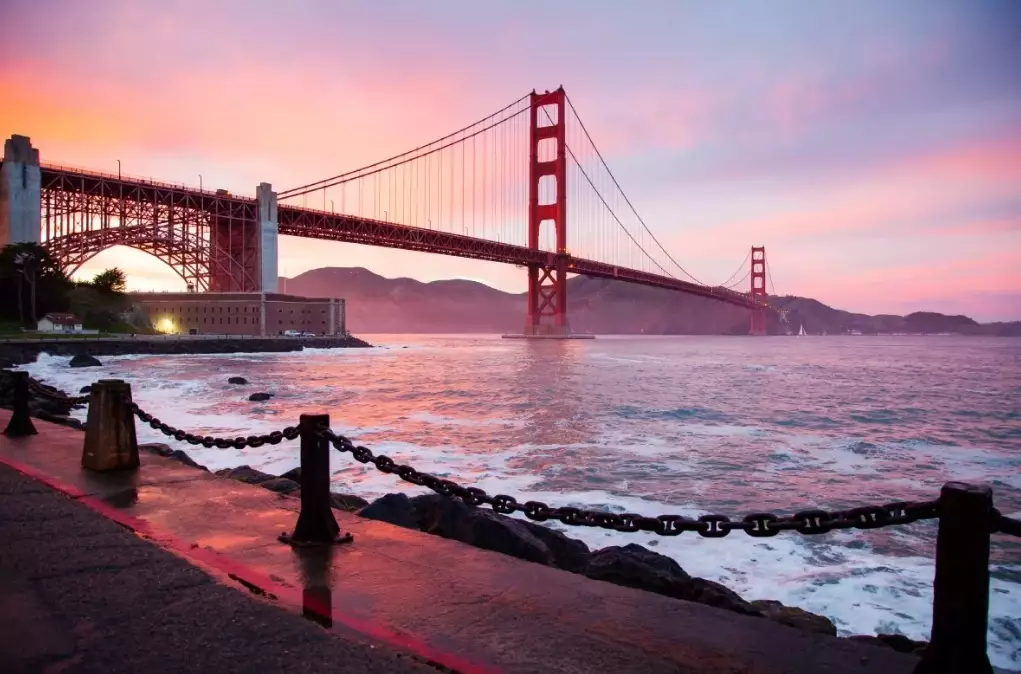
First, check the microclimate forecast. The fog ("Karl") usually rolls in from the ocean in the afternoon. Plan your outdoor view activities (like the bridge or Lands End) for morning. If you wake up to fog in your neighborhood, check a webcam for where you're headed—it might be sunny just a few miles away. Embrace it. The fog creates a mystical atmosphere. Pack that warm layer and see the bridge peeking in and out of the mist—it's a classic SF experience. Have a backup indoor plan for afternoons, like a museum.
 What's the biggest mistake first-time visitors make with their San Francisco itinerary?
Trying to cram in too many neighborhoods in one day. They'll map out Chinatown, Haight-Ashbury, and the Mission for an afternoon. The reality? Each deserves half a day, and travel between them on Muni can eat 45 minutes. You end up exhausted and seeing nothing in depth. Pick one or two areas per day and explore them thoroughly. Depth over breadth. San Francisco rewards lingering in a cafe, people-watching, and wandering down side streets.
Comments
Leave a Comment