Ask anyone around the world about American food, and you'll likely hear "burgers" or "hot dogs." But that's just scratching the surface. America's culinary scene is a wild mix of immigrant influences, regional pride, and pure indulgence. I've spent years traveling across the States, from diners in Ohio to barbecue joints in Texas, and here's the truth: American food isn't just fast food; it's a story of innovation, comfort, and sometimes, glorious excess. Let's dive into the dishes that truly define the USA, where to find them, and how to eat like a local without falling for tourist traps.
Your Food Journey Map
The American Burger: More Than Fast Food
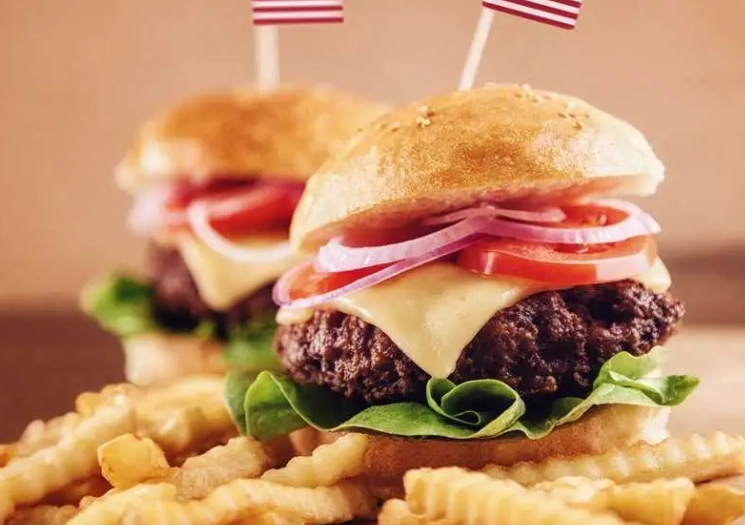
Yeah, burgers are everywhere, but not all burgers are created equal. The classic American burger—beef patty, cheese, lettuce, tomato, onion, pickles, and sauce on a bun—is a national icon. But here's a tip from someone who's eaten hundreds: the best burgers often come from local spots, not big chains. The key is freshness and simplicity.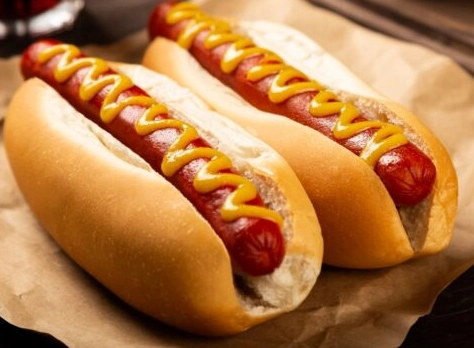
Take In-N-Out Burger on the West Coast. It's a cult favorite for a reason. Their menu is tiny, but everything is made to order. I still remember my first Double-Double Animal Style at their original location in Baldwin Park, California. The patties were juicy, the secret sauce tangy, and the fries crispy. But here's the catch: it's not fancy. Some people find it overhyped, especially if they're expecting gourmet toppings. That's the beauty—it's pure, unpretentious fast food.
In-N-Out Burger (Baldwin Park, CA): Address: 13752 Francisquito Ave, Baldwin Park, CA 91706. Must-try: Double-Double Burger (around $4.50). Hours: Typically 10:30 AM–1 AM. No reservations, just walk in. Rating: 4.5/5 on most review sites.
On the East Coast, Shake Shack in New York City offers a different vibe. It started as a hot dog cart in Madison Square Park and now serves burgers with a focus on quality ingredients. Their ShackBurger is smoother, with a potato bun that's slightly sweet. But honestly, it can get crowded, and the price is higher—around $7 for a burger. Worth it? For the experience, yes, but for everyday eating, I'd hunt for a neighborhood joint.
Where to Find the Best Burgers: A Local's Guide
Don't just stick to chains. In the Midwest, places like Kuma's Corner in Chicago serve heavy metal-themed burgers with creative toppings. In the South, you'll find burgers topped with pimento cheese or fried green tomatoes. The variety is insane. If you're on a budget, look for "diner burgers"—small, family-owned places where the patties are hand-formed and the buns are toasted on the griddle.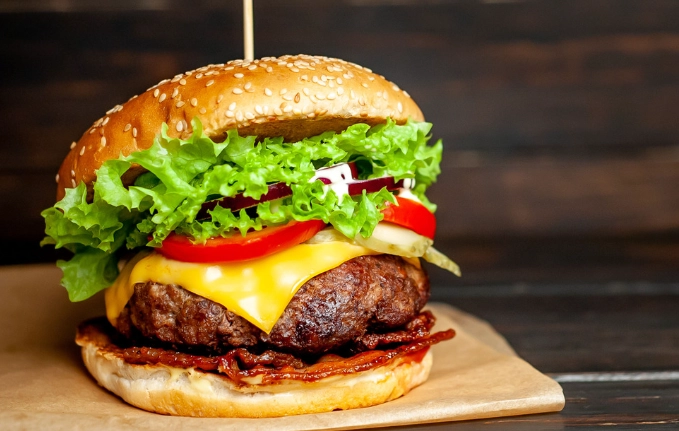
Regional Specialties You Can't Miss
America's size means food changes every few hundred miles. Here are some regional dishes that scream "American" but are deeply local.
Southern Barbecue: This isn't just grilling; it's a religion. In Texas, it's all about brisket—slow-smoked for hours until it's tender enough to melt in your mouth. I visited Franklin Barbecue in Austin once, and the line was three hours long. Was it worth it? The brisket was phenomenal, but honestly, you can find great barbecue at lesser-known spots like Snow's BBQ in Lexington without the wait. Expect to pay $20–$30 for a plate with sides like coleslaw and baked beans.
New England Clam Chowder: A creamy soup with clams, potatoes, and onions. It's hearty and perfect for cold days. The best versions use fresh clams from the Atlantic. Try it at Legal Sea Foods in Boston—their chowder is consistently good, though some locals argue it's too corporate. For a more authentic feel, hit a seaside shack in Maine.
Chicago Deep-Dish Pizza: This is a pie, not a pizza, in my opinion. The crust is thick, layered with cheese, toppings, and tomato sauce on top. It's a meal in itself. Lou Malnati's is a classic, but be prepared for a wait. A small deep-dish costs around $20–$25. Some visitors find it too heavy, but that's the point—it's indulgent.
Pro tip: When exploring regional food, ask locals for recommendations. Tourist spots often charge more for lesser quality. For example, in New Orleans, skip the crowded French Quarter for po'boys and head to Parkway Bakery & Tavern in Mid-City.
Sweet Treats: America's Dessert Legacy
Americans love sweets, and some desserts have become symbols of home and nostalgia.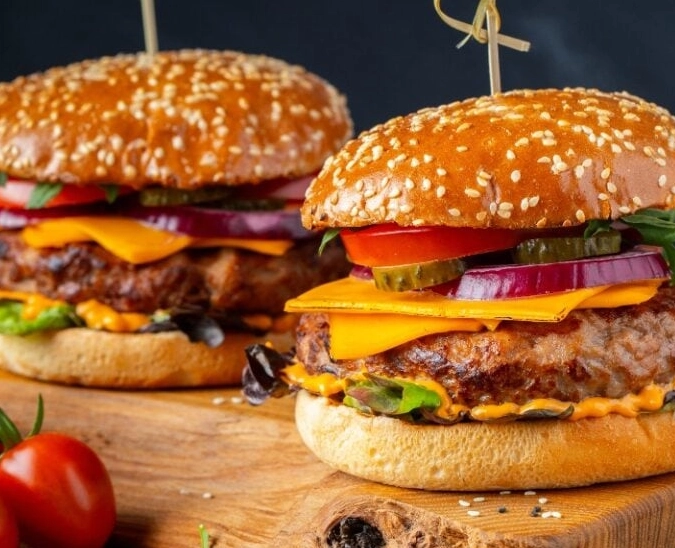
Apple Pie: Called "as American as apple pie," but did you know it originated in Europe? The American twist is the use of local apples like Granny Smith and a flaky, buttery crust. You'll find it in diners nationwide, but for a standout version, try the apple pie at Momofuku Milk Bar in New York—it's deconstructed and modern, but still comforting. A slice costs about $8.
Chocolate Chip Cookies: Invented in the 1930s by Ruth Wakefield at the Toll House Inn, these cookies are a staple. The best are soft in the middle and crispy on the edges. I've baked countless batches, and the secret is using brown sugar and chilling the dough. For store-bought, Insomnia Cookies delivers warm cookies late at night—perfect for a guilty pleasure.
Donuts: From glazed to artisanal, donuts are a breakfast obsession. Voodoo Doughnut in Portland is famous for quirky flavors like the Bacon Maple Bar, but local shops often do it better. In my experience, a simple glazed donut from a small bakery beats the fancy ones any day.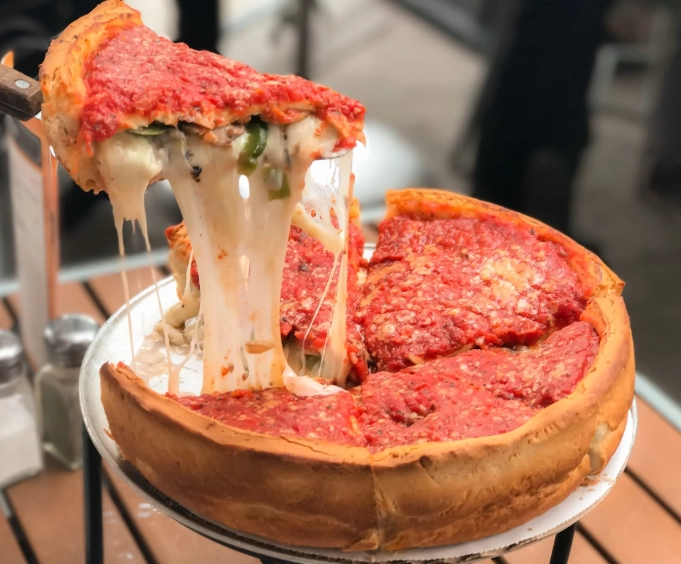
How to Plan Your American Food Adventure
If you're visiting the USA for food, don't try to do it all in one trip. Focus on a region. Here's a sample 5-day plan for the South:
- Day 1: Arrive in Austin, Texas. Hit Franklin Barbecue for lunch (go early!), then explore food trucks for tacos.
- Day 2: Drive to New Orleans. Dinner at Commander's Palace for Creole cuisine, but budget around $50 per person.
- Day 3: Breakfast beignets at Café du Monde, then a po'boy at Parkway Bakery.
- Day 4: Head to Nashville for hot chicken at Hattie B's. Be warned: it's spicy!
- Day 5: End in Memphis for ribs at Central BBQ. Total food cost for the trip: roughly $300–$400 per person, excluding travel.
Use resources like Eater or local food blogs for updated recommendations. The USDA also has reports on American agricultural products, which can give insights into ingredient sourcing.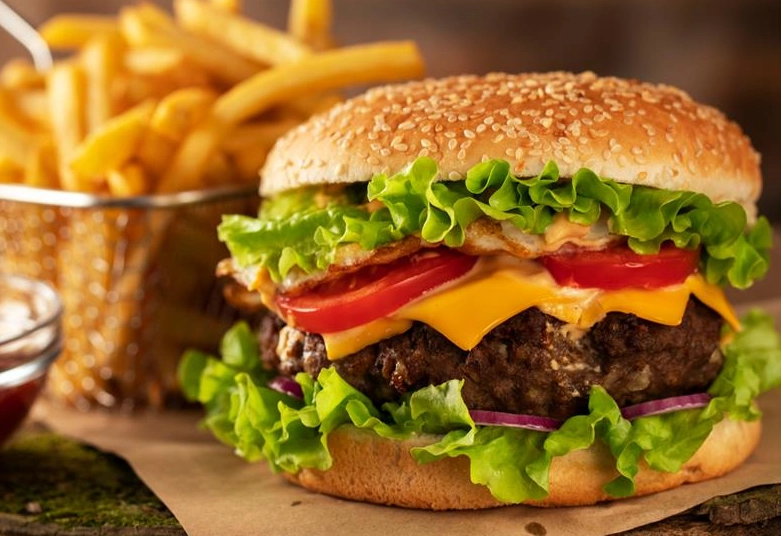




Comments
Leave a Comment