Ask someone to name a traditional American food, and you'll likely hear "hamburger" or "apple pie." But that's just scratching the surface. The story of American cuisine isn't about a single recipe invented in a vacuum. It's a messy, delicious, and ongoing conversation between the people who came here, the ingredients they found, and the challenges they faced. To call it a "melting pot" is almost too neat. It's more like a giant, simmering stew where every immigrant wave, from the earliest settlers to the latest arrivals, has tossed in their own flavors and techniques.
So, what makes a dish traditionally American? It's not just age. It's a dish that has been adopted, adapted, and claimed by Americans over generations, becoming a staple at diners, family dinners, and national celebrations. It tells a story about a place and its people.
What's in this guide?
What Makes a Dish 'Traditional' American?
Forget the idea of purity. The most iconic American foods are brilliant hybrids.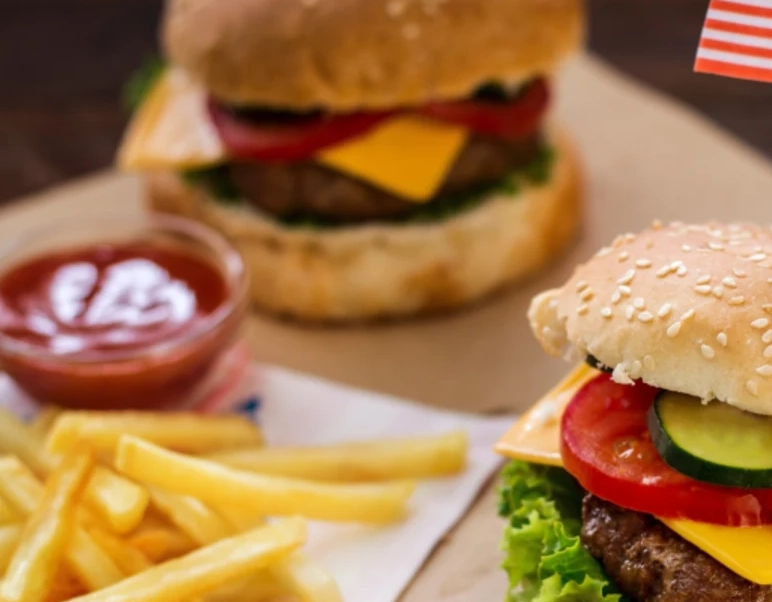
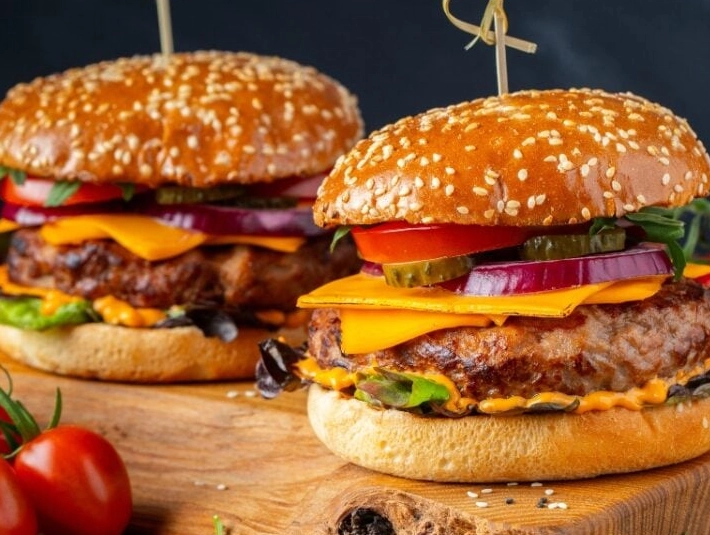
Take the hamburger. Its origins are German (Hamburg steak), but the act of putting it on a soft bun, adding cheese, lettuce, and tomato, and serving it as fast, casual food? That's an American 20th-century innovation, tied to the rise of the automobile, roadside diners, and a culture of convenience. The Smithsonian's National Museum of American History has even debated its cultural significance.
Traditional American food often has these traits:
- Adaptation, Not Invention: Macaroni and cheese? Thomas Jefferson helped popularize it after encountering pasta in Europe. But the blue box of Kraft Dinner, a Depression-era staple, made it a nationwide comfort food.
- Regional Roots: What's traditional in Louisiana (gumbo) is alien in Maine (lobster roll). Geography, climate, and local populations create distinct food zones.
- Connection to Social History: Southern barbecue's slow-cooking methods are deeply tied to African and Caribbean traditions. The Thanksgiving meal is a (simplified) narrative of early colonial survival.
- Everyday Accessibility: These are often foods for regular people, not just special occasions. Think meatloaf, pancakes, grilled cheese sandwiches.
One mistake people make is looking for a single, ancient, "pure" American cuisine that predates colonization. That ignores the dynamic, evolving nature of the food. The tradition is the evolution.
Top 5 Must-Try Traditional American Foods (And Where to Find Them)
If you want to taste the American story, start here. This isn't just a list; it's a tasting tour of history and culture.
Pro Tip: Don't just go to the most famous spot in the biggest city. Often, the best versions are in unassuming places in the region where the dish was born. A Philly cheesesteak in Philadelphia will ruin all other cheesesteaks for you forever.
| Dish | The Story & Key Elements | Where to Try an Iconic Version |
|---|---|---|
| The Hamburger | The ultimate immigrant success story. Ground beef patty, on a soft bun, customizable with endless toppings (cheese, pickles, onion, lettuce, tomato, sauces). Represents American ingenuity and fast-paced life. | Louis' Lunch in New Haven, CT (purportedly one of the oldest burger spots). For a classic diner vibe, any well-reviewed local "burger joint" across the Midwest. |
| American-Style Barbecue | Not just grilling. This is the low-and-slow smoking of tough cuts of meat (pork shoulder, brisket, ribs) over wood for hours. The sauces (vinegar-based in Carolina, sweet & tomatoey in KC, etc.) are a fierce regional debate. | Head to the source. For Texas brisket: Franklin Barbecue in Austin (prepare to wait). For Carolina pulled pork: Skylight Inn BBQ in Ayden, NC. Kansas City has dozens of legendary spots. |
| Apple Pie | The symbol of American wholesomeness and "Mom's cooking." A double-crust pie filled with spiced apples (often Granny Smith). Served a la mode (with vanilla ice cream) is non-negotiable for many. | Skip the chain restaurants. Find a local farmers' market or a small-town bakery in apple country (like Michigan or Washington state) in the fall. The apples will be fresher, the crust flakier. |
| Southern Fried Chicken | With roots in Scottish and West African frying techniques, perfected in the American South. The magic is in the buttermilk brine and well-seasoned flour crust, resulting in juicy meat and crispy, flavorful skin. | Willie Mae's Scotch House in New Orleans is legendary. For a more widespread (and still excellent) chain, Gus's World Famous Fried Chicken started in Tennessee. |
| The Reuben Sandwich | A deli masterpiece of cultural fusion: corned beef, Swiss cheese, sauerkraut, and Russian dressing, grilled on rye bread. A testament to Eastern European Jewish immigration and the great American deli culture. | Katz's Delicatessen on the Lower East Side of NYC. It's loud, chaotic, and historic. Get a pastrami or corned beef Reuben. (Address: 205 E Houston St, NYC. Expect to spend $25+ per sandwich, cash preferred. Open daily 8am-10:45pm). |
Notice something? Most of these are handheld, hearty, and communal. They're food for sharing, for working people, for gatherings. That's a big part of the tradition.
Beyond the Classics: Regional Specialties That Define American Food
America is too big for one cuisine. To really understand it, you have to travel on your plate.
New England: The Shoreline Larder
Here, tradition is built on the cold Atlantic. Clam Chowder (the creamy "New England" style, not the tomato-based Manhattan version) is a must. A proper Lobster Roll is served cold with mayo or warm with butter on a top-split hot dog bun. It's simple, expensive, and utterly worth it. Try one at a seaside shack in Maine.
The South: A Cuisine of Transformation
Southern food is America's soul food. It transformed humble ingredients through skill and time. Gumbo (a stew with West African, French, and Native American roots), Shrimp and Grits (a breakfast-turned-everything dish), and Collard Greens slow-cooked with smoked pork are pillars. The flavor base? The "Holy Trinity" of onion, celery, and bell pepper.
The Midwest: Heartland Comfort
This is casserole and potluck country. Dishes like Tater Tot Hotdish (a Minnesota staple of ground beef, veggies, cream soup, and tater tots) or Chicago Deep-Dish Pizza (more like a cheesy tomato pie in a crust) are about feeding a crowd, economically and heartily.
The Southwest: Where Mexico Meets the Ranch
Tex-Mex is its own distinct tradition. Think sizzling fajita platters, nachos loaded with yellow cheese, and chili con carne. It's bolder, cheesier, and beefier than most Mexican regional cuisines. Then you have New Mexican cuisine, defined by its use of local Hatch green chiles, which you can get smothering everything from burgers to enchiladas.
I once made the mistake of ordering "chili" in New Mexico expecting a bean-heavy Texan bowl. What I got was a stew of pure, fiery red chiles and pork—no beans in sight. It was a delicious lesson in local specificity.
How to Experience Traditional American Food Like a Local
You can't just read about it. You have to eat it. Here’s how to avoid the tourist traps.
Skip the Chains (Mostly): While some chains like Waffle House or In-N-Out are cultural experiences in themselves, for regional specialties, seek out independent restaurants that have been around for decades. Look for places with simple decor, a loyal local crowd, and maybe a slightly faded sign.
Embrace the Diner: The classic American diner is a living museum of traditional food. The menu will have everything from pancakes and meatloaf to club sandwiches and milkshakes. It's all about choice, value, and that bottomless cup of coffee. Order a patty melt or a slice of pie. Talk to the server.
Go to a County Fair or Summer Festival: This is where traditional food gets deep-fried, put on a stick, and celebrated. You'll find everything from classic corn dogs and funnel cakes to regional oddities. It's fun, excessive, and deeply American.
Visit a Soul Food Restaurant: For the most direct, flavorful link to African American culinary tradition, find a well-reviewed soul food spot. Expect fried chicken, catfish, mac and cheese, candied yams, and collard greens served cafeteria-style. Go hungry.


Comments
Leave a Comment