Let’s be honest. Planning a family vacation that actually excites everyone, from toddlers to teenagers (and let’s face it, parents too), feels like solving a puzzle with missing pieces. You want adventure. The kids want fun. Your partner wants relaxation. And your bank account... well, it just wants to survive.
The United States is built for this exact puzzle. It’s not just about theme parks (though those are great). It’s about turning a week into a shared story you’ll tell for years. It’s about watching your kids’ eyes widen at the edge of the Grand Canyon, not just a screen. It’s about getting lost together, in a good way.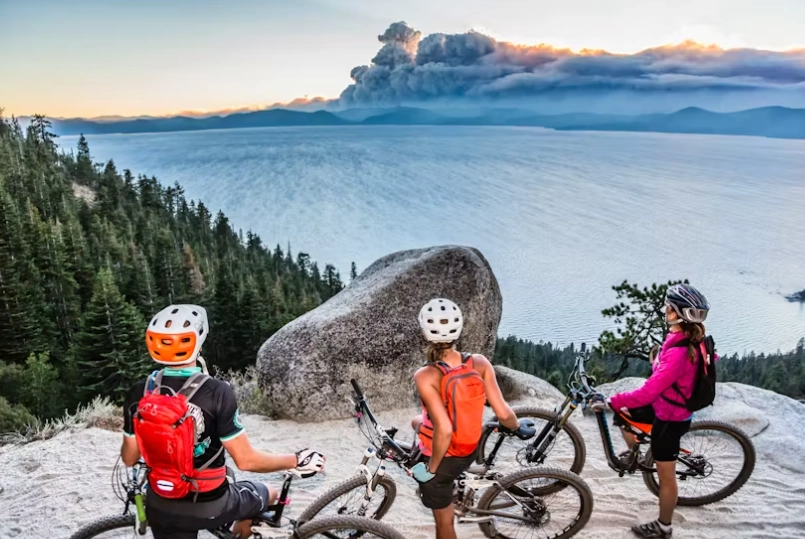
I’ve been planning and taking these trips for over a decade. I’ve seen the good, the messy, and the truly magical. The biggest mistake most families make? Trying to do too much, too fast, in the wrong place. A hiking-focused trip in the Smoky Mountains with a toddler who hates the carrier is a recipe for tears. A beach vacation in Florida with teens bored out of their minds will end with them buried in their phones. The magic lies in matching the activity to the family’s energy and interests.
Quick Navigation: What You'll Find Here
How to Plan a Family Adventure Vacation in the USA
Forget the rigid, hour-by-hour itinerary. Think of planning as building a framework with flexibility. Start with the “Who” before the “Where” or “When”. A trip with a 4-year-old looks vastly different from one with a 14-year-old. Be brutally honest about everyone’s stamina and interests.
Next, choose your destination type. Are you a “National Park Family”, a “Beach & Boardwalk Crew”, or “Mountain Explorers”? This single choice dictates everything else.
Here’s a non-consensus view I’ve developed after years of trial and error: Book your accommodations first, especially if you’re eyeing a national park. Seriously. The best cabins, lodges, and even some campgrounds inside popular parks like Yellowstone or Yosemite Valley sell out a year in advance. Dates are flexible, locations are not. Lock in your home base, then build your adventure radius around it. It’s much easier to find day-trips than to move hotels every other night with cranky kids.
Duration and Pace: The Golden Rule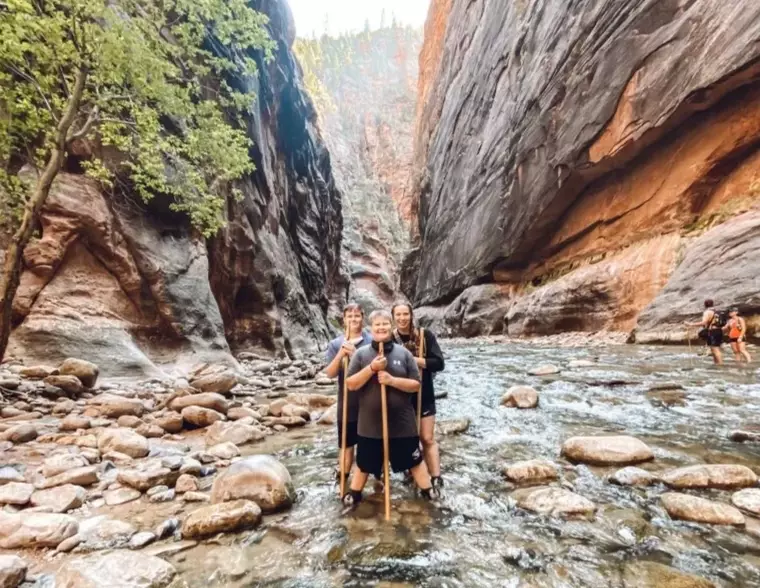
With kids, less is more. A 7-day trip with two travel days built in is far more relaxing and successful than trying to cram 10 states into 10 days. For a first-time adventure, I’d strongly recommend sticking to one, maybe two, major destinations. Base yourself in a central hub and explore outwards.
Consider this: a day of white-water rafting in Colorado is exhilarating, but also exhausting. The next day should be something low-key—like a scenic drive, a picnic by a river, or simply hanging out at the cabin playing board games. Build in recovery days. They’re not wasted days; they’re part of the adventure rhythm.
Top 5 Family Adventure Destinations in the USA
Each of these spots offers a distinct flavor of adventure. I’m not ranking them from best to worst, but rather by the type of experience they provide. Pick the one that matches your family’s vibe.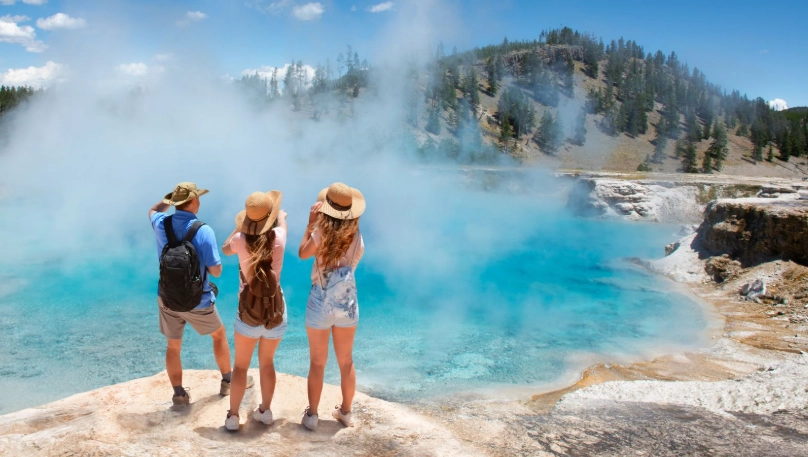
1. The American West Road Trip (Grand Canyon, Zion, Arches)
This is the classic. Fly into Las Vegas, rent an RV or a spacious SUV, and hit the road. The landscapes are epic, the hiking trails range from easy paved walks (like the Riverside Walk in Zion) to more challenging but rewarding ones (like Angels Landing in Zion – for older kids and teens).
Why it works for families: The sense of scale is humbling and awe-inspiring. It teaches kids about geology, patience, and perseverance in a way no textbook can. Plus, there’s something incredibly fun about eating sandwiches covered in red dust while staring at a 270-million-year-old rock layer.
Pro Tip (The Non-Consensus): Don’t try to see all three parks (Grand Canyon, Zion, Arches) in one week. It’s a recipe for burnout. Instead, spend 3-4 nights based in Springdale, Utah. Use it as a hub to explore Zion National Park thoroughly. Do a day trip to Bryce Canyon (about 2 hours away). The diversity between Zion’s narrow canyons and Bryce’s whimsical hoodoos will keep everyone engaged without constant packing and unpacking.
2. The Pacific Northwest (Olympic National Park, Washington)
If your family thrives on a little mist and mystery, this is your spot. Olympic National Park is three parks in one: rugged coastline, temperate rainforest (the Hoh Rainforest is a must-see), and alpine mountains. You can beachcomb one day, hike through a moss-dripped fairy-tale forest the next, and look for mountain goats the third.
Why it works for families: The variety is unmatched. It’s also less crowded and generally cooler in the summer than the desert parks. For a unique adventure, book a guided sea-kayaking tour around the San Juan Islands. You’ll almost certainly see orcas, seals, and bald eagles. It’s accessible for beginners and kids as young as 8 can usually participate in double kayaks with a parent.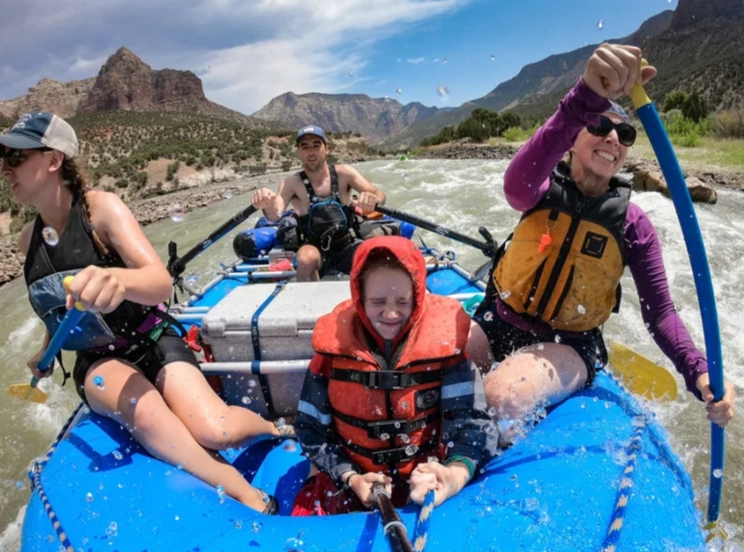
3. The Mountain Playground (Yellowstone & Grand Teton, Wyoming)
This is wildlife central. Your kids will remember seeing a bison traffic jam (from the safety of your car), spotting a grizzly bear (from a safe distance with a park ranger program), and watching Old Faithful erupt. It’s nature’s greatest reality show.
Why it works for families: The geothermal features of Yellowstone are like nothing else on Earth. The colors, the smells, the geysers – it’s a full sensory experience. The park’s extensive boardwalk system lets you get incredibly close to these features safely. Book a stay at the historic Old Faithful Inn or a cabin in the park. The night skies, away from city lights, are phenomenal for stargazing.
4. The Appalachian Trail (for Hiking Families)
You don’t have to hike the entire 2,190 miles! Pick a short, iconic section. The stretch through the Great Smoky Mountains National Park offers well-maintained trails, ranger-led programs for kids, and the chance to say you’ve hiked part of the legendary AT. For younger kids, the Laurel Falls trail is a paved, 2.6-mile round trip to a beautiful waterfall. For older kids, try the 4-mile round trip to Clingmans Dome for 360-degree views.
Why it works for families: It’s achievable. It builds confidence. And there’s a real sense of community on the trail. You’ll meet thru-hikers with incredible stories. Pack a small notebook and have your kids draw or write one thing they saw each day. It becomes a priceless souvenir.
5. The Florida Keys & Everglades Combo
This one is for water-loving families. Split your trip between the relaxed island vibes of the Florida Keys (think: snorkeling at John Pennekamp Coral Reef State Park, kayaking through mangrove tunnels) and the wild, river-grass ecosystem of the Everglades.
Why it works for families: You can spend a few days on a houseboat in the Keys, learning to fish and spot dolphins. Then drive into the Everglades for an airboat tour (check age and height restrictions) where you’ll see alligators, turtles, and incredible bird life. The contrast is educational and flat-out fun. It’s also relatively flat, making it accessible for all fitness levels.
Best Family Adventure Activities & Ideas
The activity is the glue. It’s what you’ll all remember doing together. Here are some ideas categorized by energy level.
High-Energy Adventures
White-Water Rafting (Class II-III): Many outfitters in Colorado, West Virginia, and Maine offer trips suitable for beginners and families with kids as young as 6 or 7. The Arkansas River near Buena Vista, Colorado, has excellent options. It’s a team effort that gets everyone laughing and wet. Ziplining: Almost universally loved. Check for weight and height restrictions, but many courses have “kid-sized” lines alongside the adult ones. Sandboarding: Yes, it’s a thing. Head to the Oregon Dunes National Recreation Area or Great Sand Dunes National Park in Colorado. You can rent boards on-site. It’s like sledding but on sand, and it burns a ton of energy.
Medium-Energy Adventures
Guided Snorkeling or Scuba: In the Florida Keys or Hawaii. This is a game-changer. Being underwater is quiet. You communicate with hand signals. It’s a shared, almost meditative experience. Even the most reluctant child often forgets their nerves once they spot a colorful fish. Horseback Riding: Many national parks and private ranches offer one-hour or half-day trail rides suitable for beginners. It’s a different way to experience the landscape. Geocaching: Turn any hike into a treasure hunt. It’s free, it uses the GPS on your phone, and it gives kids a purpose beyond “just walking”.
Low-Energy (but High Fun) Adventures
Campfire Cooking & Storytelling: Don’t underestimate this. Assign each kid a job: fire-starter, hot-dog roaster (with supervision!), s’more assembler. The simple act of cooking over an open flame is an adventure. Follow it up with a ghost story or a shared memory. Stargazing with an App: Download a stargazing app like SkyView Lite. Lie on a blanket away from any lights. See who can spot a constellation first. It’s free, it’s educational, and it’s genuinely cool. Ranger Programs: Every national park offers free, ranger-led programs specifically designed for families. They’re usually hands-on (like examining animal pelts or learning to track prints) and they’re a fantastic way to learn from an expert.
What to Pack for an Adventure Trip with Kids
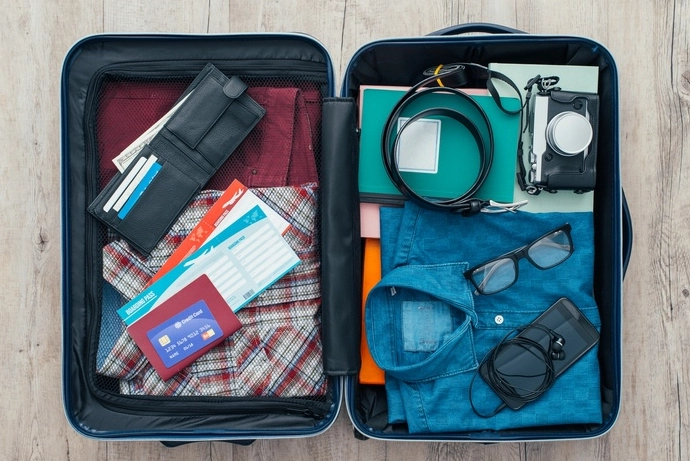
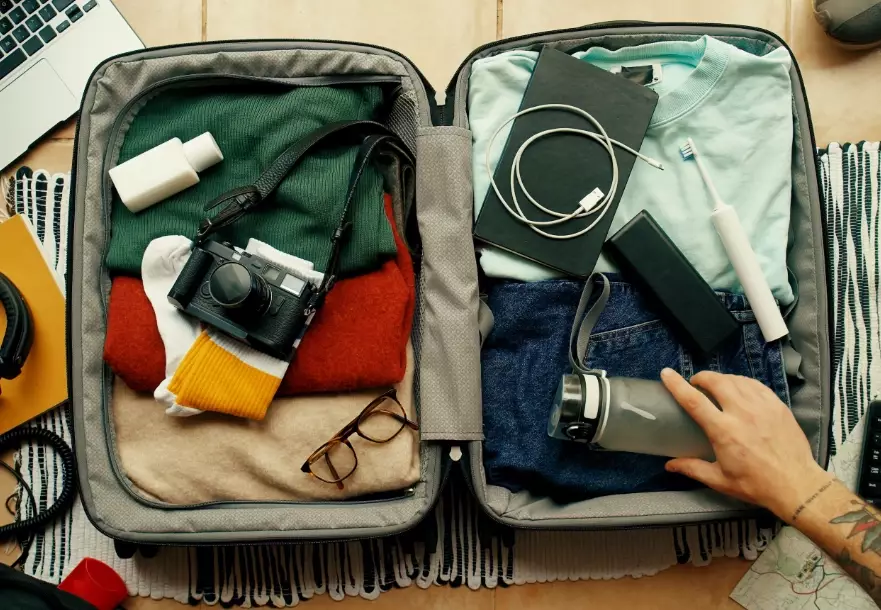
Packing wrong can break a trip. Here’s my decade-honed, non-consensus list. It goes beyond the usual “sunscreen and bug spray”.
The “One Extra” Rule: For every activity type you plan, pack one extra item of clothing per person. Hiking? That’s an extra pair of socks. Water activities? That’s an extra swimsuit (or quick-dry shirt). Even if you think you won’t need it, a dry change of clothes after an unexpected dunk or a sudden rain shower is a morale-saver.
The “Kid’s Responsibility Bag”: Each child gets their own small backpack (even the toddler carries their own water). They are responsible for their own: a hat, their water bottle, a small snack, and one “fun” item (a toy, a book). This builds independence and prevents the “Mom, I’m bored” whines.
The Non-Negotiable: A small, dedicated first-aid kit. Not the giant bathroom one. A small one that lives in the daypack. Include blister-specific bandages (like Moleskin), antiseptic wipes, and any prescription medications. A small pair of tweezers for splinters. A few safety pins. It should weigh next to nothing but be the first thing you reach for.
And here’s the real secret: pack a headlamp for everyone. Not just one. Everyone. Why? Because exploring a cave (even a short, guided one) is thrilling with your own light source. Because looking for owls at dusk is possible. Because reading in the tent after lights out is a cozy memory. It’s the single most useful and most forgotten piece of gear.
How to Plan an Affordable Family Adventure Trip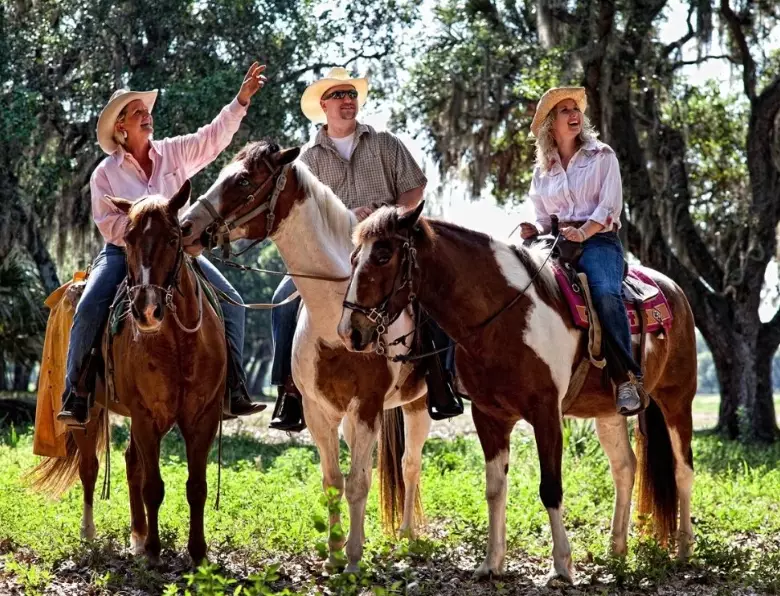
Adventure doesn’t have to mean expensive. It often means the opposite. The biggest cost is usually travel and lodging. Here’s how to tackle it.
Travel: Consider driving instead of flying, especially if you’re covering a region like the Southwest. The cost of gas is often cheaper than four or five plane tickets, and you have the flexibility of your own vehicle. For longer distances, look into budget airlines, but be wary of baggage fees that can add up for a family.
Lodging: This is where you can save a lot. Camping is the most affordable option. National park campgrounds are incredibly cheap (usually $20-$30 per night) but book up fast. State park campgrounds are often slightly more expensive but may have more amenities like showers. If you’re not ready to tent, consider a used or rented pop-up camper or RV. It’s a game-changer.
For a non-camping option, look into vacation rentals (like Airbnb or Vrbo) with kitchens. Being able to cook even just breakfast and lunch saves a fortune compared to eating out every meal. This is my non-consensus view: Where you stay matters more than how fancy it is. A comfortable, well-located cabin where you can unwind and cook is worth more than a luxury hotel where you’re just sleeping.
Activities: Focus on the free and low-cost ones. Hiking is free. Ranger programs are free. Swimming at a lake or beach is free. Pack a picnic instead of eating at a restaurant. The money you save on one fancy meal can pay for a guided activity like that horseback ride or kayak rental.
Finally, book in advance. This is not just a tip; it’s a necessity for popular destinations. Flights and accommodations are cheaper the earlier you book. And for those iconic national park lodges inside the park, you need to book a year in advance. Seriously. Mark your calendar.
Remember, the goal is not to check off every activity on a list. It’s to come home with stories, with inside jokes, with a shared sense of accomplishment. It’s to have the kids say, “When can we do that again?”
Best Family Adventure Activities & Ideas
The activity is the glue. It’s what you’ll all remember doing together. Here are some ideas categorized by energy level.
High-Energy Adventures
White-Water Rafting (Class II-III): Many outfitters in Colorado, West Virginia, and Maine offer trips suitable for beginners and families with kids as young as 6 or 7. The Arkansas River near Buena Vista, Colorado, has excellent options. It’s a team effort that gets everyone laughing and wet. Ziplining: Almost universally loved. Check for weight and height restrictions, but many courses have “kid-sized” lines alongside the adult ones. Sandboarding: Yes, it’s a thing. Head to the Oregon Dunes National Recreation Area or Great Sand Dunes National Park in Colorado. You can rent boards on-site. It’s like sledding but on sand, and it burns a ton of energy.
Medium-Energy Adventures
Guided Snorkeling or Scuba: In the Florida Keys or Hawaii. This is a game-changer. Being underwater is quiet. You communicate with hand signals. It’s a shared, almost meditative experience. Even the most reluctant child often forgets their nerves once they spot a colorful fish. Horseback Riding: Many national parks and private ranches offer one-hour or half-day trail rides suitable for beginners. It’s a different way to experience the landscape. Geocaching: Turn any hike into a treasure hunt. It’s free, it uses the GPS on your phone, and it gives kids a purpose beyond “just walking”.
Low-Energy (but High Fun) Adventures
Campfire Cooking & Storytelling: Don’t underestimate this. Assign each kid a job: fire-starter, hot-dog roaster (with supervision!), s’more assembler. The simple act of cooking over an open flame is an adventure. Follow it up with a ghost story or a shared memory. Stargazing with an App: Download a stargazing app like SkyView Lite. Lie on a blanket away from any lights. See who can spot a constellation first. It’s free, it’s educational, and it’s genuinely cool. Ranger Programs: Every national park offers free, ranger-led programs specifically designed for families. They’re usually hands-on (like examining animal pelts or learning to track prints) and they’re a fantastic way to learn from an expert.
What to Pack for an Adventure Trip with Kids
Packing wrong can break a trip. Here’s my decade-honed, non-consensus list. It goes beyond the usual “sunscreen and bug spray”.
The “One Extra” Rule: For every activity type you plan, pack one extra item of clothing per person. Hiking? That’s an extra pair of socks. Water activities? That’s an extra swimsuit (or quick-dry shirt). Even if you think you won’t need it, a dry change of clothes after an unexpected dunk or a sudden rain shower is a morale-saver.
The “Kid’s Responsibility Bag”: Each child gets their own small backpack (even the toddler carries their own water). They are responsible for their own: a hat, their water bottle, a small snack, and one “fun” item (a toy, a book). This builds independence and prevents the “Mom, I’m bored” whines.
The Non-Negotiable: A small, dedicated first-aid kit. Not the giant bathroom one. A small one that lives in the daypack. Include blister-specific bandages (like Moleskin), antiseptic wipes, and any prescription medications. A small pair of tweezers for splinters. A few safety pins. It should weigh next to nothing but be the first thing you reach for.
And here’s the real secret: pack a headlamp for everyone. Not just one. Everyone. Why? Because exploring a cave (even a short, guided one) is thrilling with your own light source. Because looking for owls at dusk is possible. Because reading in the tent after lights out is a cozy memory. It’s the single most useful and most forgotten piece of gear.
Remember, the goal is not to check off every activity on a list. It’s to come home with stories, with inside jokes, with a shared sense of accomplishment. It’s to have the kids say, “When can we do that again?”
How to Plan an Affordable Family Adventure Trip
Adventure doesn’t have to mean expensive. It often means the opposite. The biggest cost is usually travel and lodging. Here’s how to tackle it.
Travel: Consider driving instead of flying, especially if you’re covering a region like the Southwest. The cost of gas is often cheaper than four or five plane tickets, and you have the flexibility of your own vehicle. For longer distances, look into budget airlines, but be wary of baggage fees that can add up for a family.
Lodging: This is where you can save a lot. Camping is the most affordable option. National park campgrounds are incredibly cheap (usually $20-$30 per night) but book up fast. State park campgrounds are often slightly more expensive but may have more amenities like showers. If you’re not ready to tent, consider a used or rented pop-up camper or RV. It’s a game-changer.
For a non-camping option, look into vacation rentals (like Airbnb or Vrbo) with kitchens. Being able to cook even just breakfast and lunch saves a fortune compared to eating out every meal. This is my non-consensus view: Where you stay matters more than how fancy it is. A comfortable, well-located cabin where you can unwind and cook is worth more than a luxury hotel where you’re just sleeping.
Finally, book in advance. This is not just a tip; it’s a necessity for popular destinations. Flights and accommodations are cheaper the earlier you book. And for those iconic national park lodges inside the park, you need to book a year in advance. Seriously. Mark your calendar.
Remember, the goal is not to check off every activity on a list. It’s to come home with stories, with inside jokes, with a shared sense of accomplishment. It’s to have the kids say, “When can we do that again?”



Comments
Leave a Comment