Your Quick Guide
- The Big Three: What Actually Defines the "Best" Time to Go?
- A Continent-by-Continent Breakdown of the Best Times to Visit
- Beyond the Calendar: How to Find YOUR Personal Best Time
- Answering Your Burning Questions (The FAQ Section)
- The Ethical & Practical Side: Crowds, Climate, and Your Impact
- Putting It All Together: Your Action Plan
Let's be honest, we've all been there. Staring at a flight search page, wondering if clicking "book" now is a genius move or a financial disaster waiting to happen. Is July really the best time to see Europe, or are you just signing up for a sweaty, expensive crowd marathon? Should you brave the monsoon for a cheaper ticket to Asia? The question of the best time to travel internationally isn't just about weather. It's a puzzle where the pieces are your budget, your tolerance for other tourists, your desired activities, and yes, a bit of luck.
I learned this the hard way. I once booked a dream trip to Japan for late March, convinced it was the perfect sweet spot. What I got was the tail end of winter chill, not a cherry blossom in sight (they bloomed two weeks later), and a price tag that still makes me wince. It was a good trip, but it wasn't the best trip it could have been. That experience taught me that the "best" time is deeply personal.
So, let's ditch the one-size-fits-all answers. This guide won't just tell you a month. We're going to break down the world, season by season, and look at the real trade-offs. Because sometimes the best time to travel internationally for your wallet is the worst time for perfect photos, and that's a choice only you can make.
The Big Three: What Actually Defines the "Best" Time to Go?
Before we dive into maps and calendars, let's establish what we're even optimizing for. Most people are juggling three main factors, whether they admit it or not.
Your personal best time to travel internationally sits at the intersection of these three circles. For a family locked to school holidays, the choice is limited, so the strategy shifts. For a flexible remote worker, the whole world opens up.
A Continent-by-Continent Breakdown of the Best Times to Visit
Okay, let's get practical. Here’s where we get into the nitty-gritty of planning. Remember, these are general patterns. A freak heatwave or a delayed monsoon can always mix things up.
Europe: Navigating the Summer Swell
Europe's appeal is timeless, but its popularity creates a massive peak. The classic best time to travel internationally to Western Europe (France, Italy, Spain, UK, Germany) for reliably pleasant weather is late spring (May to early June) and early autumn (September to early October).
You avoid the brutal heat and crowds of July-August. The light is beautiful, prices are lower than in summer, and the locals seem a bit more relaxed. I made the mistake of visiting Rome in August once. The Trevi Fountain felt like a mosh pit, and the pavement radiated heat like a griddle. Never again.
For Southern Europe (Greece, Portugal, Southern Italy), you can stretch the season into late October comfortably. Want a ski trip? The Alps are typically best from January to March.
For Scandinavia and the Nordics, the midnight sun period (June-July) is magical but pricey. Late August and September offer stunning fall foliage and fewer bugs.
Southeast Asia: Dancing with the Monsoon
This region is a perfect example of why weather is complex. There's no single dry season across all countries. The best weather for international travel here usually means targeting the dry season for your specific sub-region.
Mainland Southeast Asia (Thailand, Vietnam, Cambodia, Laos): The dry, cooler season runs from November to February. This is peak season. It's glorious, but also busy. March to May is brutally hot. The rainy season (June-October) brings short, heavy downpours, lush landscapes, and the cheapest time to fly internationally to this region. I traveled through Vietnam in September and loved it. The rains cleared the air, the rice paddies were emerald green, and I had whole beaches to myself. You just need a good rain jacket and flexibility.
Maritime Southeast Asia (Indonesia, Philippines, Malaysia): Patterns vary. For much of Indonesia (like Bali), the dry season is April to September. The Philippines' best weather is generally November to April.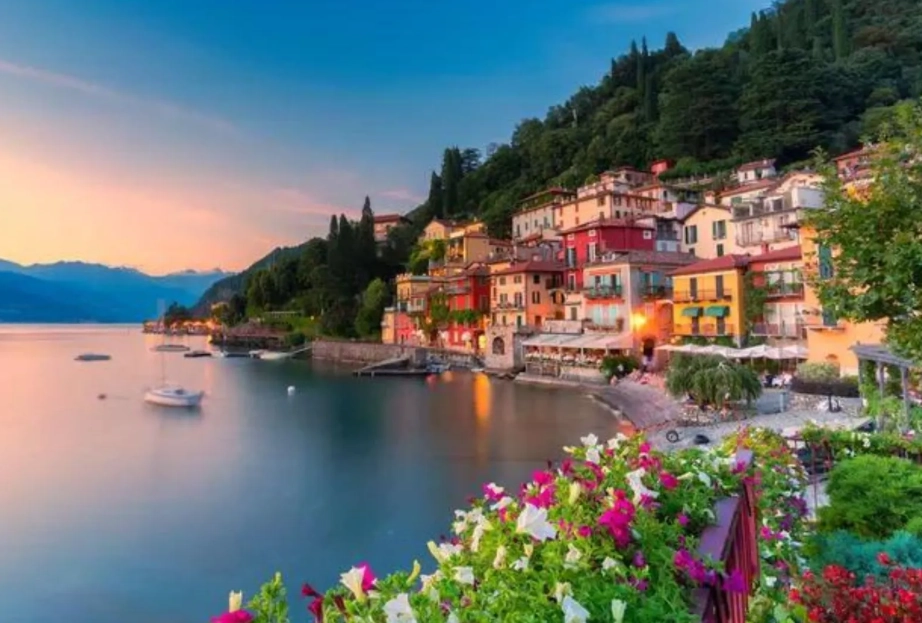
East Asia: Cherry Blossoms, Golden Weeks, and Winter Charm
Japan, South Korea, and China have intense seasonal beauty and equally intense holiday crowds.
Japan's iconic cherry blossom season (late March to April, depending on latitude) is a bucket-list event but requires military-level planning and a fat wallet. Autumn (October-November) rivals it with stunning fall colors and more stable weather. Summer (June-August) is hot, humid, and rainy (except in Hokkaido). Winter offers fantastic skiing and magical snowy landscapes, like the snow monkeys bathing in hot springs.
Avoid Chinese Golden Weeks (early May, early October) unless you enjoy monumental crowds. For all these countries, shoulder seasons are your friend.
North America: A Continent of Extremes
It's huge, so let's simplify. For the classic US cross-country road trip or city-hopping, late spring (May) and early fall (September) are winners. You miss the summer vacation crush and the potential for extreme heat or cold.
Canadian Rockies? July and August for hiking, December-March for world-class skiing. The Canadian fall (September) is arguably the most beautiful time, with insane foliage.
Want to know a semi-secret? The best time to travel internationally to places like New York or San Francisco is often the first two weeks of December. The holiday decorations are up, there's a festive buzz, but the Christmas travel rush hasn't hit yet. Flights can be reasonable.
South America: Flipping the Seasons
Remember, their seasons are opposite the Northern Hemisphere. Their summer is our winter. This makes it a fantastic escape.
The Patagonian summer (December to February) is the only realistic time for serious hiking in Torres del Paine. It's also peak season. For Peru (Machu Picchu) and Bolivia, the dry season (May to September) is ideal. The Amazon has its own rhythms—the dry season means more hiking, the wet season means more canoeing and better wildlife spotting as animals congregate near shrinking water sources.
Africa: Wildlife Cycles and Climate Zones
For an East African safari (Kenya, Tanzania), the best time for international travel is during the Dry Seasons (June-October and January-February). Animals congregate around waterholes, making them easier to spot, and the grass is low. The Great Migration's river crossings in the Serengeti typically occur July-August, a phenomenal but premium-priced experience.
Southern Africa (South Africa, Botswana, Zambia) has a similar pattern, with May to October being the dry, cool winter months—excellent for safari. Cape Town has a Mediterranean climate, best in their summer (our winter).
Morocco and North Africa are best in spring (March-May) and fall (September-October), avoiding the scorching summer heat.
| Region | Best for Weather (Shoulder Season) | Peak Season (High Crowds/Cost) | Best for Budget (Off-Season Consideration) |
|---|---|---|---|
| Western Europe | May-June, Sept-Oct | July-August | Nov-March (excl. Christmas) |
| Southeast Asia (Mainland) | Nov-Feb (dry, but peak), March (hot) | Dec-Jan | June-Oct (rainy season) |
| Japan | Oct-Nov (autumn), Late Mar-Apr (spring)* | Cherry Blossom, Golden Weeks | Jan-Feb (cold, but great for ski/snow), June (rainy) |
| Eastern USA/Canada | May, September | June-August, Fall Foliage weekends | Jan-Feb (very cold), early Dec |
| Patagonia | Dec-Feb (summer) | Dec-Feb | Mar-Apr, Oct-Nov (colder, some closures) |
| East Africa Safari | Jun-Oct, Jan-Feb (Dry seasons) | Jul-Aug (Migration) | Mar-May ("long rains") |
*Cherry blossom season is peak season by all definitions except temperature.
Beyond the Calendar: How to Find YOUR Personal Best Time
So you've looked at the regional guides. Now, how do you filter that through your own life? Ask yourself these questions.
What's your travel personality? Are you a meticulous planner who needs everything open and perfect, or a go-with-the-flow adventurer who loves a deal and doesn't mind a little rain? If you're the latter, off-season is your playground.
What's the trip's primary goal? Is it a museum-heavy city break? A relaxed beach vacation? A challenging trek? A foodie tour? A museum is fine in the rain; a beach is not. Hiking requires specific weather windows. Food festivals happen on specific dates.
Check for local events and holidays—both the ones you want to join and the ones you desperately want to avoid. Nothing tanks the best time to travel internationally like arriving during a national holiday where the entire country is on the move and everything is closed. Resources like the Time and Date holiday calendar are invaluable, as are official tourism board sites for your destination.
Think about daylight. In high-latitude destinations (Iceland, Norway, Alaska), summer brings endless daylight (midnight sun), while winter has very short days. Which experience are you after?
Answering Your Burning Questions (The FAQ Section)
Is it really cheaper to travel on a Tuesday?
The old myth about Tuesday flights being cheapest isn't a hard rule anymore with dynamic pricing. The real key is flexibility. Use tools like Google Flights' date grid or Skyscanner's "whole month" view to see the price landscape. Often, flying mid-week (Tuesday, Wednesday) and staying over a Saturday night can yield savings, but it's not guaranteed. The single biggest factor is how far in advance you book and avoiding peak holiday periods.
How far in advance should I book international flights?
For economy flights to most international destinations, a sweet spot is typically 2 to 8 months out for the best combination of price and availability. For peak season travel to popular spots (European summer, Christmas holidays), start looking at the 6-8 month mark. For flexible off-season travel, you can sometimes find deals 1-3 months out. Setting up price alerts is the best strategy—let the algorithms do the worrying for you.
What about last-minute travel deals?
They exist, but they're a gamble. You might score an incredible package to a resort trying to fill rooms, but you're highly unlikely to find a cheap last-minute flight to Paris in July. Last-minute works best for flexible, all-inclusive types of trips or for destinations with lots of capacity. For specific city breaks during peak times, booking late is a recipe for paying a premium.
Should I consider climate change when planning?
Unfortunately, yes. Weather patterns are becoming less predictable. Historic "dry seasons" are seeing more rain; heatwaves are more intense and frequent. When planning, especially for a once-in-a-lifetime trip centered on nature or weather, it's wise to build in a little buffer. Check recent travel forums for conditions in the month you're planning, rather than relying solely on decade-old guidebooks. The World Meteorological Organization provides climate data and updates that can inform your decision.
Are travel insurance and visas affected by the time of year?
Indirectly, yes. Some travel insurance policies may have exclusions for "extreme weather events" common in certain seasons (e.g., hurricanes, monsoons). Always read the fine print. Visa processing times can also be longer during peak travel application periods, so apply well in advance if traveling in a busy season. Government websites, like the U.S. Department of State's travel site, are the most reliable sources for entry requirements.
The Ethical & Practical Side: Crowds, Climate, and Your Impact
This is a conversation we can't ignore anymore. Choosing the best time to travel internationally now has a fourth dimension: sustainability.
Traveling in the shoulder or off-season is one of the most effective forms of sustainable travel. It spreads tourist revenue to local businesses across more months of the year, reducing the strain on infrastructure and environment during the peak. It provides a more authentic experience for you and a less stressful one for residents. Venice in January is a very different city from Venice in July.
It also often means a lower carbon footprint for your trip, as you're not contributing to the absolute peak demand for flights and resources. Choosing less-visited destinations within a country, or visiting popular ones outside their insane peaks, is a responsible choice. Organizations like UN Tourism (UNWTO) promote guidelines for sustainable tourism development.
On a purely practical level, visiting a world heritage site with 50 people instead of 5,000 is just a better experience. You see more, you feel more, you remember more.
Putting It All Together: Your Action Plan
Feeling overwhelmed? Don't be. Here's a simple step-by-step to find your perfect dates.
- Dream & Define: Pick your destination and identify the #1 purpose of the trip (relaxation, culture, adventure, etc.).
- Research the Rhythms: Use this guide and official tourism sites to identify the region's high, shoulder, and low seasons. Note the key weather patterns.
- Check the Calendar: Mark down major local holidays, festivals you want to see or avoid, and significant events.
- Assess Your Priorities: Rank your big three: Budget, Weather, Crowds. Which can you compromise on? Be honest.
- Identify the Window: Based on steps 2-4, pinpoint a 2-4 week potential travel window that aligns with your priorities.
- Set Alerts & Watch: Use flight search engines to set price alerts for that window. Monitor for 2-4 weeks.
- Pull the Trigger: When you see a price that fits your budget within your ideal window, book it. Don't chase the absolute rock bottom; a good deal within the right dates is a win.
The truth is, there's no single secret month that is the universal best time to travel internationally. It's a formula you solve with a bit of knowledge and a lot of self-awareness. Sometimes the best time is when you can get the time off work and find a flight that doesn't break the bank, even if it's not "perfect."
Any trip taken is better than a dream trip endlessly planned. Use this guide to make an informed choice, then go. The world is waiting, and its beauty often shines through, rain or shine, crowd or quiet.



Comments
Leave a Comment