Ask someone on the street "What is traditional Native American food?" and you'll likely hear "fry bread" or maybe "corn." That's not wrong, but it's like describing Italian food as just pizza and pasta. The reality is a vast, regionally diverse, and deeply spiritual culinary tradition built over millennia, centered on a profound relationship with the land. It's food as history, culture, and survival. Forget the caricature. Let's dig into what this cuisine really is—from its ancient foundations to where you can taste its authentic flavors today.
Your Quick Guide to Native American Cuisine
The Foundations: It Starts with the Land
You can't separate traditional Native food from the ecosystems that created it. This wasn't cuisine developed in isolation; it was a direct dialogue with forests, plains, deserts, and coasts. The core philosophy wasn't domination, but reciprocity. You take, you give thanks, you ensure balance.
The most famous example is the Three Sisters: corn, beans, and squash planted together. Corn provides a stalk for beans to climb; beans fix nitrogen in the soil to feed the corn; squash leaves spread out, shading the ground to retain moisture and suppress weeds. It's brilliant, sustainable agriculture that's been feeding people for over a thousand years. I've seen this in practice at a Seneca community garden, and the harmony of it is humbling. You don't just see plants; you see a working community.
A quick note on terminology: "Native American," "American Indian," and "Indigenous" are all used. Specific tribal names (e.g., Navajo, Cherokee, Sioux) are always best and most respectful, as there is no single, monolithic "Native American" culture—there are over 574 federally recognized tribes in the U.S. alone.
Beyond the Three Sisters, the larder was wildly diverse. In the Pacific Northwest, it was salmon, halibut, shellfish, and camas root. On the Great Plains, it was bison (used for meat, hide, bones, and sinew—nothing wasted), elk, and prairie turnips. In the Southwest, for tribes like the Navajo and Pueblo peoples, it was corn (blue corn specifically), beans, squash, and chilies. In the Eastern Woodlands, it was venison, turkey, wild greens, berries, and maple syrup.
Cooking methods were ingenious and resource-efficient: pit roasting (burying food with hot stones), smoking, drying for preservation (making jerky or pemmican—a concentrated mix of dried meat, fat, and berries), and stone boiling (heating stones in a fire and dropping them into a water-filled container).
Moving Beyond Fry Bread: A Regional Sampler
Let's address the elephant in the room: fry bread. It's delicious, it's iconic at powwows, but calling it "traditional" is complicated. Its main ingredients—white flour, baking powder, salt, lard—were government-issued rations during the forced relocation and reservation era of the 19th century. It's a food of resilience and adaptation born from hardship, not a pre-contact tradition. To define Native food by fry bread alone misses thousands of years of deeper history. That said, as a modern cultural staple, it's incredible topped with honey, powdered sugar, or as the base for Navajo tacos.
So what are some truly ancient and enduring dishes?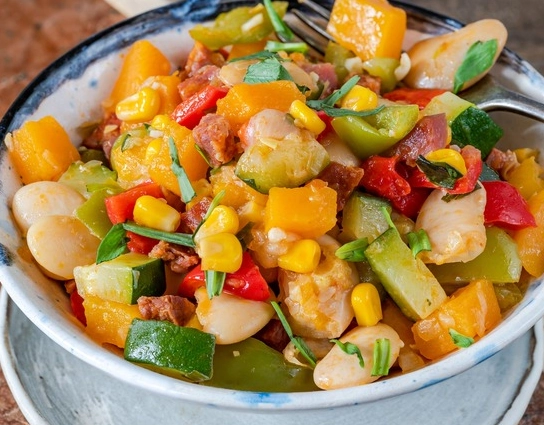
From the Southwest: Pueblo Stew & Blue Corn Mush
In New Mexico, you'll find hearty stews of lamb or venison, slow-cooked with corn, potatoes, and chilies. Blue corn mush (a porridge) or blue corn atole (a drink) are staples, prized for their nutty flavor and higher protein content than yellow corn. Piki bread, a paper-thin, delicate bread made from blue cornmeal, is a skill passed down through generations.
From the Pacific Northwest: Smoked Salmon & Huckleberries
Salmon isn't just food; it's central to cultural and spiritual life. Traditionally, it's cooked over alderwood fires, giving it a distinct, smoky sweetness. It's often paired with tart, wild huckleberries. A dish like venison stew with huckleberries showcases the perfect balance of savory and sweet from the land.
From the Great Plains: Wasna (Pemmican) & Wojapi
Wasna (often called pemmican) is the ultimate travel food. Pounded dried bison or beef is mixed with rendered fat and dried chokecherries or serviceberries. It's calorie-dense, non-perishable, and packed with energy. Wojapi is a simple, thick berry sauce (usually chokecherry, serviceberry, or plum) that's not too sweet, served alongside meat or fry bread.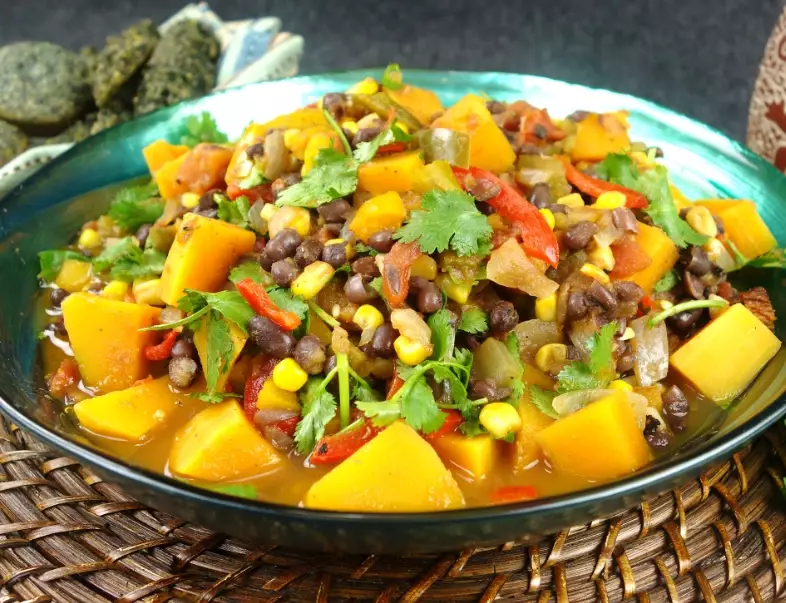
Where to Experience Authentic Indigenous Food Today
The best way to understand this food is to taste it. Fortunately, a powerful Indigenous food sovereignty movement is reclaiming these culinary traditions. Here are a few standout places run by Native chefs and communities. This isn't an exhaustive list, but a starting point for an authentic experience.
| Restaurant / Cafe | Location & Tribe | Must-Try Dishes & Notes | Approx. Price Point |
|---|---|---|---|
| Owamni by The Sioux Chef | Minneapolis, MN (Sioux-led team) | "Decolonized" menu using only pre-contact ingredients. Try the roasted corn soup, the bison tartare, or the wild rice cake. Winner of a James Beard Award. Reservations are essential. Closed Mon-Tue. | $$$ (Entrees $30-$45) |
| Kai Restaurant | Chandler, AZ (at Sheraton Grand, Gila River Indian Community) | Fine-dining showcasing ingredients from the Sonoran Desert. Tasting menus feature dishes like cholla bud salad, tepary beans, and mesquite-grilled meats. A splurge-worthy, award-winning experience. | $$$$ (Tasting menu $200+) |
| Mitsitam Native Foods Cafe | Washington, D.C. (in the Smithsonian National Museum of the American Indian) | Five regional stations (Great Plains, South America, etc.). Great for sampling a variety. Get the bison chili, the fry bread, or the cedar-planked salmon. It's cafeteria-style, so perfect for a museum visit. | $$ (Plates $15-$25) |
| Nayeli's Cocina | Gallup, NM (Navajo-owned) | Authentic Navajo home cooking. Their mutton stew, blue corn mush, and kneel-down bread (made from fresh corn) are legendary locally. A no-frills, incredibly genuine spot. Check hours as they can vary. | $ (Plates $10-$18) |
Don't just look for restaurants. Visit a local powwow (many have food vendors), look for Indigenous food festivals, or seek out Native-owned farms at your farmers' market selling heirloom corn, beans, or squash.
One of the most profound experiences I had was at a fall harvest festival in the Oneida Nation. We helped shuck corn and were then served a simple, stunning stew made from that same corn, with beans and squash, cooked in a large pot over an open fire. The connection from ground to bowl was immediate and tangible. You can't get that in most restaurants.
Your Questions on Native American Food Answered
So, what is traditional Native American food? It's a living story. It's the ancient wisdom of the Three Sisters, the smoky scent of salmon on an alderwood fire, the communal pot of stew at a harvest festival. It's a cuisine of profound place, born from a relationship with the land that modern sustainable chefs are only now rediscovering. To experience it is to taste history, resilience, and a deep, ongoing connection to this continent.
Look beyond the fry bread. Seek out the stories on the plate. Support the Indigenous chefs and farmers bringing these flavors forward. Your taste buds—and your understanding of American history—will thank you.




Comments
Leave a Comment