Ask "What is the US state food?" and you're opening a delicious can of worms. There's no single answer because America doesn't have one national dish. Instead, it has 50 official answers (plus territories), each a story about local history, agriculture, and pride. It's not just about what tastes good; it's about what defines a place. Think Maryland and its crab cakes, Texas and its chili, or Wisconsin and its cheese. These designations, made by state legislatures, are a quirky, fascinating window into American culture. This guide isn't just a list. We'll dig into why these foods were chosen, where the controversies lie, and most importantly, where you can actually go to taste the authentic versions that earned the title.
Your Quick Guide to America's State Foods
What Makes a Dish a State Food?
It's not a popular vote or a chef's decision. State foods become official through bills passed by the state legislature and signed by the governor. The process is often driven by local pride, economic interests (promoting a key industry), or educational campaigns by school kids. This leads to some interesting categories beyond just a "state dish."
You'll find state fruits (Florida's orange), vegetables (Georgia's Vidalia onion), grains (Kansas's wheat), nuts (Alabama's pecan), and even state beverages (Massachusetts's cranberry juice). The "state food" in the broadest sense encompasses all these. The "state dish" or "state meal" is more specific and often the crown jewel of local cuisine.
Pro Tip: Don't get hung up on the official title. Sometimes the most iconic food isn't officially designated. New York's pizza isn't a state food, but try telling that to a New Yorker. The official list is a starting point, not the final word on regional taste.
A Tour of Iconic State Foods: Beyond the List
Let's look at some heavyweight champions and the stories on the plate. This table breaks down a few essentials, but the real flavor is in the details below.
| State | Official Food/Dish | Category | Year Adopted |
|---|---|---|---|
| Maryland | Smith Island Cake (Dessert) | Dessert | 2008 |
| Texas | Chili | Dish | 1977 |
| Louisiana | Gumbo | Dish | 2004 (State Cuisine) |
| Wisconsin | Dairy Product (Unofficial) | Product | >N/A |
| Georgia | Grits | Food | 2002 |
| New Mexico | Chile and Frijoles | >Dish1965, 2005 |
Maryland: The Blue Crab Dominion
While the Smith Island Cake is the official dessert, Maryland's soul is in the Chesapeake Bay blue crab. The crab cake is the de facto state dish. The key? Minimal filler. A true Maryland crab cake is lump crab meat held together by a whisper of mayo, egg, and Old Bay seasoning, then pan-fried to a golden crust. The debate between "boardwalk style" (more filler, fried) and "restaurant style" (all lump, broiled or pan-fried) is a local pastime.
I made the mistake once of ordering a "Maryland-style" crab cake in the Midwest. It was breaded, deep-fried, and full of celery. A travesty. For the real thing, you need to be there.
Texas: The Chili Controversy
Texas chili, adopted in 1977, is a hill many Texans will die on. The official proclamation calls it a "Texas-style chili." The rules? No beans. Period. It's about meat (usually coarse-ground beef or chunks of chuck), chili peppers, spices, and slow cooking. The Texas Legislature's declaration was partly a cultural statement, distinguishing it from bean-heavy versions elsewhere.
This is a perfect example of a state food acting as a border. It defines not just what it is, but what it is not.
Louisiana: Gumbo as Cultural DNA
Louisiana didn't just pick a dish; it declared gumbo the official state cuisine in 2004. That's telling. Gumbo is a melting pot: West African okra, French roux, Native American filé powder, and Spanish, German, and Caribbean influences. Whether it's a seafood gumbo from New Orleans or a chicken and sausage gumbo from Cajun country, the dish is Louisiana's history in a bowl.
How to Experience These State Foods (Beyond Just Reading)
This is where most articles stop. They give you a list and say "enjoy." Not helpful. Let's get specific. If you want to taste these icons, you need a plan.
Case Study: Chasing the Perfect Maryland Crab Cake
On a trip to Baltimore, I decided to test the waters. The goal: find the platonic ideal of a crab cake. I skipped the obvious Inner Harbor tourist traps and asked locals. Two names kept coming up: Faidley Seafood in Lexington Market and G&M Restaurant in Linthicum.
Faidley's (Lexington Market, 203 N Paca St, Baltimore) is an institution. It's a no-frills market stall. Their jumbo lump crab cake is a towering, lightly seasoned masterpiece, mostly held together by hope and skill. You can get it on a saltine cracker (the traditional way) or as a platter. Price? Around $22 for a single cake platter. Worth every penny. It's open Monday-Saturday, but get there early; they sell out.
G&M (804 N Hammonds Ferry Rd, Linthicum) is a sit-down restaurant famous for its colossal, filler-free cakes. The atmosphere is pure local vibe. A crab cake dinner runs about $28. They're open daily. The lesson? For authenticity, follow the locals to places that look worn-in, not glossy.
Navigating Texas Chili Territory
In Texas, look for chili cook-offs or classic diners. Avoid chains. In Austin, Texas Chili Parlor (1409 Lavaca St) is a legendary dive with three heat levels of beanless chili. In San Antonio, check out Tommy's Restaurant for a classic bowl. Remember the rule: if you see beans listed as a standard ingredient, you're not getting the official state version. It might still be delicious, but it's not the Texan article.
Don't just eat the dish. Ask about it. In Lockhart (the barbecue capital), a pitmaster told me, "Real Texas chili is a side dish for your barbecue, not the main event." That's the kind of context you only get on the ground.
Common Misconceptions & Expert Tips
Here's where a decade of eating across states gives you an edge.
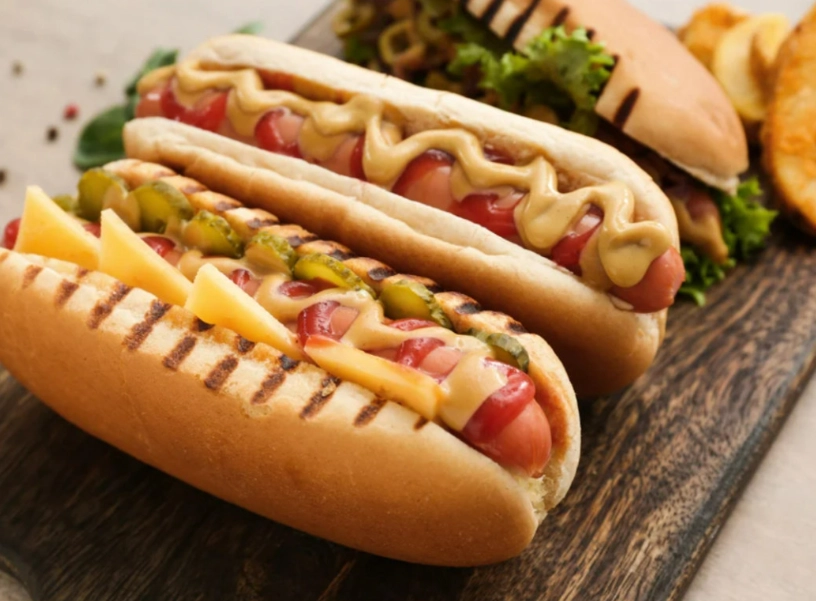
Misconception 1: The official food is always the most popular or best. Not true. Sometimes it's a political choice to promote an industry (like designating a state fruit). The best local food might be a hot dog or a sandwich that never got a legislative vote.
Misconception 2: You have to go to a fancy restaurant to try it. Usually the opposite. The most authentic versions are in old diners, family-owned shacks, markets, and community events. Fancy places often "elevate" the dish away from its roots.
My top tip: Use the state food as a conversation starter, not a checklist. Walk into a cafe in South Carolina, order shrimp and grits (the official state picnic cuisine!), and ask the server where they get their grits from. You'll learn more about the food and the place in five minutes than from any article.
Your State Food Questions Answered
Do all 50 US states have an official state food or dish?
No, they don't. While most states have designated some form of official food symbol (like a fruit, vegetable, or beverage), not all have an official "state dish." Some, like Ohio or Colorado, lack a single defining entrée. The designation is a patchwork, reflecting each state's unique legislative history and cultural priorities rather than a uniform national project.
Can a state food designation actually change how a dish is made or sold?
Absolutely, especially for agricultural products. When Georgia designates the Vidalia onion as its state vegetable, it comes with strict federal marketing orders defining where it can be grown (a specific region in Georgia) and its unique low-sulfur characteristics. This legal protection boosts local farmers and ensures quality. For a dish like chili in Texas, the designation fuels a powerful cultural standard that influences restaurant menus and cook-off rules across the state.
As a tourist, is it worth planning a trip around trying state foods?
It's a fantastic framework for a food-focused road trip, but don't be rigid. Use the list as a guide to dive into regional specialties you might otherwise miss. Instead of just hitting major city attractions in Louisiana, seeking out gumbo in Lafayette or Lake Charles leads you to authentic Cajun culture. The food is the gateway to the place. Just be prepared for surprises—the official dish might be great, but the unofficial specialty you stumble upon next door could be the real highlight.
What's the biggest mistake people make when trying to experience a state's official food?
They go to the highest-rated place on a generic travel app without considering context. A 4.8-star trendy fusion restaurant in Portland might serve a "deconstructed" version of a classic that bears little resemblance to the original community dish. For authenticity, prioritize age and location over flashy ratings. Look for places that have been around for 20+ years, are family-run, and are located away from the main tourist drags. Read reviews that mention "locals" and "generations." The food there might not be Instagram-perfect, but it will be real.
So, what is the US state food? It's 50+ different answers, each a delicious entry point into a state's history, economy, and identity. It's a legislative quirk that points to deep culinary truths. The map of state foods isn't just a trivia list; it's an invitation to explore. Start with the official designation, then talk to the people who make it and eat it every day. That's where you'll find the real story, one unforgettable bite at a time.


Comments
Leave a Comment