Let's cut to the chase: there is no single "best" month to visit the entire United States. Anyone who tells you that is oversimplifying a country that spans from tropical Hawaii to arctic Alaska. The real answer depends entirely on what you want—sunny beaches, fall foliage, ski slopes, or empty museums—and how much you hate crowds and high prices.
I've planned trips across the US for over a decade, and the most common mistake I see is people booking a summer trip to Arizona because "America equals summer vacation." They end up hiking in 110°F (43°C) heat, wondering why it's so empty (hint: everyone sensible is indoors).
Your perfect month is a balancing act between weather, crowds, cost, and what you actually want to do.
Your Quick Trip Planner
Spring in the USA (March-May)
Spring is a season of awakening, and for travel, it's a shoulder season superstar—especially late April and May. The bitter cold has mostly retreated, but the summer masses haven't arrived yet.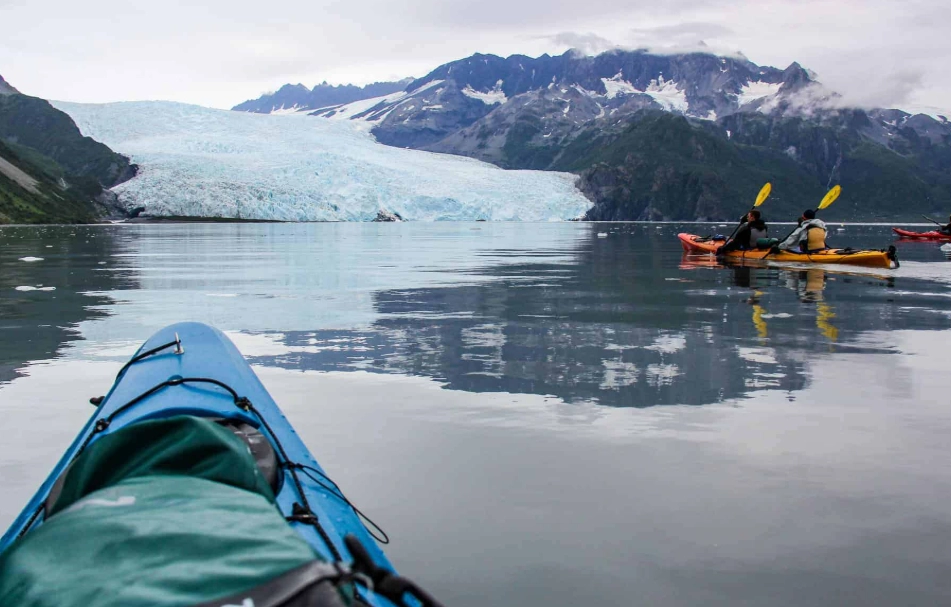
Weather Varies Wildly: In March, you could be skiing in Colorado one week and lounging on a Florida beach the next. By May, most of the country is pleasantly warm, though the Pacific Northwest can still be damp and the deserts start to heat up.
Where to Go & What to Know
Washington D.C. in April: This is the iconic spring trip for the National Cherry Blossom Festival. The peak bloom period (late March to early April) transforms the Tidal Basin. It's magical, but also the city's busiest time. Hotels near the National Mall book up fast and prices soar. A pro tip? Visit the National Arboretum instead. It has hundreds of cherry trees, far fewer people, and free admission. The nearest Metro station is about a 20-minute walk away, so a rideshare is easier.
The Southwest (Arizona, Utah, Nevada): April and May are arguably the best months for parks like the Grand Canyon, Zion, and Arches. Daytime highs are in the 70s and 80s °F (21-30°C)—perfect for hiking. By late May, it starts to get hot. This is your last comfortable window before the summer furnace ignites. Campgrounds inside these parks require reservations months in advance through Recreation.gov.
California Coast: Spring is lovely, with green hills and wildflowers. The famous summer fog hasn't fully settled in over San Francisco yet, so you have a better chance of clear views of the Golden Gate Bridge. Big Sur is stunning, but always check for road closures on Highway 1 due to landslides.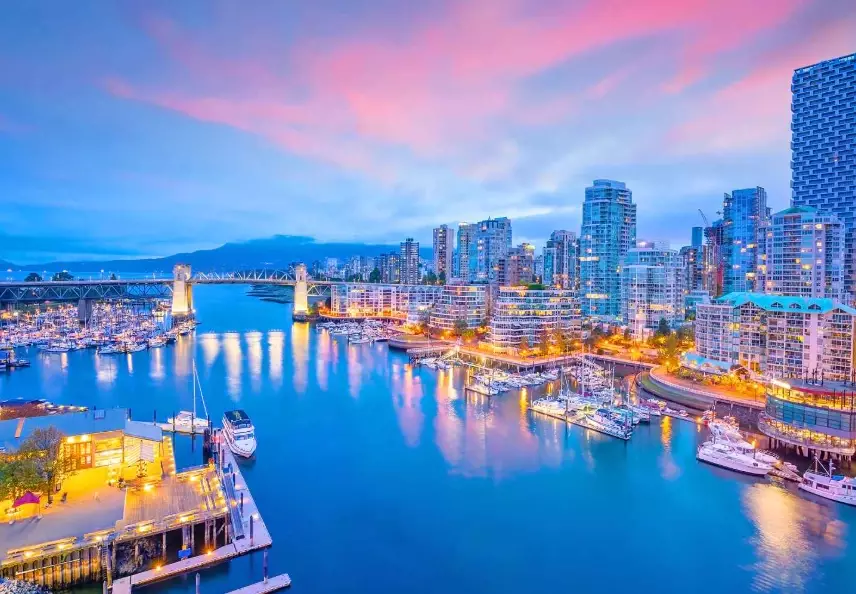
The Spring Catch: Spring break. From mid-March through April, college and school breaks create localized spikes in crowds and prices, especially in Florida, Mexico-bound beach towns, and popular national parks. If you want quiet, avoid these weeks.
Summer in the USA (June-August)
This is peak tourist season for a reason. School's out, the weather is reliably warm across most of the country, and everything is open. It's also the most expensive, most crowded, and hottest time to visit many iconic places.
My take? Summer is best for specific, weather-dependent trips and for regions where other seasons are too harsh.
Where Summer Actually Makes Sense
The Pacific Northwest (Washington, Oregon): Summer here is glorious. Seattle and Portland have their sunniest, driest, and warmest days. It's the only reliable time for hiking in the Cascade Mountains without encountering snow at higher elevations. Try the Skyline Trail loop at Mount Rainier—you'll need a park entrance pass ($30 per vehicle) and should arrive early, as the Paradise parking lot fills by mid-morning.
Alaska: This is Alaska's short, intense season. Everything from cruise tours to bear viewing in Katmai National Park operates from June to August. Days are incredibly long. It's expensive, but there's no real alternative unless you're seeking the northern lights in winter.
New England Coastal Towns: Places like Cape Cod, Martha's Vineyard, and the coast of Maine come alive. Yes, they're packed and pricey, but the water is (relatively) warm enough for swimming, and the lobster shacks are in full swing.
Where to Think Twice: The American South and Southwest. I made the mistake of visiting New Orleans in July once. The jazz was amazing, but the 95°F (35°C) heat with 90% humidity made exploring the French Quarter a sweaty, exhausting ordeal. Similarly, Las Vegas or Phoenix in summer are experiences in extreme heat best enjoyed from an air-conditioned casino or poolside cabana.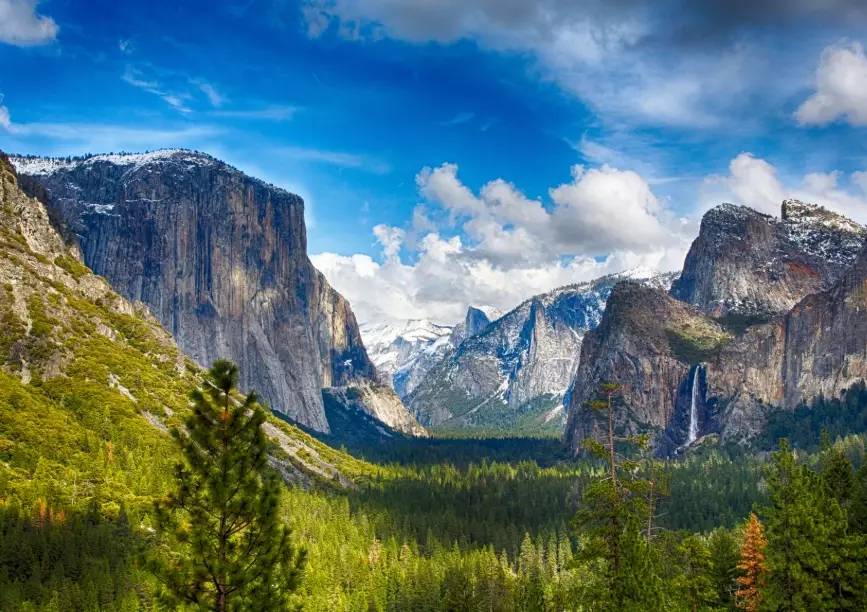
Fall in the USA (September-November)
For my money, fall—specifically September and October—is the overall winner for the best time to visit the USA. This is the golden period for travelers who hate crowds.
The magic happens right after Labor Day (the first Monday in September). Families go home, kids go back to school, and suddenly, flights and hotel rates plummet. The weather remains summer-like in many areas, but without the oppressive heat or congestion.
The Unbeatable September Advantage
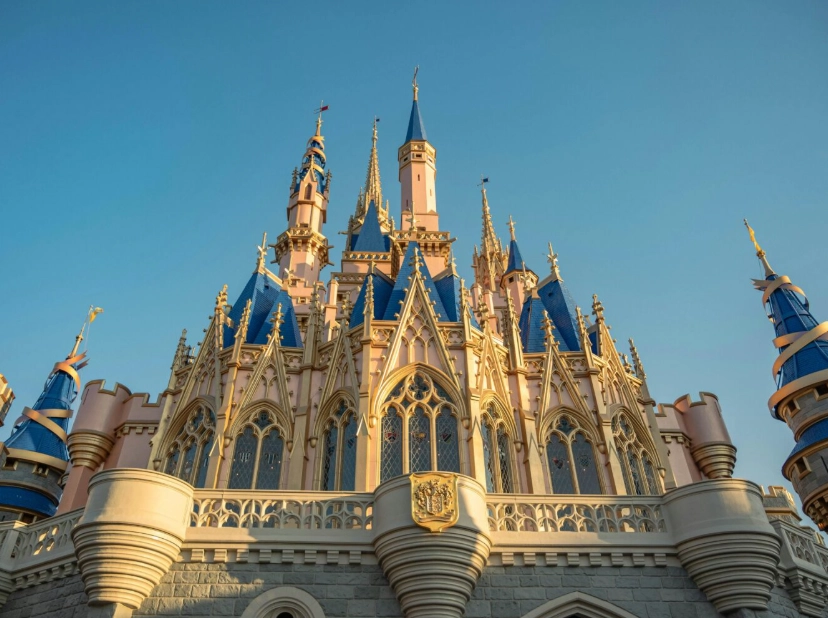
Let's talk numbers. A search for a flight from London to New York might show a 30% price drop in mid-September compared to mid-August. A standard room at a hotel near Disney World can easily be $100-150 cheaper per night. The lines for Space Mountain are half as long.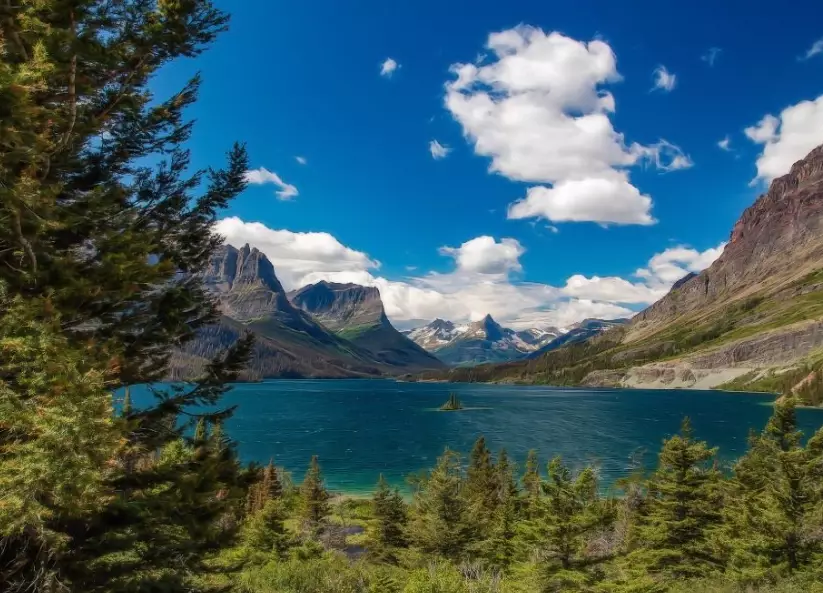
New England Fall Foliage: This is the big draw. Peak color moves from north to south from late September to mid-October. Vermont's Route 100 is a classic drive. It's popular, but the crowds are more dispersed than in a theme park. For a less hectic experience, head to the Adirondack Mountains in upstate New York. Book accommodations a year in advance for peak weekends.
The American West: September is prime time. The Southwest deserts become habitable again. The Rockies are sunny with cool nights. I once had a hiking trail in Rocky Mountain National Park almost to myself on a Tuesday in late September—a scene impossible in July.
Wine Country (California, Oregon, Washington): This is harvest season, or "crush." The vineyards are buzzing, the weather is perfect, and tasting rooms are lively but not yet overrun with summer vacationers. Napa Valley is iconic but expensive; consider Sonoma County or Oregon's Willamette Valley for a slightly more relaxed, value-oriented vibe.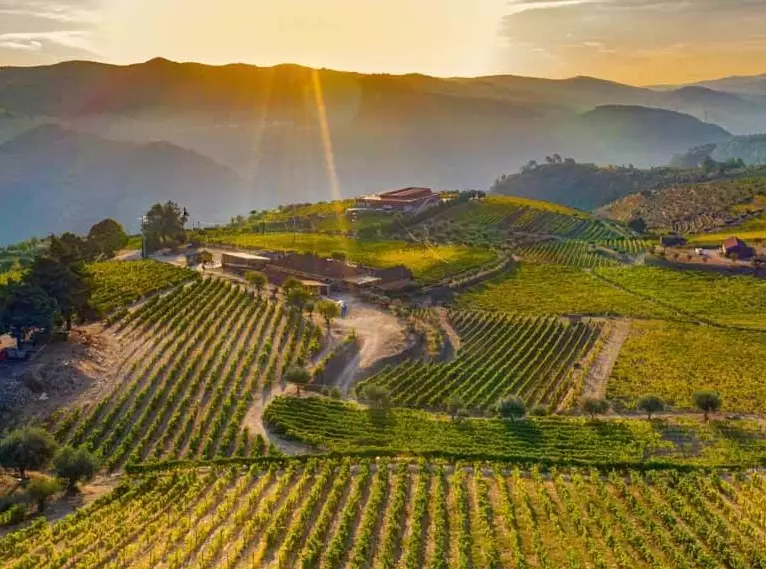
Winter in the USA (December-February)
Winter travel splits into two distinct categories: chasing snow or escaping it.
For Snow Sports & Holiday Cheer
The Rockies, Sierra Nevada, and New England: This is ski and snowboard season. Resorts in Colorado (Vail, Aspen), Utah (Park City, Snowbird), and California (Lake Tahoe areas) are in full swing from December to April. Christmas through New Year's is the absolute peak—expect maximum crowds and prices. January (after New Year's Day) and February are better for serious skiers, though you risk colder temperatures. A 3-day lift ticket at a major resort can cost over $500.
New York City in December: It's cold, it's crowded, but the holiday atmosphere is unmatched. Seeing the Rockefeller Center tree, the store windows on Fifth Avenue, and the Radio City Christmas Spectacular is a classic experience. Just pack warm clothes and book everything early.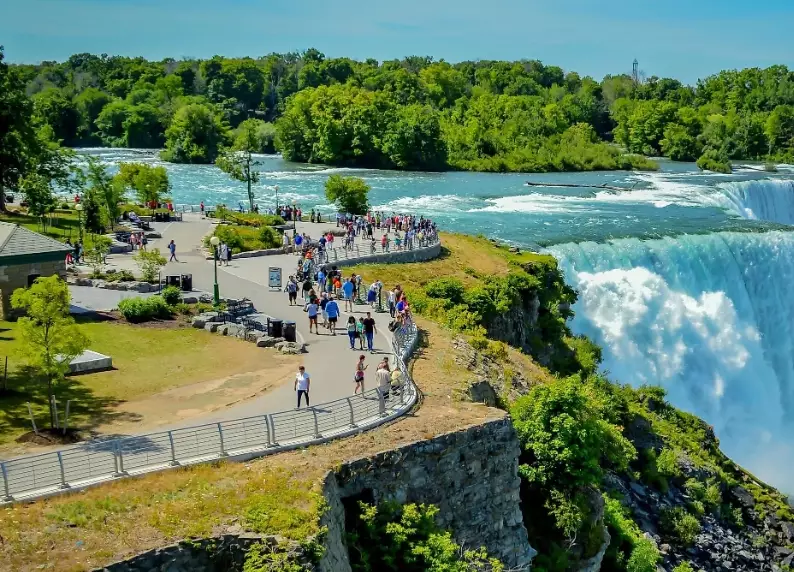
For Sun Seekers
Florida, Southern California, Arizona, and Hawaii: These are the warm winter escapes. December and January are their high season, attracting "snowbirds" from colder states. You'll pay a premium, but you'll get reliably warm, sunny days. It's the perfect time for the Florida Keys, San Diego's beaches, or exploring the desert landscapes around Tucson.
Hawaii's Subtle Winter: Winter is peak season for whale watching (especially off Maui) and for surfers chasing big waves on the North Shore of Oahu. The south shores of islands remain calm and swimmable. Rain is more likely, but it's usually brief showers.
The Month-by-Month Breakdown
Here's a quick-glance table to summarize the vibe, pros, and cons of each month. Think of it as your starting point.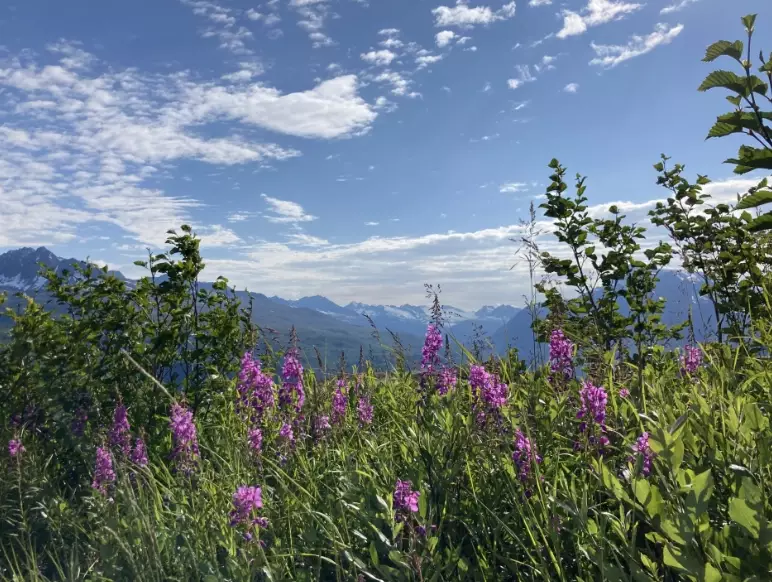
| Month | Overall Vibe & Best For | Key Consideration |
|---|---|---|
| January | Ski season peak (post-New Year's), sunny escapes in the South, cultural trips to cities. Cold nearly everywhere else. | Great deals on non-ski travel after the holidays end. Can be very cold in the North/Midwest. |
| February | Continued ski season, Mardi Gras in New Orleans (huge crowds), warming up in the desert Southwest. | A mix of winter sports and early spring-like conditions in the South. |
| March | Spring begins. Spring break chaos in some areas, good hiking in the Southwest, cherry blossoms end of month. | Very unpredictable weather. Can be a bargain or a premium depending on spring break dates. |
| April | Prime spring. Cherry blossoms, wildflowers, ideal Southwest park weather. Shoulder season benefits. | One of the best all-around months, but still busy with spring break early on. |
| May | Perhaps the most perfect weather month nationally. Warm but not hot, everything green, crowds still manageable. | Memorial Day weekend (end of month) kicks off summer prices and crowds. |
| June | Start of summer. Schools get out, families start traveling. Great for Pacific Northwest, Alaska, New England. | Crowds and prices begin their steep summer climb. Heat builds in the South. |
| July | Peak summer. National parks packed, coastal areas busy, hot inland. 4th of July celebrations nationwide. | The most expensive and crowded month. Book everything far in advance. Expect heat. |
| August | Similar to July, but with back-to-school shopping creeping in. Still very busy and hot. | A slight dip in travel at the very end of the month as some schools start. |
| September | Top contender for "best month." Summer weather, fewer crowds, lower prices after Labor Day. | Hurricane season peaks (affects Southeast/Gulf Coast). Otherwise, nearly perfect. |
| October | Fall foliage peaks, fantastic weather in most places, Halloween festivities. Still a shoulder season. | Can be chilly, especially at night and in the north. A very popular month for travel. |
| November | Transition to winter. Thanksgiving holiday travel spike. Start of ski season late in month. | Quiet between Halloween and Thanksgiving. Weather can be gray and wet in many regions. |
| December | Holiday season. Ski ramps up, sunny destinations hit high season, cities decked out in lights. | Extremely expensive and busy around Christmas and New Year's. Book very early. |
Your Questions Answered
The absolute sweet spot for value and thinner crowds is the period between Labor Day (early September) and mid-October, and again from January to early March (excluding holiday weeks). September is a gem—summer weather lingers in many places, but families are back home for school, leading to significant price drops on flights and hotels. For example, a hotel in Orlando that costs $300 per night in July might drop to $180 in late September.
January and February, after the New Year's rush and before spring break, are also great for cities and southern destinations, as long as you don't mind cooler temperatures.
It's not 'bad,' but it's the most challenging. Parks like Yellowstone, Zion, and the Grand Canyon see peak visitation from June to August. Parking lots fill by 8 AM, trails feel like highways, and lodging books up a year in advance.
If you must go in summer, target less-visited parks like North Cascades in Washington or Great Basin in Nevada. Otherwise, shift your trip to September or May for similar weather with half the people. Always use the official National Park Service website for current conditions and alerts.
No single month offers perfect weather everywhere, but May and September come closest. In May, the South and Southwest are warm but not yet scorching, the Pacific Northwest is dry, and northern states are pleasantly cool. September sees the Northeast and Midwest with comfortable, crisp air, the West Coast still sunny, and the desert Southwest becoming tolerable again.
These months provide the widest range of comfortable destinations, making them ideal for multi-stop itineraries or if you're unsure of your exact plans.
Plan for May or late September to early October. These windows avoid the blistering heat of the Southern deserts (which peaks June-August), the peak of tornado season in the Plains (spring), and the heavy snows that can close mountain passes like those in the Rockies or Sierra Nevada (November-April).
You'll get long daylight hours, manageable traffic, and the ability to camp comfortably in most regions. Just pack layers, as temperatures can swing from chilly mornings to warm afternoons, especially at higher elevations.
So, what's the final verdict? If you're looking for the best balance of good weather, manageable crowds, and fair prices, target May or September. Lock in your ideal experience, whether it's hiking in a national park, exploring a world-class city, or driving through stunning fall colors. Your perfect US trip starts with picking the right month.

Comments
Leave a Comment