In This Guide
- Breaking Down the Magic Numbers: 3, 5, and 7
- How to Actually Apply the 3-5-7 Rule: A Step-by-Step Walkthrough
- Sample 7-Day Capsule Wardrobe Using the 3-5-7 Rule
- When the 3-5-7 Rule Needs a Tweaking (And That's Okay)
- Common Questions & Misconceptions About the Packing Rule
- The Real Benefits: Why This Rule Beats Just "Packing Light"
- Your Action Plan: How to Start Using It on Your Next Trip
Let's be honest. Packing is the worst part of any trip. You stare at an empty suitcase, then at a mountain of clothes, and a familiar dread sets in. Will I have enough? What if I need that one specific thing? Before you know it, you've stuffed your bag to the brim, paid an overweight baggage fee, and spent half your vacation lugging around stuff you never wore.
I've been there. I once went on a five-day city break with enough outfits for two weeks. It was ridiculous.
Then I stumbled upon a concept that changed everything: the 3-5-7 rule in packing. It sounded too simple to be true. Just three numbers? But let me tell you, this little framework did more for my travel sanity than any fancy packing cube ever could. So, what is the 3-5-7 rule in packing, really? It's not just a random count. It's a minimalist philosophy disguised as a simple checklist, designed to force you to pack versatile, mix-and-match items and eliminate the "just in case" clutter that weighs you down.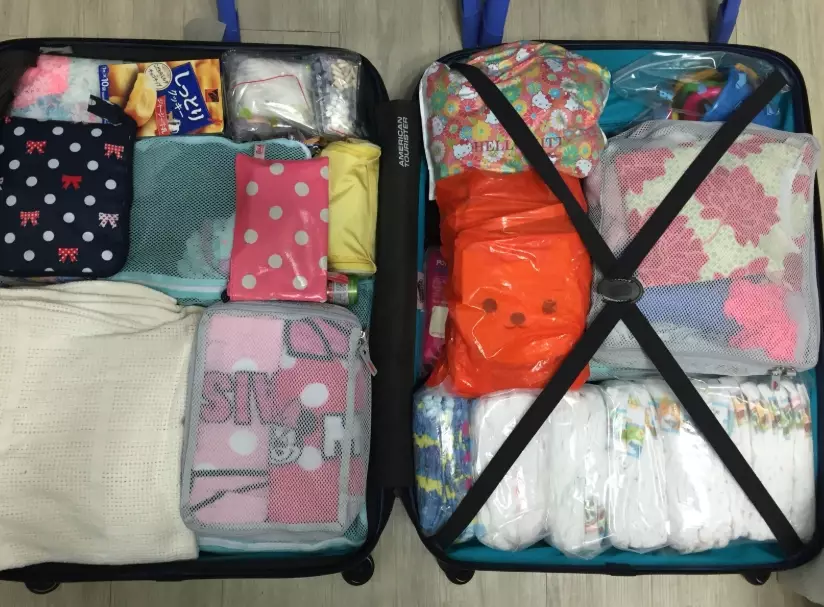
Breaking Down the Magic Numbers: 3, 5, and 7
Okay, so you've got the basic definition. But how does it work in the real world? Let's peel back the layers.
The genius of the 3-5-7 packing rule isn't in rigidly sticking to the digits—it's in the mindset it imposes. The numbers create a constraint, and constraint, as any creative person will tell you, breeds ingenuity. You stop thinking "I want this blouse," and start thinking "What top goes with three different bottoms?"
The "3" Tops: Your Style Foundation
This is where your outfit combinations start. Three tops might seem scant, but the trick is in their selection. We're not talking about three nearly identical t-shirts. You need variety in style, sleeve length, and maybe formality.
A classic combination for a casual trip might be: a solid-colored t-shirt (versatile base layer), a button-down shirt (can be dressed up or worn open over the tee), and a long-sleeve sweater or blouse (for layering or cooler evenings).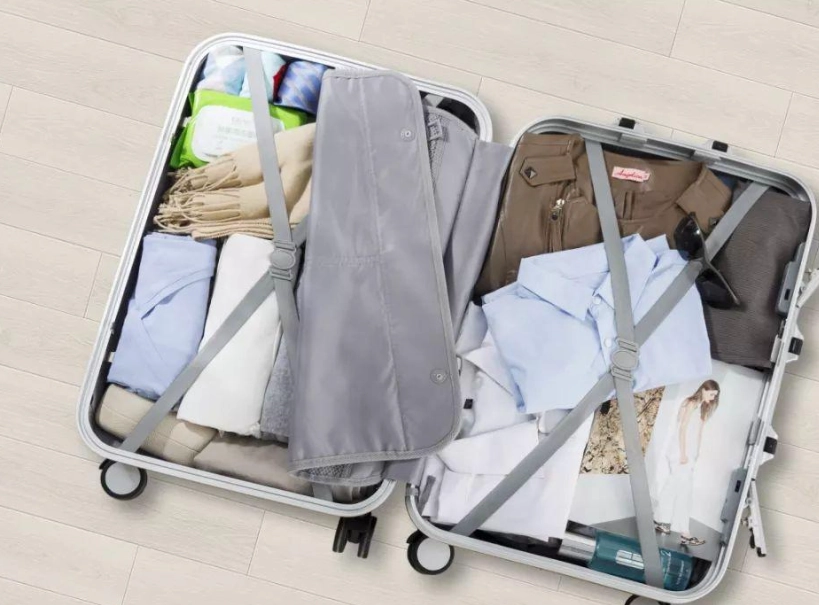
See the logic? Each serves a distinct purpose and pairs differently with your bottoms. The common mistake is packing three tops that only work with one type of pant. That defeats the whole purpose of the 3-5-7 rule in packing.
The "5" Bottoms: The Workhorses of Your Wardrobe
Five bottoms sounds like a lot, but it includes everything from jeans to shorts to a dressier option. The goal is coverage for different activities and weather.
Think: one pair of jeans (reliable, casual), one pair of comfortable trousers or chinos (smart-casual), one pair of shorts or a skirt (for warm weather/relaxing), one pair of leggings or athletic pants (for travel days or workouts), and maybe one "wild card"—a dress or jumpsuit that counts as a full outfit in one piece.
The key is that every single top you packed should look good with at least three of these bottoms. If a top only goes with one, it's probably not making the cut. This is the core discipline the rule teaches you.
The "7" Socks & Underwear: The Non-Negotiables
This is the easiest part to understand but often where people slip up. Seven sets of socks and underwear for a week-long trip. It's a one-per-day buffer, accounting for potential changes after a long day of sightseeing or a surprise downpour.
Some purists argue you can do with fewer if you plan to do laundry, but for most travelers, seven is the sweet spot of practicality. It removes the low-level stress of wondering if you have enough clean basics. Just pack them and forget about it.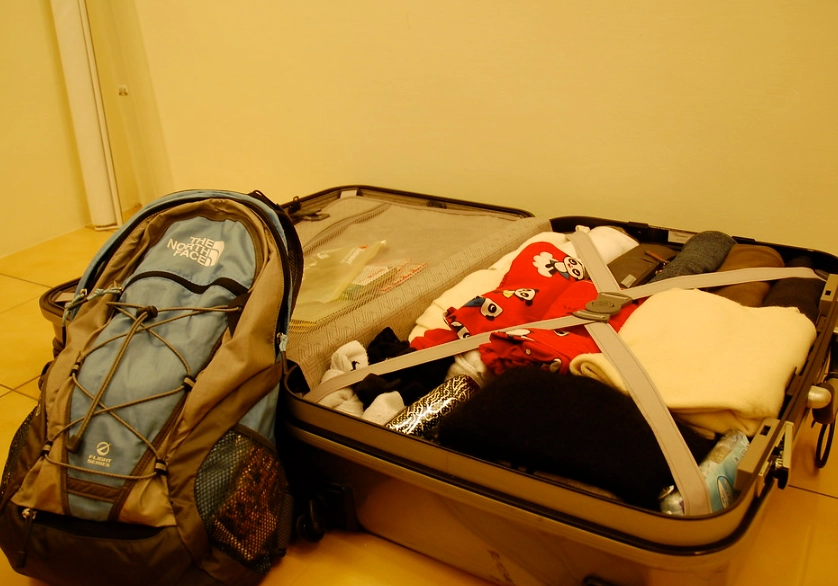
How to Actually Apply the 3-5-7 Rule: A Step-by-Step Walkthrough
Knowing what the 3-5-7 rule in packing is, is one thing. Applying it is another. Let's walk through it with a concrete example: a 7-day summer trip to a European city with a mix of walking, nice dinners, and maybe a day trip.
First, lay everything out on your bed. I mean everything you're considering. Now, grab your phone and take a picture. We'll come back to that.
Step 1: Start with Your Bottoms (The 5). These are the anchors. Pick a cohesive color palette—neutrals like black, navy, grey, khaki, and denim are your friends. For our trip: 1) Dark wash jeans, 2) Navy linen trousers, 3) Khaki shorts, 4) Black leggings (for the flight/comfy day), 5) A midi skirt (the wild card).
Step 2: Choose Your Tops (The 3). Now, find three tops that each work with at least three of your five bottoms. They should add pops of color or pattern to your neutral base. Let's say: 1) A white linen button-down (goes with all 5 bottoms), 2) A striped navy-and-white tee (goes with jeans, shorts, skirt, trousers), 3) A simple black sleeveless top (dressy, goes with skirt, trousers, jeans).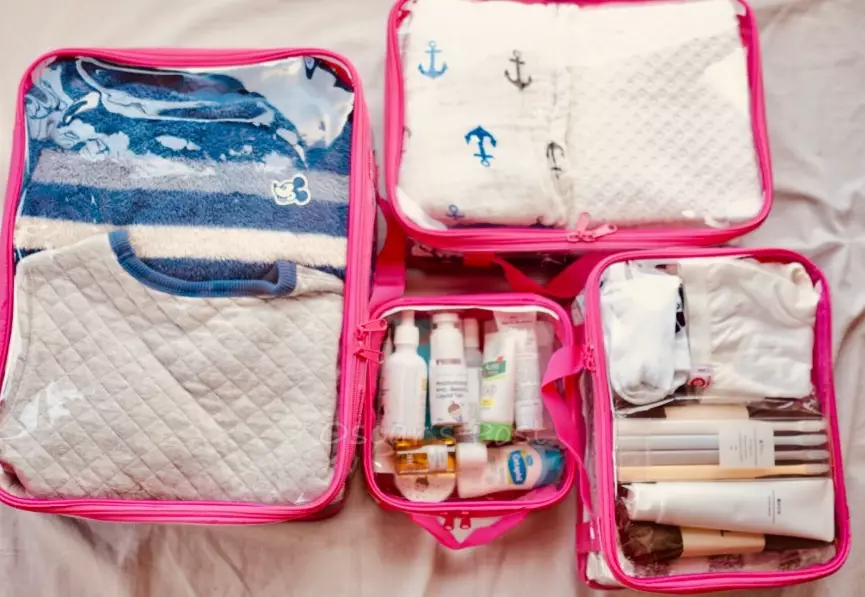
Step 3: Do the Math. With 3 tops and 5 bottoms, you have 15 potential top/bottom combinations. Even if some combos aren't perfect, you easily have a unique outfit for every day of a week-long trip, plus options to change for evening. Add in your single-piece dress/jumpsuit (the skirt could be worn as a dress with different styling), and your options explode.
Step 4: The Supporting Cast. The rule is just for core clothing. You'll need: 1-2 pairs of shoes (wear the bulkier ones on the plane), 1 lightweight jacket or sweater, sleepwear, toiletries. A pro tip: check the TSA website for current liquid rules to avoid surprises at security. It's a government source, so the info is reliable.
Now, look back at that photo you took of your initial "want" pile. See all the extras? The "maybe" shirt, the second pair of nearly identical jeans? That's the clutter the 3-5-7 rule helps you eliminate.
Sample 7-Day Capsule Wardrobe Using the 3-5-7 Rule
| Day / Activity | Bottom (From the 5) | Top (From the 3) | Outfit Vibe & Notes |
|---|---|---|---|
| Day 1: Travel & Arrival | Black Leggings | Striped Tee + Light Jacket | Comfort is king. Jacket for plane AC. |
| Day 2: City Walking Tour | Khaki Shorts | White Button-Down (tied at waist) | Cool, breezy, and looks put-together. |
| Day 3: Museums & Nice Dinner | Navy Linen Trousers | Black Sleeveless Top | Swap shoes from sneakers to flats for evening. |
| Day 4: Day Trip Hike | Dark Wash Jeans | Striped Tee | Durable and easy. Add the jacket if chilly. |
| Day 5: Casual Exploring | Midi Skirt | White Button-Down (untucked) | Effortlessly chic. Different look from Day 2. |
| Day 6: Market & Relaxing | Khaki Shorts | Black Sleeveless Top | Simple and cool. A combo you might not have tried at home. |
| Day 7: Departure Travel | Navy Trousers or Leggings | Comfortable top of choice | Re-wear something easy or save a fresh combo. |
See? Not a single repeat outfit, and we barely scratched the surface of possible combos.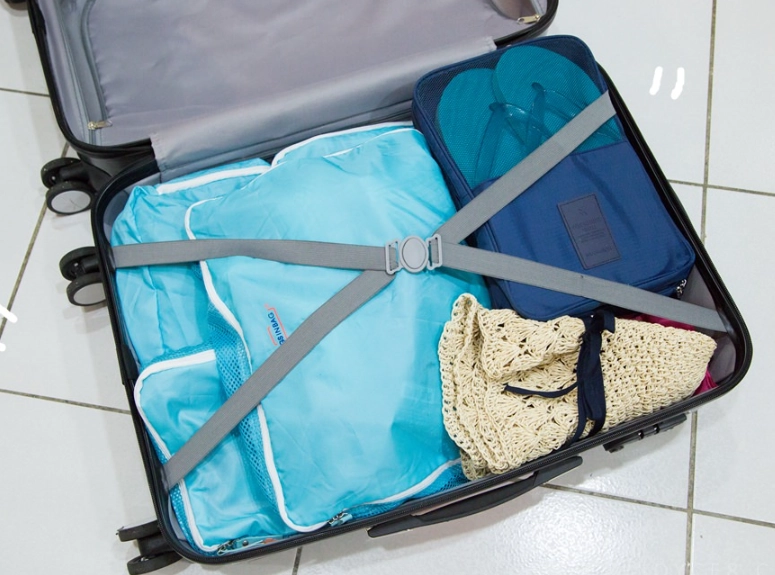
When the 3-5-7 Rule Needs a Tweaking (And That's Okay)
Is the 3-5-7 rule a rigid law? Absolutely not. Anyone who tells you it's perfect for every single trip is overselling it. The real value is as a starting point, a baseline from which you can intelligently deviate.
Let's talk about where it might fall short.
Extreme Weather: A ski trip or a beach holiday breaks the model. For cold weather, you're packing bulkier layers (a single sweater takes up more space than three tops). The principle shifts to layering: base layers, mid-layers, and one outer shell. The core idea of limiting items remains, but the categories change.
Trips with Specialized Activities: A wedding requires a specific outfit. A hiking trip needs technical gear. In these cases, you pack the non-negotiable specialty item first, then build your 3-5-7 (or adjusted version) around it.
The point is, asking "what is the 3-5-7 rule in packing?" leads you to a smarter way of thinking. It's not about the numbers; it's about intentionality. It forces you to plan outfits, not just pack clothes.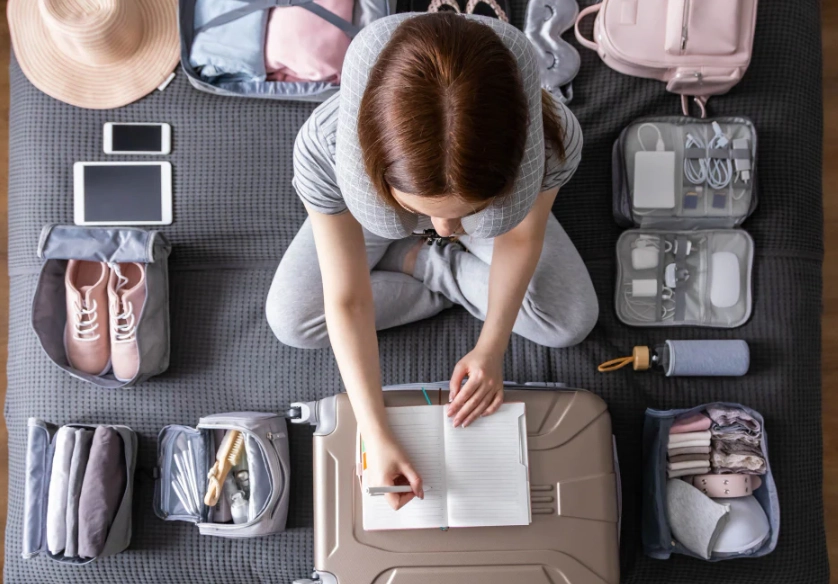
Common Questions & Misconceptions About the Packing Rule
"Do I really only pack 15 items of clothing?"
No, and this is a big misconception. The 3-5-7 rule covers your core, mix-and-match wardrobe. It doesn't include what you wear on the plane (which can be one of your combos), your pajamas, your swimsuit, your outerwear (jacket/coat), or your shoes. Those are separate. You're probably looking at a total of 20-25 clothing items, which is still incredibly lean.
"What about accessories?"
Accessories are the secret weapon of the minimalist packer. A scarf, a statement necklace, different belts, or hats can transform the same base outfit. They take up negligible space and offer massive style returns. They exist outside the 3-5-7 system and are actively encouraged.
"Does this work for long-term travel or trips longer than a week?"
This is the most common challenge. For a two-week trip, you don't pack 6 tops, 10 bottoms, and 14 underwear—you'd have a suitcase the size of a fridge. The 3-5-7 rule becomes a weekly cycle. You pack for one week, with the intention of doing laundry. The rule ensures your laundry load is small and manageable. Pack quick-dry fabrics to make this even easier.
"I have kids! Is this even possible?"
It's harder, but the principle is a lifesaver. Kids get clothes dirty at an alarming rate. Sticking to a strict, coordinated capsule for them means you can mix and match their stained items more easily and you'll have fewer "outfits" to manage. You might inflate the numbers a bit (e.g., 4-6-8), but the discipline of choosing a color-coordinated capsule is even more valuable when packing for multiple people.
Another practical tip for family travel: the official FAA website has great, clear advice on flying with children, from car seat rules to dealing with ear pressure. It's another trustworthy resource that complements your packing strategy.
The Real Benefits: Why This Rule Beats Just "Packing Light"
So why has this specific rule gained such a following? Packing light isn't a new idea. The 3-5-7 framework offers tangible, psychological benefits that go beyond saving space.
It eliminates decision fatigue. You know that feeling of staring into a packed closet and having "nothing to wear"? Imagine that on vacation, in a hotel room. With a pre-planned capsule, you have 15 great options, not 50 mediocre ones. Getting dressed is quick and stress-free.
It guarantees a cohesive look. Because everything goes with everything, you'll always look pulled-together. No more clashing colors or mismatched styles in your vacation photos.
It makes repacking a breeze. Since you used everything and it all coordinates, stuffing it back in your bag on the last day is simple. No puzzle pieces that don't fit.
It saves money. You're almost guaranteed to avoid checked baggage fees on budget airlines. That's money straight back into your travel fund for a nice meal or an extra excursion.
Honestly, the first time I tried it, I was anxious. I felt underprepared. But by day two, I felt this incredible sense of freedom. My bag was light. My room wasn't a mess of discarded clothing options. I spent zero time worrying about what to wear. That's the real magic of understanding what the 3-5-7 rule in packing truly offers.
Your Action Plan: How to Start Using It on Your Next Trip
Feeling convinced? Don't just read about it and forget. Try it. Here's how to start small.
1. Do a Dry Run. For your next weekend trip (even just two nights), try a micro-version: 2 tops, 3 bottoms, 4 underwear/socks. Practice the mix-and-match logic on a low-stakes trip.
2. Build Your Color Palette. Look at your favorite clothes. What colors do you always feel good in? Stick to 2-3 base colors (black, navy, beige) and 1-2 accent colors. Every new item should work with this palette.
3. Be Brutal with the "Just in Case" Item. For every "just in case" item you want to pack, ask: "What is the realistic probability I will need this?" If it's below 50%, leave it. You can usually buy a cheap umbrella or an extra sweater if a true emergency arises.
4. Invest in Versatility, Not Quantity. Next time you buy travel clothing, think in terms of the 3-5-7 rule. Ask: "How many of my existing items does this go with?" A top that goes with five things is a better investment than one that goes with one.
Look, the 3-5-7 rule in packing isn't a magic spell. It won't fold your clothes for you. But it is a profoundly simple tool that cuts through the noise and anxiety of pre-travel preparation. It gives you permission to pack less, to focus on the experience rather than the stuff. In a world that constantly tells us we need more, it's a small act of rebellion that leads to a much better holiday.
So, what is the 3-5-7 rule in packing? It's your ticket to traveling lighter, smarter, and with a lot less stress. Give it a shot. Your shoulders (and your sanity) will thank you.






Comments
Leave a Comment