Let's be honest. When you search for a "traditional American food list," you're not just looking for names of dishes. You want to know what's genuinely good, where to find it without falling into a tourist trap, and maybe even how to order it without looking like a rookie. You want the story behind the plate, the local spots that do it right, and the little secrets that turn a meal into an experience. This isn't a generic listicle. This is a field guide written by someone who's spent years eating their way across this country, from roadside diners to white-tablecloth institutions, learning what makes American food tick.
What's Inside?
What Makes a Dish ‘Traditional’ American?
Forget the clichés for a second. Traditional American food isn't just oversized portions and processed cheese (though those have their place). It's a culinary story of adaptation and fusion. It's the Native American ingredient (corn, squash, turkey) meeting European cooking techniques, blended with African, Latin American, and Asian influences brought by immigrants. The James Beard Foundation often highlights this evolution in American culinary identity. A dish earns its "traditional" badge through time, regional pride, and its ability to evoke a specific sense of place and memory. Meatloaf on a Tuesday night, a perfect lobster roll on a New England dock, slow-smoked brisket in Texas—these are edible pieces of American life.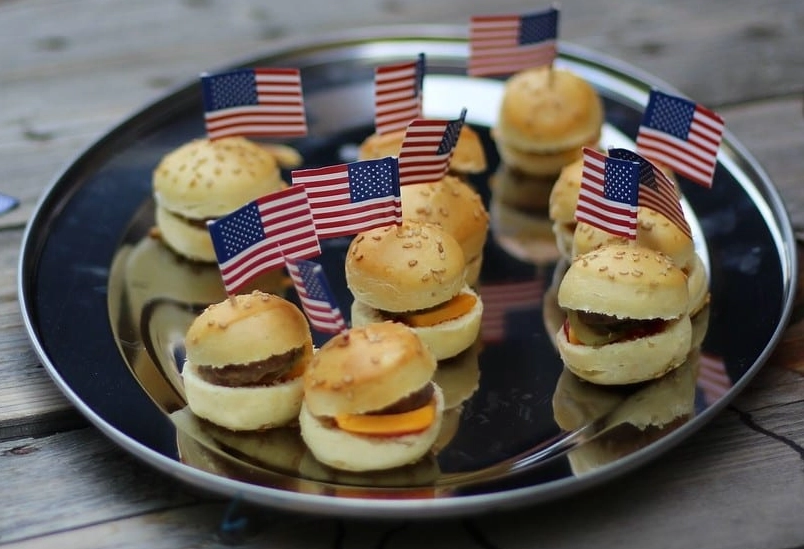
Here’s a key insight most lists miss: The "best" version of a dish is fiercely regional. Asking for the best BBQ in America is a fight-starter. The best clam chowder is a Boston vs. Manhattan war. This list respects those borders. We'll tell you not just what to eat, but where its spiritual home is.
The Definitive Traditional American Food List
This is the core list. These are the dishes that have woven themselves into the national fabric. Think of them as the essential chapters in the story of American eating.
The All-American Icons
The Hamburger: The king. But the magic isn't in the gimmicks—it's in the ratio. A soft, slightly sweet bun that doesn't disintegrate, a seasoned beef patty with enough fat (aim for 20%) to stay juicy, crisp lettuce, onion, pickles, and a sauce that complements without overwhelming. I've had my share of dry, disappointing patties disguised by a mountain of toppings. A great burger is about balance.
Macaroni and Cheese: The ultimate comfort food. The divide here is between the baked, crusty-top version (often with a breadcrumb or extra cheese crust) and the stovetop, creamy kind. The baked style has more depth, often using multiple cheeses like sharp cheddar and Gruyère. The boxed stuff has its nostalgic place, but homemade is a different universe.
Apple Pie: "As American as apple pie" exists for a reason. The ideal slice has a flaky, buttery crust that holds a filling of tart apples (like Granny Smith) mixed with sugar and warm spices like cinnamon and nutmeg. It should hold its shape when sliced, not run like soup. A la mode (with vanilla ice cream) is non-negotiable for many.
The Regional Powerhouses
Texas BBQ Brisket: This isn't grilling. This is a religion involving low heat, smoke from post oak or mesquite, and time—up to 18 hours. The result should be a dark, peppery "bark" on the outside and meat so tender it jiggles, with a clear smoke ring. It's served on butcher paper, often by the pound, with white bread, pickles, and raw onion. Sauce is usually an afterthought, sometimes even frowned upon.
New England Clam Chowder: The creamy, white kind. It's a thick, milky broth packed with tender clams, diced potatoes, onions, and sometimes salt pork or bacon. It should be hearty, not gloppy. The crackers (oyster crackers) are for crumbling on top. If it's red (Manhattan style) or clear (Rhode Island), you're in the wrong region.
Southern Fried Chicken: Crispy, craggy, seasoned crust that audibly cracks when you bite, revealing juicy, flavorful meat underneath. The brine (often buttermilk-based) is the secret to moisture, and the seasoning (paprika, garlic powder, cayenne) needs to be in the flour, not just on the surface. It's a weekend project for many Southern families.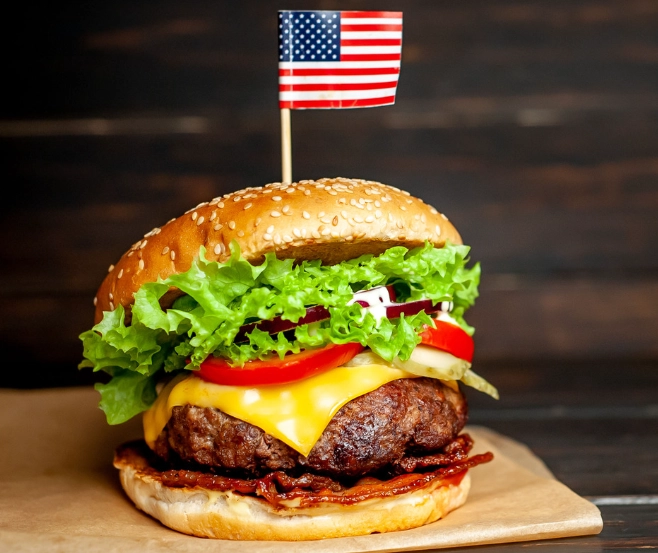
Chicago Deep-Dish Pizza: Call it a pie, a casserole, but don't call it bad. It's a thick, buttery crust that lines a deep pan, filled with cheese (often mozzarella), toppings, and finally a chunky tomato sauce on top. Eating it requires a knife and fork. It's a meal, not a snack.
Where to Eat These American Classics: A Curated Guide
Here’s where theory meets practice. This table isn't just a list of famous names; it's a practical guide to institutions that have defined their dish. Prices are approximate for a standard order per person.
| Dish | Restaurant (Location) | What to Order / Note | Price Range | Tip/Insider Info |
|---|---|---|---|---|
| Steak (NY Strip) | Peter Luger Steak House (Brooklyn, NY) | The Porterhouse for two (or more). Cash or debit only. The steak sauce is iconic, but try the meat first. | $70-$120+ per person | Reservations are essential, booked weeks ahead. Lunch can be slightly easier. The creamed spinach is a must-side. |
| BBQ Brisket | Franklin Barbecue (Austin, TX) | The brisket, by the pound. Get there early—the line starts before 8 AM, and they sell out. | $25-$40 per person | Go on a weekday if possible. Bring a chair, coffee, and make friends in line. It's part of the experience. |
| Lobster Roll | The Clam Shack (Kennebunkport, ME) | The classic Maine lobster roll: chilled lobster meat with a light touch of mayo on a grilled, split-top bun. | $25-$35 | It's a seasonal, walk-up shack. No frills, just arguably the best lobster roll in its home state. Cash preferred. |
| Cheeseburger | Au Cheval (Chicago, IL) | The Single Cheeseburger (it's a double). Add an egg if you're feeling decadent. | $18-$25 | Expect a long wait. Put your name in and explore the West Loop. The dense, perfect fries are shareable. |
| Fried Chicken | Willie Mae's Scotch House (New Orleans, LA) | The fried chicken plate. It's been called the nation's best. | $15-$25 | Located in the Treme neighborhood. It's small, busy, and utterly authentic. Go for an early lunch. |
These spots represent the pinnacle, but remember, amazing traditional food is also found in unassuming diners, family-run shacks, and local joints off the highway. Don't just chase the Instagram famous spots—look for places filled with locals at odd hours.
How to Order Traditional American Food Like a Pro
This is where you avoid looking like a tourist and eat like someone who knows.
At a Steakhouse: Don't just say "medium." For a great strip or ribeye, aim for medium-rare. This allows the fat to render and the flavor to develop without drying out the muscle. Ask about the cut's origin (e.g., USDA Prime, dry-aged). Sides are almost always à la carte and massive—share them.
At a BBQ Joint: Order by the meat and weight ("half-pound of brisket, quarter-pound of ribs"). They'll ask if you want "lean or moist" for brisket; moist means the fatty, incredibly flavorful point cut. Lean is the flat. Get a mix. Sauce is on the side. Use it sparingly to taste the smoke first.
At a Diner: The menu is a novel. Stick to the classics they've been making for 50 years: meatloaf, patty melt, club sandwich, pancakes. The coffee will be bottomless. Pie is almost always homemade—ask what's fresh.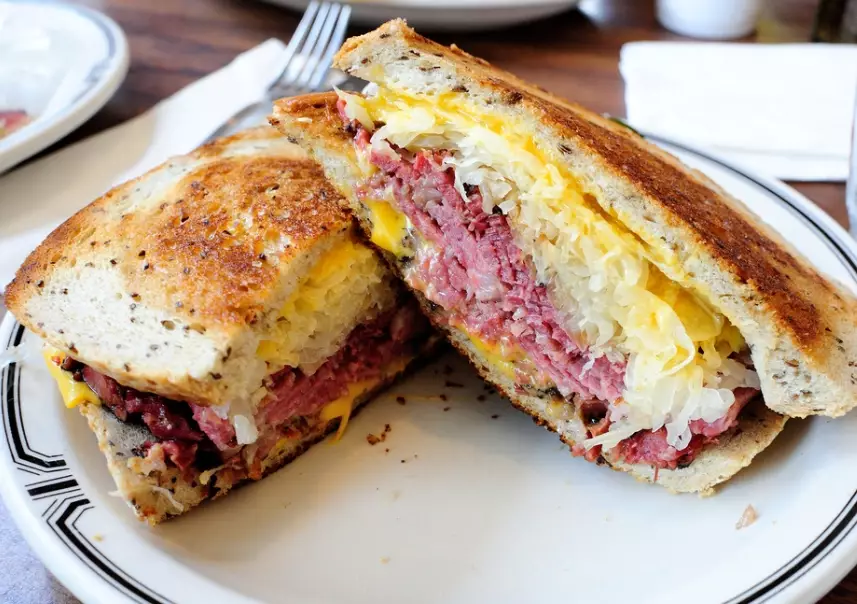
Common Mistakes to Avoid with American Classics
I've seen these too many times.
Over-saucing BBQ. You're tasting sauce, not the hours of work that went into the smoke. Dab, don't drown.
Ordering a well-done steak at a premium steakhouse. The chef will sigh. You're paying for high-quality beef, and cooking it to well-done ruins its texture and flavor. If you don't like pink, order a burger or a braised dish.
Assuming all clam chowder is the same. New England (white/creamy), Manhattan (red/tomato-based), and Rhode Island (clear broth) are completely different dishes. Know which one you're getting.
Thinking "American cheese" is the only cheese for a burger. It melts beautifully, and its mildness works. But don't knock sharp cheddar, blue cheese, or Swiss on a burger until you've tried it at a good gastropub.
Your American Food Questions, Answered
Skip the generic street cart hot dog. Head to Katz's Delicatessen on the Lower East Side. Order the pastrami on rye. It's an institution for a reason. The meat is hand-carved, piled impossibly high, and seasoned perfectly. Share a plate of pickles. Pay at the cashier on your way out (they give you a ticket when you enter—don't lose it). It's noisy, chaotic, and 100% authentic old New York. For a sweet finish, walk to Russ & Daughters for a bagel with cream cheese and lox.
The classic diner breakfast: two eggs (any style, but "over easy" is a good test of a cook), crispy bacon or sausage links, hash browns (ask for them "extra crispy" if you like texture), and toast or a biscuit with gravy. It's savory, hearty, and fueled a nation. In the South, swap hash browns for cheesy grits. In the Southwest, add a side of chorizo or breakfast tacos. This meal is about customization and reliability.
The turkey, obviously, but specifically, the gravy. Most people make a last-minute, lumpy, flavorless paste. The secret is in the drippings. After roasting your turkey, pour all the pan juices into a fat separator. Use the separated fat to make a roux (equal parts fat and flour, cooked for a few minutes). Then, slowly whisk in the defatted pan juices and a good homemade or high-quality store-bought turkey or chicken stock. Simmer until thickened. Season carefully with salt and pepper. A great gravy ties the entire plate together; a bad one ruins it.
Look to the Native American foundations: succotash. It's a simple dish of lima beans and corn, often with other summer vegetables like bell peppers and tomatoes, simmered together. It's packed with fiber, protein, and vitamins. Another is a simple New England boiled dinner—corned beef or ham boiled with cabbage, potatoes, and carrots. It's straightforward, unprocessed, and while the meat is salty, the vegetables are nourishing. American food isn't all about indulgence; its roots are in practical, farm-based cooking.


Comments
Leave a Comment