Guide Highlights
- Why Visit San Francisco? Beyond the Bridge
- When to Go: Decoding San Francisco's Infamous Weather
- The Can't-Miss Sights (And How to See Them Right)
- Neighborhood Deep Dive: Finding Your Vibe
- Building Your San Francisco Itinerary
- Hidden Gems & Local Favorites
- The Practical Stuff: Getting Around, Staying, & Saving Money
- Your San Francisco Tourism Questions, Answered
- Final Thoughts: Embracing the Real San Francisco
Let's be real. Planning a trip to San Francisco can feel overwhelming. You've got the postcard images in your head—the Golden Gate Bridge, cable cars, maybe Alcatraz—but then you start digging and get hit with a million questions. What's worth it? What's overrated? How do you even get around those famous hills? And is it really as foggy and expensive as everyone says? (Spoiler: sometimes, yes).
I've been there, both as a wide-eyed tourist and later as a frequent visitor who's learned the ropes the hard way. This guide isn't about painting a perfect, glossy picture. It's about giving you the straight talk you need to plan an amazing San Francisco adventure, whether it's your first time or your fifth. We're going beyond the basic lists to talk about the feel of the neighborhoods, the practicalities that guidebooks gloss over, and how to experience the real soul of the City by the Bay.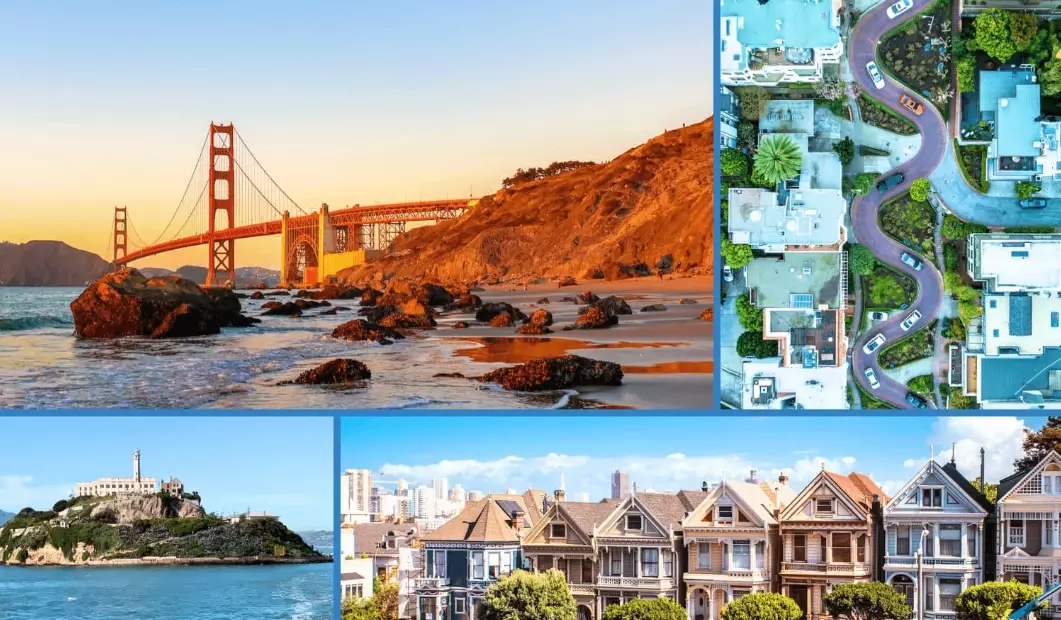
Why Visit San Francisco? Beyond the Bridge
Sure, the bridge is iconic. But San Francisco's magic is in its layers. It's a city of distinct villages, each with its own personality. You can have a gourmet meal in one neighborhood, then walk ten minutes and feel like you're in a different country. It's a place where Victorian houses sit next to sleek tech offices, where you can find world-class art and then watch sea lions belly flop off a pier.
The culture is palpable. It's a city of innovators and artists, of historic LGBTQ+ activism and cutting-edge food trends. This blend of history, natural beauty, and forward-thinking energy is what makes San Francisco tourism so uniquely compelling. It challenges you, surprises you, and stays with you long after you leave.
But it's not a perfect city. I have to be honest. The wealth disparity is stark. You'll see incredible prosperity alongside a severe homelessness crisis. Parts of the city can feel dirty or unsafe, especially at night. And yes, the cost of everything—from hotels to a simple sandwich—can induce sticker shock. Going in with your eyes open to both the beauty and the challenges is part of respecting the real San Francisco.
When to Go: Decoding San Francisco's Infamous Weather
Forget everything you know about seasonal travel. San Francisco plays by its own rules. The most common mistake tourists make? Packing for California sunshine and ending up shivering in summer fog.
The secret lies in the microclimates. The city is surrounded by water on three sides, which creates dramatic weather differences from one neighborhood to another. The west side (near the Ocean) is often cool, foggy, and windy. The east side (like the Embarcadero) and areas across the bay in the East Bay are often warmer and sunnier. I learned this the hard way on my first trip, wearing shorts in Fisherman's Wharf and freezing until I bought an overpriced "I ❤️ SF" sweatshirt.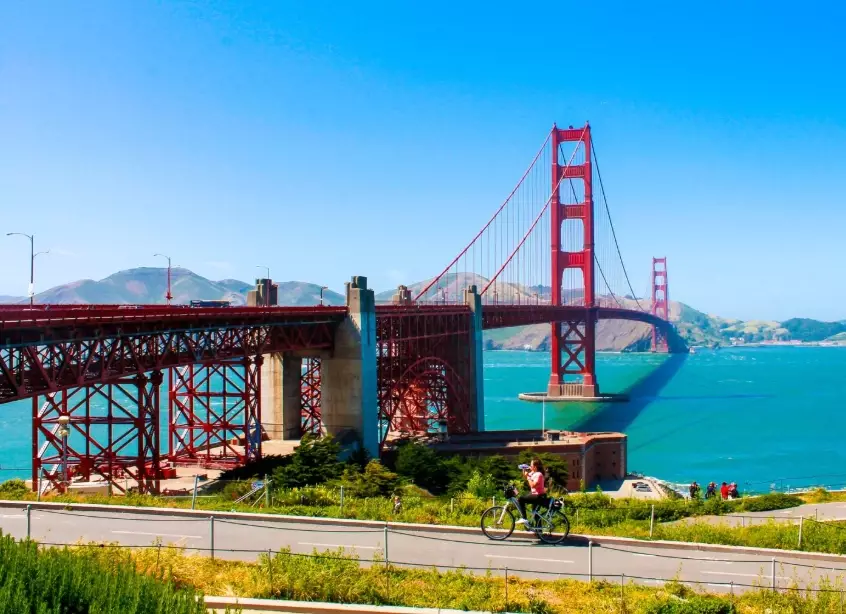
| Season | Typical Weather | Pros for Tourism | Cons & What to Know |
|---|---|---|---|
| Fall (Sep-Nov) | Often the warmest, sunniest period. "Indian Summer." | Clear views, pleasant temps, fewer crowds after Labor Day. | Can still be windy. Popular convention season can keep hotel prices up. |
| Spring (Mar-May) | Variable. Mix of rain, sun, and the famous Karl the Fog rolling in. | Wildflowers bloom, city feels lively, hotel rates can be lower than summer. | Unpredictable. Always have layers. Not guaranteed beach weather. |
| Summer (Jun-Aug) | Cool, foggy, especially west of Twin Peaks. Drizzly mornings common. | Longer days, major festivals (Outside Lands), vibrant energy. | Coldest season near the coast. Crowded. Pack a warm jacket, seriously. |
| Winter (Dec-Feb) | Mild compared to most of US. Rainy season. Chilly. | Lowest tourist crowds, cheapest hotel rates (except holidays). | Highest chance of rain. Some outdoor activities less ideal. |
So when's the best time? For reliably nice weather, aim for September and October. For fewer crowds and lower prices, late winter or early spring can be a great bet if you don't mind a bit of rain. Summer has its own festive charm, but manage your expectations—you're not getting Miami heat.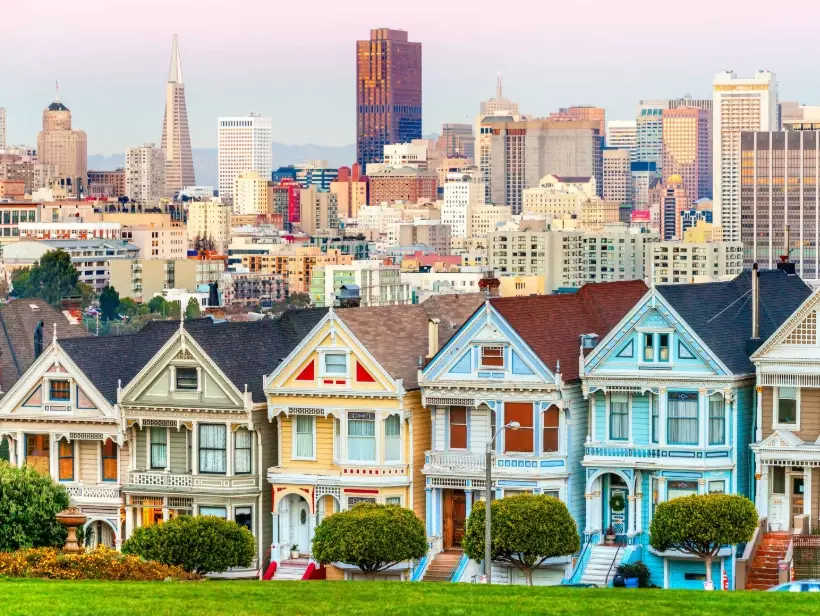
The Can't-Miss Sights (And How to See Them Right)
Let's talk landmarks. Any guide to San Francisco tourism will list these, but I want to tell you how to experience them beyond the snapshot.
The Golden Gate Bridge
It's the star. And it deserves to be. Walking or biking across it is a quintessential experience—the wind, the view of the city and the bay, the sheer scale of it. But everyone goes to the main viewing area at the Welcome Center. For a different perspective, head to Battery Spencer on the Marin Headlands side (you'll need a car or a tour). You get that iconic postcard view with the city in the background. Baker Beach offers a great angle from below. Pro tip: Check the National Park Service page for the Golden Gate for info on parking (a nightmare) and bike rentals. The bridge is often shrouded in fog, especially in the afternoon. Mornings are usually clearer.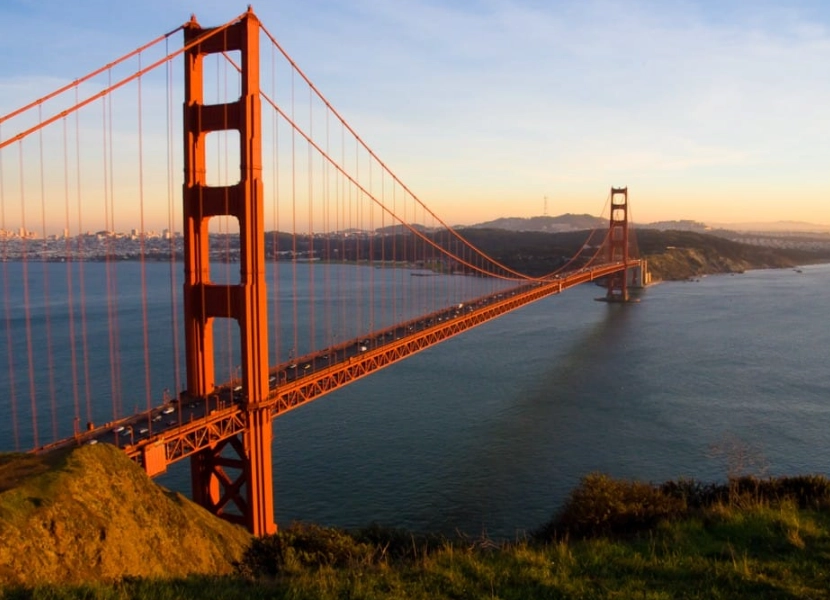
Alcatraz Island
Yes, you should go. It's not a cheesy tourist trap; it's a profoundly interesting historical site. The audio tour, narrated by former guards and inmates, is fantastic. But book your tickets WELL in advance, like weeks or even months for peak season. The only official ferry operator is Alcatraz City Cruises. Don't get scammed by third-party sites selling overpriced combo tours if you just want Alcatraz. The night tour is spookier and cooler, in my opinion. Wear good shoes—it's a steep climb from the dock.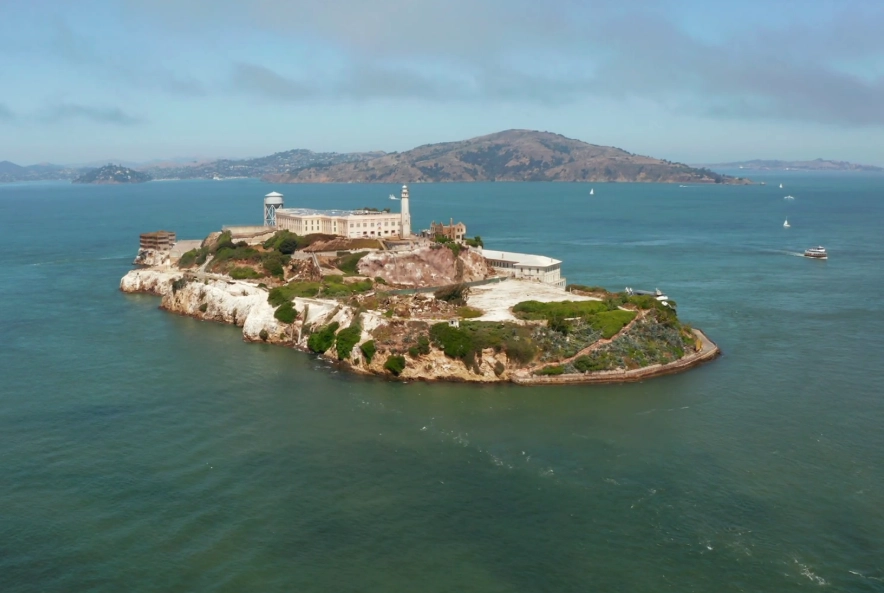
Fisherman's Wharf & Pier 39
This is the most touristy spot in the city. It's crowded, a bit kitschy, and the food (except for the fresh crab stands) is often overpriced and mediocre. So why go? The sea lions at Pier 39 are genuinely entertaining. The Musée Mécanique is a weird and wonderful collection of antique arcade games. And it's the launching point for bay cruises and ferries. Go for an hour or two, see the sea lions, grab a sourdough bread bowl (from Boudin, it's a classic), but don't plan your whole day here. The real charm of the city is elsewhere.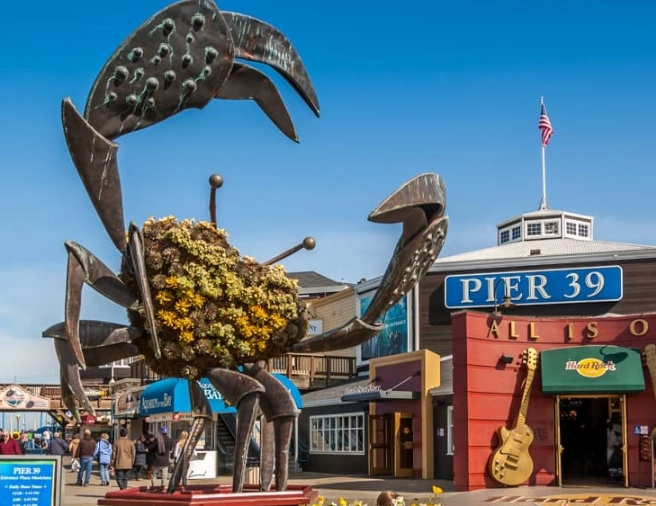
Lombard Street
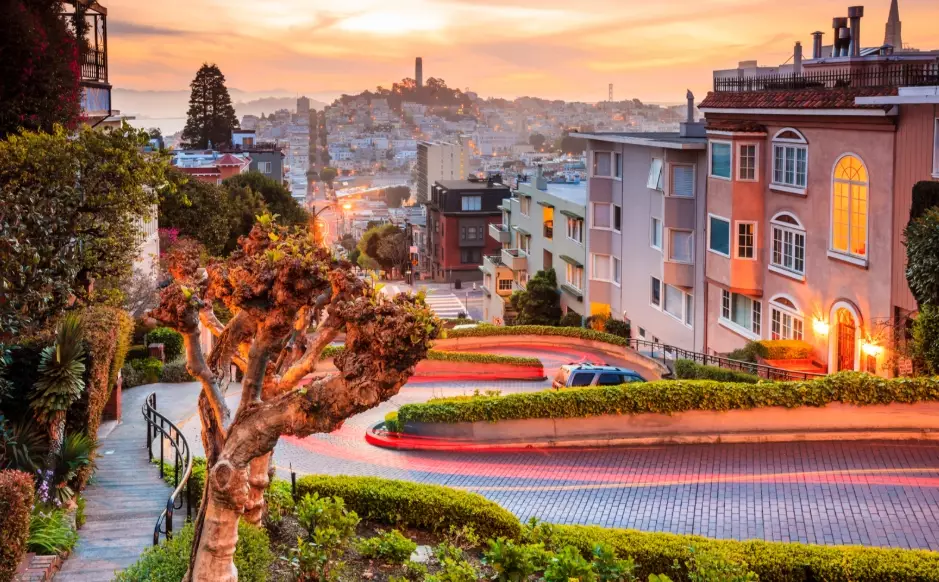
The "crookedest street." It's a quick stop. Drive down if you must (expect a long line of cars), or better yet, walk down the steps on the side. The view from the top is lovely. But it's a residential street, so be respectful.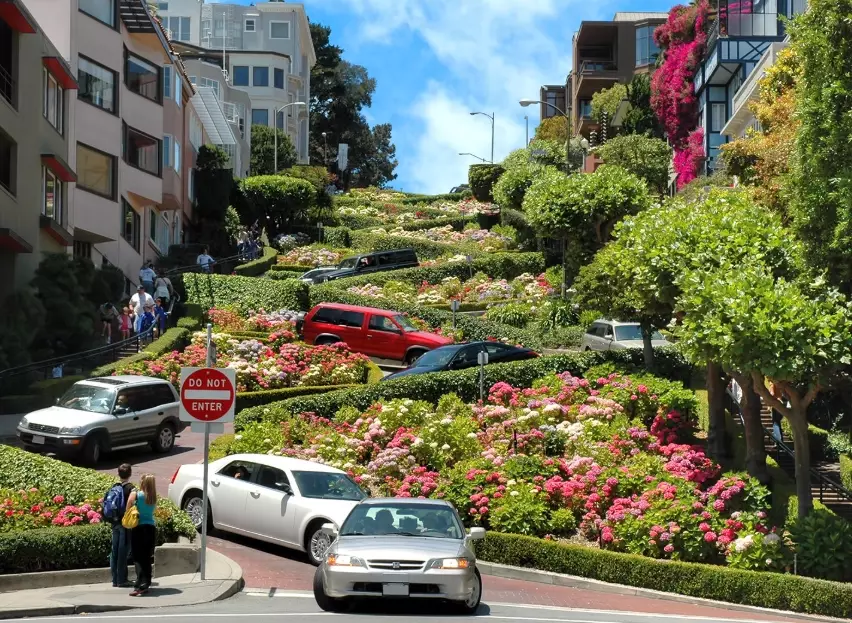
Cable Cars
They're a moving national monument. A ride is a must-do, but avoid the long lines at the turnaround at Powell & Market. Walk a few stops up the line (like on Powell or California streets) and hop on there. A single ride is expensive, but if you're using a Muni passport (more on that later), it's included. Hang off the side if you can—it's a thrill!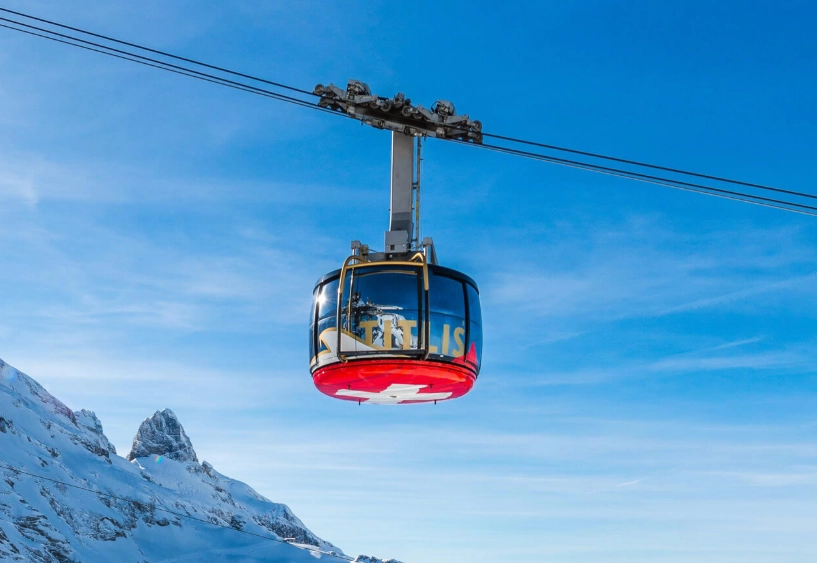
Neighborhood Deep Dive: Finding Your Vibe
This is where your San Francisco tourism experience gets personal. Picking where to stay and wander makes all the difference.
- The Mission: My personal favorite for vibrancy. It's the heart of Latino culture, with incredible murals (check out Balmy Alley and Clarion Alley), fantastic taquerias (La Taqueria is legendary), and a cool, indie vibe. Dolores Park on a sunny weekend is a scene unto itself—people picnic, play music, slackline. It's lively, sometimes gritty, and full of character.
- North Beach: San Francisco's Little Italy. Feels like a European village. Coffee shops, old-school restaurants, and bookstores (like City Lights, a Beat poetry landmark). Great for a leisurely afternoon stroll and a late-night espresso.
- Haight-Ashbury: The epicenter of the 60s counterculture. Today, it's a mix of vintage clothing stores, record shops, and hippie nostalgia. Can feel a bit like a theme park sometimes, but the architecture is beautiful and it's fun for people-watching.
- Pacific Heights & Marina: Affluent, beautiful, and postcard-perfect. Stroll along the Palace of Fine Arts, walk the waterfront at Crissy Field, and ogle the stunning Victorian and Edwardian mansions. The Marina Green has killer views of the Golden Gate.
- Chinatown: The oldest and one of the largest in North America. Enter through the Dragon's Gate on Grant Avenue. It's bustling, sensory overload in the best way. Go for dim sum, explore the side alleys, and visit a traditional herbalist.
- SoMa (South of Market): This is where you'll find many newer hotels, the Moscone Convention Center, and museums like the SFMOMA (a world-class modern art museum) and the Contemporary Jewish Museum. It's more modern and business-like, but has great pockets of nightlife and food.
Where should you stay?
For first-timers who want to be central to classic tourist sites, Union Square or near Fisherman's Wharf is convenient. But you'll be in a bubble. For a more local feel with great food and transit links, I'd recommend the Mission, Castro, or lower Haight. Just research the specific block—vibes can change quickly.
Building Your San Francisco Itinerary
You can't see it all in one trip. Don't try. It's a small city geographically, but the hills and transit times add up. Here are two sample frameworks.
The 3-Day "Highlights" Itinerary
Day 1: Crissy Field & Golden Gate Bridge (morning). Explore Fisherman's Wharf & Pier 39 (afternoon). Take a bay cruise or visit Alcatraz (booked in advance). Dinner in North Beach.
Day 2: Cable car to Lombard Street. Explore Chinatown. Walk to Union Square. Afternoon at SFMOMA or a wander through the Ferry Building Marketplace. Evening in the Mission for dinner and murals.
Day 3: Golden Gate Park (de Young Museum, Japanese Tea Garden, Conservatory of Flowers). End your day watching the sunset at Ocean Beach or in the Haight.
The 5-Day "Deeper Dive" Itinerary
Follow the first two days above.
Day 3: Dedicate a full day to Golden Gate Park. Rent a bike to cover more ground. Include the California Academy of Sciences.
Day 4: Mission District day. Murals, Dolores Park, Mission Dolores, and a food crawl (burrito, ice cream from Bi-Rite, coffee).
Day 5: Take the ferry to Sausalito or Tiburon (charming bayside towns with amazing views back to the city). Or, explore the Presidio and Land's End trail for stunning coastal hikes.
Hidden Gems & Local Favorites
To move beyond standard San Francisco tourism, seek out these spots.
- Land's End Trail: A breathtaking coastal hike with ruins of the Sutro Baths and epic views of the Golden Gate Bridge. Less crowded than the bridge itself.
- The Ferry Building: Not exactly hidden, but often underrated by tourists rushing to the Wharf. It's a food lover's paradise with local artisan vendors (like Acme Bread, Cowgirl Creamery). Go on a Saturday for the fantastic farmer's market.
- Wave Organ: A strange and beautiful acoustic sculpture near the Marina. Listen to the sounds of the bay amplified through pipes.
- Tunnel Tops Park: A brand new park built on top of highway tunnels in the Presidio. Amazing, accessible views of the bridge and great for kids.
- City Lights Booksellers: An independent bookstore that's a landmark of literary history. Get lost in the poetry room.
The Practical Stuff: Getting Around, Staying, & Saving Money
This is the boring but essential part of planning your San Francisco travel.
Transportation: Ditch the Rental Car
Seriously. Parking is a nightmare and expensive ($50+ per night at hotels). The city is very walkable in districts, and public transit is decent. Use the following:
- Muni: This includes buses, streetcars, historic streetcars (F-line along the Embarcadero is a fun ride), and the above-ground light rail. The MuniMobile app is essential for buying tickets.
- BART: Best for getting from the airport (SFO or OAK) into the city and for trips to the East Bay (Berkeley, Oakland).
- Cable Cars: Part of Muni, but a separate, more expensive single-ride fare unless you have a pass.
The best value for tourists is a Muni Passport (1, 3, or 7 days). It gives you unlimited rides on all Muni vehicles, including cable cars. Calculate if it's worth it based on your plans. For a single cable car ride and a few bus trips in a day, it usually pays off.
Budgeting for Your Trip
Let's not sugarcoat it: San Francisco is one of the most expensive cities in the US. Here’s a rough breakdown for a mid-range traveler per day:
- Accommodation: $200 - $350+ for a decent hotel room. Consider boutique hotels or well-reviewed inns in neighborhoods.
- Food: $60 - $100 per person. You can save by doing a big lunch and a lighter dinner, grabbing food from markets (Ferry Building, delis), and avoiding tourist-trap restaurants.
- Activities/Attractions: $30 - $70. Alcatraz is ~$45. Museums are $15-$25. Many parks and hikes are free. Prioritize.
- Transportation: $12 per day for a Muni passport, or ~$5-10 for pay-as-you-go rides.
Look for the San Francisco Travel Association's official website for seasonal deals and discount passes on attractions.
Safety & Street Smarts
Use common sense. Don't leave anything in your car, not even for a minute. This is the #1 rule. Car break-ins are rampant in tourist areas. Keep your phone and wallet secure in crowded places like Powell Street or on packed buses. Be aware of your surroundings, especially at night in less-busy areas. The Tenderloin neighborhood, in particular, has severe issues with drugs and homelessness; it's best to avoid it, especially after dark, unless you know exactly where you're going.
Your San Francisco Tourism Questions, Answered
Final Thoughts: Embracing the Real San Francisco
The heart of San Francisco tourism isn't about checking boxes. It's about the feeling you get walking across the Golden Gate as the fog burns off. It's the taste of an impossibly good burrito after exploring vibrant murals. It's the clang of the cable car bell, the smell of salt and sourdough, and the surprise of finding a hidden garden or a stunning view around a steep corner.
Come for the icons, but stay for the neighborhoods. Embrace the layers—the grit and the grandeur, the history and the hyper-modern. Pack for all seasons, wear good shoes, and bring an appetite for adventure (and food). Do your research, book the big tickets early, but also leave room to get delightfully lost.
San Francisco is a city that challenges and rewards the curious traveler. It's not always easy or comfortable, but it's never, ever boring. That's the promise of a true San Francisco adventure.
Now, go start planning. And maybe pack an extra sweater.




Comments
Leave a Comment