Ask someone to name traditional American food, and you'll likely get a short list: hamburger, hot dog, apple pie. It's not wrong, but it's like describing Italian cuisine as just pizza and pasta. The reality is far richer, more regional, and deeply tied to local history and ingredients. Forget the generic diner menu. To truly understand American food, you need to travel its regions, from the clam shacks of New England to the smokehouses of Texas.
This isn't just a list of dishes. It's a roadmap to experiencing them. I've spent years eating my way across the country, from celebrated institutions to roadside stands nobody's heard of. I'll tell you where the hype is real, where it's not, and how to navigate menus like someone who's been there before.
What's Inside
What Actually Makes a Food "Traditional American"?
This is where most articles get it wrong. They list dishes without context. A traditional American food typically has three ingredients: history, adaptation, and locality.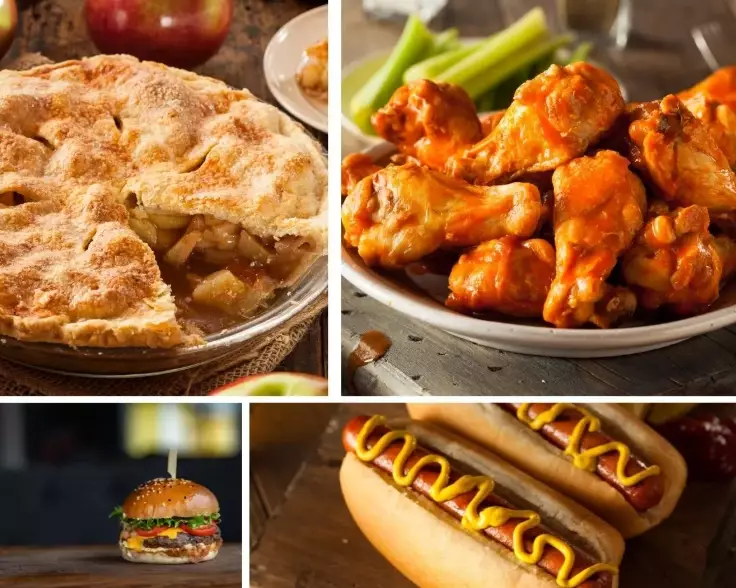
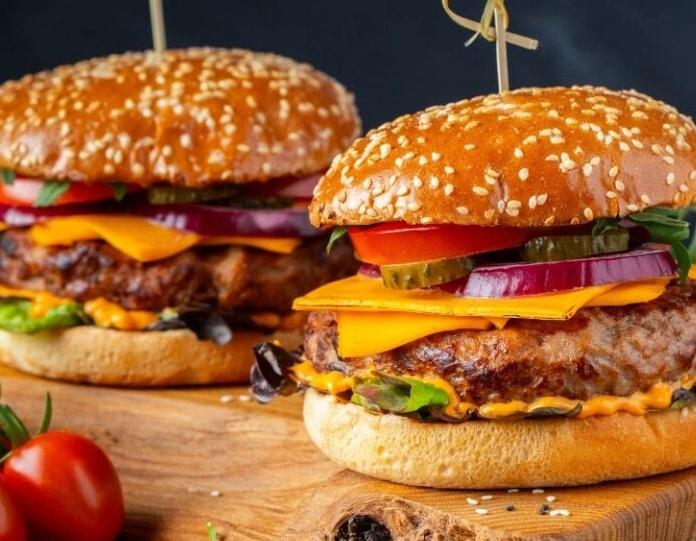
First, history. Many classics are stories of immigration and making do. The hamburger evolved from German immigrants' patties. Pizza came through New York's Italian communities and became its own, distinct, foldable thing. These dishes were transformed by the American context.
Second, adaptation. America took Old World techniques and applied them to New World ingredients. That's why barbecue, a method with global roots, became uniquely American through the use of specific woods (hickory, mesquite), cuts of meat (brisket, pork shoulder), and regional sauces.
Finally, locality. Before national chains, food was hyper-local. What grew there, what was farmed there, what was caught there defined the cuisine. Oysters in the Chesapeake, corn in the Midwest, peaches in Georgia. True traditional food still carries that stamp.
It's not about being fancy. It's about being foundational.
A Regional Breakdown of American Classics
Let's move beyond the map and into the kitchen. Here’s what you're actually looking for in different parts of the country.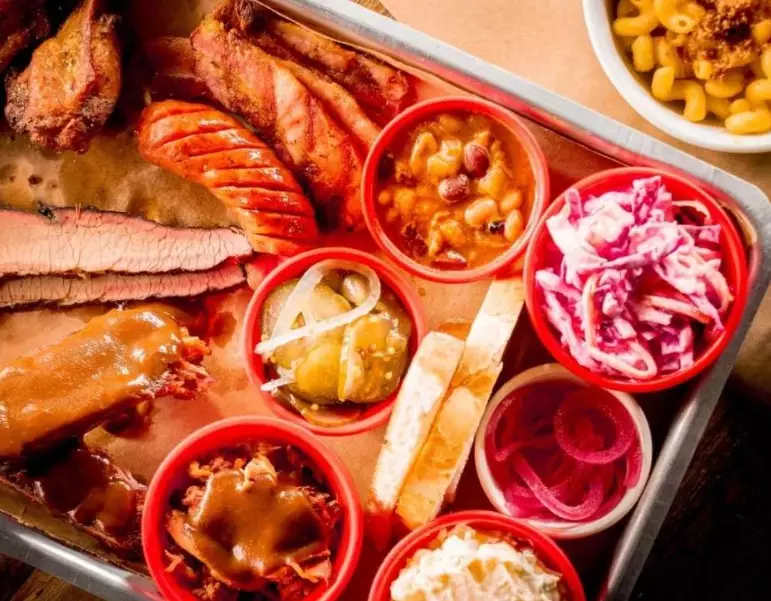
The Northeast: Seafood, Delis, and Italian-American Legacy
Think chowder, but know the difference. New England Clam Chowder is creamy, white, and simple. Manhattan Chowder is tomato-based, clearer, and has a different vibe entirely. Don't order one expecting the other.
The Reuben sandwich, piled high with corned beef, Swiss cheese, sauerkraut, and Russian dressing on rye, is a New York deli institution. A common mistake? Eating it with dry, thinly sliced meat. The best versions use hand-cut, thick, juicy slices that steam when you bite in.
Then there's the Buffalo wing. Born in Buffalo, New York, it's not just any spicy chicken wing. The sauce is a specific blend of cayenne-based hot sauce and butter, served with celery sticks and blue cheese dressing. Ranch dressing is a travesty here, a sure sign you're not in a serious wing joint.
The South: Smoke, Fry, and Simmer
Southern food is America's soul food, but it's not monolithic.
Barbecue is a religion with different denominations. North Carolina focuses on whole-hog, with a vinegar-based sauce. South Carolina adds a mustard-based sauce. Memphis is about dry-rubbed ribs. Texas is beef, specifically brisket, smoked for hours over post oak. Kansas City is the king of sweet, thick, tomato-based sauce. Arguing about which is best is a national pastime.
Fried chicken is another pillar. The magic isn't just in the crispiness, but in the brine (often buttermilk) and the seasoning in the flour. It should be juicy to the bone.
And you can't forget gumbo and jambalaya from Louisiana, or shrimp and grits from the Lowcountry. These are one-pot wonders where flavor builds layer by layer.
The Midwest: Heartland Comfort
This is casserole country, potluck territory. Dishes are hearty, often creamy, and designed to feed a family. Think Tater Tot hotdish, a Minnesota staple of ground beef, mixed veggies, and cream of mushroom soup topped with Tater Tots.
The Chicago-style hot dog is a work of art with rules: all-beef dog, poppy seed bun, yellow mustard, neon green relish, chopped onions, tomato slices, a pickle spear, sport peppers, and a dash of celery salt. Never ketchup. Just don't.
Deep-dish pizza from Chicago is its own category—more of a pie filled with cheese, toppings, and chunky tomato sauce on top.
The Southwest & West: Frontier Flavors
Here, Native American and Mexican influences blend with cowboy cuisine. Chili con carne, originally a simple stew of meat and chilies, is a classic. Tex-Mex dishes like fajitas (sizzling grilled meat strips) and nachos were born here.
In California, the focus shifts to freshness and fusion. The Cobb salad and the French Dip sandwich are both LA originals. San Francisco gave us sourdough bread and cioppino, a fish stew reflecting its Italian fishing community.
Where to Eat: Specific Spots for Authentic Flavors
Names and addresses matter. Here are specific places, not just cities, where you can taste the real deal. I'm including a mix of famous spots and personal favorites that deliver.
For Legendary Texas BBQ: Franklin Barbecue (Austin, TX)
My take: Yes, the hype is justified. The brisket is impossibly tender with a perfect smoke ring and bark. Is the 4-hour wait worth it? Once, absolutely. Go with friends, bring chairs, and make it an event. Pro-tip: You can pre-order larger amounts online to skip the line, but you need to plan months ahead.
For a Classic New England Lobster Roll: The Clam Shack (Kennebunkport, ME)
My take: This is the lobster roll that ruined all others for me. The meat is fresh, sweet, and generously packed into a perfectly grilled, buttered split-top bun. It's simple, expensive, and unforgettable. The fried clams are also top-tier.
For Authentic Chicago Deep-Dish: Lou Malnati's (Multiple locations, Chicago, IL)
My take: The deep-dish debate is fierce (Giordano's, Gino's East). Lou's wins for me because of the crust—flaky, buttery, and substantial enough to hold the massive filling without getting soggy. Order it well-done for extra crispness. Be prepared to wait 45 minutes for it to bake.
How to Experience Traditional American Food Like a Pro
You've got the where. Now, the how. This is where most tourists fumble.
Ordering Strategy: In a BBQ joint, don't just get a sandwich. Get a "combo plate" or "by the pound" to sample multiple meats. In a seafood shack, ask what's local and fresh that day, not just what's on the menu. At a diner for breakfast, skip the fancy omelet—get the pancakes or biscuits and gravy. That's where the skill is.
Budgeting: Traditional food isn't always cheap, especially seafood and prime BBQ. A lobster roll or a plate of good brisket can cost $30+. Plan for it. Conversely, you can eat incredibly well for less at a classic diner or a slice joint.
The Unspoken Rules: At a good BBQ place, the sides (coleslaw, beans, potato salad) are important, but they're supporting actors. Don't fill up on them. At a steakhouse, medium-rare is the default for a reason—it showcases quality. Ordering well-done for a premium cut is a waste. For fried chicken, eat it with your hands. It's part of the experience.
One personal rule: I avoid any "traditional" restaurant in a major tourist trap (like Times Square or the Vegas Strip) that has giant, neon-lit menus with photos of every dish. The food is almost always a sad, overpriced imitation.
Your Questions, Answered (No Fluff)
The journey into traditional American food is a journey into the country's history, its people, and its land. It's not a monolith but a vibrant, sometimes contradictory, patchwork. Start with a great burger, sure, but then seek out the gumbo, the smoked brisket, the fresh clam chowder. Find the places that have been doing one thing right for generations. That's where you'll taste the real America.



Comments
Leave a Comment