Let's talk about traditional American food. Forget the fancy fusion trends for a second. I'm talking about the dishes that built this country's culinary identity—the ones you crave on a Sunday, the ones that define a backyard gathering, the ones with stories baked right into them. It's not just a burger. It's a perfectly charred, juice-dripping-down-your-arm experience. It's not just fried chicken; it's a crispy, seasoned crust giving way to impossibly tender meat. This guide isn't a dry list of ingredients. We're going to explore what makes these classics tick, where to taste the absolute best versions, and how you can avoid the common pitfalls when making them at home. I've burned enough pies and dried out enough briskets to learn these lessons the hard way, so you don't have to.
What's Inside This Guide
What Actually Makes a Dish "Traditional American Food"?
This is where most articles get it wrong. They list a bunch of dishes without context. Traditional American food isn't defined by a single ingredient or technique. It's a product of adaptation and necessity. It's immigrant traditions colliding with local ingredients. German sausages became hot dogs. Italian tomatoes met Southern wheat for pizza. West African frying techniques met Scottish poultry for fried chicken.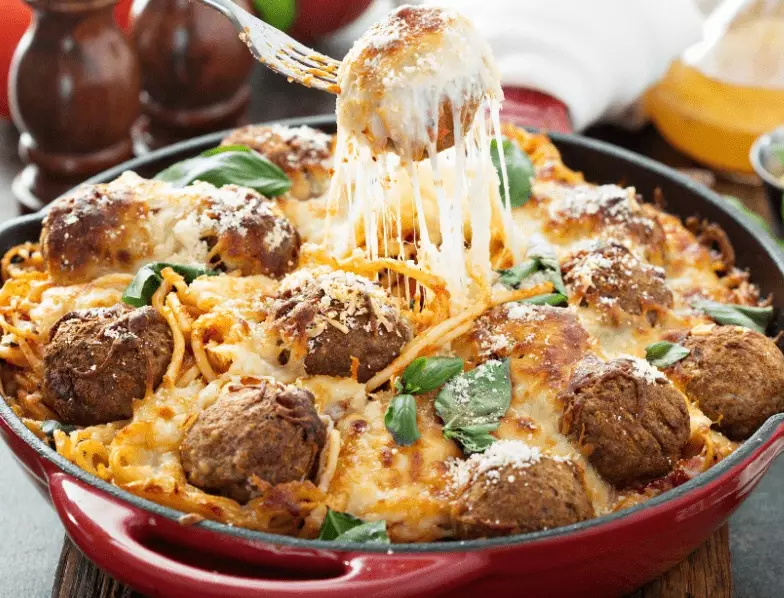
The heart of it is comfort and abundance. These are dishes designed to feed families, celebrate harvests, and use every part of the animal. They're often hearty, savory, and deeply satisfying. Think slow-cooked meats, rich gravies, flaky pastries, and vegetables cooked until they're meltingly soft (a habit that drives some modern chefs crazy, but there's history there—it made tougher produce edible).
Iconic Dishes Deconstructed: More Than Just a Recipe
Let's look under the hood of three pillars. Knowing why a recipe works is the first step to mastering it.
1. The All-American Hamburger
Everyone thinks they can make a burger. Most mess it up. The goal isn't just a cooked patty; it's a juicy, flavorful, textural experience. The biggest mistake? Using lean meat. You need fat—80/20 ground chuck (80% meat, 20% fat) is the unofficial standard for a reason. That fat renders during cooking, basting the meat from the inside, creating flavor and preventing dryness.
Here's a non-consensus tip from years of grill mishaps: Handle the meat as little as possible. Gently form it into a loose ball, then press it into a patty that's slightly wider than your bun (it shrinks). Make a deep thumbprint in the center of each patty. This prevents it from puffing up into a meatball shape during cooking, ensuring even thickness. Season aggressively with salt and pepper right before it hits the heat. Salt too early, and it draws out moisture, making the meat steam instead of sear.
2. Southern Buttermilk Fried Chicken
The secret isn't just in the spice blend; it's in the timeline. True, restaurant-quality fried chicken is a two-day process. Day one is for the brine or buttermilk soak. This isn't just for flavor; the acidity and salt tenderize the meat deeply, leading to that signature juiciness even in the breast meat. A quick one-hour soak? You're only getting surface-level flavor.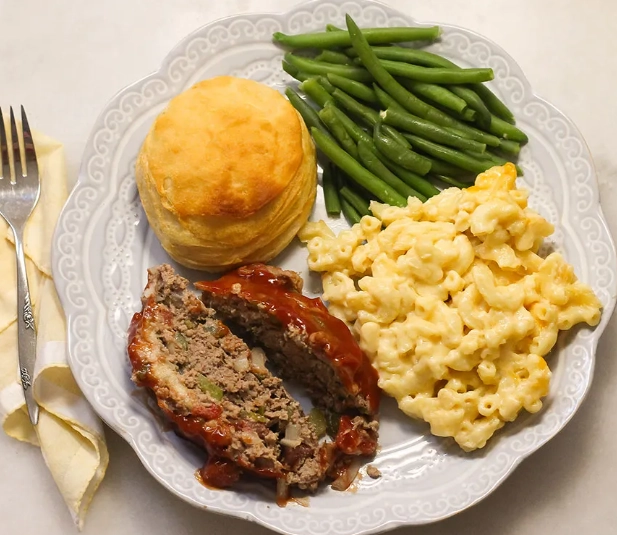
The second critical point is the double-dredge. Flour, egg wash, flour again. Let it rest on a rack for 10-15 minutes before frying. This lets the coating hydrate and set, which prevents it from sloughing off in the oil and creates an extra-craggy, crunchy crust. Fry at a steady 325°F (163°C). Too hot, and the outside burns before the inside cooks; too cool, and the chicken absorbs oil and becomes greasy.
3. Low & Slow American Barbecue (Texas-Style Brisket)
BBQ is a religion in parts of America, and brisket is its most challenging sacrament. The cut itself is tough, full of connective tissue. The magic happens between 160°F and 205°F (71°C and 96°C), where that collagen slowly melts into gelatin, transforming toughness into sublime tenderness.
The pitmaster's secret they don't always say out loud? It's about the stall, not just the smoke. Around 150-170°F, the brisket's internal temperature will plateau for hours as moisture evaporates, cooling the meat. Rushing it by cranking the heat is the number one cause of dry, tough brisket. You have to wait it out. Then, the final step is the rest—wrapping it in butcher paper and letting it sit in a warm cooler for 2-4 hours. This allows the juices to redistribute evenly throughout the meat. Slicing it right off the smoker is a guaranteed way to watch all those precious juices run straight onto the cutting board.
Where to Eat Authentic Traditional American Food (A Shortlist)
To understand the goal, sometimes you need to taste the benchmark. Here are a few institutions that have been doing it right for decades. This isn't about trendy spots; it's about places that are part of the food's history.
| Restaurant & Location | Signature Dish to Order | Why It's Iconic & Practical Info |
|---|---|---|
| Peter Luger Steak House 178 Broadway, Brooklyn, NY |
Porterhouse Steak for Two (or more) | Operating since 1887, it's the gold standard for the classic American steakhouse experience. The steak is dry-aged on-site, broiled, and served sizzling with their famous steak sauce. Cash only (mostly). Expect a wait and make reservations far in advance. It's not cheap, but it's a lesson in simplicity and quality. |
| Franklin Barbecue 900 E 11th St, Austin, TX |
Beef Brisket (by the pound) | This is the modern Mecca for Texas BBQ. Aaron Franklin turned obsessive attention to detail (wood type, fire management, resting time) into legendary brisket. The catch? Lines start before 8 AM, and they sell out daily. Go on a weekday, bring a chair, and make friends in line—it's part of the ritual. Check their website for hours, as they vary. |
| Joe's Stone Crab 11 Washington Ave, Miami Beach, FL |
Stone Crabs (with Mustard Sauce) | Open since 1913, Joe's perfected the Florida tradition of stone crabs. The crabs are sustainable—only one claw is harvested, and the crab is returned to the water to regenerate. The creamy, tangy mustard sauce is a classic. No reservations for dinner, so prepare for a wait. Open seasonally (mid-Oct to mid-May). |
| Katz's Delicatessen 205 E Houston St, New York, NY |
Pastrami on Rye | An 1888 landmark. This is where you experience the New York Jewish deli, an essential American food tradition. The pastrami is cured, smoked, and steamed for days, resulting in incredibly tender, spiced meat. It's a noisy, chaotic, delicious experience. Pay attention to the ticket system when you walk in. |
Visiting these places gives you a sensory benchmark—the texture of perfect brisket, the crust on a historic steak, the atmosphere of a true deli. It's research you can taste.
Cooking Traditional American Recipes Like a Pro: The Unwritten Rules
Armed with the theory and the inspiration, here's how to translate it to your kitchen. These are the mindset shifts that matter.
Embrace Fat and Salt: Traditional cooking wasn't designed for calorie counts. Fat carries flavor and creates texture. Salt enhances and balances. Don't skimp if you want authentic results.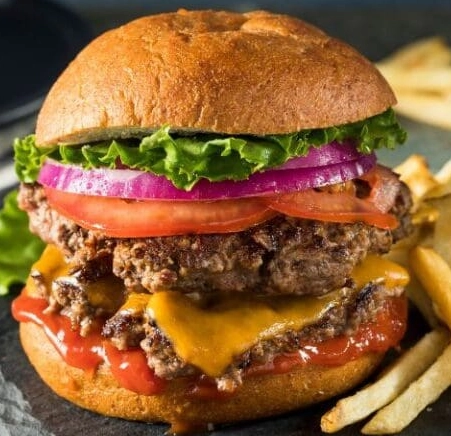
Low and Slow is a Philosophy: Whether it's BBQ, a pot roast, or a long-simmered chili, many classics rely on gentle, prolonged heat to break down tough fibers and develop deep, complex flavors. Your Instant Pot can't replicate hours of slow simmering.
The Side Dish is Co-Star, Not Backup: Mac and cheese isn't just pasta; it's a creamy, cheese-laden dish in its own right. Collard greens are slow-cooked with smoked meat. Baked beans are sweet, savory, and smoky. Give your sides the same attention as your main.
Source Matters (Sometimes): For a true New England clam chowder, use quahog clams. For authentic Southern cornbread, use stone-ground white cornmeal and no sugar (a contentious point between North and South!). For the best apple pie, use a mix of tart (Granny Smith) and sweet (Honeycrisp) apples for balance.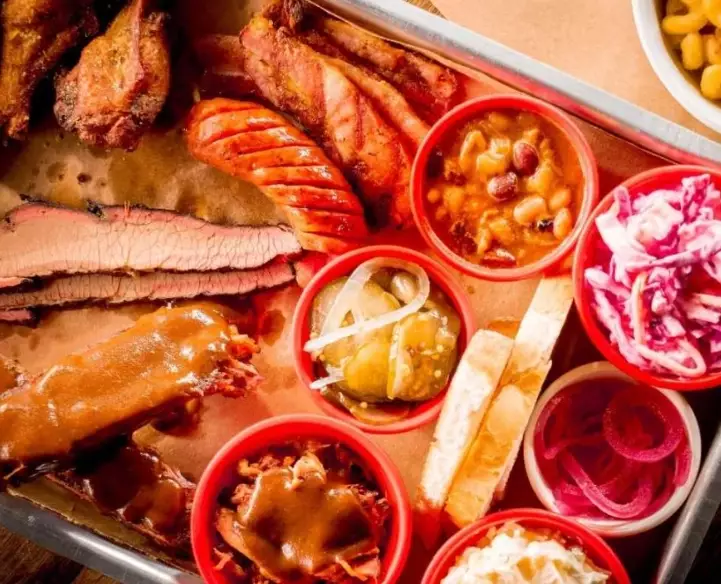
My personal fail? The first time I made a classic apple pie, I didn't freeze the butter for the crust long enough. The dough warmed up as I handled it, the butter melted prematurely in the oven, and I ended up with a tough, greasy bottom crust instead of flaky layers. Now, I freeze everything—the butter, the flour, even the bowl. It makes a world of difference.





Comments
Leave a Comment