In This Guide
- So, What Exactly Is This Place?
- When Should You Actually Go? Breaking Down the Seasons
- Getting There and Getting Around
- The Main Attraction: Playing on the Dunes
- Beyond the Dunes: Other Hikes and Sights
- The Non-Negotiable Packing List
- Answers to the Questions You're Actually Asking
- Making the Most of Your Trip: Final Thoughts
Let's be honest, when you think of Colorado, you picture mountains, right? Snow-capped peaks, evergreen forests, maybe a ski resort. You probably don't picture a massive pile of sand that looks like it was dropped in from the Sahara. That's the first thing that hits you about Great Sand Dunes National Park. It's just so... unexpected. I remember rounding a bend on the road and seeing them for the first time. It felt surreal, like a glitch in the matrix. Mountains in the back, flat valley in front, and then these enormous, graceful dunes rising up out of nowhere.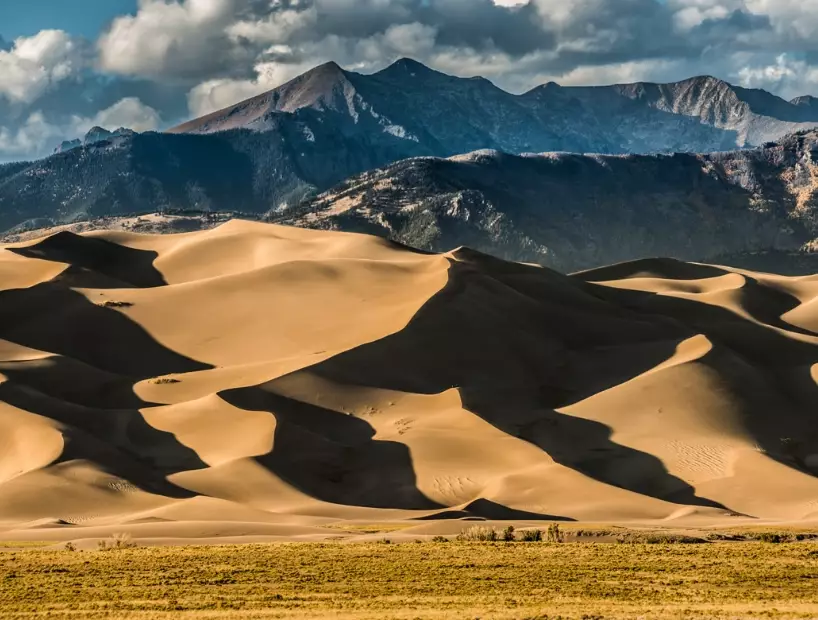
This place isn't just a photo op. It's a full-body experience. You'll feel the sand between your toes (and eventually in every piece of clothing), hear the weird silence of the dune field, and if you're lucky, feel the cool rush of Medano Creek at your feet. But a trip here requires a bit more thought than your average park. You can't just show up and wing it. The weather is extreme, the sand gets hot, and the altitude will knock the wind out of you if you're not ready.
This guide is everything I wish I'd known before my first visit, mixed with the stuff I learned the hard way on subsequent trips. We're going to ditch the generic brochure talk and get into the real, practical, gritty details of visiting Great Sand Dunes National Park.
So, What Exactly Is This Place?
Great Sand Dunes National Park and Preserve protects the tallest sand dunes in North America, with the star dune rising about 750 feet from the base. But calling it just a "sandbox" is a massive undersell. The park is an ecosystem collage. You've got the dunefield, sure. But behind it are the rugged Sangre de Cristo Mountains. In front, there are wetlands, grasslands, and forests of cottonwood and pine. The park's official National Park Service page does a great job explaining the science, but the short story is wind and water from the San Juan Mountains deposited sand here over millennia, and the opposing winds from the Sangre de Cristos pile it up. It's a dynamic, living landscape. The dunes move and change shape from season to season.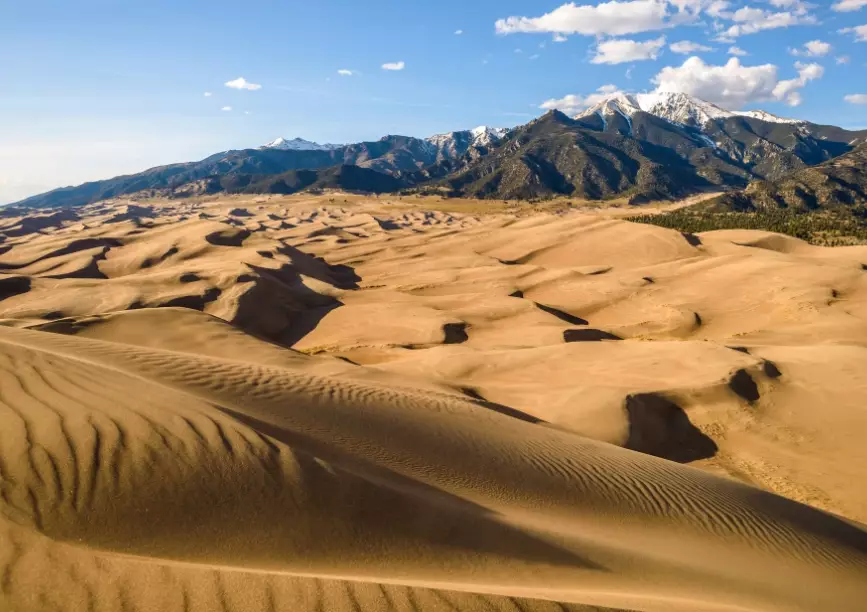
Quick Geography Lesson: The park is located in south-central Colorado, pretty much in the middle of nowhere. The nearest town of any real size is Alamosa, about 35 miles away. This isolation is part of its charm—the night skies are unbelievably dark—but it means you need to plan for gas, food, and lodging well in advance.
When Should You Actually Go? Breaking Down the Seasons
Timing is everything here. Your experience at Great Sand Dunes National Park will be completely different in July versus February. I made the mistake of visiting once in late June without checking the forecast. The sand surface temperature was well over 140°F by noon. We lasted about 20 minutes. Lesson learned.
Here’s the real seasonal breakdown, not just the sunny version.
| Season | What to Expect | The Good Stuff | The Challenges | Best For... |
|---|---|---|---|---|
| Spring (Late April - June) | Medano Creek starts flowing! Dunes are cool. Wildflowers in the foothills. | Perfect hiking temps (50s-70s°F). Creek play. Fewer bugs. | Unpredictable weather. High winds are common. Creek may be icy or not flowing yet in early spring. | Hikers, families with kids who want to splash, photographers. |
| Summer (July - August) | Peak creek flow (usually). Hot days, cool nights. Afternoon thunderstorms. | Warm creek water. Long days. All park areas accessible. | Extreme sand heat (only hike very early/late). Crowds. Mosquitoes near the creek. | Creek lounging, stargazing, early morning adventures. |
| Fall (September - October) | Creek dries up. Crisp air. Dramatic light. Crowds thin out. | Excellent hiking weather. Stunning golden light on dunes. Fewer people. | Nights get cold. Creek is gone or minimal. Shorter days. | Serious hikers, backpackers, solitude seekers. |
| Winter (November - March) | Snow on dunes! Frigid temps, especially at night. Windy. | Unbelievably beautiful and surreal landscapes. Zero crowds. Sand is firm for hiking. | Extreme cold. Some roads/trails inaccessible. Very short days. Facilities limited. | Photographers, experienced winter campers, those seeking unique solitude. |
My personal favorite? Late May or early September. You avoid the brutal summer heat and the deep winter cold, and you still have a good chance at decent conditions. But if you want that iconic "beach in the mountains" experience with the creek, you have to target late spring or early summer. Check the park's current conditions page religiously before you go. The creek flow is dependent on snowmelt, and the USGS gauge for Medano Creek is your best friend for real-time data.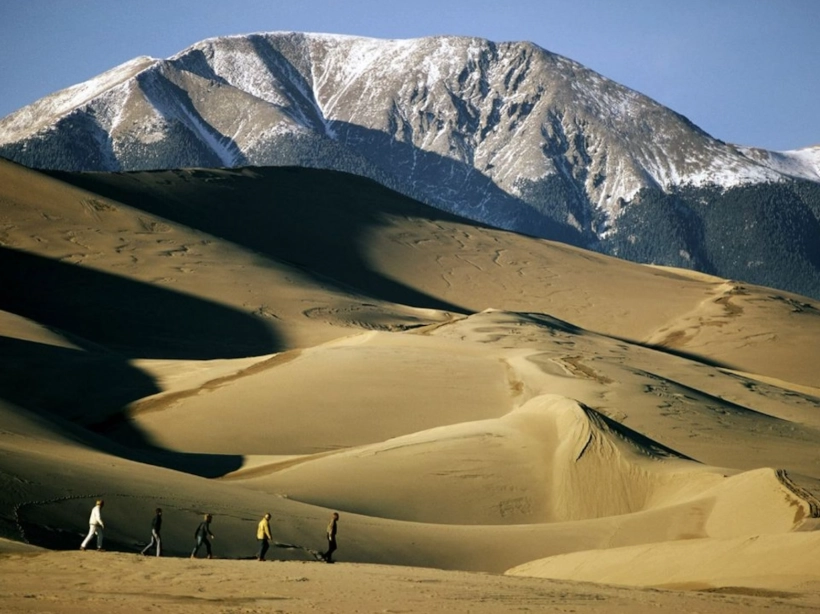
No joke about the heat: On a typical summer afternoon, the sand surface can burn bare skin in seconds. I saw a kid drop a plastic toy, and it started to warp. Always, always test the sand with your hand before letting kids or pets run ahead. If it's too hot for your hand, it's too hot for their feet.
Getting There and Getting Around
There's no shuttle service here. You need a car. The main entrance road is paved and takes you right to the Dunes Parking Lot, which is the gateway to everything. From the lot, it's a walk across the (usually dry) Medano Creek bed to reach the base of the dunes. That walk can be a quarter-mile or more, depending on the creek's width. If you have mobility issues, this is the first challenge.
The park has one main campground (Pinyon Flats) right near the dunes, and a primitive road, Medano Pass Primitive Road, that requires 4WD high-clearance vehicles. Don't even think about taking your sedan on it. I've seen people get stuck, and it's an expensive and embarrassing tow.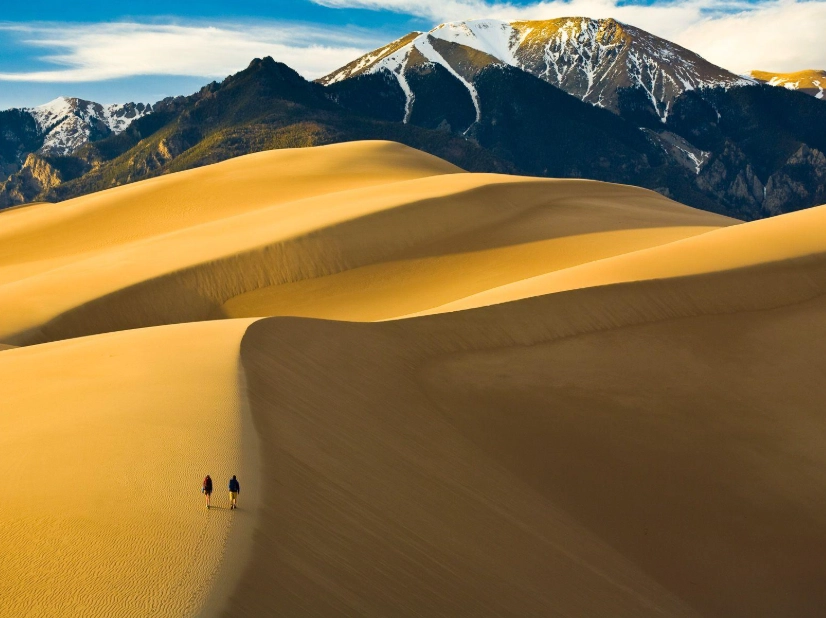
Where to Stay: Camping vs. Lodging
Inside the park, Pinyon Flats Campground is your only official option. Sites book up months in advance for summer on Recreation.gov. It's a great basecamp, but it's basic—no hookups, but there are restrooms and water. The stars here are insane.
If you can't snag a site, or you're not a camper, look to Alamosa. It has motels, a few hotels, and restaurants. It's a 45-minute drive, so you lose that immediate connection to the park, but you gain a soft bed and a hot shower. There are also some cool smaller lodges and cabins in the surrounding valleys, like near Crestone or Fort Garland.
The Main Attraction: Playing on the Dunes
This is why you come. But "walking on the dunes" is an athletic event. It's not a stroll on the beach. Sand shifts underfoot, you sink in, and every step uphill feels like two steps back. It's exhausting and utterly rewarding.
Pro Tip for First-Time Hikers: Don't aim for the top of the highest dune you see from the parking lot (that's probably High Dune). It's much farther and taller than it looks. Instead, pick a lower ridge. The view is still spectacular, and you'll actually enjoy yourself instead of suffering.
Sand Sledding and Sandboarding
Yes, it's a thing. And no, a regular snow sled or cardboard box won't work. The sand creates too much friction. You need equipment with a specially formulated base. You can rent sandboards and sand sleds from a couple of outfitters just outside the park (like Kristi Mountain Sports in Alamosa or the Oasis Store right by the entrance). It's fun, but temper your expectations. It's not like flying down a snowy hill. You need the right steep, slick slope, and you have to wax the board frequently. Kids love it, even if they just slide down a few feet.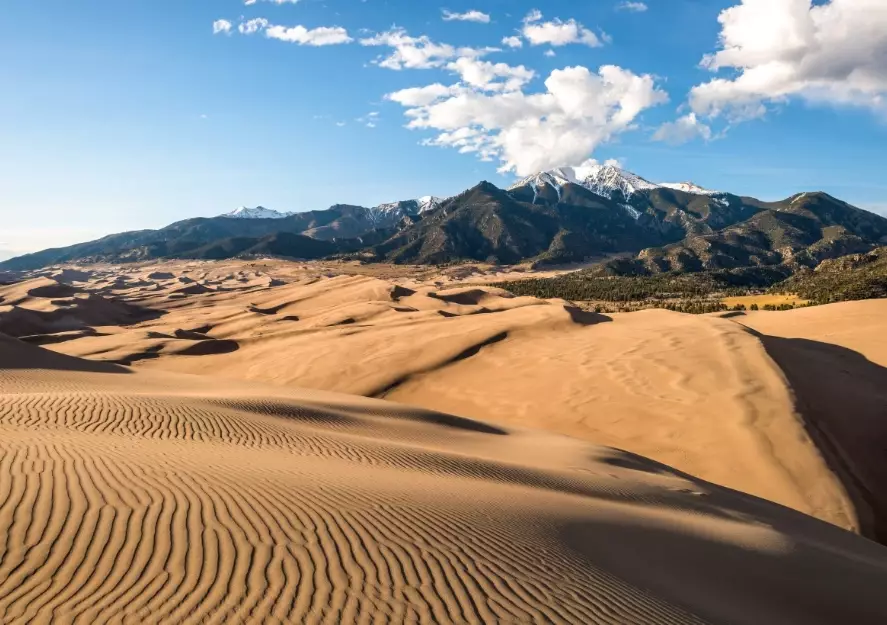
Medano Creek: The Beach in the Mountains
This is the park's magical second act. In late spring and early summer, Medano Creek flows at the base of the dunes. It's wide, shallow, and warm. Families set up chairs and umbrellas and splash around. It feels like a beach day, with 700-foot sand mountains as your backdrop. The creek has a unique phenomenon called "surge flow," where sand ridges build up and break under the water, creating small, periodic waves. It's delightful.
But you have to catch it at the right time. The flow peaks in late May or June and is usually gone by mid-to-late July. Again, check that USGS gauge link. If the flow is under 10 cubic feet per second (cfs), it's barely a trickle. Around 40-100 cfs is ideal for playing.
Beyond the Dunes: Other Hikes and Sights
Most people never leave the main dune field, which is a shame. The mountains behind the dunes offer incredible hikes that give you a whole new perspective. These trails are more traditional—dirt paths, tree cover, elevation gain.
- Mosca Pass Trail: A moderate hike that starts in the foothills and climbs into the Sangre de Cristos. You get amazing overlooks of the entire dune field. It's a great escape on a hot day.
- Montville Nature Trail: A short, easy loop perfect for families or when you're dune-hiked-out. It's shady and has interpretive signs about the area's history and ecology.
- Wellington Ditch Trail: An easy, flat walk along an old irrigation ditch. Good for birdwatching and accessing a different view of the dunes.
- Star Dune: This is the big one. The hike to the summit of Star Dune, the tallest in the park, is a serious, off-trail, all-day endeavor for fit hikers. It's about 7 miles round trip from the parking lot with no shade and relentless sand. Only attempt this in cool weather with tons of water. The view from the top, though... it feels like you're on another planet.
I tried the Mosca Pass Trail on my second visit and was blown away. Looking down on the Great Sand Dunes National Park dunefield puts its scale into a perspective you just can't get from the ground.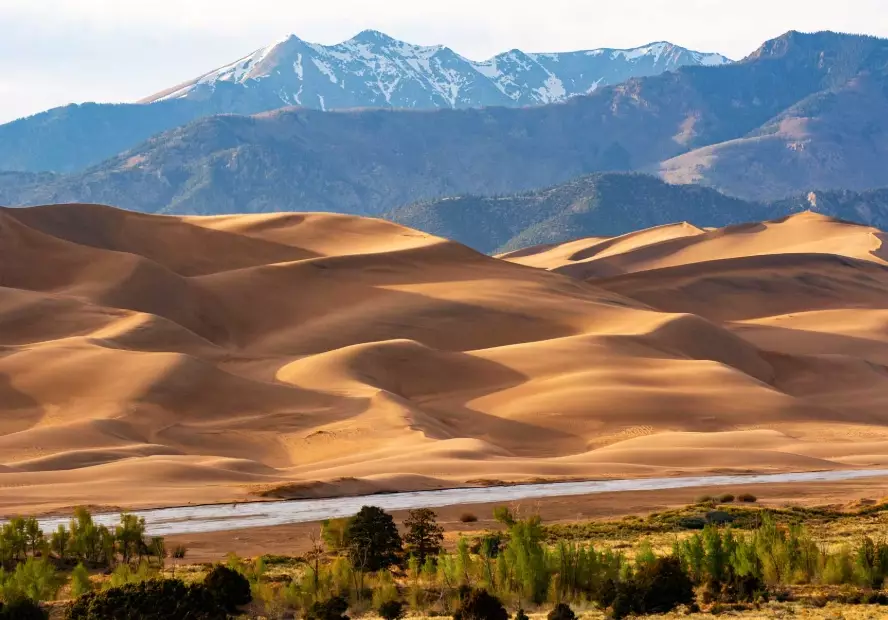
The Non-Negotiable Packing List
Forgetting something here is more than an inconvenience. It can ruin your day. This isn't a comprehensive list, but these are the absolute essentials people always seem to forget.
Great Sand Dunes National Park Survival Kit:
- Water. So Much Water. At least one gallon per person, per day. More if you're hiking. There is no water on the dunes. I carry a 3-liter hydration pack plus an extra bottle.
- Footwear: Closed-toe shoes are best for hiking. Sandals for the creek. Some people hike barefoot in cool weather, but your feet will get cut up by microscopic sand crystals. Trust me.
- Sun Protection Armory: SPF 50+ sunscreen, a wide-brimmed hat, and UV-protection sunglasses. The sand reflects UV rays intensely. I got a sunburn on the underside of my chin once. Not fun.
- Layers: The temperature swing is huge. A morning that starts at 40°F can become an 85°F afternoon. A light puffer jacket and a moisture-wicking shirt are a good combo.
- Duct Tape: Seriously. To seal the tops of your shoes or gaiters to keep sand out. Sand will get in anyway, but this helps.
- A Bandana or Buff: To wrap around your face during windy periods. A sandblasted face is not pleasant.
- Five-Gallon Bucket with Lid: This is a weird one, but veteran visitors swear by it. Fill it with toys, snacks, and supplies for the creek. The lid keeps sand out during the trek from the car. It also doubles as a seat.
What NOT to bring? Expensive cameras without protection. The sand is fine and gets into everything. A basic DSLR with a weather-sealed lens might be okay, but a phone is often safer. Also, avoid anything made of glass. It can get hot and shatter.
Answers to the Questions You're Actually Asking
Answers to the Questions You're Actually Asking
Is it worth visiting if Medano Creek is dry?
Absolutely. The dunes are the main event. The creek is a fantastic bonus, but the park's majesty isn't dependent on it. In fact, fall and winter visits, with no creek, offer a more stark, serene, and powerful experience. The hiking is often better because the sand is cooler and firmer.
How do you keep the sand out of your car?
You don't. You manage it. Bring a small battery-powered handheld vacuum for a post-trip cleanup. Use those five-gallon buckets to contain sandy toys and shoes. Most rental companies near the park are used to it, but you'll still be finding sand in your belongings weeks later. It's a souvenir.
Can you visit in one day?
You can, but it's a very long day, especially if you're driving from Denver (4+ hours each way). You'll have time to experience the dunes, maybe do a short hike, and splash in the creek if it's flowing. But you'll miss the sunset, the stars, and the peaceful morning light. An overnight stay, even just one night, transforms the experience.
Is it kid-friendly?
It's one of the best national parks for kids, if you plan around the heat. The dunes are a giant playground. The creek is a splash pad. They can roll, slide, and dig to their heart's content. Just keep them protected from the sun and heat, and have low expectations for how far you'll hike. Let them set the pace.
What about pets?
Great Sand Dunes National Park is surprisingly pet-friendly compared to other national parks. Pets are allowed in the main day-use area, on the dunes, and along the Medano Pass Road (if you're driving it). They must be leashed at all times. But remember the sand heat rule—if it's too hot for your hand, it will burn their paws. Booties are a great idea. And bring lots of water for them too.
Making the Most of Your Trip: Final Thoughts
The key to loving Great Sand Dunes is to embrace the weirdness and the challenge. It's not a curated, paved, easy-access park. It's raw and demanding. You will be dirty, tired, and probably a little sunburned. But you'll also feel a sense of accomplishment and wonder that's hard to find in more "polished" places.
My biggest piece of advice? Stay for the night sky. Whether you camp or just linger past sunset, the Milky Way over the dunes is a sight that will stick with you forever. The park is a certified International Dark Sky Park. On a moonless night, the number of stars is humbling.
So plan ahead, pack smart, respect the elements, and let yourself be amazed by this bizarre and beautiful corner of Colorado. Great Sand Dunes National Park doesn't just give you a vacation; it gives you a story.


Comments
Leave a Comment