Packing for a trip to the United States isn't just about throwing clothes in a suitcase. It's about preparing for a country of wild climate swings, diverse activities, and some quirks you might not expect. I've lost count of the trips I've taken across the States, from sweaty Florida summers to blustery Chicago winters, and I've made every packing mistake in the book. This guide is the list I wish I had years ago.
It cuts through the generic advice. We'll get into the absolute must-haves, the situational items most lists forget, and the things you should just leave at home to save space and hassle.
Your Packing Roadmap
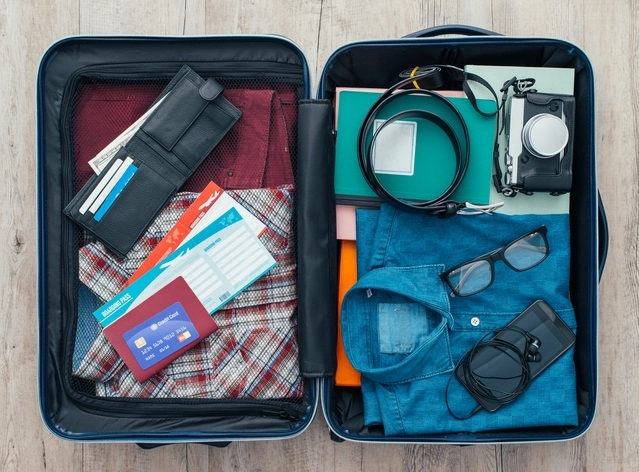
The Non-Negotiables: Documents & Money
Forget your favorite shirt, fine. Forget this stuff, and your trip might not even start.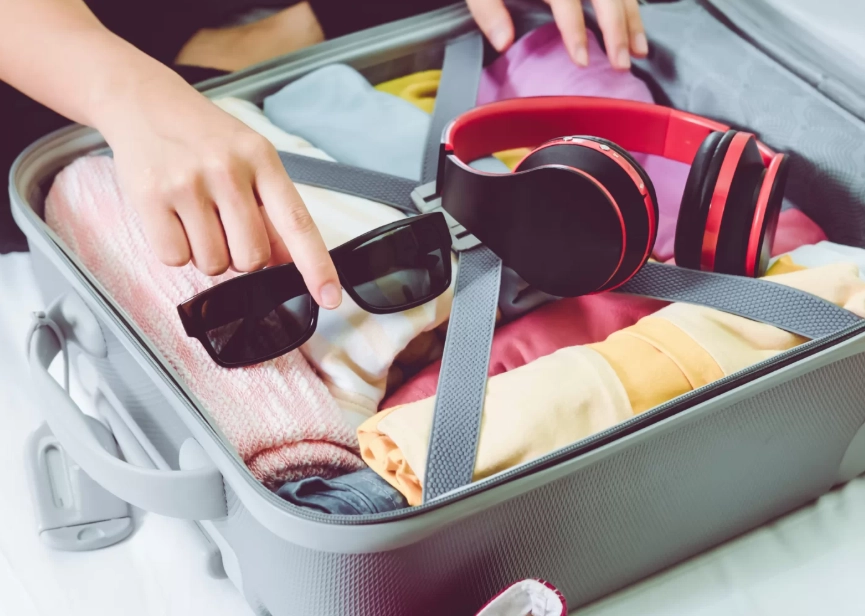
Passport & Visa/ESTA: This is obvious, but check your passport's expiry date. Some countries require it to be valid for six months beyond your planned departure from the USA. If you're from a Visa Waiver Program country, your ESTA authorization is as important as your passport. Print a copy, but also have a digital version saved on your phone and emailed to yourself.
Driver's License & IDP: Planning to rent a car? Your home country's driver's license is usually valid for short-term visits, but an International Driving Permit (IDP) is a cheap, universally recognized translation that can save you headaches with police or rental agencies, especially in more rural areas. Get it from your local automobile association before you leave.
Payment Methods: Do not rely solely on one card or cash. A mix is key.
- Credit Cards (Visa/Mastercard): Widely accepted. Inform your bank of travel plans. A card with no foreign transaction fees is ideal.
- Debit Card: For ATM withdrawals. Again, check fees.
- Cash: Still king for small purchases, tips, farmers' markets, and some older taxis. Get a mix of denominations. You don't need $500 in cash, but $100-$200 is prudent.
Electronics & The Great Adapter Debate
This is where most first-timers get tripped up. The USA uses 120-volt electricity and Type A or B outlets (the ones with two flat pins, sometimes with a round grounding pin).
Here’s the nuanced truth most packing lists gloss over: You probably don't need a heavy voltage converter, just the right adapter.
Check your device's power brick or label. If it says something like "INPUT: 100-240V, 50/60Hz," it's dual-voltage. Your laptop, phone charger, and camera battery charger likely are. For these, a simple, cheap plug adapter is all you need.
The trouble comes with high-power items: hair dryers, hair straighteners, curling irons, and electric kettles from Europe/Asia. These are often single-voltage (220-240V). Plugging them into 120V with just an adapter will give you a weak hair dryer that takes forever, or a straightener that never heats up properly. My first trip, I melted an adapter trying to use my UK hair dryer on low heat. Not a great start.
Your best bet? A quality universal travel adapter with USB ports. It handles the plug shape and often has built-in surge protection. For high-wattage appliances, either buy a dual-voltage travel version in the US (they're cheap at stores like Target or Walmart) or, if you must bring yours, invest in a heavy-duty step-down voltage converter. They're bulky, so I rarely recommend it.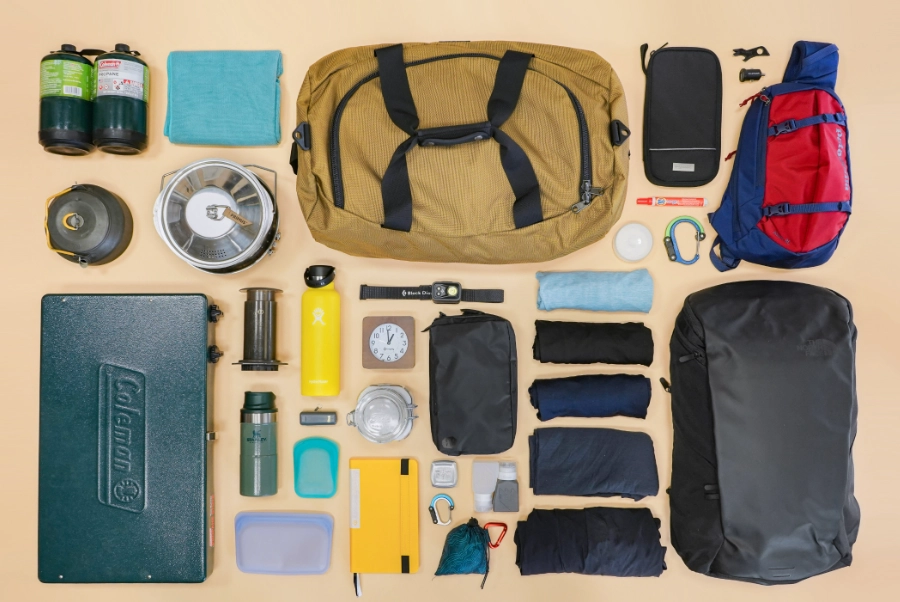
Other Tech Essentials
- Portable Power Bank: Days are long, Google Maps drains batteries. A 10,000mAh+ bank is a lifesaver.
- Earbuds/Headphones: For flights, buses, and tuning out.
- Kindle/Tablet: Lighter than books.
- SD Cards & Charging Cables: Bring more than you think. They're more expensive here.
Clothing Strategy: Layer Like a Pro
The US has almost every climate imaginable. San Francisco can be 15°C and foggy while Phoenix is 40°C. The key is layering, not packing a separate outfit for every possible scenario.
The Core Wardrobe: Build around versatile, mix-and-match pieces in neutral colors.
- Bottoms: 2-3 pairs of pants/jeans, 1-2 pairs of shorts or a skirt.
- Tops: A few t-shirts, 1-2 long-sleeve shirts, a couple of nicer tops for dinners out.
- The All-Star Layer: A lightweight fleece or packable down jacket. It provides warmth without bulk.
- The Shell: A compact, waterproof, and windproof jacket. Even in the desert, you can get sudden rain.
- Comfortable Walking Shoes: This is non-negotiable. You will walk more than you expect. Break them in first.
- Swimwear: Even on city trips, many hotels have pools.
Health, Toiletries & The Pharmacy Run
You can buy almost anything in the US, but having your essentials avoids a midnight run to a CVS.
Prescription Medications: This is critical. Bring more than you need in their original, labeled containers. A doctor's note explaining the prescriptions is a smart move for customs. The U.S. Centers for Disease Control and Prevention (CDC) has clear guidelines on traveling with medicines.
Over-the-Counter Basics: Pack a small kit: pain relievers (ibuprofen, acetaminophen), allergy meds, anti-diarrheal, indigestion relief, bandaids, and antiseptic wipes. Brand names and strengths differ here, and it's easier to have your trusted version.
Sunscreen & Insect Repellent: The sun is intense, especially at higher elevations out West. Bugs can be fierce in the South and Midwest. While you can buy these here, starting with a travel-sized bottle gets you through the first day or two.
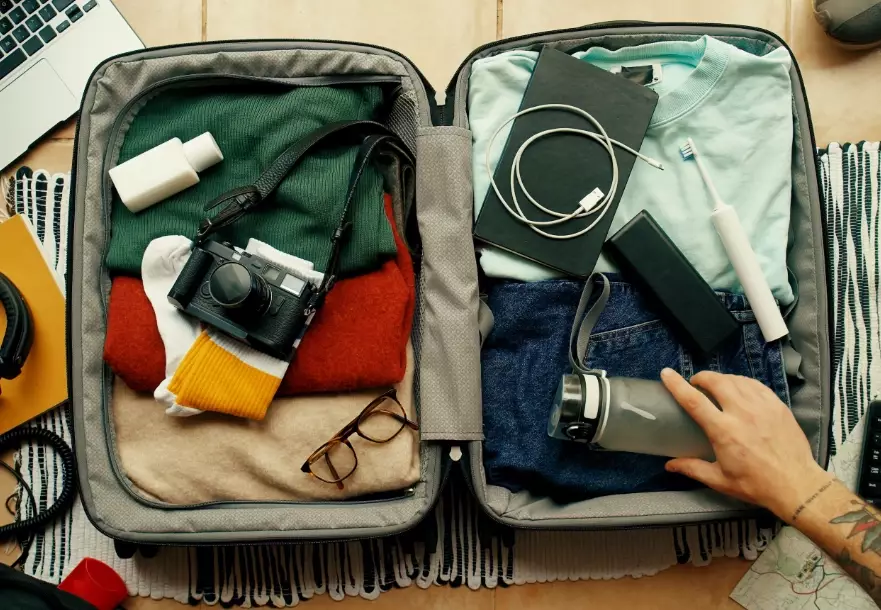
Reusable Water Bottle: Tap water is generally safe to drink across the country. A reusable bottle saves money and reduces plastic waste. Fill up at airports, hotels, and restaurants.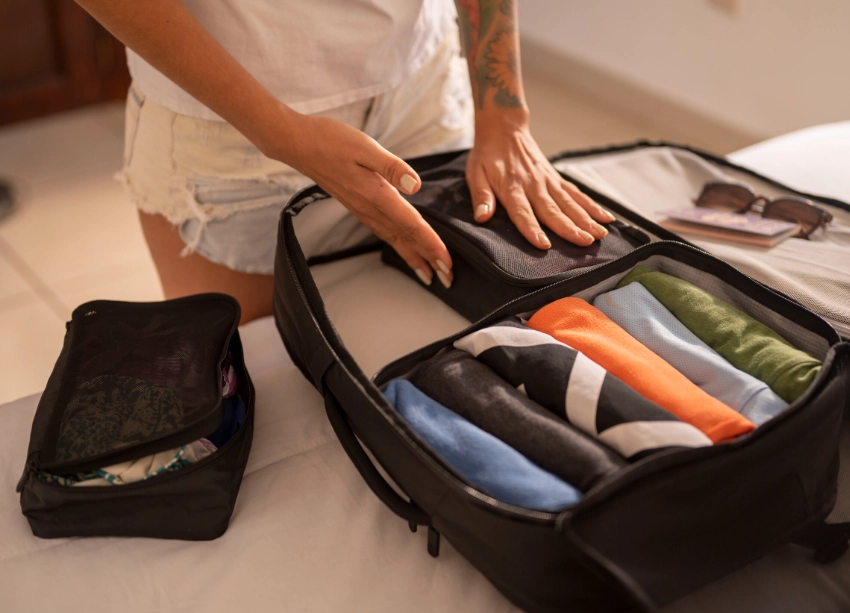
Seasonal & Regional Adjustments
Now, let's get specific. Your base list changes dramatically based on where and when you're going.
| Destination/Season | Add These to Your Core List | Special Considerations |
|---|---|---|
| Summer in the South/Southwest (Florida, Texas, Arizona, Nevada) | Lightweight, breathable clothing (linen, cotton), wide-brimmed hat, high-SPF sunscreen, sunglasses, aloe vera gel, a second swimsuit. | Indoor air conditioning is often freezing. Always have that light layer (cardigan, shawl) for restaurants and malls. |
| Winter in the North/Northeast (New York, Chicago, Rockies) | Thermal base layers (merino wool is best), insulated waterproof winter coat, warm gloves, scarf, beanie, thermal socks, waterproof boots with grip. | Layering is everything. Cotton kills (it holds moisture). Opt for synthetics or wool. Hand and foot warmers are cheap and effective. |
| Pacific Northwest (Washington, Oregon) - Any Time | Waterproof jacket with a hood, waterproof shoes or boots, quick-dry layers, a warm mid-layer (fleece). | The "waterproof" spec is key here. A water-resistant jacket won't cut it in a Seattle drizzle that lasts all day. |
| National Parks Adventure | Sturdy hiking boots, moisture-wicking socks, hiking pants, daypack, hydration system, binoculars, headlamp, bear spray (can be purchased locally, check airline rules). | Download offline maps (Google Maps, AllTrails). Cell service is unreliable. Respect wildlife and pack out all trash. |
Common Packing Mistakes to Avoid
After years of travel, I see the same errors repeatedly.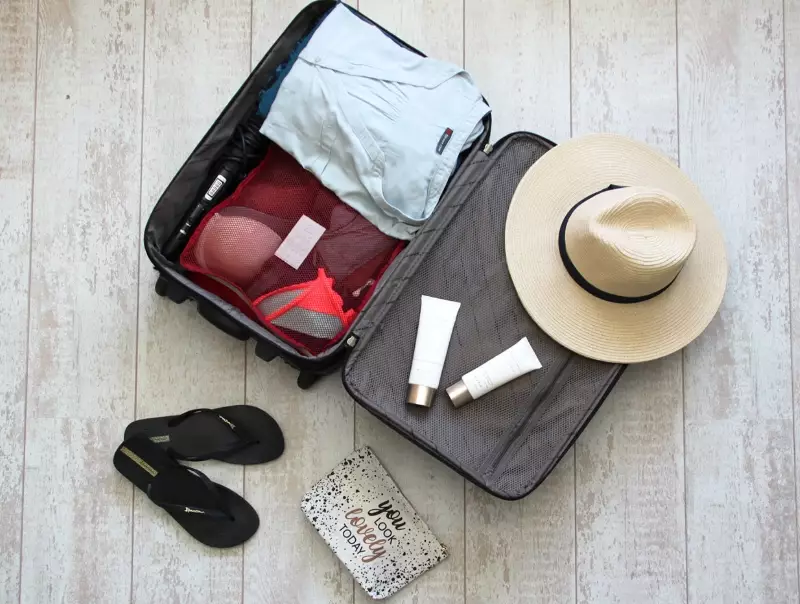
Overpacking "Option" Clothes: That fancy dress you'll wear "if" you go to a nice club? Leave it. You can dress up a simple outfit with accessories.
Ignoring Laundry: Most hotels have laundry service or coin-operated laundromats are everywhere. Packing for 10 days doesn't mean 10 entirely different outfits. Plan to wash clothes once.
New, Unworn Shoes: Blisters can ruin a day of exploring. Your primary walking shoes must be broken in.
Forgetting a Bag for Dirty Laundry: A simple lightweight nylon bag keeps your clean clothes separate. A plastic grocery bag works in a pinch.
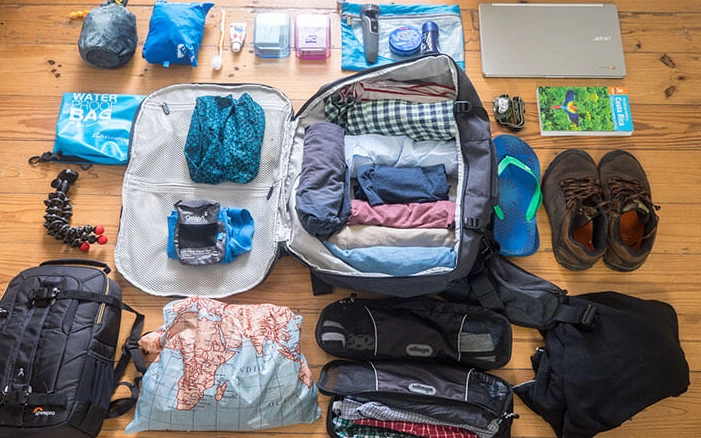
Not Using Packing Cubes: This is my number one packing hack. They compress clothing, keep you organized, and make repacking a breeze. They transform chaos into order.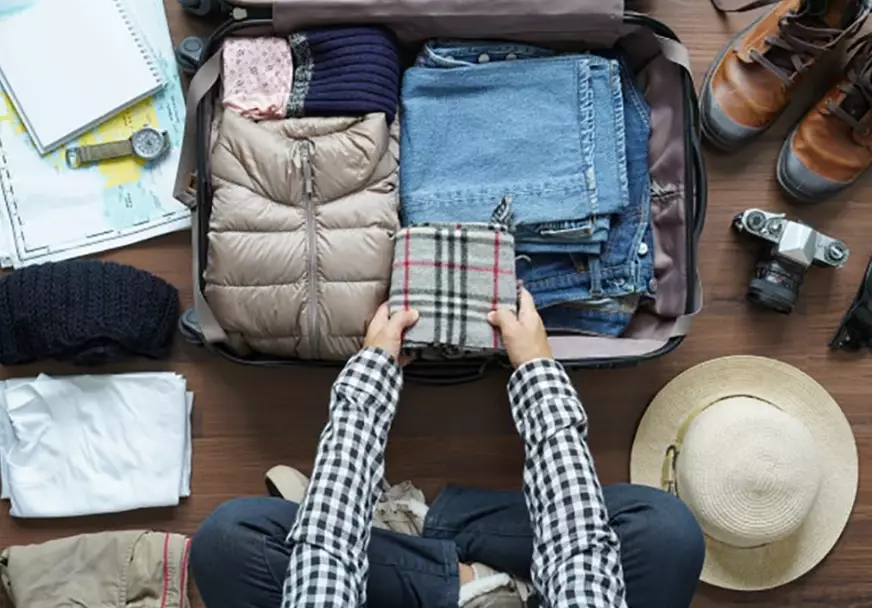
Your Packing Questions Answered
What is the one electronic item most travelers forget for the USA?
I'm hiking in US National Parks. What special items should I pack?
Can I bring food or snacks into the USA?
Packing smart is the first step to a stress-free American adventure. It’s not about having everything, but about having the right things. Focus on versatile layers, essential documents, and the right tech adapters. Do that, and you’ll spend less time rummaging in your suitcase and more time enjoying the vast, incredible landscape outside your window.


Comments
Leave a Comment