Ask someone to name classic American foods, and you'll likely hear "hamburger," "hot dog," and "apple pie." While those are icons, they barely scratch the surface. American cuisine is a living storybook of immigration, regional agriculture, and cultural fusion. A "classic" dish here isn't just old; it's a dish that tells a story about a place and its people, one that has been embraced and passed down. Think less about a single national menu and more about a collection of powerful regional identities on a plate.
This isn't about listing every dish. It's about understanding what makes them classics and, more importantly, where you can experience the real deal. Because finding the authentic version—not the tourist trap imitation—is the real challenge.
Your Quick Bite-Sized Guide
What Defines a "Classic" American Food?
Forget fancy. The heart of American classics is often comfort, abundance, and practicality. Many stem from the need to feed families affordably during tough times, like the Great Depression. Dishes like meatloaf (stretching ground meat with fillers) or macaroni and cheese (cheap pasta and government cheese) have roots in necessity.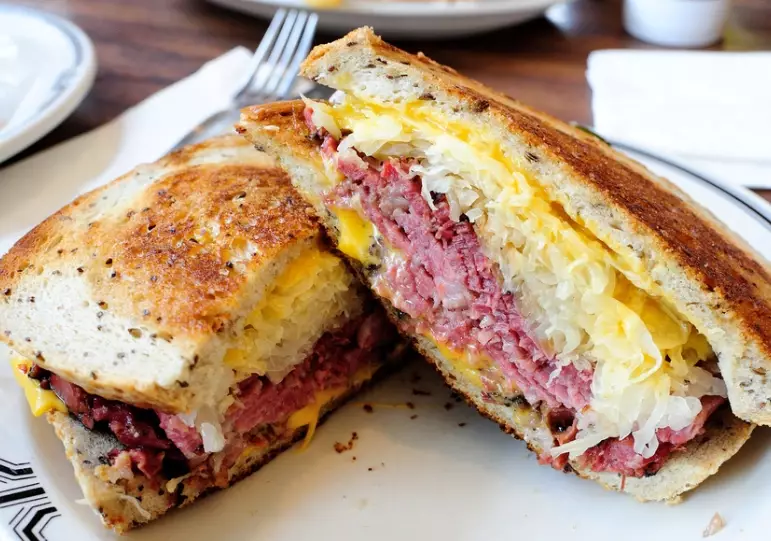
Regionality is the other huge factor. Before interstate highways, geography was destiny. What grew locally defined the menu. That's why you have clam chowder in New England, gumbo in Louisiana, and barbecue that changes every hundred miles. The Smithsonian Institution has done great work documenting how these regional foodways are central to American culture.
A Common Mistake: Assuming "American food" is monolithic. Ordering "barbecue" in Texas expecting North Carolina vinegar sauce is a surefire way to disappoint your taste buds and possibly offend the pitmaster. The details—the sauce, the wood, the cut of meat—are everything.
The Regional Classics: A Culinary Roadmap
Let's break it down by region. This is where you see the true diversity.
The Northeast
Think seafood, dairy, and early colonial influences.
- New England Clam Chowder: The creamy, potato-and-clam soup. The "Manhattan" red version is a different beast entirely. A classic spot is Union Oyster House in Boston (41 Union St, Boston, MA). It's the oldest restaurant in continuous service in the U.S. (opened 1826). A bowl of chowder will run you about $10-$12. It's always packed, but the history is palpable.
- Philly Cheesesteak: Thinly sliced ribeye, melted cheese (Cheez Whiz is traditional, despite purists' groans), and onions on a long roll. The rivalry between Pat's King of Steaks and Geno's Steaks (across the street from each other at 9th St & Passyunk Ave, Philadelphia) is legendary. Expect to pay around $15. Go late at night for the full experience.
- Buffalo Wings: Born at the Anchor Bar in Buffalo, NY. The key is franks hot sauce and butter, never breaded, served with celery and blue cheese. Many places get this wrong by baking them or using sweet sauce.
The South
This is the soul of American comfort food.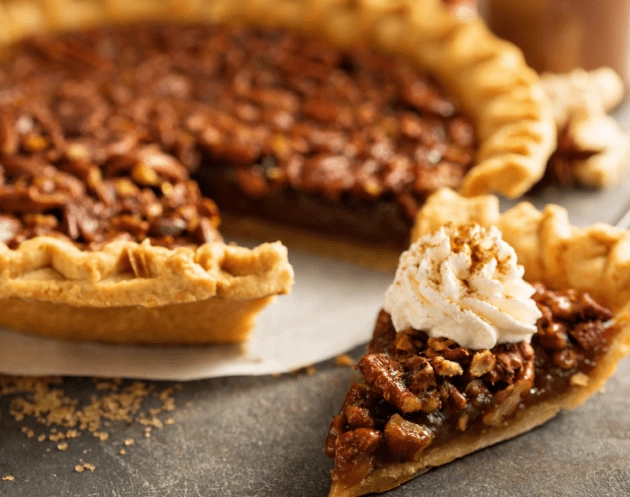
- Southern Fried Chicken: Crispy, seasoned crust, juicy meat. It's about the brine and the lard or cast-iron skillet. Willie Mae's Scotch House in New Orleans (2401 St Ann St) is often cited as the best. Be prepared to wait in line. A plate is about $15. Closed Sundays.
- Shrimp and Grits: A Lowcountry staple from coastal South Carolina/Georgia. Creamy stone-ground grits topped with saucy shrimp. Hominy Grill in Charleston (207 Rutledge Ave) made theirs famous. It's a brunch must-have for around $18.
- Texas Barbecue Brisket: This is a religion. Slow-smoked over post oak for up to 18 hours until it's tender enough to pull apart. Franklin Barbecue in Austin (900 E 11th St) is the pilgrimage site. People start lining up at 8 AM. It sells out daily. Price is by the pound (around $34/lb for brisket). Go with friends, buy a lot, and feast.
And that's just two regions. The Midwest has its hotdish and deep-dish pizza, the Southwest has Tex-Mex and green chile stew, and the Pacific Northwest has salmon and Dungeness crab.
Where to Eat: A Handful of Iconic Spots
Here are a few more establishments that are institutions in their own right, serving classics that have defined them for decades.
| Restaurant & Location | Classic Dish to Order | What Makes It Special / Notes | Price Point |
|---|---|---|---|
| Katz's Delicatessen 205 E Houston St, New York, NY |
Pastrami on Rye | Hand-carved, cured for 30 days. The pastrami is peppery, smoky, and impossibly tender. Cash-only counter service. Expect crowds. | $25-$30 (sandwich) |
| Commander's Palace 1403 Washington Ave, New Orleans, LA |
Turtle Soup & Bread Pudding Soufflé | Fine-dining take on Creole classics. The turtle soup is a rich, sherry-laced revelation. Jacket required for dinner. A celebratory meal. | $$$ (Entrees $40+) |
| Lou Malnati's Multiple locations, Chicago, IL |
Deep-Dish Pizza (Buttercrust) | The iconic Chicago pie. The buttery crust, tangy tomato sauce, and cheese layer define the style. Order the "Malnati Chicago Classic." | $25-$30 (small pie) |
| Pink's Hot Dogs 709 N La Brea Ave, Los Angeles, CA |
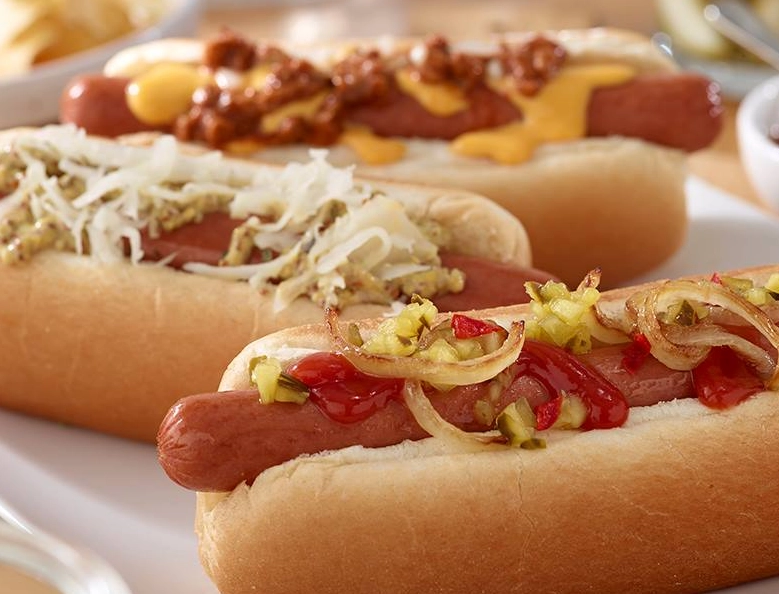
The "Stretch" Chili Dog | A Hollywood landmark since 1939. Long lines, dozens of crazy topping combinations. It's more about the experience than gourmet food. | $5-$10 (per dog) |
How Do I Find the Best Classic American Food When Traveling?
Google Maps ratings can lie, especially in tourist zones. Here's what I've learned from years of eating my way across the country:
Avoid places with giant menus plastered with photos. A diner that does 100 things does none of them exceptionally well. Look for a short, focused menu.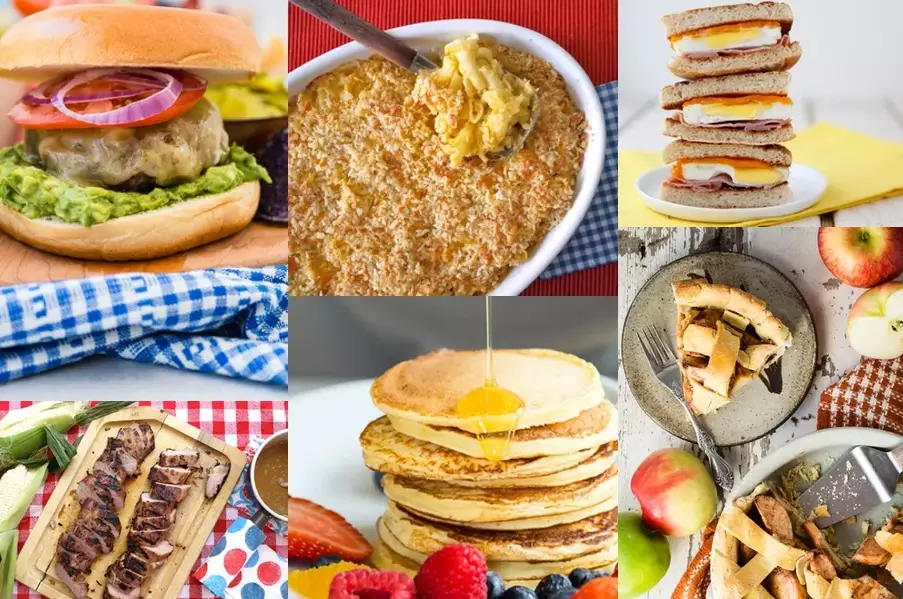
Seek out the "lunch counter" or the "diner" in a non-downtown neighborhood. The best meatloaf or chicken fried steak is often in a place that looks like it hasn't changed its decor since 1975. The patrons will be locals.
Ask a specific question. Don't ask "Where's good food?" Ask a hotel concierge or a shop clerk, "Where would you go for the best piece of pecan pie in town?" or "Who smokes their own brisket here?" You'll get a real answer.
Embrace the dive. Some of the best food comes from places with linoleum floors, fluorescent lighting, and a cook who's been at the grill for 30 years. Cleanliness in the dining area matters; a bit of wear is often a sign of character, not quality.
I once drove an hour out of the way in Kentucky based on a gas station attendant's tip for fried catfish. It was in a cinder block building with picnic tables. Best catfish of my life. Trust those hyper-local recommendations.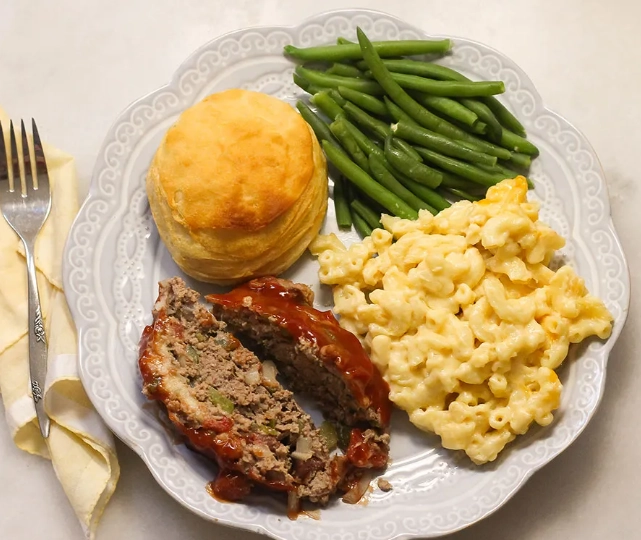
Your Classic American Food Questions, Answered
- Texas: Focus is on beef (brisket, ribs), dry rubs, smoke flavor. Sauce is often an afterthought, served on the side.
- Kansas City: Uses various meats (ribs, burnt ends), with a thick, sweet, and tangy tomato-based sauce.
- Memphis: Famous for pork ribs, which can be "wet" (sauced) or "dry" (rubbed with spices). Pulled pork sandwiches are also huge.
- Carolinas: Primarily pork. North Carolina is split: Eastern style uses a vinegar-pepper sauce, Western/Lexington style adds ketchup for a vinegar-tomato blend. South Carolina has a unique mustard-based sauce.



Comments
Leave a Comment