In This Guide
Let's be honest. Planning a visit to the 9/11 Memorial & Museum isn't like planning a trip to any other museum in New York City. It's heavy. It's emotional. And if you're anything like I was before my first visit, you probably have a bunch of questions bouncing around your head. Is it appropriate to take kids? How much time do I really need? What's the difference between the memorial outside and the museum underground? And honestly, how do you even begin to process a place like this?
I've been a few times now. Once as a tourist trying to understand, once with a friend from out of town who insisted on going, and another time just because I felt I needed to sit with the weight of it again. Each visit was different. Each one taught me something new about how to approach this sacred, heartbreaking, and incredibly important space.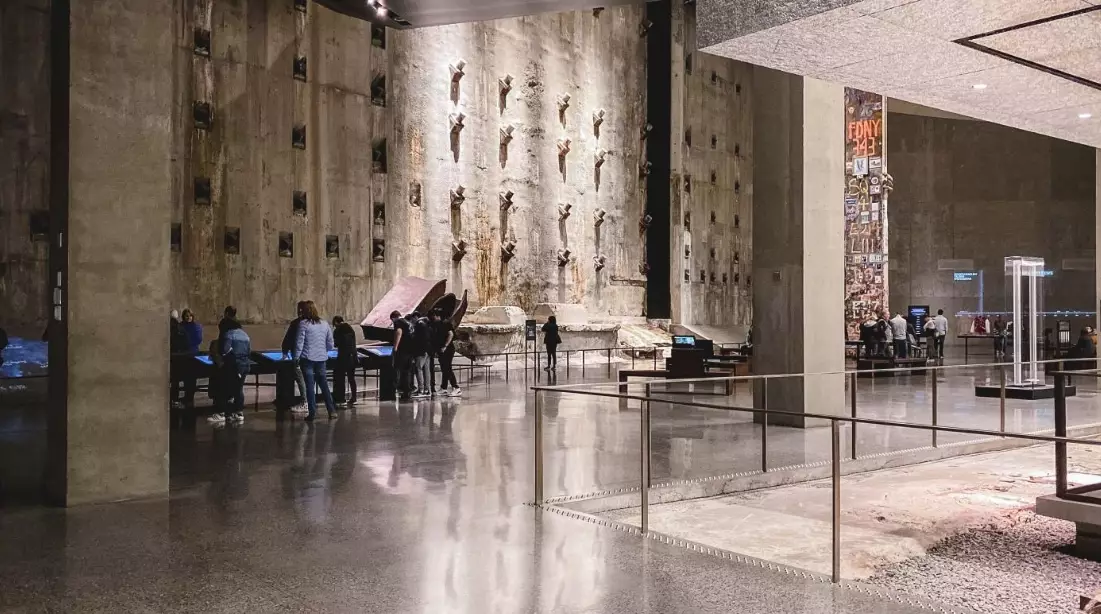
So, I'm writing this guide not as a distant expert, but as someone who's navigated the same uncertainties you might be feeling right now. We'll cut through the clutter and get straight to the practical stuff—tickets, timing, what to see—and we'll also talk about the harder stuff, like the emotional impact and how to prepare for it. This isn't just a collection of facts; it's a roadmap for a meaningful visit.
The Heart of the Matter: The 9/11 Memorial & Museum serves two core, intertwined purposes. The Memorial, with its twin reflecting pools, is a place for public gathering, quiet reflection, and honoring the nearly 3,000 lives lost. The Museum, located beneath the footprints of the original towers, is a historical institution dedicated to documenting the events, exploring their ongoing implications, and ensuring we never forget.
Before You Go: The Essential Planning Stuff
Okay, let's start with the logistics. Getting this part right makes the actual visit so much smoother, letting you focus on the experience itself instead of fretting about details.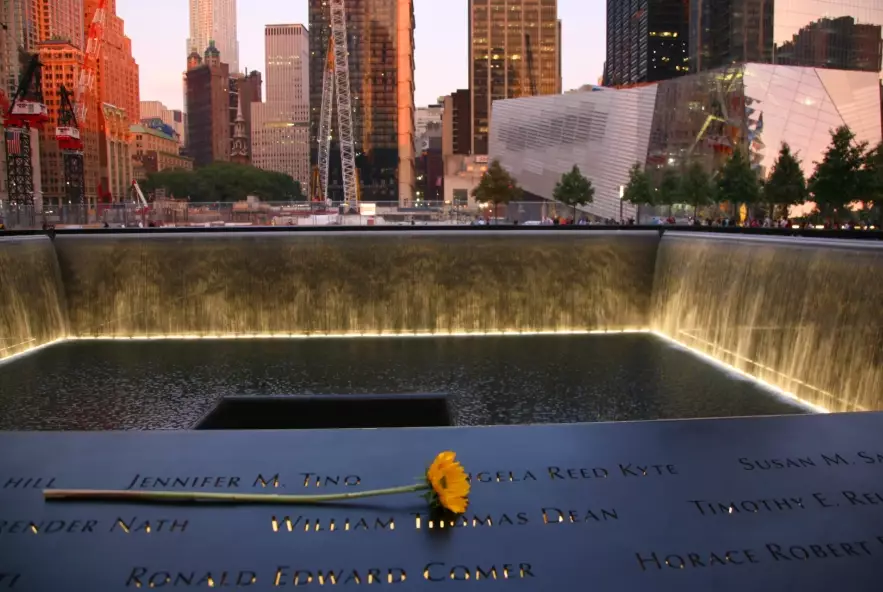
Getting Your Tickets and Timing Your Visit
First thing's first: you need a ticket for the Museum. The outdoor Memorial is free and open to the public every day. But to go inside the 9/11 Museum, you have to plan ahead. You can buy tickets directly on the official 9/11 Memorial & Museum website. It's the most reliable source for the latest hours, pricing, and any special closures.
Timing is everything. If you can, aim for a weekday. Weekends, especially in summer, can feel crowded, and the sheer number of people can sometimes make quiet contemplation difficult. I made the mistake of going on a Saturday afternoon once, and the queue for the main historical exhibition was a test of patience. An early morning weekday entry is golden—you'll have more space to breathe and absorb.
How long should you plan for?
This isn't a quick in-and-out. To do it any justice, block out at least two to three hours for the Museum alone. If you're someone who reads every panel and listens to every audio clip (and many are worth it), you could easily spend four or five. The outdoor Memorial can take anywhere from 30 minutes to an hour, depending on whether you just walk the perimeter or stop at each pool to read the names.
Pro Tip from Experience: Buy a timed-entry ticket for the first slot of the day. You'll get in when the Museum is freshest and least crowded. It makes a world of difference in being able to connect with the exhibits on a personal level.
Ticket Options: Which One is Right for You?
It can be confusing. Here’s a simple breakdown of the main ticket types you'll encounter.
| Ticket Type | Best For | What's Included | My Take |
|---|---|---|---|
| General Admission | First-time visitors, adults, those on a budget. | Entry to all permanent Museum exhibitions. | The standard choice. Perfectly sufficient for most people. Gets you access to the core experience. |
| Guided Tour | Visitors who want context, history buffs, groups. | General admission + a 60-minute guided tour led by a Museum expert. | Worth the extra cost if you want the stories behind the artifacts. Guides often share powerful firsthand accounts you won't get from placards. |
| Discount Admission | Seniors (65+), U.S. veterans, youth (13-17), college students. | Reduced-price entry with valid ID. | Always check if you qualify. The savings are decent. You'll need to show ID at the entrance. |
| Free Admission | 9/11 family members, rescue/recovery workers, children under 12 (with paying adult), active U.S. military. | Complimentary entry. Some groups require prior registration. | Check the website for precise eligibility and any required documentation. It's a respectful gesture by the Museum. |
I've done both the general admission and a guided tour. The tour was, for me, more impactful. Our guide pointed out details in photographs I would have missed and explained the significance of specific artifacts, like the battered helmet of a firefighter. It added a layer of human narrative that deepened the whole visit. But if you prefer to wander and process at your own pace, general admission is perfectly fine.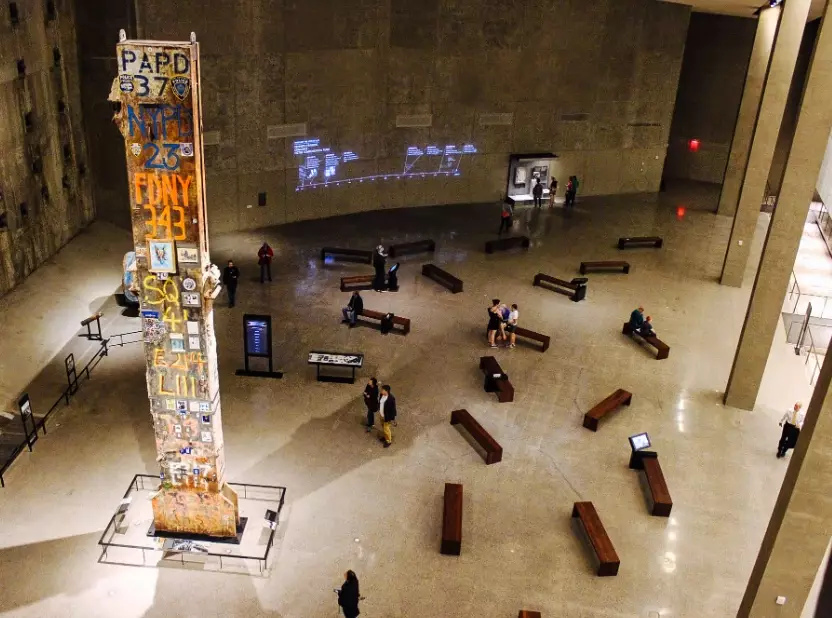
Navigating the Experience: Memorial Pools & Museum Depths
Let's talk about what you'll actually see. The site is architecturally profound, and understanding the layout helps you appreciate the intent behind the design.
The Outdoor Memorial: A Space for Reflection
You approach it between the skyscrapers of the new World Trade Center. And then you see them—the two vast, square voids in the earth. The North Pool and the South Pool sit exactly in the footprints of the original Twin Towers. They're not just fountains; they're the largest man-made waterfalls in North America. The water cascades down the sides and then disappears into a central, seemingly bottomless square in the middle.
The sound is the first thing that gets you.
It's a constant, roaring white noise. It drowns out the city. It forces a kind of quiet upon you, even in a crowd. The names of every person killed in the 2001 attacks and the 1993 World Trade Center bombing are inscribed on bronze parapets surrounding the pools. The names aren't just listed alphabetically; they're arranged by “meaningful adjacency”—placing coworkers next to coworkers, flight crews together, and family members who perished side-by-side.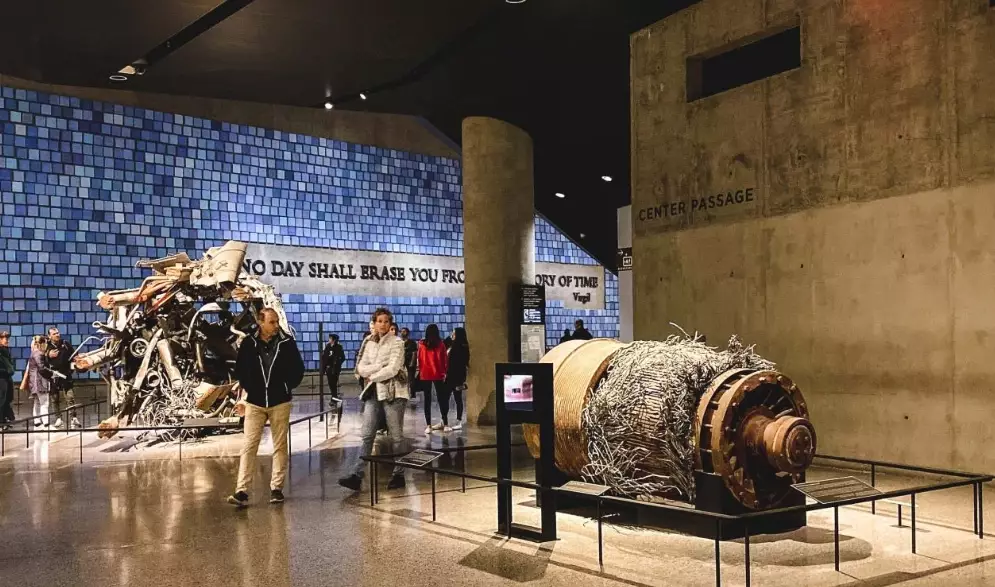
Standing there, running your fingers over the cool bronze letters, is when the scale of the loss shifts from a number to a heartbreaking list of individuals. You see flowers tucked into the carved letters, a small flag, a photograph. It’s deeply personal.
The Survivor Tree is another spot that always draws a quiet crowd. It's a Callery pear tree that was recovered from the rubble, severely damaged. Nursed back to health, it now stands as a living symbol of resilience. Seeing its new, delicate branches sprouting from gnarled, scarred old trunk is a powerful image of survival.
Inside the 9/11 Museum: A Journey Through History
You descend a ramp alongside the slurry wall—a massive, surviving retaining wall that held back the Hudson River after the attacks. You're literally walking down into the foundation. The scale is immediately humbling. The Museum is organized into three main parts: the Historical Exhibition, the Memorial Exhibition, and Foundation Hall.
The Historical Exhibition is the chronological gut-punch. It's divided into three segments: the day itself (September 11, 2001), the events leading up to it, and the aftermath. It's filled with artifacts, videos, and audio recordings. You'll see the twisted steel “cross” from the wreckage, a destroyed fire truck, and thousands of personal effects. The audio includes real-time transmissions from first responders and voicemails left by people on the planes. It's intense. They have quiet rooms off to the side, and I strongly suggest using them if you feel overwhelmed. I did.
The Memorial Exhibition is different. It's a serene, somber space dedicated to the victims. Portraits line the walls. Touchscreen tables allow you to explore individual biographies, hear stories from their families, and see photographs of their lives. It’s a beautiful, heartbreaking effort to restore individuality and memory to those who were lost. This is where I spent a long time, just listening to the stories.
Foundation Hall is the vast, cavernous space that houses monumental artifacts, like the “Last Column”—the final steel beam removed from the site, covered in inscriptions from recovery workers. The scale here is almost incomprehensible.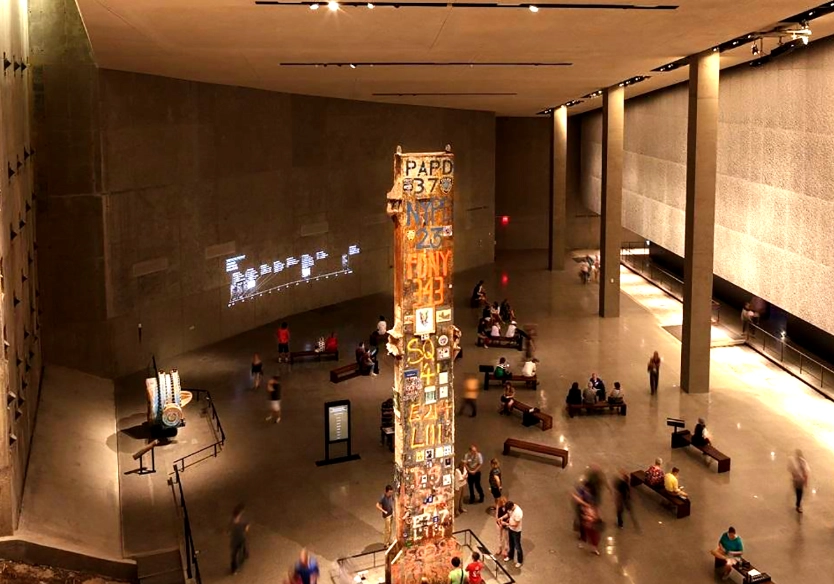
A Personal Moment: In the Historical Exhibition, there's a simple, dust-covered pair of high-heeled shoes. For some reason, that ordinary object, a thing someone put on that morning expecting a normal day, hit me harder than any piece of twisted metal. The museum is full of those small, human details. Don't rush past them.
Questions Everyone Asks (And My Honest Answers)
A Deeper Look: Context and Controversy
No place of this magnitude exists without some complexity. It's worth acknowledging some of the discussions surrounding the 9/11 Memorial & Museum.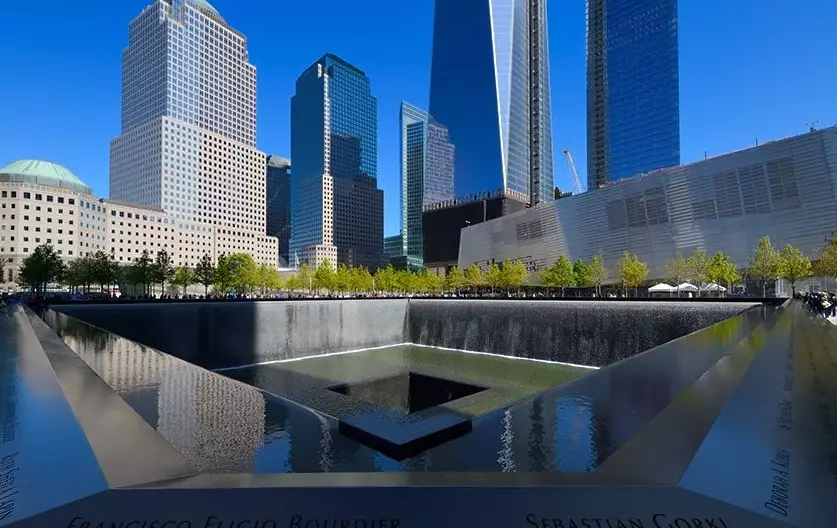
One point of debate has always been the balance between memorializing the victims and presenting a historical narrative. Some families felt the Museum's focus on the perpetrators and the geopolitical context was inappropriate for a sacred space. Others argued that understanding the “why” is crucial to the “never forget” mission. Walking through, you can feel this tension. The Historical Exhibition doesn't shy away from the motivations of the hijackers, which can be unsettling for some visitors who come purely to mourn.
Another practical critique—and one I share to a degree—is the cost. General admission isn't cheap. The Museum argues that ticket sales are essential for its massive operational costs (security, preservation, education programs), which is valid. But it does create a barrier to access. They do offer free evenings periodically (check their website), and the free admission for certain groups helps. Still, it's something to be aware of.
For the most authoritative information on the historical events and the site's status as part of American history, resources like the National Park Service's page on the memorial (it's a National Memorial) provide a formal, documented perspective. For contemporary reporting and analysis on its role in culture, major outlets like The New York Times have done deep dives.
My Suggestion: Go in knowing it's a hybrid space—part gravesite, part history museum, part educational institution. That hybrid nature is its strength, but it also means your experience might be a mix of sorrow, curiosity, anger, and reflection. All of those reactions are valid.
Making It Meaningful: A Suggested Approach
After a few visits, I've landed on a rhythm that works for me. Maybe it'll work for you too.
- Start Outside. Begin at the Memorial pools. Don't rush. Walk the perimeter, feel the scale, read some names. Let the sound of the water set the tone. Visit the Survivor Tree.
- Enter the Museum with Intention. As you walk down the ramp, leave the sunlight behind. You’re transitioning into a different kind of space.
- Hit the Memorial Exhibition First. I know the chronological flow pulls you to the Historical Exhibition, but I find it more grounding to first connect with the people—to see their faces and hear their stories. It provides the essential human context for everything that follows.
- Then, the Historical Exhibition. Go through the timeline. Be prepared for the visceral impact. Use the quiet rooms.
- End in Foundation Hall. Stand before the Last Column. Look up at the sheer size of the space. It's a moment for absorbing the physical magnitude of what happened.
- Return to the Light. Walk back up the ramp. The return to the plaza and the sight of the new One World Trade Center (“Freedom Tower”) piercing the sky is a powerful, intentional part of the architectural narrative—a look forward.
And then, give yourself some time.
Don't schedule a boisterous Broadway show right after. Plan for a quiet walk, a coffee, or just some time to sit. The visit to the 9/11 Memorial & Museum lingers. You'll process bits and pieces for hours or days afterward. That's part of the point. It's not designed to be a forgettable tourist stop. It's designed to be remembered.
Final Thoughts
Visiting the 9/11 Memorial & Museum is a significant choice. It's not an easy afternoon, but it's an important one. It confronts you with profound grief and incredible courage. It asks you to remember not just an event, but thousands of individual lives and the day the world changed.
Go with respect. Go with patience. And go with an open heart. The space holds all of it. Whether you're a New Yorker, an American from across the country, or an international visitor seeking to understand, the 9/11 Memorial & Museum offers a rare and sacred space for remembrance, learning, and, ultimately, a form of shared healing. Just be sure you're ready for it.
And if you do go, maybe pause for a moment by the South Pool, listen to the endless fall of water, and think not just about what was lost, but about the resilience etched into every name, every story, and every new tree that grows on that ground.


Comments
Leave a Comment