So you want to drive across the United States. It's a classic bucket list adventure, the kind that fuels daydreams during long meetings. The open road, quirky roadside attractions, stunning national parks, and the sheer scale of the continent calling your name. But between the dream and the reality lies the planning—and that's where most trips stumble. I've done this drive multiple times, in different seasons and with different goals. Let's cut through the romanticism and build a plan that actually works.
Your Road Trip Quick Navigation
Step 1: Define Your Trip's DNA (Before You Look at a Map)
Most people jump straight to picking stops. That's a mistake. First, answer these three questions.
What's Your Travel Style?
Are you a national park purist, happiest in hiking boots? A city culture vulture who wants museums and food scenes? Or a roadside Americana hunter seeking the world's largest ball of twine? Your style dictates everything. A trip focused on Yellowstone and Zion looks nothing like one hitting New Orleans, Nashville, and Chicago.
How Much Time Do You Really Have?
Be brutally honest. Driving from New York to Los Angeles on Interstate 80 is roughly 2,800 miles. That's about 41 hours of pure driving. If you have one week, you'll spend over 80% of your waking hours in the car. Not fun. For a comfortable, enjoyable trip with meaningful stops, I wouldn't recommend less than two weeks for a direct cross-country route. Three weeks is ideal. This is the single biggest planning error I see.
Who's Coming With You?
Solo, couple, family with kids, friends? Compromise is key. Build in solo time if needed. For families, factor in more frequent stops and kid-friendly attractions (yes, even if it's another dinosaur park).
Step 2: Choose Your Epic Route (It's More Than I-80)
The interstate is efficient, but often boring. Here are three iconic frameworks to build on.
The Classic Coast-to-Coast (I-40/I-70/I-80 Blend)
This is the all-rounder. You could start in New York, dip down to Nashville for music, follow I-40 past Memphis, through Oklahoma City, into the desert beauty of Northern Arizona (Grand Canyon!), then sprint to Los Angeles. It mixes cities, history, and jaw-dropping scenery.
Sample Stops: Nashville, TN (honky-tonks, Country Music Hall of Fame); Memphis, TN (Graceland, Beale Street); Petrified Forest National Park, AZ; Grand Canyon National Park, AZ (South Rim is most accessible; entry is $35/vehicle, good for 7 days; open 24/7 but check for seasonal road closures).
The Historic Route 66 Journey
Nostalgia is the fuel here. It's not one highway anymore but a patchwork of original alignments. It's slower, passes through forgotten towns, and is packed with mid-century Americana. Perfect for photographers and slow travelers.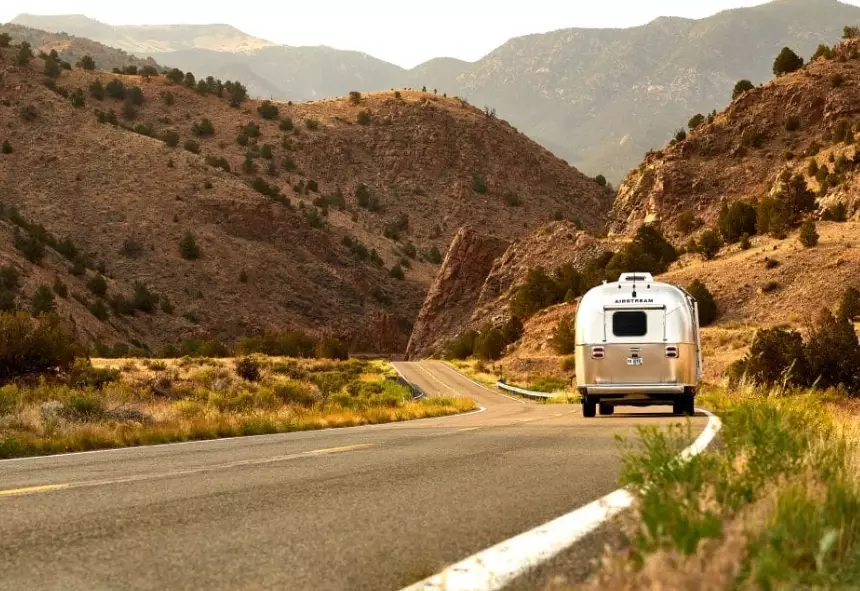
Key Stretch: The segment from Albuquerque, NM to Kingman, AZ is particularly rich. You'll pass the iconic Wigwam Motel in Holbrook, AZ, and the meteor crater near Winslow. Be prepared for rough pavement in spots.
The Northern Nature Lover's Loop
Start in Seattle, head across the Northern Plains to the Great Lakes (Chicago), then swing up through New England. This route shines in late summer/early fall. It's less about neon and more about epic landscapes.
Can't-Miss Detour: Going-to-the-Sun Road in Glacier National Park, MT (requires a vehicle reservation in summer; check the National Park Service website). The Black Hills of South Dakota (Mount Rushmore, Custer State Park) are also a highlight.
Use Google Maps or Roadtrippers to plot your core route, then manually drag the line to force it onto scenic byways like Utah's Highway 12 or the Pacific Coast Highway.
Step 3: Build Your Realistic Budget (The Unsexy Truth)
Gas is just the start. Let's break down a moderate budget for a 14-day trip for two.
| Category | Low-End Estimate | Moderate Estimate | Notes |
|---|---|---|---|
| Gas | $500 - $700 | $800 - $1,000 | Based on 3,500 miles, 25 MPG, gas prices vary wildly by state. |
| Accommodation | $700 ($50/night) | $1,400 ($100/night) | Mix of budget motels, Airbnb, occasional splurge. |
| Food | $560 ($20/person/day) | $840 ($30/person/day) | Groceries for breakfast/lunch, dinner out. |
| Activities & Parks | $200 | $400 | Park entries, tours, museums. Get the America the Beautiful Pass ($80) if visiting >3 National Parks. |
| Vehicle (Rental/Depreciation) | $300 - $600 | $600 - $900 | Rental fees or increased maintenance on your own car. |
| Buffer & Souvenirs | $200 | $400 | Flat tire, that cool cowboy hat, unexpected detour. |
| TOTAL (for 2) | $2,460 - $3,160 | $4,440 - $4,940 | This is reality. Plan for it. |
Step 4: Master the Art of Booking (Flexibility is Power)
Booking Accommodation
Don't book every night six months out. You'll regret it when you want to stay an extra day in Moab. Book the first 2-3 nights, and key stops in peak season (national park gateways in summer). For the rest, aim to book 1-3 days in advance. Apps like HotelTonight are great for last-minute deals in cities.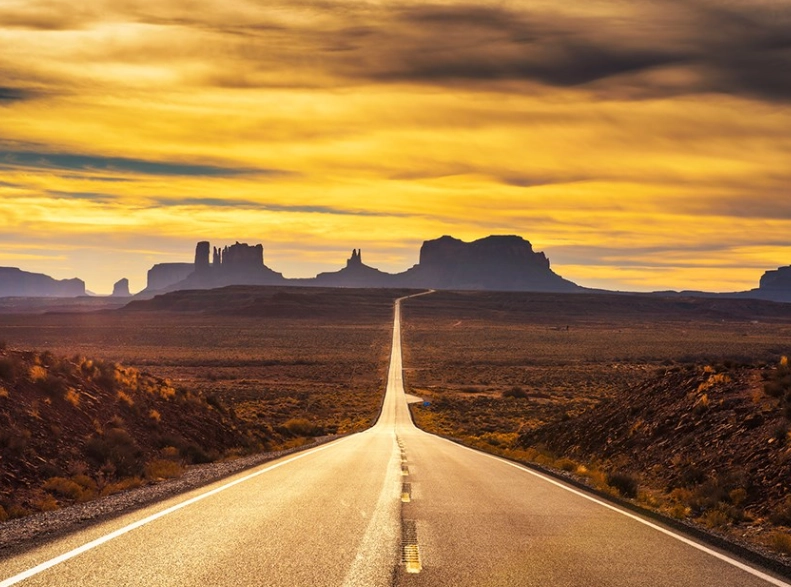
Consider a mix: A comfortable hotel after a long drive day, a unique Airbnb for a 2-night stay, maybe a campsite for one night under the stars (recreation.gov for federal campgrounds).
Booking Your Vehicle
If renting, book from an airport location for the largest fleet. One-way rentals (dropping off in a different city) often have massive fees ($500+). Sometimes it's cheaper to book a round-trip rental from a central city and start your drive there. Always check for unlimited mileage.
Step 5: Pack Like a Pro (Not a Pack Rat)
Overpacking makes the car cramped and every stop a hassle.
The Essentials Most Forget:
- A real cooler: Not a cheap styrofoam one. A hard-sided cooler with ice packs saves a fortune on drinks and snacks.
- Physical maps & a guidebook: Cell service dies in vast, beautiful places. A Rand McNally Road Atlas is a lifesaver. Moon USA Road Trips is a great guide.
- Multi-port car charger & battery pack: You'll have phones, cameras, tablets. Keep them alive.
- Basic toolkit & tire repair kit: A jack, lug wrench, jumper cables, and a can of Fix-a-Flat can turn a crisis into a delay.
- Reusable water bottles & shopping bag: For groceries, souvenirs, reducing waste.
Pack clothes in packing cubes for easy access. Have a separate small daypack for hikes and exploring stops so you're not hauling your entire suitcase.
Step 6: Hit the Road: Pro Tips for the Long Haul
This is where experience pays off.
Drive Less, See More: Cap driving at 6 hours or 350 miles on a "moving" day. Any more and you're just a zombie behind the wheel. On a 2-week trip, plan for 4-5 full days with zero driving.
Embrace the Detour: The best moments are unplanned. See a sign for a "World's Largest" something? If you have time, take the exit. These are the stories you'll tell.
Find Local Eats: Avoid chain restaurants. Ask a gas station attendant, "Where do you go for breakfast?" You'll find incredible diners and family-owned spots.
Listen to Local Radio & Podcasts: Switch from satellite to local AM/FM when entering a new region. You'll get weather, news, and great music stations. Download podcasts about the history of the areas you're driving through.
Finally, be present. Put the phone down (as a passenger!). Look out the window. Talk to people. The landscape of America is the main character of this trip. Let it speak to you.




Comments
Leave a Comment