Quick Guide to Sections
- The Natural Wonders: California's True Superstars
- The Urban Experiences: Cities with Personality
- Making Sense of the Iconic (and Often Crowded) Attractions
- Beyond the Beaten Path: Finding Your Own California
- Practical Stuff You Actually Need to Know
- Your California Attractions Questions, Answered
- Wrapping It Up: Building Your California Story
Let's be honest. You've probably seen a dozen lists of "top California attractions." They all tell you to go to the Golden Gate Bridge and Disneyland. And you should, maybe. But California is so much more than its postcard icons. It's a feeling. It's the smell of redwood forests after a rain, the taste of a perfect taco from a truck in LA, the dizzying silence at the edge of a cliff in Big Sur. Planning a trip here can feel like trying to drink from a firehose. Where do you even start?
I've spent years exploring this state, making all the classic mistakes (like trying to see San Francisco and LA in one day—don't) and stumbling upon places that aren't in the guidebooks. This isn't just a list; it's a conversation about how to actually experience California. We'll talk about the famous spots, sure, but also the quiet corners, the practical stuff nobody tells you, and yes, a few places that might not be worth the hype. My goal is to help you build a trip that feels right for you, not just a checklist.
The Natural Wonders: California's True Superstars
For me, this is where California shines brightest. The man-made stuff is cool, but the landscapes here are downright theatrical. They're the backbone of any trip focused on California attractions.
The National Parks: More Than Just Yosemite
Everyone knows Yosemite. And for good reason—those granite walls are mind-blowing. But the crowds in Yosemite Valley can be a real buzzkill. If you want that iconic view of Half Dome, you gotta go. Book your accommodation (or camping permit) months in advance, I'm not kidding. The official National Park Service website for Yosemite is your bible for this.
But here's my take: some of California's other national parks offer a more profound, less crowded experience.
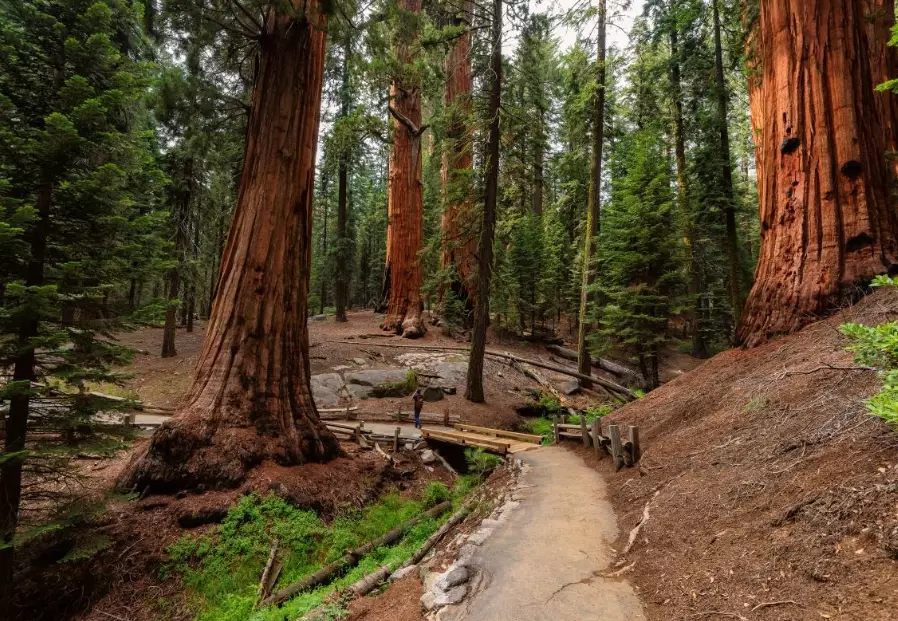
- Sequoia & Kings Canyon: Just south of Yosemite. This is where you walk among giants. The General Sherman Tree is a statistic, but standing in a grove of sequoias is a spiritual experience. The air is different. It's quieter, more ancient.
- Death Valley: The name says it all, and it's not a joke. Go in the winter. Summer is dangerously hot. But in the cooler months, it's an alien planet. Badwater Basin, the lowest point in North America, has a stark beauty. The stars at night are unreal. It feels wildly remote.
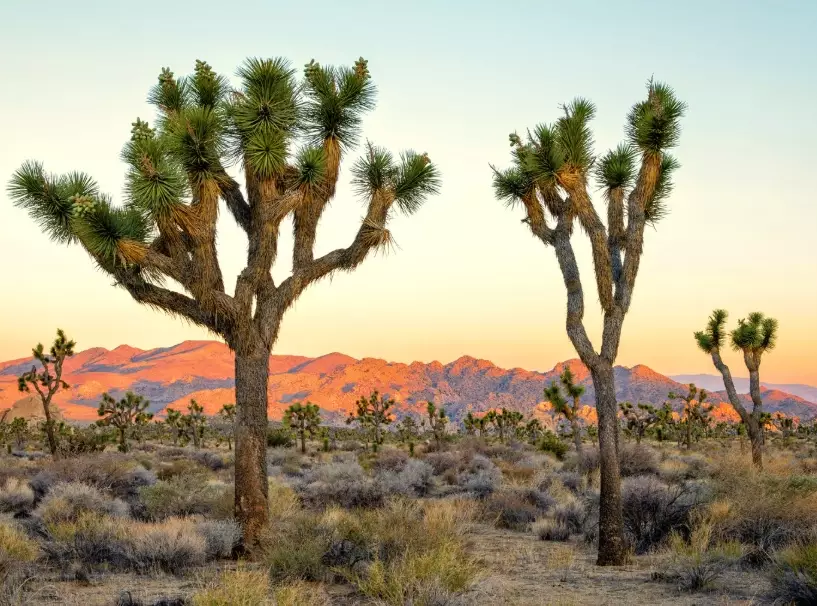
- Joshua Tree: Where the Colorado and Mojave deserts meet. It's a rock climber's paradise and a hippie's dream. The Joshua trees themselves look like something from a Dr. Seuss book. The vibe is super chill. Great for stargazing and just feeling small in a vast, weird landscape.
Seriously, consider a park pass if you're hitting more than two. The America the Beautiful Pass is a money-saver.
The Coastline: From Rugged to Relaxed
Highway 1, specifically the Big Sur coast, is legendary for a reason. The drama of mountains plunging into the Pacific is non-stop. Must-stops include McWay Falls (an 80-foot waterfall onto a beach) and Bixby Creek Bridge. But it's a slow, winding road. Check for closures on Caltrans' website before you go—landslides happen.
Drive it southbound for the best coastal views.
Further north, you have the Mendocino Coast, which is moodier, foggier, and dotted with little towns like Mendocino itself (feels like New England plopped in California). The redwoods start here too.
Southern California beaches are a different culture altogether. Venice Beach is a chaotic, wonderful freak show. Santa Monica is more polished with its famous pier. For a more upscale, beautiful scene, Laguna Beach's coves are stunning. Want to surf? Huntington Beach or further south in San Diego.
The Urban Experiences: Cities with Personality
California's cities are attractions in themselves, each with a totally different personality. Picking the right one for your style is key.
San Francisco: The Compact Charm
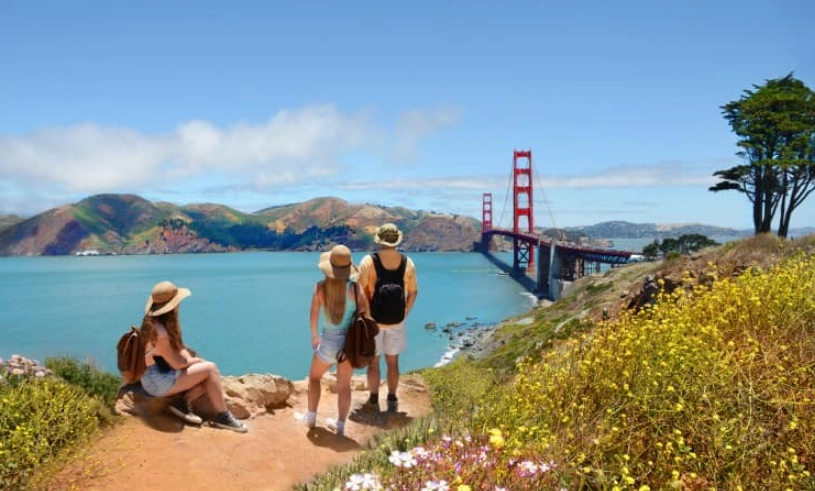
Yes, see the Golden Gate Bridge. Walk or bike across it if you can—the perspective is worth it. Alcatraz is genuinely fascinating; book tickets far in advance via the official ferry site. The Fisherman's Wharf area is very touristy (think chain restaurants and souvenir shops), but the sea lions at Pier 39 are always fun. For a better feel of the city, wander through neighborhoods like the Mission (for murals and incredible food), Haight-Ashbury (hippie history), or North Beach (Little Italy).
My personal favorite thing? Getting lost in Golden Gate Park. It's bigger than Central Park and has hidden gardens, museums, and bison paddocks.
Los Angeles: A Sprawling Collection of Villages
LA confuses people because it's not a single, walkable downtown. It's a hundred different scenes. Hollywood is... kind of grimy and disappointing, to be honest. The Walk of Fame is underwhelming. But Griffith Observatory gives you that classic Hollywood sign view and the planetarium is cool.
The real LA is in its neighborhoods. Spend an afternoon gallery-hopping in the Arts District. Eat your way through Grand Central Market. Catch a sunset at the Getty Center (free entry, pay for parking). For a quintessential LA day, hike in Runyon Canyon (see and be seen), then get lunch on Abbot Kinney in Venice.
And of course, there's the theme park question.
San Diego: Easy-Going and Sunny
If LA feels too intense, San Diego is the relaxed, perpetually sunny cousin. Balboa Park is a treasure—museums, gardens, the famous zoo all in one beautiful Spanish-colonial style setting. The San Diego Zoo is arguably one of the best in the world. Old Town gives you a dose of early California history. And the food scene, especially Mexican food, is top-tier. Get a California burrito (with french fries inside) from a local spot. You're welcome.
Making Sense of the Iconic (and Often Crowded) Attractions
Let's tackle the big names head-on. Are they worth it? How do you do them right? Here’s a blunt breakdown.
| Attraction | The Good (Why You Go) | The Challenge (What Nobody Tells You) | Pro Tip to Beat the Crowds |
|---|---|---|---|
| Disneyland Resort | Pure, immersive magic. Flawless execution. Star Wars: Galaxy's Edge is next-level. | Extremely expensive. Crowds are insane year-round. Can feel overwhelming. | Use the Genie+ service, go on weekdays, arrive at "rope drop" (park opening), and target major rides during parades/fireworks. |
| Universal Studios Hollywood | The Studio Tour is unique and fun. Harry Potter world is beautifully done. | Smaller than Florida's version. Mostly screen-based rides. Can be done in half a day. | Buy tickets online in advance. Head to the lower lot (Jurassic World, Transformers) first thing as most people start on the upper lot. |
| Santa Monica Pier | Iconic endpoint of Route 66. Nostalgic carnival vibe. Great people-watching. | Very crowded, especially on weekends. Games and food are pricey and mediocre. | Go early in the morning for photos, or visit on a weekday evening. Enjoy the atmosphere, not the carnival games. |
| Lombard Street (SF) | The "crookedest" street is a quirky engineering feat. Pretty flowers. | It's a residential street! Traffic backs up for blocks with tourists driving down it. | Walk down the steps on the side. You get a better view, better photos, and you're not contributing to the traffic jam. |
See what I mean? Every major California attraction has its trade-offs. The key is managing expectations and having a strategy.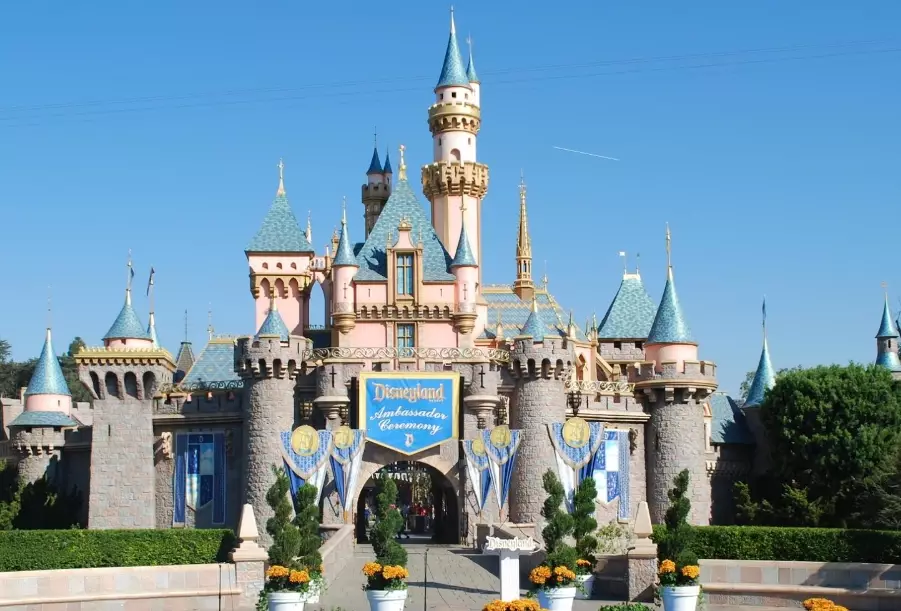
Beyond the Beaten Path: Finding Your Own California
This is my favorite part. When you get away from the tour buses, California gets really interesting.
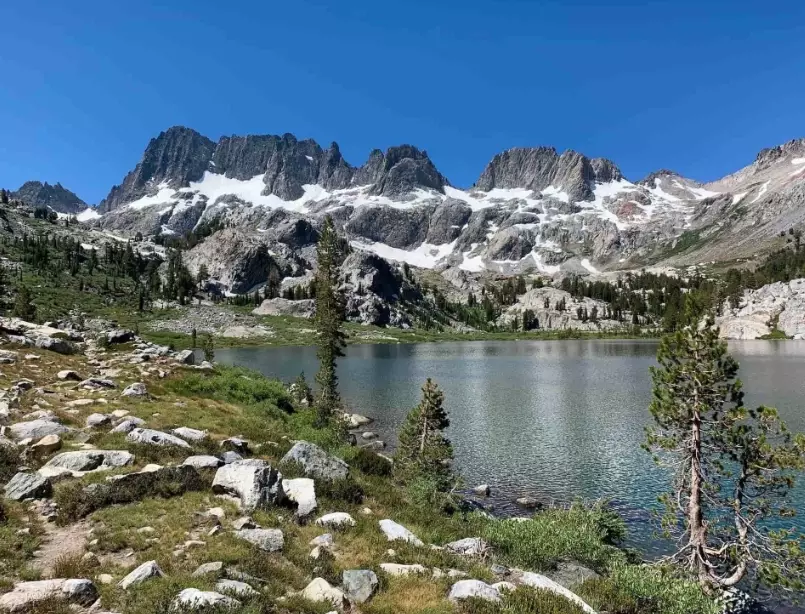
- The Eastern Sierra: While everyone flocks to Yosemite, drive the 395 highway on the east side of the Sierra. You'll see Mono Lake with its bizarre tufa towers, hike in the less-trampled but stunning Mammoth Lakes area, and in the fall, see the ancient bristlecone pine trees—the oldest living things on earth.
- Central Coast Wine Country: Napa is famous, but it's also expensive and can feel formal. The Paso Robles and Santa Barbara County wine regions are more laid-back, often with better value and stunning rolling hill scenery. You can find incredible wines without the pretension.
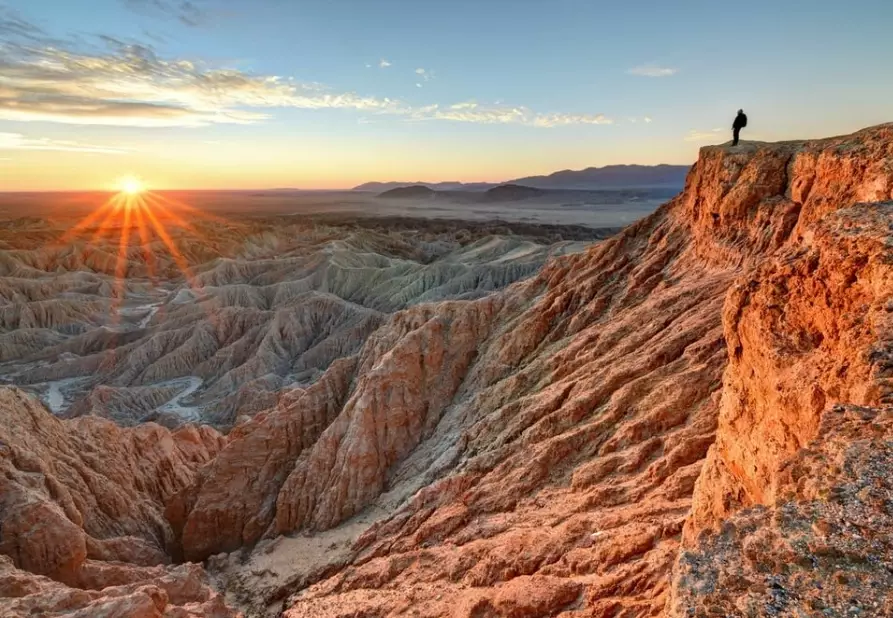
- Anza-Borrego Desert State Park: California's largest state park. In the spring after a good rain, the wildflower superbloom here is a national sensation. Even outside of spring, the metal sculpture installations (like giant dinosaurs) scattered in the desert are surreal and fun to discover.
Practical Stuff You Actually Need to Know
All the dreaming is great, but the logistics make or break a trip. Here's the real talk.
Getting Around: The Car is King (Mostly)
You will need a car. Public transport exists in cities, but to connect them and explore the natural California attractions, driving is non-negotiable. Book rental cars early, especially for peak season. Gas is expensive. Traffic in LA and the Bay Area is as bad as you've heard—avoid rush hours like the plague. For a San-Francisco-to-LA trip, flying is often faster and cheaper than driving the whole way, then rent a car in each city.
When to Go: There's No Perfect Time
This is a big one. California's climate is wildly varied.
- Coastal Areas (SF, Big Sur, LA beaches): Summers are cool and foggy. The warmest, sunniest weather is often in September and October. "Indian Summer" is real and glorious.
- Inland & Valleys (Yosemite Valley, Napa, Death Valley in winter): Summers are hot and dry. Spring and fall are ideal. Yosemite's waterfalls are most powerful in late spring (May/June).
- Southern Deserts (Palm Springs, Joshua Tree): Perfect in winter and spring. Avoid summer—it's dangerously hot.
So, "when to go" entirely depends on where you want to go. Check regional weather, not just "California weather."
Budgeting: It Adds Up Fast
California is not cheap. Accommodation, especially near major California attractions, is the biggest cost. Food and gas are pricey. Entrance fees for parks and attractions add up. My advice? Prioritize. Splurge on a memorable experience (a nice dinner, a special tour) and save elsewhere (like picnicking instead of eating out every meal, or camping instead of hotels).
Your California Attractions Questions, Answered
I get asked these all the time. Let's clear them up.
Wrapping It Up: Building Your California Story
Look, at the end of the day, the best California attractions are the ones that resonate with you. Don't feel pressured to see it all. Pick a theme—maybe a national parks deep dive, a foodie tour of the cities, or a slow coast road trip. Mix one or two iconic spots with a few off-the-radar finds.
Use resources like the official Visit California website for inspiration, but trust your own curiosity too. Sometimes the best moments come from a wrong turn, a local recommendation, or just sitting on a beach watching the sunset instead of rushing to the next thing.
California rewards the curious and the flexible. Come with a plan, but leave room for the magic to happen. That's when you'll find your own perfect list of California attractions.



Comments
Leave a Comment