Your Road Trip Blueprint
Let's be honest, the idea of a classic American road trip has a certain magic to it. It's freedom. It's windows down, music up, and the open road stretching out ahead. But when you've only got one week of vacation time, that dream can feel a bit... daunting. Where do you even start? How do you squeeze the essence of a massive country into just seven days without spending the whole time in the car?
I've been there. I've also made the mistake of trying to cram too much into a one week USA road trip and ended up more tired than when I started. The key isn't to see everything—it's to choose one incredible region and experience it deeply. That's what this guide is for. We're going to move past the generic Pinterest boards and dive into the nitty-gritty of actually planning a memorable 1 week road trip USA adventure. We'll talk routes, budgets, mistakes to avoid, and the little things that make a big difference.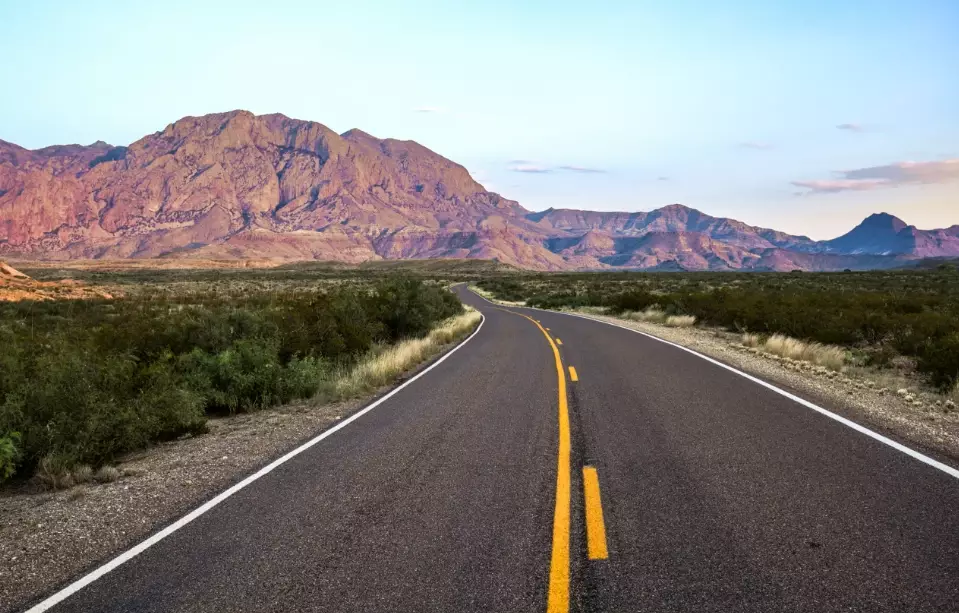
The best road trips aren't about the miles covered, but the moments collected along the way. Picking the right route for your style is everything.
First Things First: Picking Your Perfect One Week USA Road Trip Route
This is the big decision. The USA is huge, and trying to cross it in a week is a recipe for misery (trust me, I learned the hard way). Instead, focus on a cohesive region. Here are four rock-solid itineraries, each with a completely different vibe. Think about what you're really after—dramatic nature, city energy, historical charm, or coastal views?
The Classic California Coast & Redwoods
This is the postcard-perfect journey. You start in the chaos and cool of San Francisco. Walk across the Golden Gate Bridge, get lost in Chinatown, see the sea lions at Pier 39. Then you point the car south on the legendary Highway 1. The drive to Monterey is stunning, but the star is the Big Sur coast south of there. Those cliffs plunging into the Pacific? They never get old. Spend a night in a cozy cabin in Big Sur if you can swing it.
Next stop: Hearst Castle is a bizarre and fascinating detour. Then you roll into the laid-back wine country around San Luis Obispo and Santa Barbara. Your finale is Los Angeles—a beast of a city. My advice? Don't try to "do" LA. Pick one or two things: a hike to the Griffith Observatory, a day in Santa Monica, a studio tour. Trying to hit all the landmarks will just leave you in traffic hell. This route balances iconic drives with great stops, making it one of the best American road trips for first-timers.
The Mind-Blowing Southwest National Parks Loop
If your soul craves otherworldly landscapes, this is your trip. Fly into Las Vegas (yes, really). Grab your supplies, resist the siren call of the slots, and hit the road. In about 2.5 hours, you're staring into the vastness of the Grand Canyon. Spend a full day here. Hike a bit of the Rim Trail, watch the sunset, feel very, very small.
Day 3, drive to Page, Arizona. Here you have two gems: Antelope Canyon (you MUST book a Navajo-guided tour in advance) and Lake Powell. Next, Monument Valley. Those towering red buttes are exactly what you think of when you imagine the American West. The drive from there into Moab, Utah, is an attraction itself. Moab is your base for Arches and Canyonlands National Parks. Delicate Arch at sunset is a religious experience. This one week road trip USA itinerary is heavy on driving, but every mile delivers a view that looks like a movie set.
It's remote out there. Gas stations can be 100 miles apart. Fill up whenever you're at half a tank. Seriously.
The Historical East Coast Corridor
Prefer history and bustling cities over desert solitude? Start in Boston. Walk the Freedom Trail, eat in the North End. Then, drive south. You can stop in Mystic, Connecticut, for a cute seaside vibe, then continue to the non-stop energy of New York City. Again, be strategic—pick a neighborhood to explore rather than a checklist of sights.
From NYC, head to Philadelphia for cheesesteaks and the Liberty Bell, then onward to the nation's capital, Washington D.C. The amazing thing about D.C. is that the core of it—the National Mall with its monuments and the Smithsonian museums—is mostly free. You could spend three days just in the museums. This route gives you a tangible sense of American history, with manageable drives between major urban centers.
The Charming New England Fall Foliage Tour
This one is season-specific, but if you time it right (late September to mid-October), it's unbeatable. Start in Boston, then wind your way north through New Hampshire's White Mountains. The Kancamagus Highway is a designated scenic byway for a reason. Continue into Vermont, where covered bridges and farm-to-table restaurants are the norm. Burlington on Lake Champlain is a great stop.
You can loop down through the Berkshires in Massachusetts or push up into the rugged coast of Maine. Acadia National Park is a stunning finale. This trip is less about ticking boxes and more about leisurely drives, stopping at farm stands for apple cider donuts, and getting lost on backroads where every turn is a firework display of red, orange, and yellow. It's a slower, cozier kind of one week USA road trip.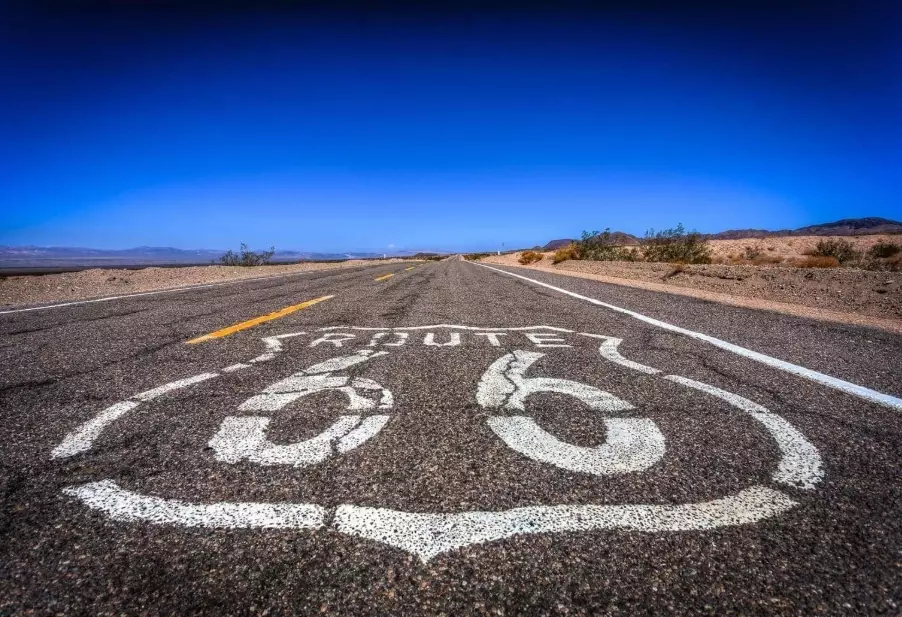
| Route | Best For | Approx. Total Drive Time | Vibe & Key Experience |
|---|---|---|---|
| California Coast | First-timers, ocean lovers, food & wine | 15-18 hours | Iconic coastal cliffs, vibrant cities, relaxed pace |
| Southwest Parks | Adventure seekers, photographers, solitude | 20-24 hours | Otherworldly geology, vast landscapes, remote feel |
| East Coast History | History buffs, urban explorers, families | 12-15 hours | Walkable cities, foundational history, less "wild" driving |
| New England Fall | Romantic getaways, leaf-peepers, quaint towns | 14-17 hours | Spectacular seasonal colors, cozy inns, pastoral scenery |
The Nuts and Bolts: Planning Your 1 Week USA Road Trip
Okay, you've got a route in mind. Now let's get practical. This is where most blogs gloss over the details, but it's the details that make or break your trip.
Budgeting Realistically: What Does a One Week Road Trip USA Actually Cost?
Let's cut through the fluff. A budget for two people can vary wildly. Are you camping or staying in hotels? Eating gas station hot dogs or trying local restaurants? Here's a realistic breakdown.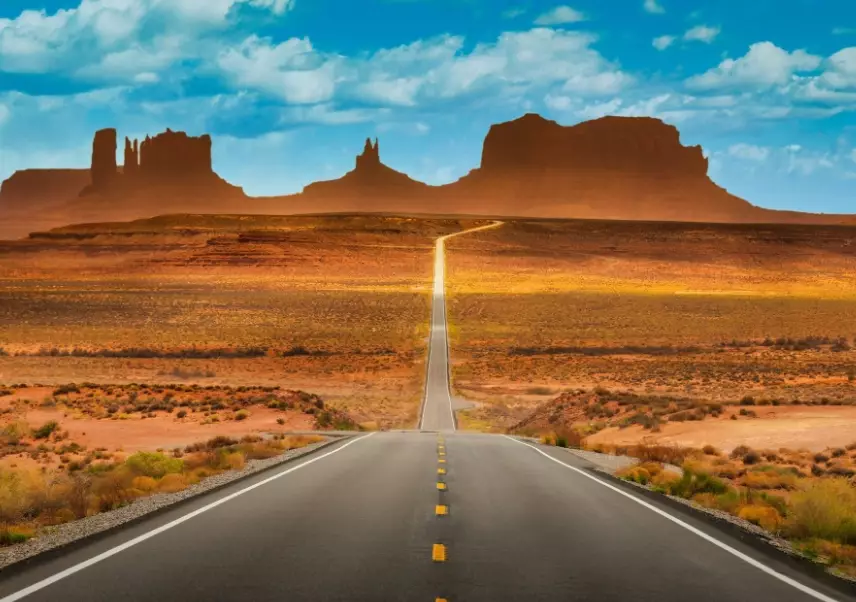
Mid-Range Budget for Two People (7 days):
- Rental Car + Gas: This is your biggest variable. A standard SUV might run $500-$700 for the week. Gas? For a 1200-mile trip at $3.50/gallon in a car that gets 25 MPG, that's about $170. So, let's say $670 total. Pro-tip: Check if your auto insurance or credit card offers rental coverage before buying the expensive policy at the counter.
- Lodging: Aiming for mid-range hotels or nice Airbnbs? Expect $120-$180 per night. For 6 nights, that's $720 to $1080. Book in advance, especially near national parks.
- Food: $80 per day for two is a comfortable mid-range (breakfast coffee/pastry, lunch sandwiches, decent dinner). That's $560. You can save by getting a cooler and making picnic lunches.
- Activities & Park Fees: National Park entry is ~$35 per vehicle (good for 7 days). Add a few paid tours or attractions. Budget $150-$250.
Rough Total: $2,100 - $2,560. Not cheap, but you can see where the money goes. You can slash this by camping, couch-surfing, or driving your own car. You can also balloon it easily with fancy dinners and luxury lodges.
My personal hack? I always stash an extra $200 in cash as an "oh-crap" fund. For a flat tire, a last-minute hotel when you're too tired to drive, or that once-in-a-lifetime helicopter tour you suddenly decide you need.
The Non-Negotiable Packing List (Beyond Your Clothes)
Forgetting your phone charger is annoying. Forgetting these items can ruin your trip.
The Road Trip Survival Kit:
- Physical Maps & Atlas: Yes, really. Cell service disappears in the mountains, deserts, and forests. A Rand McNally Road Atlas is a lifesaver. I also download offline Google Maps for my entire route as a backup.
- Cooler: A decent soft-sided cooler saves a fortune on drinks and snacks.
- Reusable Water Jugs: Hydration is key, especially in the dry Southwest. Don't rely on buying plastic bottles.
- Multi-Port Car Charger: Everyone's devices, all the time.
- Basic Tool Kit & Tire Gauge: Know how to check your tire pressure and change a flat. Your rental car's spare is often under-inflated.
- Emergency Kit: Jumper cables, flashlight, first-aid kit, blankets, non-perishable snacks (energy bars).
- Entertainment That Isn't Your Phone: Download podcasts, audiobooks, and playlists BEFORE you go. Spotty service means no streaming.
Driving in the USA: Rules & Unwritten Etiquette
If you're visiting from abroad, here's the quick rundown. We drive on the right. Speed limits are in miles per hour. Passing is generally done on the left. Right turns on red lights are usually allowed unless a sign says otherwise. In rural areas, it's common courtesy to pull over onto the shoulder if you're driving slow and a line of cars forms behind you. Let them pass.
Interstate highways (like I-95, I-10) are fast and efficient but boring. State highways and US routes (like US-101, Route 66) are slower but infinitely more scenic. For a true road trip feel, get off the interstate whenever you have time.
A Critical Safety Note:
Distances are vast. A "short detour" on the map might be 50 miles of empty desert. Always check your fuel range. Fatigue is a real killer—switch drivers every 2-3 hours. The American Automobile Association (AAA) is a fantastic resource for domestic drivers, offering maps, trip planning, and emergency roadside services.
Making the Most of Your Days: A Sample Daily Rhythm
You don't want to be a slave to a schedule, but having a loose framework prevents the "it's already noon and we're still in our pajamas" spiral. Here's what a successful day on a 1 week road trip USA looks like for me.
Morning (7 AM - 11 AM): This is prime driving or exploring time. Traffic is lighter, light is beautiful for photos, and you have energy. I try to be checked out and on the road by 8 AM. If we have a big drive (4+ hours), we knock out the first half in the morning.
Mid-Day (11 AM - 3 PM): This is when we aim to reach our main attraction or stop for the day. Hike a canyon, explore a town, visit a museum. We avoid driving during the hottest, busiest part of the day if we can.
Afternoon (3 PM - 6 PM): Either continue exploring at a leisurely pace or do a shorter drive to the next town where we're spending the night. I always try to arrive at our lodging by 6 PM. Arriving somewhere new in the dark is stressful and you miss everything.
Evening (6 PM onwards): Check in, unwind, find dinner, maybe take an evening stroll. Planning ends here. The evening is for relaxing and enjoying where you are.
See? It's not rigid, but it provides structure. The worst days are when you spend 7 hours straight in the car and roll into your hotel exhausted, having seen nothing but rest stops.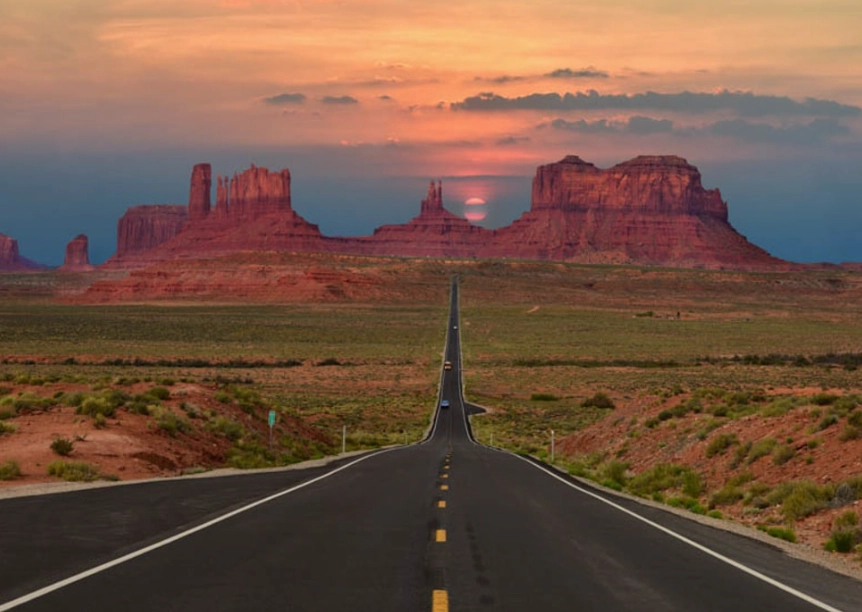
Answers to the Questions You're Actually Asking (FAQ)
These are the things people Google at 2 AM while planning.
Absolutely, but with a major caveat: You must focus on one region. One week is perfect for the California coast, the Southwest parks loop, or a New England tour. It is NOT enough for New York to Los Angeles. That's a cross-country marathon, not a vacation. A focused one week USA road trip is deeply rewarding.
It entirely depends on your route. Southwest (Arizona/Utah)? Spring (April-May) and Fall (Sept-Oct) have perfect temperatures. Summer is brutally hot. California Coast? Great year-round, but can be foggy in summer. New England? Fall for foliage, summer for lakes, avoid winter unless you're skiing. Pacific Northwest? Summer and early fall to avoid constant rain. Always check seasonal weather patterns. A National Weather Service forecast for your region is a good start.
For a one-week trip, I almost always recommend a car. RVs seem romantic but come with huge hassles: they're slow, expensive on gas, stressful to drive, and you need to book RV-specific campsites (which book up months in advance). A car + hotels/Airbnbs/campgrounds gives you way more flexibility. An RV for a week feels like you're constantly managing the RV instead of enjoying the trip.
It's a pain, and expensive. My strategy: Book lodging with included parking, even if it costs a bit more. Once parked, I don't touch the car until it's time to leave the city. Use public transit, ride-shares, or walk. Driving in downtown San Francisco, Boston, or NYC is an exercise in frustration and paying $50 for a few hours in a garage.
Probably. Tolls (especially on the East Coast), parking fees everywhere, resort fees at hotels, tips (20% at sit-down restaurants is standard), and that souvenir you didn't plan on buying. Also, if you're renting a car, they'll often try to upsell you on prepaid fuel or extra insurance you might not need. Do your homework.
Final Thoughts Before You Hit the Road
Planning a 1 week road trip USA is a balance between preparation and spontaneity. Over-plan every minute, and you'll be stressed. Under-plan, and you'll waste precious time figuring out where to sleep or eat.
Book your first and last night's lodging, and your rental car. Have a solid route mapped. Pack the essentials. Then, leave room for magic. That roadside pie stand, the detour to a waterfall a local told you about, the extra hour you spend just sitting on a canyon rim. Those are the moments you'll remember.
The open road is calling. Now you're ready to answer.
Drive safe, take lots of pictures, and don't forget to look up from the map once in a while.




Comments
Leave a Comment