Your California Journey at a Glance
Let's be honest. When you think of California USA tourist attractions, your mind probably jumps to a few postcard-perfect images. The Golden Gate Bridge shrouded in fog. A star on the Hollywood Walk of Fame. Maybe a redwood tree so tall it hurts your neck to look up.
And yeah, those are all here. But California is so much more than that. It's a state of ridiculous contrasts, where you can freeze in a mountain range in the morning and bake on a desert floor by afternoon. Planning a trip here can feel overwhelming. I've lived here for years, and I still find new corners that blow my mind. The goal of this guide isn't just to list places. It's to help you navigate the chaos and find the California that speaks to you, whether that's sipping wine in a sun-drenched valley, catching a wave, or standing in absolute silence in the middle of nowhere.
We're going to skip the fluff. I'll tell you what's worth the hype, what's secretly overrated (sorry, not sorry), and how to actually enjoy these places without spending your entire vacation in a traffic jam on the 405. Think of this as a chat with a friend who's made all the mistakes so you don't have to.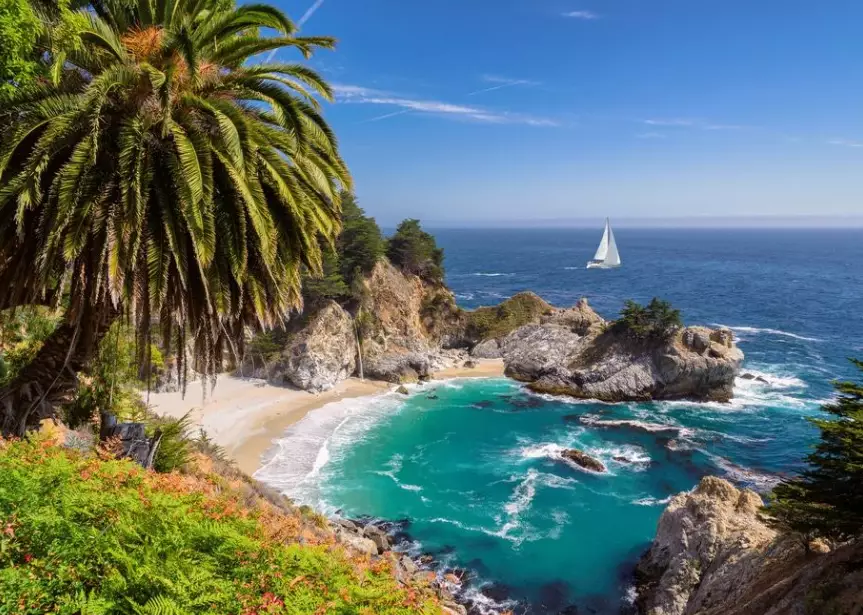
The Can't-Miss Classics (And How to See Them Right)
Okay, let's start with the heavy hitters. These are the California USA tourist attractions you've seen in a million movies. They're popular for a reason, but visiting them wrong can mean crowds, high prices, and disappointment.
Yosemite National Park
Yosemite isn't just a park; it's a feeling. That first glimpse of El Capitan or Half Dome from Tunnel View is a core memory in the making. But here's the thing: 95% of visitors crowd into Yosemite Valley, which in summer feels less like a natural wonder and more like a very scenic parking lot.
My advice? If you must go in peak season, get into the Valley at sunrise. Have breakfast watching the light hit El Capitan. Then, get out. Drive up to Glacier Point for the breathtaking overview (check the National Park Service website for road closures). Or, even better, hike one of the trails that start in the Valley but quickly leave the crowds behind, like the Mist Trail up to Vernal Fall. The sound of the water, the spray on your face—it's magical. For real solitude, aim for Tuolumne Meadows on the eastern side. It's higher elevation, with wide-open spaces and granite domes that feel like you have them to yourself.
The Pacific Coast Highway (Highway 1)
Driving Highway 1 is a rite of passage. It's not the fastest way to get anywhere, and that's the point. The classic stretch is from Monterey down to San Luis Obispo, winding past Big Sur. You'll want to stop every five minutes for photos.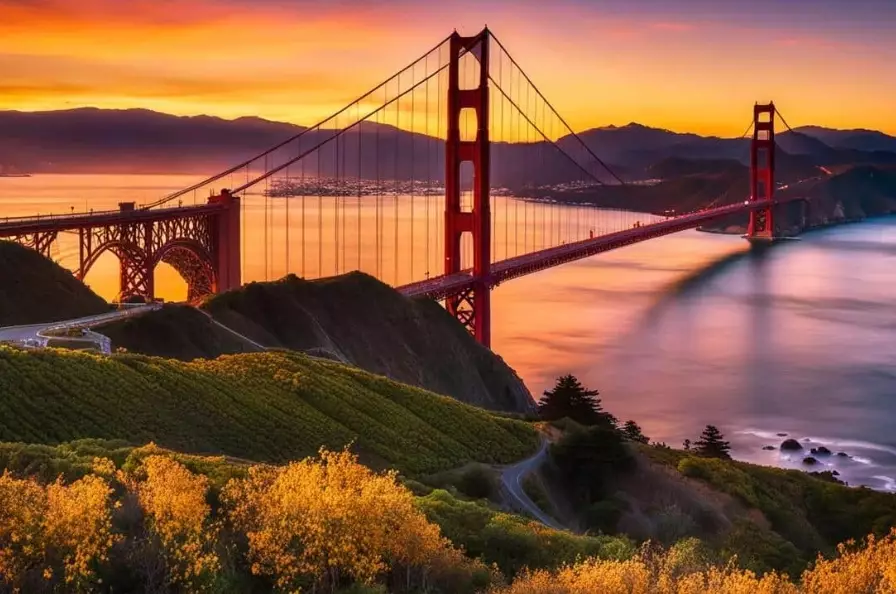
Practical tip: Drive it southbound. That way, you're in the lane closest to the ocean, and pulling into the vista points is easier and safer. Don't just stop at the marked turnouts. Places like McWay Falls (an 80-foot waterfall onto a beach) or Bixby Creek Bridge are iconic for a reason. But also pull over where it feels right, where the light hits the cliffs just so. Pack a picnic—food options are sparse and pricey once you're committed to the road. And check Caltrans for road conditions; landslides can close sections for months.
Is it just a long, windy road? Sure. But it's a road that makes you feel small in the best way possible, with the endless Pacific on one side and ancient cliffs on the other. It's one of those essential California USA tourist attractions that lives up to the dream.
San Francisco's Icons
The Golden Gate Bridge. Alcatraz. The cable cars. They're famous, but they require a game plan.
For the Bridge, don't just drive across. Walk or bike a portion of it. The perspective is completely different, feeling the vibration of the traffic, hearing the bay winds. The best views are actually from the Marin Headlands on the north side—postcard central. Alcatraz? Book your tickets weeks in advance, especially for the night tour, which is spookier and more atmospheric. The official site is Alcatraz Cruises. The audio tour, narrated by former guards and inmates, is fantastic. As for cable cars, they're slow, expensive, and packed. But riding one, hanging off the side as it climbs a ridiculous hill, is a pure joy. Do it once, at the beginning of the line, to avoid the worst crowds.
San Francisco's real charm, though, is in its neighborhoods. Getting lost in the Mission's murals, finding a quiet garden in Golden Gate Park, or watching sea lions bark at Pier 39—that's the stuff.
Beyond the Postcard: California's Diverse Regions Unpacked
California's magic is in its regions, each with a totally different personality. Picking the right one is key to a great trip.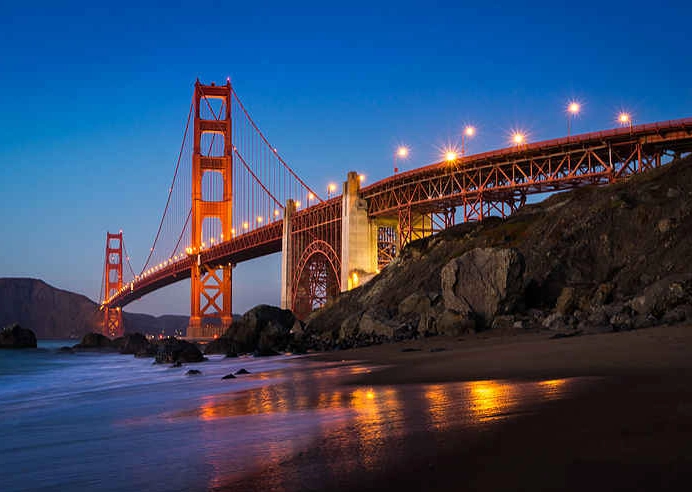
Southern California: Sun, Surf, and Spectacle
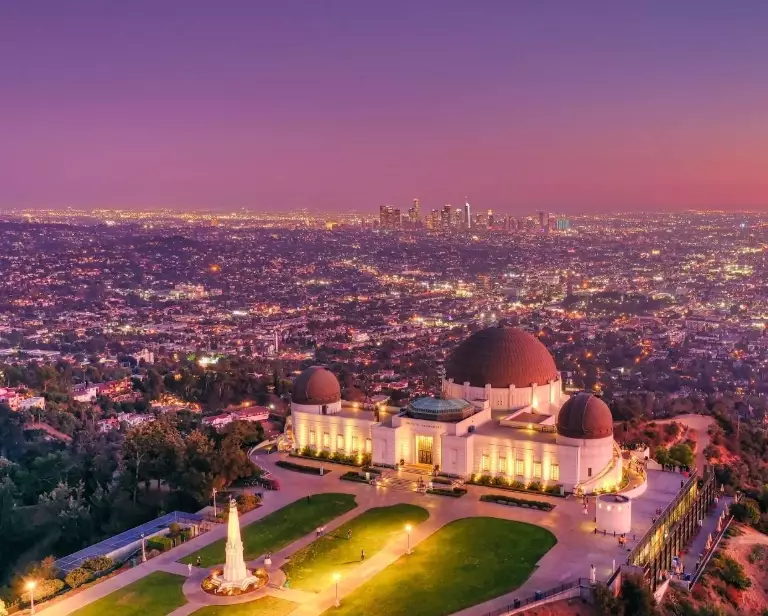
This is the California of pop culture. Los Angeles is a beast—a sprawling collection of neighborhoods, each its own village. The Getty Center isn't just an art museum; it's architectural perfection with views across the basin. Free, but requires a timed ticket. Disneyland? It's the original, and for families, it's a pilgrimage. The secret is using their app for ride wait times and mobile food ordering. It saves hours.
Down the coast, San Diego is more laid-back. Balboa Park is a cultural treasure trove of museums and gardens, and the San Diego Zoo is world-class. But my happy place in SoCal is often further out. Joshua Tree National Park, where the twisted trees look like something from a Dr. Seuss book against a boulder-strewn landscape. Go for the stars—the night sky there is unbelievable.
Central Coast & Valley: Wine, Food, and Dramatic Shores
This is my personal favorite for a relaxed pace. The stretch from Santa Barbara up through San Luis Obispo to Monterey is food and wine heaven, with scenery to match.
Santa Barbara's "American Riviera" vibe is real—red-tile roofs, white stucco, a great food scene. Further north, the towns of Paso Robles and Santa Ynez Valley are where you go for wine tasting without the Napa price tag or pretension. You'll find friendly folks in tasting rooms, fantastic Rhône-style wines, and gorgeous rolling hills.
And then there's the coast. We talked about Big Sur on Highway 1, but don't sleep on Monterey Bay. The Monterey Bay Aquarium is a masterpiece, focusing on the local marine ecosystem. Watching the sea otters play is a guaranteed mood-lifter. Cannery Row is touristy, but the aquarium is the real deal.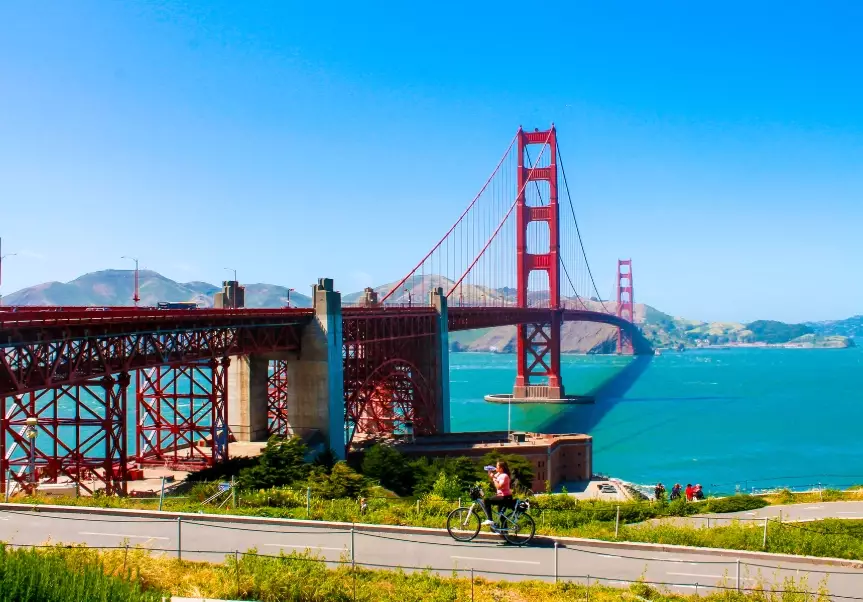
Planning Your California Adventure: The Nitty-Gritty
Knowing where to go is half the battle. The other half is figuring out the how, when, and how much.
Best Time to Visit (It's Not Just Summer)
Summer (June-August) is peak season everywhere. It's crowded, expensive, and inland areas (like the deserts and valleys) can be brutally hot. My preferred times:
- Shoulder Seasons (April-May & September-October): This is the sweet spot for most of the state. Fewer people, milder weather, and often lower prices. Wildflowers can be spectacular in spring. Fall has warm days and cool nights.
- Winter (November-March): Great for city culture (museums, restaurants) and desert regions. Ski season kicks off in the Sierra. The coast can be rainy and chilly, but also moody and beautiful. You'll find deals.
Getting Around: The Rental Car Dilemma
You will likely need a car. Public transit exists in cities but connecting between regions requires driving. A classic California road trip is the best way to see a lot. But be ready for traffic, especially around LA and the Bay Area. Avoid major freeways during rush hour (roughly 7-10 AM and 3-7 PM).
For a trip focused on, say, just San Francisco and Napa, you could manage with rideshares, tours, and the excellent Caltrain/wine train. But for exploring national parks or the coast, a car is non-negotiable.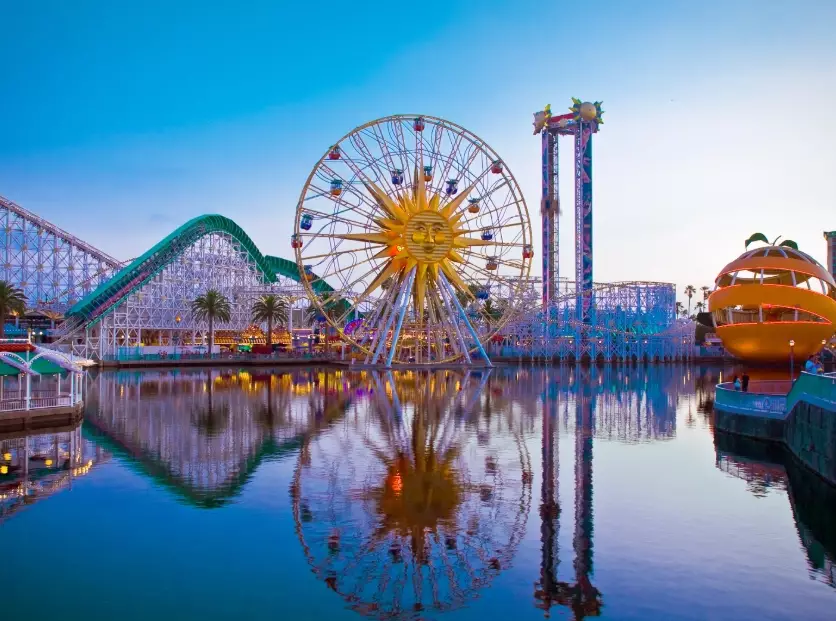
Budgeting Realistically
California can be expensive. Gas is pricier than the national average. Hotel rates in desirable areas are high. Meals add up. A rough daily budget for a couple, excluding flights, might look like this:
| Budget Style | Accommodation | Food & Drink | Activities & Transit | Notes |
|---|---|---|---|---|
| Budget-Conscious | $100-150 (motel/Airbnb) | $60-80 (mix of cooking out & casual eats) | $40-60 (parking, gas, some paid sights) | Focus on free attractions (hikes, beaches). Cook some meals. |
| Moderate | $200-300 (hotel/mid-range rental) | $100-150 (nice lunches, dinners out) | $80-120 (a few guided tours, park entry fees) | The sweet spot for most, balancing comfort and experience. |
| Higher End | $400+ (boutique/resort) | $200+ (fine dining, tasting menus) | $150+ (spa, premium experiences) | No holds barred. Wine country, coastal resorts. |
These are estimates. San Francisco and LA will be at the top of each range. Central Valley towns will be lower.
Answering Your California Questions
Here are some specific things people always wonder about when planning their California USA tourist attractions itinerary.
Putting It All Together: Sample Trip Ideas
To make this concrete, here are two classic frameworks for a first-time visit focused on California USA tourist attractions.
The Classic Coastal Road Trip (10-14 days):
Fly into San Francisco (SFO). Spend 3 days exploring the city, Muir Woods, maybe a day in Napa/Sonoma. Pick up a rental car. Drive down Highway 1 over 2-3 days, stopping in Monterey, Big Sur, San Luis Obispo. Cut inland for a day in Santa Ynez wine country. Continue to Santa Barbara for a day or two. End in Los Angeles for 2-3 days before flying out of LAX. This gives you urban energy, coastal drama, and wine country charm.
The Nature & Parks Immersion (10-12 days):
Fly into Las Vegas (often cheaper) or Los Angeles. Drive to Joshua Tree National Park for 1-2 days of hiking and stargazing. Drive up the eastern side of the Sierra Nevada, stopping at Death Valley National Park (in cooler months only!) and Mammoth Lakes. Enter Yosemite National Park from the east (Tioga Pass, open summer-fall) and spend 3 days exploring the high country and Valley. Drive across to the coast, maybe seeing the Monterey Bay Aquarium. End in San Francisco and fly out. This is for the hiker, the photographer, the person who wants epic landscapes.
Look, California can be a lot. It's big, it's loud, it's expensive, and it's occasionally frustrating. But it's also endlessly surprising. It's the smell of eucalyptus after rain, the taste of a perfect taco from a truck, the warmth of the sun on a Pacific beach in December, and the humbling silence of an ancient forest.
Forget trying to check every box. Pick the things that genuinely call to you—be it art, food, waves, or peaks—and build your trip around that feeling. Use this guide as a starting point, then go get lost in your own version of the California dream. It's out there waiting.


Comments
Leave a Comment