Quick Guide
- Understanding the American Travel Seasons
- The Cheapest Months to Travel: A Month-by-Month Breakdown
- Beyond the Calendar: Pro Strategies for Finding Cheap Travel
- Destination Deep Dives: Where to Go When
- Putting It All Together: Your Action Plan
- Frequently Asked Questions (Stuff You're Probably Wondering)
Let's be real for a second. Planning a trip to the United States can feel like your wallet is about to go on a diet it never signed up for. Between flights that cost more than your first car, hotel rooms in cities like New York that demand a small ransom, and the sheer size of the place demanding internal flights or long drives, the budget can blow up faster than a Fourth of July firework.
That's why figuring out the absolute cheapest time to travel to the USA isn't just a travel tip—it's a financial survival skill. And it's not just about picking a random month. It's a puzzle with pieces like weather, school holidays, major events, and even which specific coast or city you're targeting. What's cheap for Florida might be peak season for Colorado.
I've planned more trips across this country than I can count, both for myself and for friends visiting from abroad. I've made the mistakes of booking during spring break (never again) and scored unbelievable deals by being slightly flexible. This guide is that hard-earned knowledge, dumped onto a page to save you money and headache.
Understanding the American Travel Seasons
First things first, you gotta speak the language. The US travel calendar is split into three main seasons, and everyone's fighting over the same two.
Peak Season: This is when everyone and their grandmother wants to travel. We're talking summer (June-August), major holidays (Christmas/New Year, Thanksgiving), and spring break (March-April). Prices for everything—flights, hotels, rental cars, even some attractions—are at their highest. The weather is great in most places, but you're paying a premium for it, and dealing with crowds that can make Disneyland look tame.
Shoulder Season: The sweet spot. These are the months just before and after peak season. Think late April to early June, and September through October (though this varies hugely by region). You often get decent weather, fewer people, and significantly lower prices. This is where savvy travelers live. Finding the cheapest time to travel to the USA often means mastering the shoulder season.
Low/Off-Season: The true budget zone. This is when weather is less predictable, sometimes downright unpleasant, and most Americans aren't taking vacations. For much of the country, this is deep winter (January through early March, excluding holidays) and the sweaty, storm-prone periods in some areas. If you can handle a bit of cold, rain, or heat, your bank account will thank you.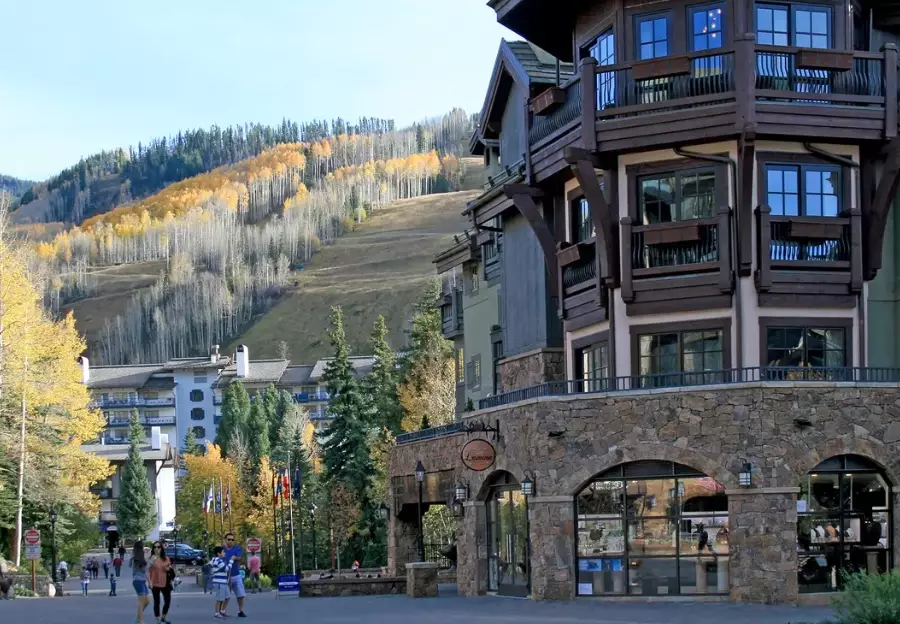
The Cheapest Months to Travel: A Month-by-Month Breakdown
Here's where we get into the nitty-gritty. This table breaks down the general vibe, pros, cons, and target destinations for each month. Remember, this is a broad overview—exceptions always exist.
| Month | Season & Typical Pricing | Key Considerations & Weather | Best For Budget Travel To... |
|---|---|---|---|
| January | Low Season (Post-Holiday Slump) | Cold almost everywhere except Florida & Southwest. Possible snow disruptions. Great for city trips. | New York, Chicago, Las Vegas, ski resorts (book early!), Southern California. |
| February | Low Season (but watch out!) | Still cold. Valentine's Day and President's Day weekends can spike prices. Mardi Gras in New Orleans = peak. | Same as January. Start of cheaper rates in some warmer spots. |
| March | Transition / Danger Zone | Spring Break chaos from mid-March. Prices skyrocket in party/family destinations. Unpredictable weather. | Avoid Florida, Mexico border towns, ski resorts. Good for Southwest parks. |
| April | Shoulder Season Begins | Easter can be pricey. Weather improving northward. Spring blooms in DC (busy). | Washington DC (post-Easter), California, the South, Southwest parks. |
| May | Prime Shoulder Season | Often perfect weather before summer humidity/crowds. Memorial Day weekend (late May) is expensive. | Almost everywhere! California, Pacific Northwest, East Coast cities, National Parks. |
| June | Peak Season Starts | School's out. Prices jump. Crowds build. Weather is great coast-to-coast. | If you must go in summer, early June is slightly better. Good for Alaska trips. |
| July | Peak Season Peak | The most expensive, crowded month. 4th of July is a huge domestic travel holiday. Hot. | Budget-buster. Consider less traditional spots like the Great Lakes or mountain towns. |
| August | Peak Season Winds Down | Still pricey and crowded, but some families travel early in the month before school. | Similar to July. Late August can see slight dips as kids go back to school. |
| September | Prime Shoulder Season (Top Pick) | My personal favorite. Crowds vanish, weather remains lovely, prices drop. Labor Day weekend is busy. | The absolute best month for National Parks, New England, California, East Coast cities. |
| October | Shoulder to Low (Regionally) | Fall foliage in Northeast = peak prices there! Otherwise fantastic. Halloween can be fun/busy in cities. | Southwest, Rockies, California, the South. Avoid New England foliage hubs on weekends. |
| November | Low Season (Pre-Holiday) | Great month for bargains. Cold sets in. Thanksgiving week (late Nov) is one of the busiest travel periods of the year. | Cities, Southwest, Southern California. Great for a cheap Vegas trip. |
| December | Low & Peak (A Tale of Two Halves) | First two weeks are some of the cheapest all year. Then, from about Dec 20th, it's the most expensive period until New Year's. | Early Dec for incredible city deals (NYC is magical and cheaper then). Avoid travel Dec 22-Jan 2. |
See the pattern? The golden windows are clear: January to early March (minus holiday weekends), late April through May, all of September, October (outside foliage hotspots), and early to mid-November and December.
Key Takeaways from the Calendar
- Winner for Best Mix of Price & Weather: May and September. Hands down. I've gotten round-trip flights from Europe to the East Coast for under $400 in September.
- Absolute Rock-Bottom Price King: January and February (excluding the days right after New Year's and holiday weekends). Flights and hotels are desperate for your business.
- Most Overrated & Expensive: July and the Christmas/New Year's period. You pay 50-100% more for the privilege of sweating or celebrating with everyone else.
- The Trap Month: March. Looks cheap on paper, then Spring Break annihilates your budget for popular sun destinations.
Beyond the Calendar: Pro Strategies for Finding Cheap Travel
Knowing the months is half the battle. The other half is how you book and move around. This is where you go from saving some money to saving a lot of money.
Flight Hacking 101
Airfare is usually your biggest cost. Here's how to tackle it.
Be Flexibile with Airports: Flying into a major hub is often cheaper, even if it's not your final destination. Want California? Check prices for Los Angeles (LAX), San Francisco (SFO), Oakland (OAK), San Jose (SJC), and even Las Vegas (LAS) if you don't mind a drive. For the East Coast, compare New York (JFK, LGA, EWR), Newark (EWR), Boston (BOS), and Washington D.C. (IAD, DCA, BWI). The difference can be hundreds of dollars.
Embrace the Layover: Non-stop flights are a luxury. A single layover, especially if it's in a hub like Atlanta, Dallas, or Chicago, can slash the price. Just make sure the layover is reasonable (2-3 hours) so you're not wasting a day.
Use Tools, But Don't Trust Them Blindly: Google Flights is your best friend. Use its date grid and price graph features. I also like Skyscanner for its "everywhere" search when I'm flexible. But here's a personal gripe—those "predictive" algorithms telling you to "book now"? They create panic. Set up price alerts and watch the trend for a week or two. I've seen prices drop after a "book now" warning.
Consider Nearby Countries: Sometimes, flying into Canada (Toronto, Vancouver) or Mexico (Cancun) and then taking a separate, cheap regional flight or bus into the US can be cheaper, especially from Europe or South America. It's more hassle, but for the budget-obsessed, it's an option.
Accommodation: Think Beyond the Hotel
Hotels in city centers will eat your budget. Here are alternatives that are often better anyway.
- Vacation Rentals (VRBO/Airbnb): Fantastic for groups or longer stays with kitchen access (saving on food costs). Look for places in residential neighborhoods just outside the main tourist zones. You get more space and often a local feel. Check cleaning fees closely—they can double the apparent cost!
- Hostels: Not just for backpackers! Many US hostels now have private rooms that are cheaper than hotels. Great for solo travelers to meet people. Cities like New York, San Francisco, Chicago, and Miami have excellent, clean hostels.
- Motels & Chain Hotels on the Outskirts: A reliable, if bland, option. A Comfort Inn or Motel 6 a 20-minute drive from downtown will cost half as much. If you have a car, this is a no-brainer.
- University Dorms: In many college towns and some big cities, universities rent out dorm rooms during summer breaks (May-August). They're basic but very cheap and often well-located. A quick web search for "[University Name] summer housing" can reveal gold.

The Ground Game: Getting Around Cheaply
The US is big. You need a plan to move.
To Rent or Not to Rent? Rental cars are expensive, especially in cities where you'll also pay $40-$60 a day for parking. Ask yourself: Is my trip focused on one or two cities? If yes, use public transit, rideshares (Uber/Lyft), and maybe one intercity bus or train. Is my trip a road trip through national parks or rural areas? Then a rental car is non-negotiable. Book it early for the best rates.
Intercity Buses are Your Friend: Companies like Greyhound and Megabus have a (sometimes unfair) bad rap. The new buses on popular routes (e.g., Boston-NYC-DC, or along the West Coast) are actually quite good—with wifi, power outlets, and reserved seating. They are exponentially cheaper than flights or trains for short-to-medium distances.
Amtrak Trains: Scenic, comfortable, but rarely the cheapest option. However, if you book far in advance, you can get "saver" fares that are competitive. The views on routes like the Coast Starlight (LA to Seattle) or the California Zephyr (Chicago to San Francisco) are part of the experience. Check Amtrak's website for deals and multi-ride passes.
Budget Airlines for Long Hops: For crossing the country, check carriers like Southwest (bags fly free!), JetBlue, and Alaska Airlines. They often have sales. Remember to factor in the cost of getting to/from their sometimes-secondary airports.
Destination Deep Dives: Where to Go When
Let's get specific. The cheapest time to travel to the USA looks different in Miami than in Montana.
Big Cities (New York, Chicago, Los Angeles, San Francisco)
Cheapest Time: Winter (Jan-Feb, excluding holiday weeks). It's cold, but the cities are alive indoors. Hotel prices plummet, Broadway shows have lotteries and rush tickets, and museums are less crowded. I once got a 4-star hotel in Midtown Manhattan in February for the price of a hostel in July.
Shoulder Season Sweet Spot: Late April-May, and November (pre-Thanksgiving). December 1-20 is also magical and relatively affordable.
Avoid: Summer (high prices, hot and humid in NYC/Chicago), Thanksgiving weekend, Christmas to New Year's.
National Parks & Natural Wonders (Grand Canyon, Yellowstone, Yosemite, Utah)
Cheapest Time: Late Fall to Early Spring (Nov-Apr). This is the definitive answer for the cheapest time to visit many national parks. Lodges inside parks are cheaper, and there are no entrance fee crowds. BUT—and it's a big but—many roads, facilities, and visitor centers are closed due to snow. Always check the National Park Service website for the specific park you want.
Shoulder Season Sweet Spot (Best Balance): September and October. Crowds from summer have left, the weather is still pleasant, and most services are open. April and May can be good too, but watch for melting snow and mud.
Peak (and Most Expensive): June through August. Accommodation books up a year in advance, prices are at their peak, and popular trails feel like highways.
Beach & Sun Destinations (Florida, Southern California, Hawaii)
Cheapest Time: Late Spring (May) and Fall (September-October). You avoid the brutal summer crowds and prices, and the hurricane/summer heat peak. The water is still warm. This is arguably the perfect cheapest time to travel to USA beach spots.
Low Season (Risky but Cheap): Winter for Florida (still warm, less crowded), and the hurricane season months (Aug-Oct, though risk peaks Sept-Oct). You can get insane deals, but you need travel insurance that covers weather disruptions.
Absolute Peak & Most Expensive: Summer (families), Spring Break (March), and Christmas/New Year's.
Putting It All Together: Your Action Plan
- Pick Your Priorities: What matters more—perfect weather or perfect price? Seeing one place deeply or several places cheaply?
- Identify Your Target Zone: Choose a region (e.g., Southwest, Pacific Northwest, Northeast Corridor).
- Consult the Month-by-Month Table: Cross-reference your desired region with the cheapest months.
- Get Flexible with Dates: Use Google Flights' flexible date search. Even shifting your trip by 3 days can save 30%.
- Book in This Order (Usually): 1) Flights (most volatile). 2) Rental Car (if needed, also volatile). 3) Accommodation. Book key national park lodges as early as possible, city hotels can sometimes wait for a last-minute deal.
- Budget for Hidden Costs: Tipping (15-20% at restaurants), sales tax (added at register, not on price tags), rideshares, resort fees (a nasty hotel surcharge in places like Vegas and Hawaii).
Frequently Asked Questions (Stuff You're Probably Wondering)
Figuring out the cheapest time to travel to the USA requires a bit of homework and a lot of flexibility, but the payoff is huge. You're not just saving money; you're often getting a more authentic, less crowded, and more enjoyable experience. You see the country not through a sea of selfie sticks, but at its own pace. Target those shoulder months, be smart about how you book, and your dream US trip becomes a lot more affordable.
Honestly, after writing all this, I'm tempted to look for a last-minute deal to somewhere in January myself. Maybe New Orleans. The flights are probably dirt cheap.





Comments
Leave a Comment