Your Quick Guide
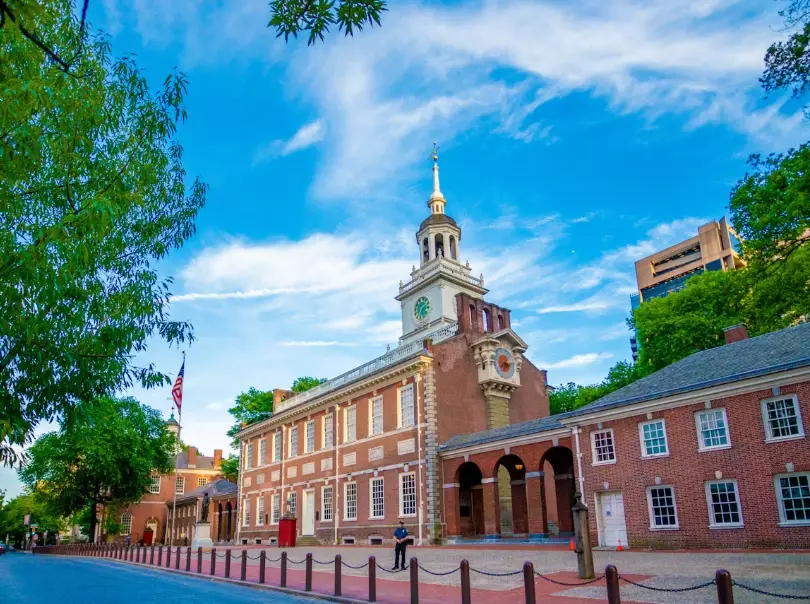
Let's be honest. You've seen the pictures. You know it's important. But standing there, looking at the modest brick building on Chestnut Street, it can be hard to connect the dots. This isn't a grand palace or a towering cathedral. It's a former state house. So why do millions of people, from school kids to history buffs, make the pilgrimage to Independence Hall Philadelphia every single year?
The answer isn't in the architecture, though it's lovely Georgian-style work. It's in the air. It's in the feeling you get when you walk across the same wooden floors where a group of flawed, brilliant, and terrified men argued, wrote, and ultimately signed a document that told a king they were done. They were creating a country from scratch. And they did it right here.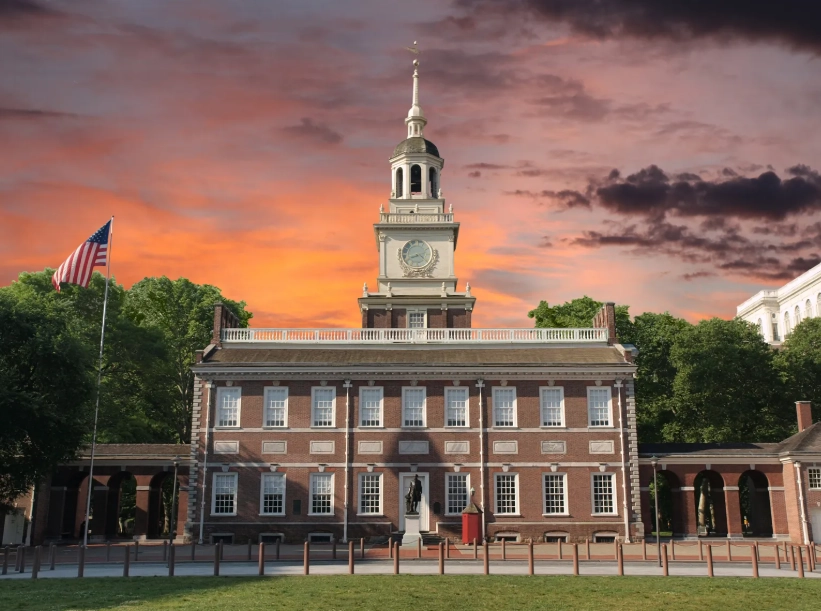
I've been multiple times – once as a kid on a field trip (bored out of my mind), and later as an adult with a much deeper appreciation. The second visit hit differently. This guide is everything I wish I'd known before going, mixed with the historical context that makes the place come alive. We'll cut through the tourist fluff and get to the heart of visiting Independence Hall Philadelphia.
Getting Your Hands on Independence Hall Tickets: The Real Deal
This is the part that causes the most confusion and frustration. You can't just walk in. Let's break it down simply.
All tours are managed by the National Park Service, and they are the only official source for timed entry tickets. From March through December, you must have a ticket for a specific tour time. In January and February, tickets are not required, but you still join a guided tour.
Here’s the kicker: the famous “free tickets” have a catch. They are free, yes, but they are limited and require planning.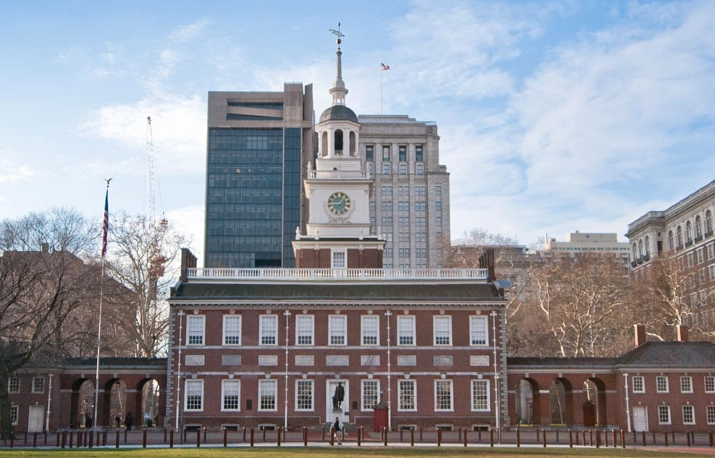
So, what are your real options? Let's lay them out clearly.
| Ticket Method | How It Works | Cost | Best For... | The Downside |
|---|---|---|---|---|
| Online Reservation (The Safe Bet) | Book a timed entry ticket in advance at Recreation.gov. A $1.00 per ticket reservation fee applies. | $1.00 fee per ticket | Everyone, especially families and those with limited time. This is the #1 recommended method. | You need to plan ahead (up to 90 days). The fee, while tiny, surprises some expecting "completely free." |
| Same-Day Walk-Up (The Gamble) | Get free tickets on the day of your visit at the Independence Visitor Center (6th & Market St). First-come, first-served. | Free | Spontaneous visitors with flexible schedules who can arrive very early. | High chance of disappointment. Long lines. May waste a morning waiting with no guarantee. |
| Ranger Walk-Up (Winter Only) | From Jan-Feb, no tickets needed. Just show up and join the next scheduled tour. | Free | Winter travelers. A much more relaxed experience. | Only available during two colder months. |
| Philadelphia Pass | Some city tourist passes include a reserved tour time for Independence Hall. | Bundled in pass cost | Tourists planning to see multiple paid attractions anyway. | Only cost-effective if you use the pass for other sites. |
My personal take? Just pay the dollar. Seriously. The peace of mind of having a guaranteed entry time for your visit to Independence Hall Philadelphia is worth more than a dollar. I tried the walk-up method once in July and spent 45 minutes in line only to get a tour time for 4:15 PM, which threw off my whole day. Never again.
What You Actually See on the Tour
The tour lasts about 15-20 minutes inside, led by a National Park Ranger. It moves quickly, but the rangers are fantastic – ask them questions! You'll see two main rooms.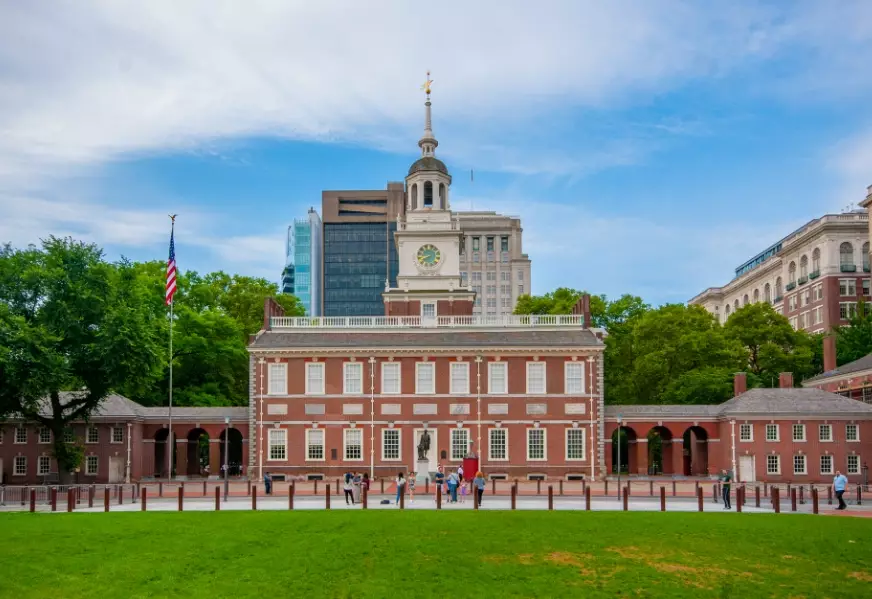
The Assembly Room (The Big One)
This is the main event. The room is set up as it might have looked in 1787 during the Constitutional Convention. You'll see the rising sun chair where George Washington presided. The inkstands. The tables.
The ranger will point out where key figures like James Madison and Benjamin Franklin sat. It feels… smaller than you imagine. More intimate. That's what struck me. The arguments about states' rights, representation, and executive power happened in this confined space. You can almost feel the tension and the heat of a Philadelphia summer with the windows closed for secrecy.
The Pennsylvania Supreme Court Room
Upstairs, you'll visit a courtroom. This reminds you that Independence Hall was a working government building for the Colony (and later State) of Pennsylvania. It wasn't built to be a shrine. It's where real people dealt with real crimes and disputes. The tour here is shorter but gives context to the building's daily use.
Note: Access to the famous Long Gallery (the banquet hall) and other second-floor spaces can vary. Sometimes they're open, sometimes not. Don't base your entire expectation on seeing them.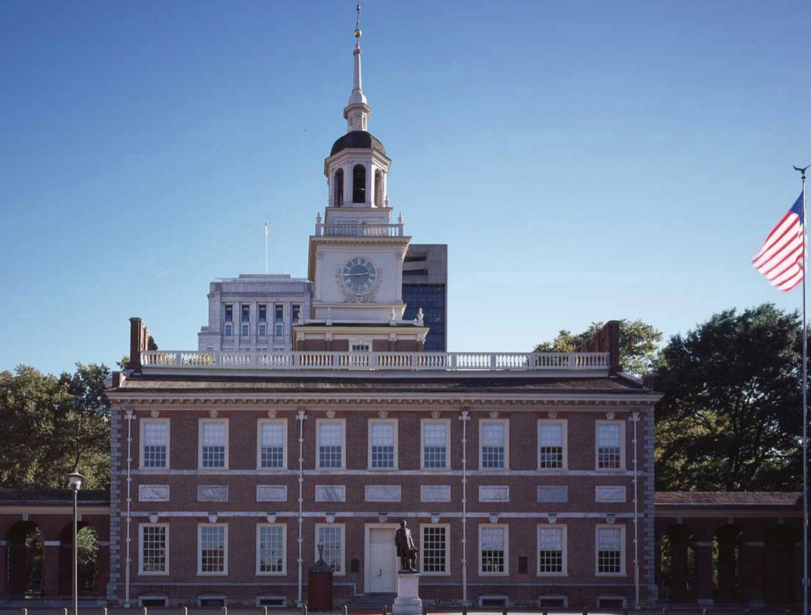
Beyond the Tour: The Independence National Historical Park
Independence Hall Philadelphia is the crown jewel, but it sits within the Independence National Historical Park (often called "America's most historic square mile"). Your ticket time gives you a window to explore this area. Don't just do the tour and leave.
Make a day of it. Here's your game plan:
- The Liberty Bell Center: It's free, no ticket needed. Just walk in. See the iconic crack and read its powerful history from abolitionist symbol to international icon. The line looks long but moves fast.
- Congress Hall: Right next door to Independence Hall. This is where the U.S. Congress met from 1790-1800 when Philadelphia was the capital. Free tours are offered regularly. It's often less crowded and just as historically rich.
- Franklin Court: A really cool, imaginative tribute to Benjamin Franklin. You can see the foundations of his house, a working post office, and a fantastic underground museum. Great for kids.
- Museum of the American Revolution: (A few blocks away, paid entry). If you want the deep, immersive context for what happened at Independence Hall, this museum is world-class. It's not NPS-run, but it's absolutely worth it.
The History That Isn't Just Dates and Names
We know the what: Declaration in 1776, Constitution in 1787. But the how and why are messier, more human, and more fascinating.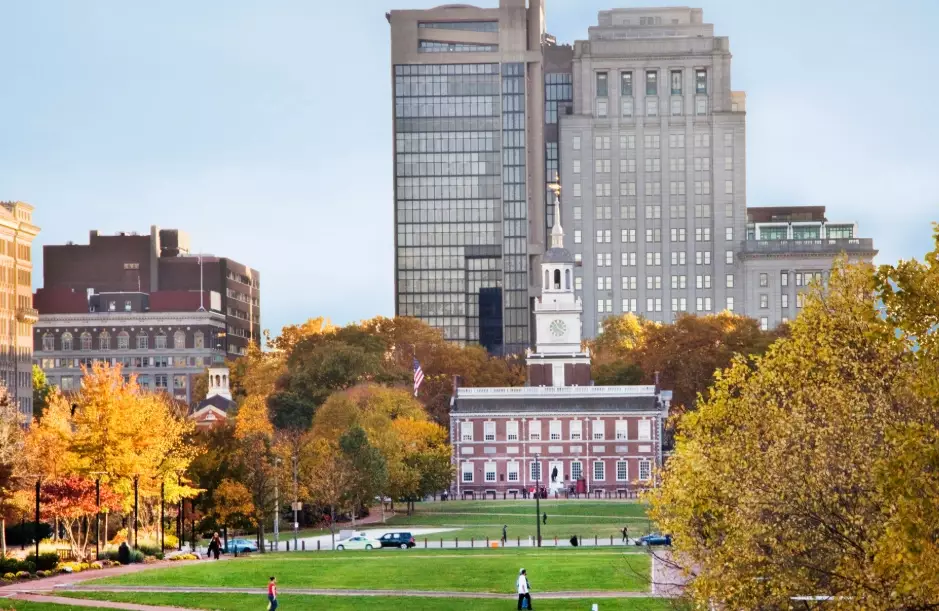
Independence wasn't a foregone conclusion in 1776. Many delegates to the Continental Congress were there to negotiate better terms with Britain, not to break away. The debate was fierce. The vote for independence was not unanimous at first. Walking through Independence Hall Philadelphia, you're standing where men like John Dickinson of Pennsylvania argued passionately *against* independence, fearing chaos and failure.
And then, eleven years later, they were back. The Articles of Confederation (the first constitution) were a disaster. The country was falling apart. So they convened again, in secrecy, to scrap it and start over. The Constitutional Convention was an even bigger gamble. They had no legal authority to write a new constitution! They claimed they were just revising the Articles, then locked the doors and got to work.
Think about the conflicts right there in the room: Big states vs. small states (solved by the bicameral Congress). North vs. South on slavery (a tragic compromise that embedded the institution). Federal power vs. state power. The documents born here are brilliant, but they are also products of messy, difficult, and often unsatisfying political deals. That's real history.
For incredible primary sources and deeper dives into these debates, the National Archives website is an unbeatable resource. Seeing the original documents after visiting the room where they were created is a powerful one-two punch.
Practical Tips for a Smooth Visit
Let's get logistical. Philadelphia can be hot, crowded, and confusing. A little prep goes a long way.
- Security: There is airport-style security screening to enter Independence Hall and the Liberty Bell Center. Leave big bags at your hotel. Small purses and backpacks are fine, but they will be scanned.
- When to Go: Weekdays are always better than weekends. Mornings are better than afternoons. The absolute best times? A weekday in September/October or April/May. The weather is pleasant, and summer crowds have thinned. Winter (Jan-Feb) is cold but wonderfully empty.
- What to Wear: Comfortable shoes. You'll be standing on old wood floors during the tour and walking on brick sidewalks outside. The buildings are old and not always perfectly climate-controlled—layer your clothing.
- Parking: A nightmare and expensive. Use public transit. The SEPTA Market-Frankford Line stops at 5th Street/Independence Hall. Or take a bus, taxi, or ride-share. If you must drive, use a parking garage near the Visitor Center and budget $20-$30 for the day.
- Time Budget: Give yourself at least 3-4 hours for the Independence Hall tour and exploring the immediate park sites (Liberty Bell, Congress Hall). A full day if you want to add other museums.
Answers to Questions You're Probably Asking (FAQ)
Let's tackle the common stuff head-on.
The Takeaway: More Than Just a Building
Visiting Independence Hall Philadelphia isn't about checking a box on a tourist list. It's an opportunity to stand at a physical starting point. The ideas debated and adopted here—representative government, individual rights, federalism—rippled out to change the world. They are still being argued about today, which is exactly what the framers intended.
The building itself is beautiful in its simplicity. But its power comes from understanding what happened within its walls. A little preparation—getting that ticket, reading up beforehand—transforms the visit from a quick walk-through into a meaningful experience.
Go. Stand in the Assembly Room. Look at the chair with the carved sun on the back, which Benjamin Franklin wondered if it was a rising or setting sun. He decided it was rising. After your visit to Independence Hall Philadelphia, you might just agree with him.


Comments
Leave a Comment