Quick Guide
Let's cut straight to the chase. You're probably sitting there, application forms open in another tab, wondering about the total damage to your wallet. How much is the US visa fee now? It's the first real step in the process, and honestly, it can feel like navigating a maze where the rules change depending on which door you pick.
I remember helping a friend with his B1/B2 application last year. We spent a good hour just trying to confirm the exact amount he needed to pay, sifting through outdated blog posts and confusing embassy pages. The anxiety of paying the wrong fee and having your application rejected is real—and a huge waste of time and money.
So, I've put together this detailed guide to clear the fog. We'll go beyond just a number. We'll break down every possible cost, show you exactly where and how to pay, and highlight the sneaky pitfalls most people don't see coming. Consider this your one-stop reference, written in plain English, to get your finances sorted for the visa application.
The Complete Breakdown: Every Fee You Might Encounter
Asking "how much is the US visa fee now?" is like asking how much a car costs. The answer varies wildly. The US Department of State's Bureau of Consular Affairs sets the primary fees, and they differ by visa category.
Here’s the main table you need. Bookmark this.
| Visa Category | Common Visa Types | Current Fee (USD) | Primary Purpose |
|---|---|---|---|
| Nonimmigrant Visas | B1/B2 (Visitor), F1 (Student), J1 (Exchange), H1B (Work) | $185 | MRV Application Processing |
| Petition-Based Visas | H, L, O, P, Q, R categories | $205 | MRV Fee + Additional Processing |
| E Visas (Treaty Traders/Investors) | E1, E2 | $315 | Higher processing due to treaty verification |
| K Visas (Fiancé(e)) | K-1 | $265 | Petition and application processing |
| Immigrant Visas (Green Card) | Family & Employment-based | $325 | Application Processing Fee (IV Fee) |
See? The standard $185 fee applies to a huge chunk of applicants—tourists, business visitors, students, and exchange visitors. But if you're coming on a company transfer (L visa) or a specialized work visa (H, O, P), you're looking at $205. And the K-1 fiancé visa has its own unique rate.
It's crucial to check the official US Visa Fees page on the Department of State website for the absolute latest and most authoritative list. They update it, though not too frequently.
The "Hidden" (But Not Really) Mandatory Fees
This is where people get tripped up. The MRV fee is just the entry ticket. For many applicants, there are one or two more mandatory payments.
- SEVIS Fee (For F, M, and J visa applicants): If you're applying for a student (F/M) or exchange visitor (J) visa, you must pay the SEVIS (Student and Exchange Visitor Information System) fee to the Department of Homeland Security. This is separate and paid before your visa interview.
- F/M Students: $220 (most F-1 applicants).
- J Exchange Visitors: $220 (most J-1 applicants). Some government-sponsored J-1 participants are exempt.
- SEVIS I-901 Fee payment is made online via the FMJfee.com website. Keep the receipt!
- Fraud Prevention and Detection Fee (For certain petition-based visas): Applicants for H, L, O, P, and Q visas must pay an additional $500 Fraud Prevention and Detection Fee. This is typically paid by the US employer or petitioner, but it's a cost associated with the visa. So for an H-1B, the total fees owed by someone could be $205 (MRV) + $500 = $705, though the latter is often covered by the company.
So when you're budgeting, you must ask: "How much is the US visa fee now for my specific situation?" Add up the layers.
How and Where to Pay Your US Visa Fee: A Step-by-Step Walkthrough
The process isn't just a simple online checkout. It's tied to your application profile and varies by country. Here's the universal flow.
Step 1: Complete the DS-160 Form
This is your online nonimmigrant visa application. You must finish it and get your DS-160 confirmation barcode number before you can pay. The form is on the Consular Electronic Application Center website. Take your time; mistakes can be costly.
Step 2: Create a Profile on the U.S. Visa Information and Appointment Services Website
This is a country-specific portal. For applicants in China, you'd use the CGI Federal system. In India, it's the US Travel Docs website. You'll enter your DS-160 number here.
Step 3: Pay the MRV Application Fee
This is the core answer to "how much is the US visa fee now?"—the payment act. The methods differ, but common options include:
- Online Banking/Bill Pay: Often the easiest. You get a reference number from the profile, log into your bank, and pay it like a utility bill.
- Debit/Credit Card: Sometimes available directly on the portal.
- Cash at Designated Banks: In many countries, you can take your payment reference to a specific bank (like ScotiaBank in Canada or Axis/Citibank in India) and pay cash.
- Mobile Payment: In some locations, options like Alipay are integrated.
The system needs time to register your payment—usually 24 hours, but sometimes up to a few business days. Only after it's confirmed can you move to the final step.
Step 4: Schedule Your Interview Appointment
Once your fee is "paid" in the system, you can book your interview slot. Popular consulates (like Mumbai, Shanghai, Mexico City) often have long wait times. Schedule as soon as your payment clears.
It feels bureaucratic, I know. But following the sequence is non-negotiable.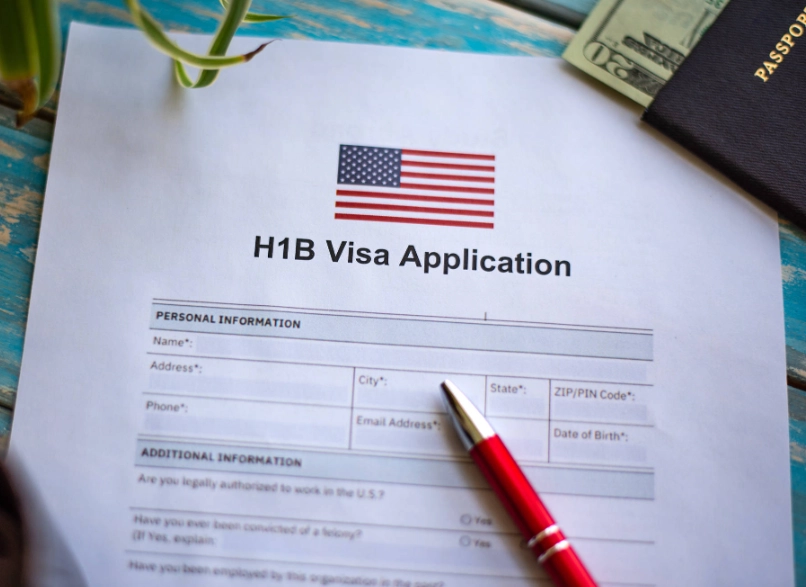
Big Questions Everyone Asks (But Is Afraid to Google)
Let's tackle the real-world concerns that keep applicants up at night.
This is the toughest pill to swallow. No. The MRV application fee is a processing fee, not a guarantee-of-approval fee. Whether you get the visa or not, the U.S. government has processed your application, and the fee is non-refundable. The same goes for the SEVIS fee for students/exchange visitors, with only very rare exceptions (like a duplicate payment).
It feels unfair, but that's the policy. It underscores why your application needs to be thorough and convincing.
Usually, yes, but the exchange rate is locked. The fee is set in U.S. dollars. When you pay through the local bank or portal, they will convert the $185 (or other amount) to local currency at a pre-set consular exchange rate. You'll pay the local equivalent. Check your specific appointment website for the exact amount in your currency.
Your MRV fee payment is typically valid for one year from the date of payment. You must schedule and complete your interview within that year. If you don't, the fee expires, and you'll have to pay again. Don't let that happen—mark your calendar.
Yes, regardless of age, every applicant requiring a visa must pay the full application fee. There's no "child discount." So a family of four applying for tourist visas is looking at $185 x 4 = $740 in just MRV fees.
You're protected. If you have already paid the fee at the previous rate, you will not be asked to pay the difference. Your payment is valid for the service. Fee increases usually have a clear effective date, and payments made before that date are honored.
Beyond the Fee: The Real Cost of a US Visa Application
Focusing solely on "how much is the US visa fee now?" gives an incomplete financial picture. The government fees are just one part. To budget realistically, consider these often-overlooked costs:
- Photographs: You need specific, compliant passport photos. Studio costs vary.
- Document Translation & Certification: If your supporting documents (birth certificates, marriage certificates, bank statements) are not in English, you may need professional translations.
- Courier/Passport Return Fees: Many posts use a premium delivery service to return your passport with the visa, which can cost $20-$50 extra.
- Travel to the Interview: For many, the nearest US Embassy or Consulate is in another city. Factor in flights, trains, hotels, and meals. This can easily be the largest expense.
- Medical Examinations (Immigrant Visas only): Required for green card applicants and conducted by authorized physicians, costing several hundred dollars.
When you add it all up, the total out-of-pocket for a nonimmigrant visa can easily double or triple the base MRV fee, especially when travel is involved.
Common Pitfalls and How to Dodge Them
Based on countless stories and forum threads, here are the top mistakes people make with the fee process.
- Paying the Wrong Amount: Double, triple-check your visa category. Paying $185 for a visa that requires $205 will cause delays or require an extra payment, complicating everything.
- Using the Wrong Payment Method: See that warning box above? Heed it. Only use the methods listed on your official country-specific appointment website.
- Not Printing/Saving Every Receipt: Save digital copies and print physical copies of your DS-160 confirmation, MRV fee payment receipt, SEVIS fee receipt (if applicable), and appointment confirmation. Bring them all to the interview.
- Waiting Too Long to Schedule After Payment: Remember the 1-year validity. Don't pay and then sit on it for 11 months. Life gets busy, slots fill up.
- Assuming the Fee is the Final Cost: As we just discussed, budget for the whole journey, not just the government's slice.
Honestly, the system isn't designed to be user-friendly. It assumes a level of diligence. A little paranoia with your paperwork and payments goes a long way.
Final Checklist Before You Pay
Let's bring it all together. Before you enter your card details or walk into that bank, run through this list:
- ✅ I have correctly completed the DS-160 and have my confirmation number.
- ✅ I have confirmed my exact visa category and the corresponding current fee on the State Department website.
- ✅ I have checked my country-specific appointment site for the exact local currency amount and approved payment methods.
- ✅ (For F, M, J applicants) I have paid my SEVIS I-901 fee and have the receipt.
- ✅ I understand this fee is non-refundable, regardless of the visa decision.
- ✅ I have budgeted for additional costs (photos, travel, courier).
If you can tick all those boxes, you're ready. You're now equipped with a clear, comprehensive answer to "how much is the US visa fee now?" that goes far beyond a simple number.
The cost is a significant part of the process, but it's a step you can get perfectly right with careful attention. Pay the correct fee, through the correct channel, keep your receipts, and you've cleared one of the major administrative hurdles. Then you can focus your energy on preparing a strong application for the interview itself.
Good luck with your application!






Comments
Leave a Comment