Quick Navigation
Let's cut to the chase: the best time to visit California isn't a single month. It's a moving target based on weather, crowds, and what you want to do. After a decade of hopping between San Diego redwoods and Death Valley dunes, I've learned that spring and fall usually win—mild temps, fewer tourists, and decent prices. But if you're after ski slopes or empty beaches, you might pick winter or summer. This guide dives into the nitty-gritty, so you can plan a trip that fits your style without the guesswork.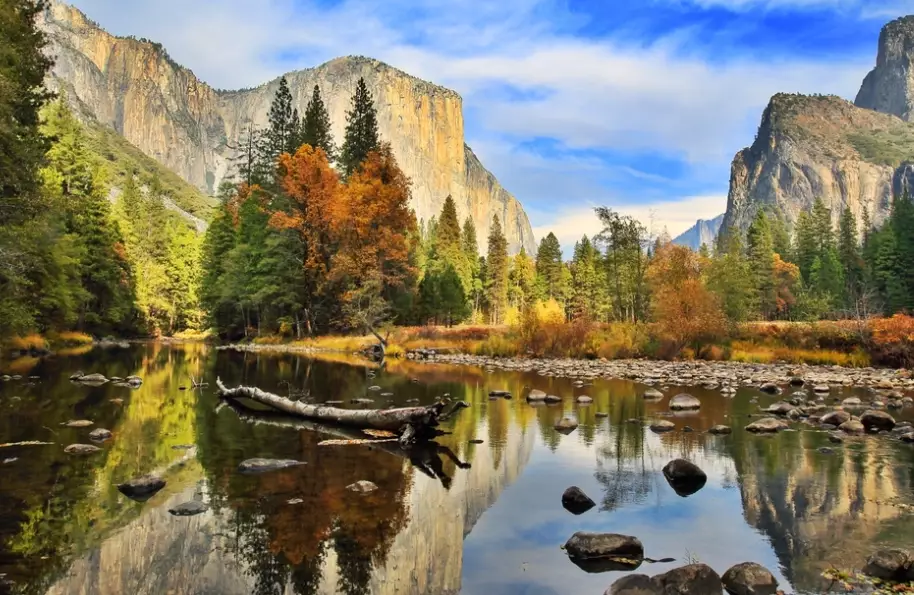
Understanding California's Climate Zones
California isn't one place weather-wise. It's a patchwork of microclimates that can fool you. Drive from foggy San Francisco to sunny Sacramento in two hours, and you'll see what I mean.
The North-South Divide
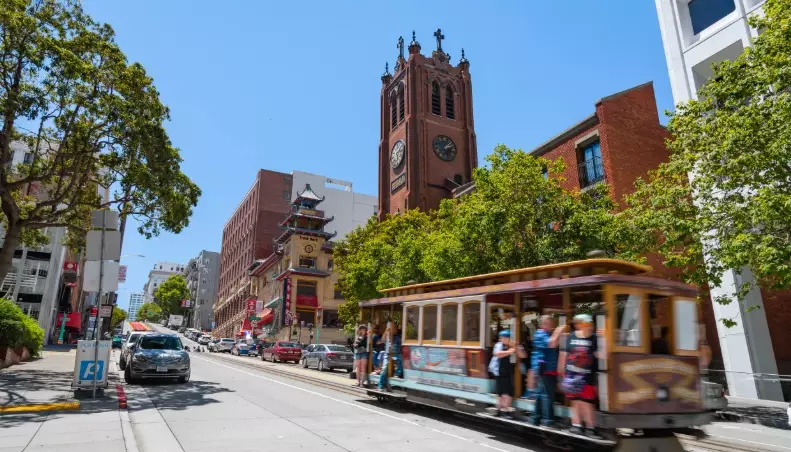
Northern California, think San Francisco up to Oregon, tends to be cooler and foggier, especially in summer. Southern California, from Los Angeles down, is warmer and sunnier year-round. But that's oversimplified. The coast always moderates temperatures—Santa Monica might be 70°F while Bakersfield hits 95°F on the same July day.
Microclimates Explained
Coastal areas like Monterey Bay have marine layers that burn off by afternoon. Inland valleys (e.g., Napa) get hot summers but crisp falls. Mountains (Sierra Nevada) see snow from November to April. Deserts (Mojave) swing from freezing nights to scorching days. I once packed for beach weather in Palm Springs in December and ended up buying a jacket—nights drop to 40°F. Check regional forecasts, not just state-wide.
Best Time to Visit by Season
Here's a season-by-season breakdown. I'll include specific spots and why they shine or flop.
Spring: Wildflowers and Mild Weather (March to May)
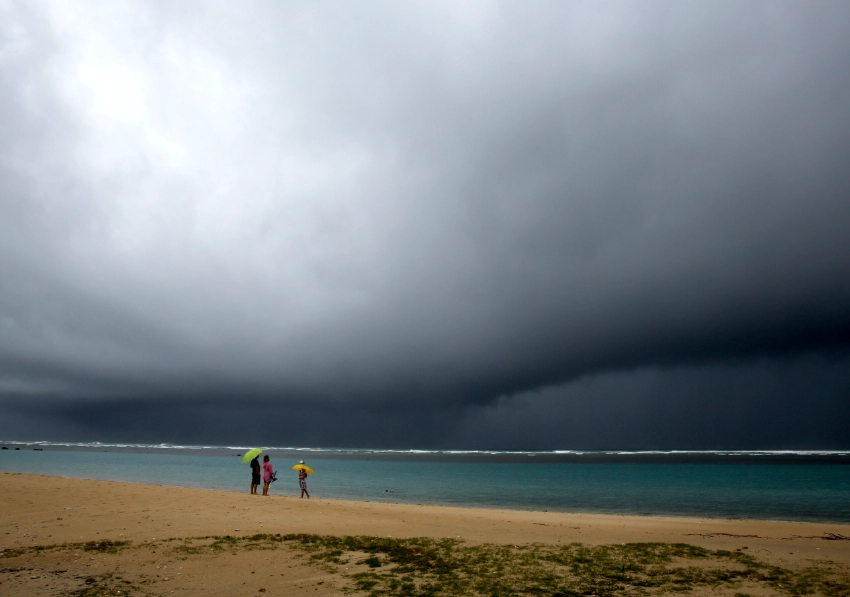
Spring is my top pick for balance. Temperatures range from 60s°F to 70s°F statewide. Wildflowers explode in places like Antelope Valley California Poppy Reserve (best time: late March to April, entry fee: $10 per vehicle). Crowds are thinner before summer break. Downsides? Coastal rain can linger—pack a rain jacket for San Francisco. I visited Big Sur in April, and the cliffs were green, waterfalls gushing, with only a handful of photographers around.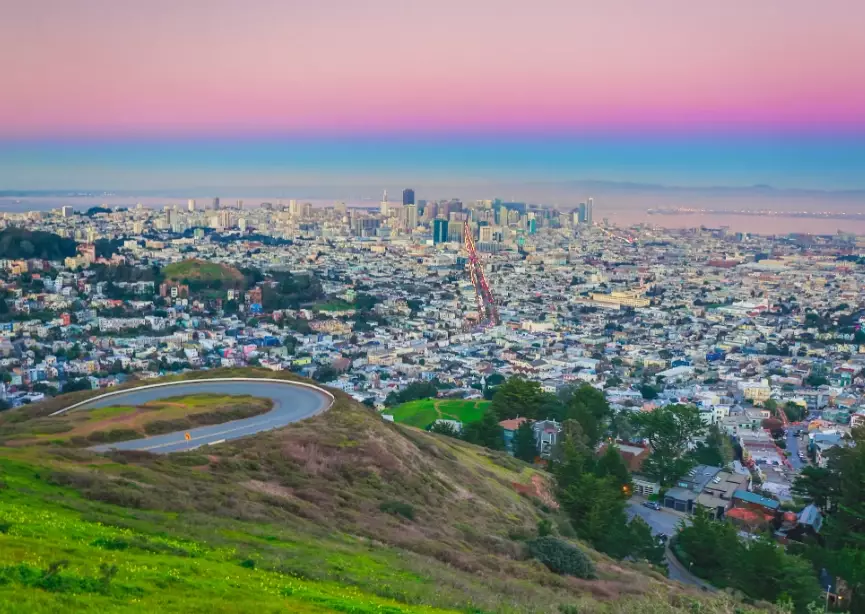
Summer: Beaches and Crowds (June to August)
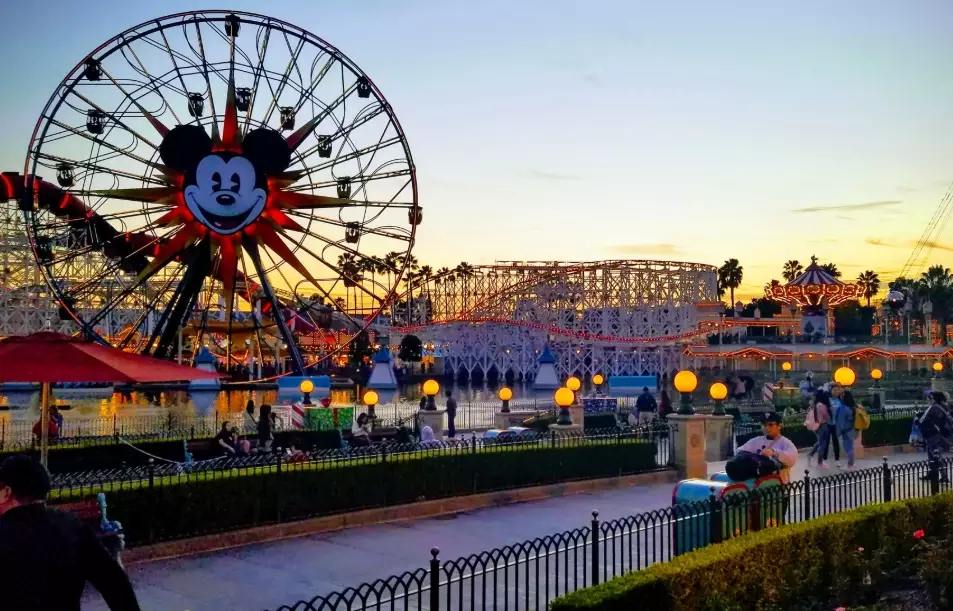
Summer is peak tourist season. Expect highs in the 80s°F to 100s°F inland. Beaches like Santa Monica and Huntington get packed. Disneyland wait times soar—book tickets months ahead. But it's prime for outdoor concerts or Lake Tahoe swimming. Pro tip: escape to higher elevations like Mammoth Lakes for hiking without the heat. I once got stuck in Yosemite Valley traffic in July; it took an hour to drive three miles. Go early or skip valley hotspots.
Fall: Wine Harvest and Clear Skies (September to November)
Fall is a gem. Crowds thin after Labor Day, temperatures cool to 70s°F, and skies clear. Napa Valley harvests grapes in September—book wine tours early. Coastal fog lifts, perfect for scenic drives like Pacific Coast Highway. Big Sur landslides are less likely than in spring. I drove Highway 1 in October, and the views were unobstructed, with just a few convertibles sharing the road.
Winter: Skiing and Off-Peak Deals (December to February)
Winter offers snow in mountains and mildness elsewhere. Ski resorts like Squaw Valley open by Thanksgiving (lift tickets: $120-$150). Southern California stays in the 60s°F, great for hiking Joshua Tree National Park (entry fee: $30). Rain can dampen coastal plans—San Francisco averages 4 inches in December. But hotel rates drop, and you can find deals. I snagged a beachfront room in San Diego for $100 a night in January, half the summer price.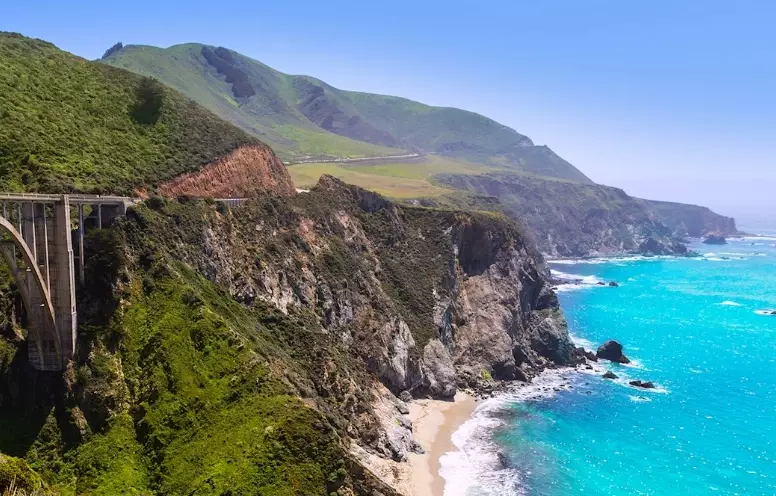
Regional Highlights and When to Go
California's size means timing varies by region. Here’s a quick reference:
| Region | Best Time | Key Activities | Notes |
|---|---|---|---|
| San Francisco | Sep-Oct | Alcatraz tours, Golden Gate views | Summer fog common; book Alcatraz weeks ahead |
| Los Angeles | Apr-Jun | Hollywood tours, beach days | Smog less severe in spring; traffic year-round |
| San Diego | Year-round | Zoo, Balboa Park | Summer crowded; winter mild but rainy spells |
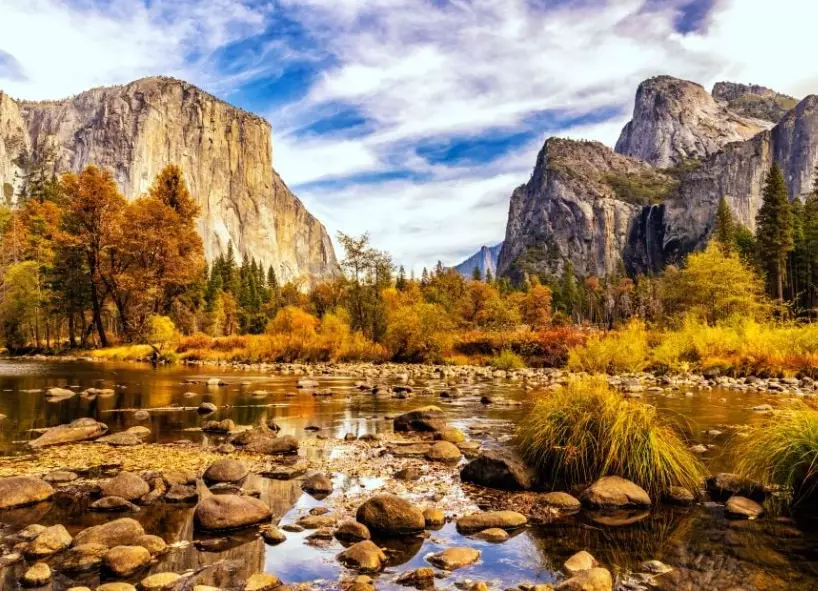
| Yosemite | May-Sep | Hiking, waterfalls | Tioga Pass opens late May; winter access limited |
| Napa Valley | Sep-Oct | Wine tasting, harvest events | Book tastings early; spring also good but busier |
| Death Valley | Nov-Mar | Stargazing, desert hikes | Summer extreme heat (100°F+); winter nights cold |
Personal take: I love San Diego in November—the water's still warm enough for surfing, and the Gaslamp Quarter isn't swamped. But if you're set on Yosemite's waterfalls, aim for May when they're fullest.
How to Avoid Crowds and Save Money
Crowds and costs are the big headaches. Here’s how to sidestep them.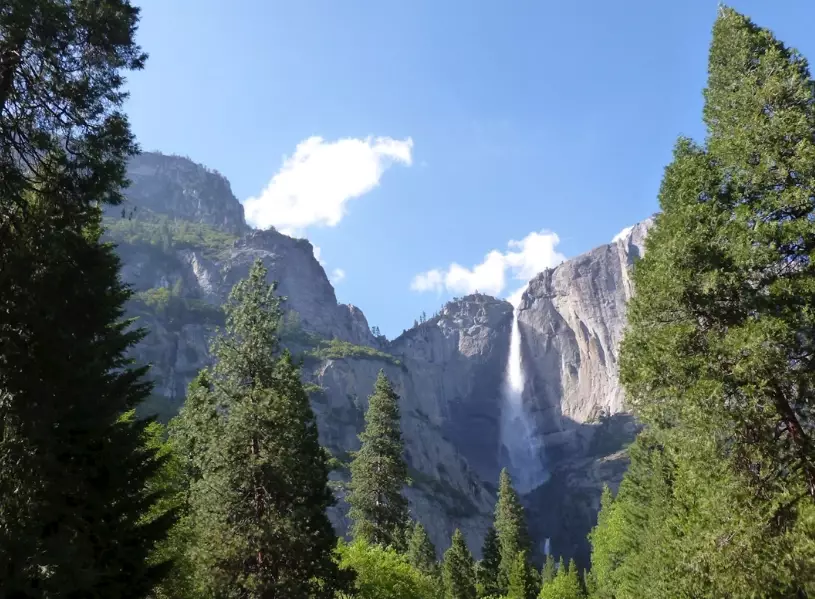
Timing is everything: Travel mid-week instead of weekends. Hotels in Anaheim near Disneyland drop from $250 to $180 on Tuesdays. Fly into smaller airports like Oakland instead of SFO for cheaper fares.
Use shoulder seasons—late spring and early fall—for the sweet spot. I saved 25% on a rental car by booking for September instead of August. Avoid school breaks: spring break (March) and winter holidays (late Dec) spike prices.
For attractions, buy tickets online in advance. Disneyland's Genie+ system can save hours, but it costs extra. Consider lesser-known spots: instead of Muir Woods (crowded, reservation required), try Armstrong Redwoods in Guerneville—free, serene, and just as tall.
Special Events and Festivals
Events can make or break your timing. Here are key ones:
- Coachella Music Festival (Indio, April): Huge crowds, hotel rates triple. Book a year ahead or stay in Palm Springs.
- Monterey Jazz Festival (September): More relaxed, tickets around $70. Perfect for fall vibes.
- Rose Parade (Pasadena, January 1): Free viewing along Colorado Blvd, but cold mornings. Arrive by 5 AM for a spot.
- Big Sur International Marathon (April): Roads close; plan detours if driving.
I attended Coachella once and loved the music, but the heat and prices were brutal. If you're not into festivals, avoid those dates—traffic jams extend for miles.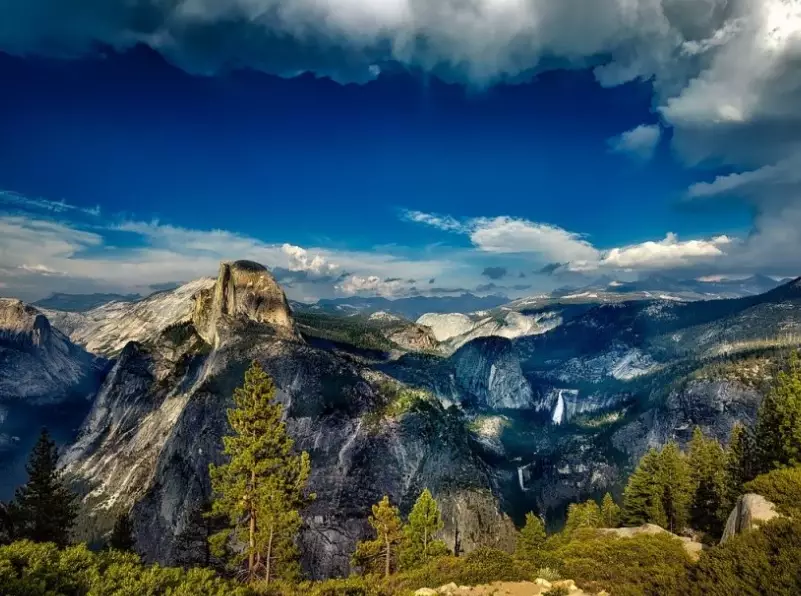
Practical Tips for Planning Your Trip
Beyond seasons, nail the logistics.
Accommodation: Book 3-6 months ahead for peak times. Use sites like Booking.com for deals. In cities, consider boutique hotels—I stayed at The Row in San Francisco (rates: $200/night) and loved the local vibe.
Transportation: Rent a car for flexibility, but know parking costs (e.g., $50/day in downtown LA). Public transit works in SF and LA, but it's slow for sights. Gas prices vary—cheaper inland, pricier coastal.
Packing: Layers are key. Even in summer, bring a jacket for San Francisco's chill. Sunscreen always—UV index hits 10+ in deserts.
Check road conditions via Caltrans website, especially for mountain passes in winter. I got stuck on Tioga Pass once due to early snow; chains required and sold out locally.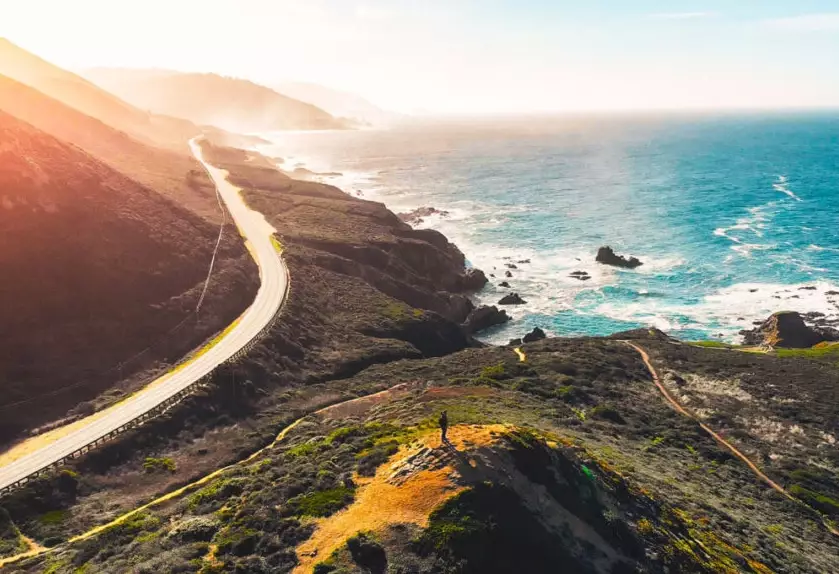
Frequently Asked Questions

Comments
Leave a Comment