Ask ten people the best time to visit the West Coast, and you might get ten different answers. That's because the West Coast isn't a monolith—it's a 1,300-mile tapestry of climates, from the Mediterranean warmth of Southern California to the temperate rainforests of Washington. The perfect month for your trip depends entirely on what you want to do, your budget, and your tolerance for crowds.
After a decade of road-tripping from San Diego to Seattle, I've learned there's no single "best" month. But there are definitely ideal windows for specific experiences. If I had to pick a sweet spot that balances good weather, manageable crowds, and decent value across the most popular regions? Aim for the shoulder seasons: late April to early June, and September through October. Let's break down why, and explore what each season really offers.
Your Quick Trip Planner
Why There's No Single "Best" Month
Thinking the West Coast is sunny and 75°F year-round is the first mistake travelers make. The climate data from agencies like NOAA shows dramatic variations. In July, while it's 95°F and dry in Palm Springs, it could be 62°F and foggy in San Francisco. Meanwhile, Seattle might be enjoying a rare stretch of sunny, 78°F days, and the redwood forests of Northern California are cool and damp.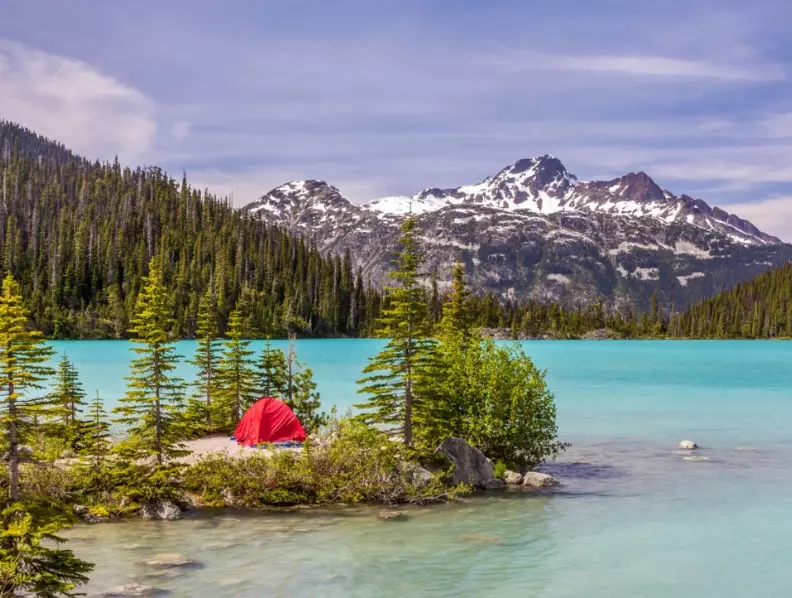
Your trip hinges on region and purpose. Are you dreaming of a beach vacation, a national park hike, a city culture crawl, or a scenic coastal drive?
Pro Tip from a Local: Most visitors cluster their trip in California. But if you're flexible, consider the Pacific Northwest's secret season: late July through September. You'll dodge Southern California's peak heat and crowds while enjoying the Northwest's best weather. Portland's farmers' markets are bursting, and the hiking trails near Seattle are dry and glorious.
The Spring Sweet Spot (March to May)
This is my personal favorite for a balanced West Coast tour. The winter rains (mostly) subside, hills are electric green, wildflowers explode, and summer crowds are still months away.
What to Expect Weather-Wise
Southern California starts warming up nicely by April (highs 70-75°F). Central California coast (Big Sur, Monterey) can still be cool and moody, which is stunning for photography. The Pacific Northwest is shaking off its rainy season—days are longer, but pack a rain jacket. Snow lingers in the higher elevations of the Sierra Nevada and Cascades, so some mountain passes or high-altitude hikes may be closed.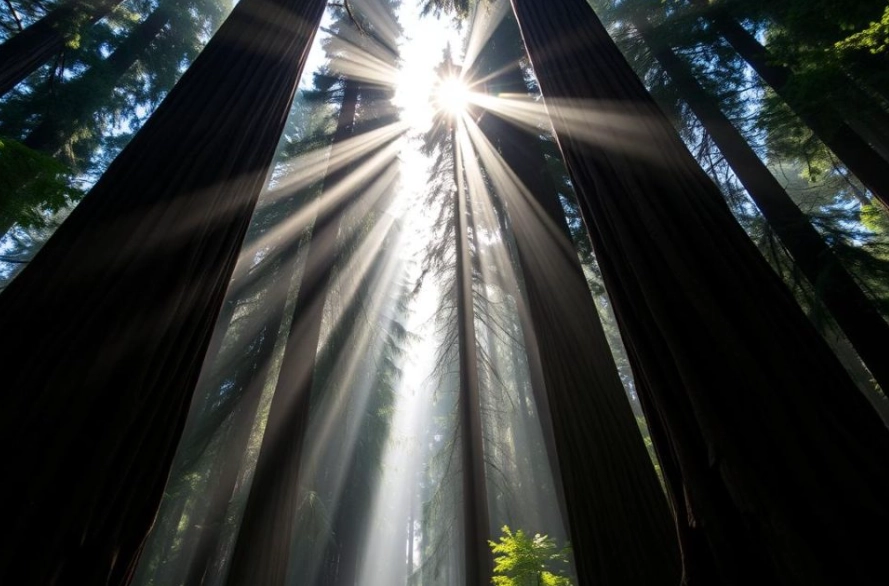
Best For:
- Wildflower Superblooms: Anza-Borrego Desert State Park or the Antelope Valley Poppy Reserve in Southern California can be spectacular in March/April, depending on winter rains.
- Urban Exploration: Exploring San Diego's Balboa Park, Los Angeles museums, or Portland's food cart pods is pleasant without the summer heat or tourist throngs.
- Wine Country Visits: Napa and Sonoma are lush and quiet before the summer rush. Willamette Valley in Oregon is also beautiful.
The catch? Ocean water is cold. Don't plan on lengthy swims. Also, the famous California coastal fog can still be present, especially in the mornings.
The Summer Peak (June to August)
This is the default choice for most families, and for good reason: reliable sunshine, long days, and all attractions are open. But it comes with significant trade-offs.
The Crowd & Cost Reality
Everything is busier and more expensive. Hotels in iconic spots like Santa Monica, San Francisco's Fisherman's Wharf, or near Yellowstone's West Entrance (yes, part is on the West Coast) book up months in advance. Rental car prices peak. Traffic on the Pacific Coast Highway can be slow, and finding parking at popular trailheads in Yosemite or Olympic National Park requires arriving at dawn.
A Critical Microclimate Warning
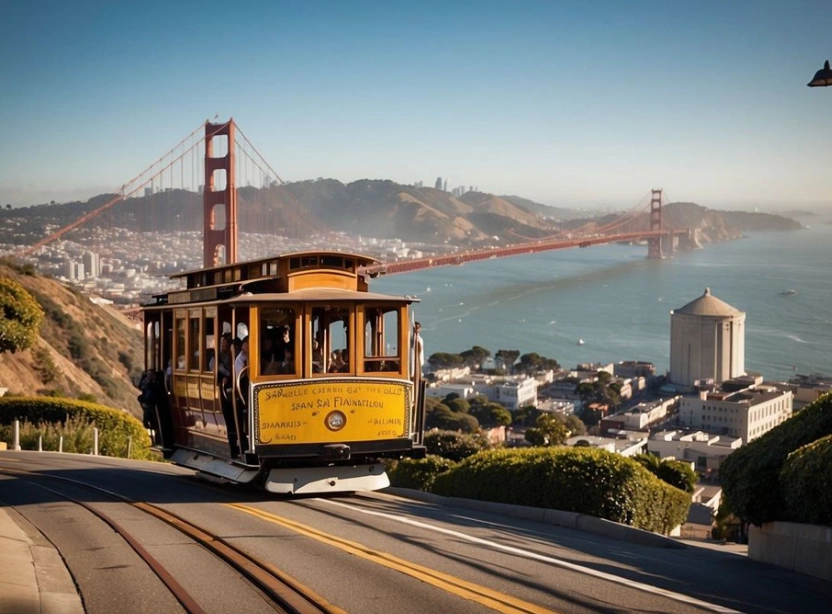
Here's the non-obvious tip many miss: Summer is often the worst time for fog on the Northern and Central California coast. If your dream is to see the Golden Gate Bridge or the cliffs of Big Sur drenched in sunlight, June and July are risky. The fog usually burns off by afternoon inland, but the coast can stay shrouded. For guaranteed sun on the coast, head to Southern California beaches.
Summer is unbeatable for:
- High mountain access in the Sierra Nevada (Sequoia, Kings Canyon) and the Cascades (Mt. Rainier).
- Festivals and outdoor events in cities like Seattle (Seafair) and San Francisco.
- Long, warm evenings for dining al fresco anywhere.
The Fall Golden Season (September to November)
If summer is the headline act, fall is the critically acclaimed encore. This is arguably the best overall season for a West Coast trip, especially in September and October.
The summer crowds dissipate after Labor Day. School is back in session. Hotel rates drop. The weather, however, often remains summer-like, especially in Southern California and the interior Northwest. The dreaded coastal fog diminishes significantly, offering clear views along Highway 1.
Highlights of a Fall Trip
I once drove the entire Oregon Coast in late September. The weather was flawless—sunny, mild, with dramatic sunsets. We had viewpoints to ourselves.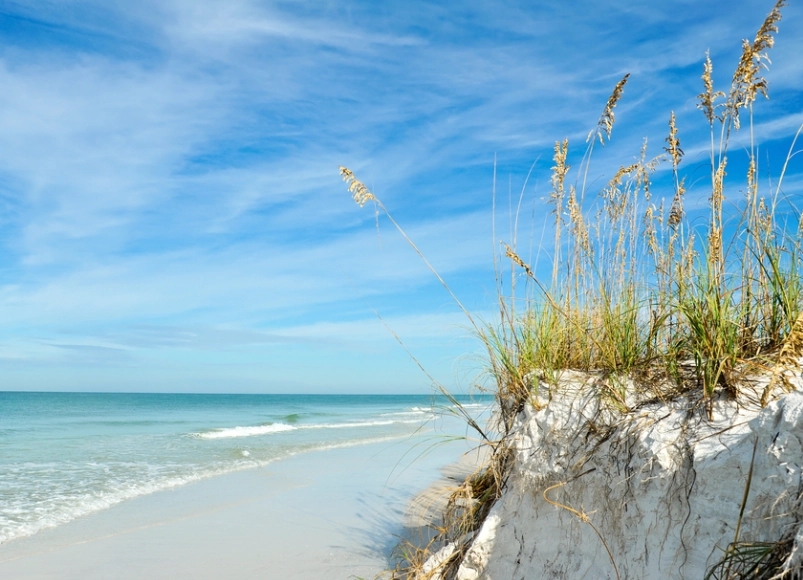
Wine Harvest (Crush): This is prime time in California and Oregon wine country. Vineyards are active, and the atmosphere is festive.
Indian Summer: San Francisco often gets its warmest weather in September and October. The Pacific Northwest can enjoy stretches of sunny, mild days well into October.
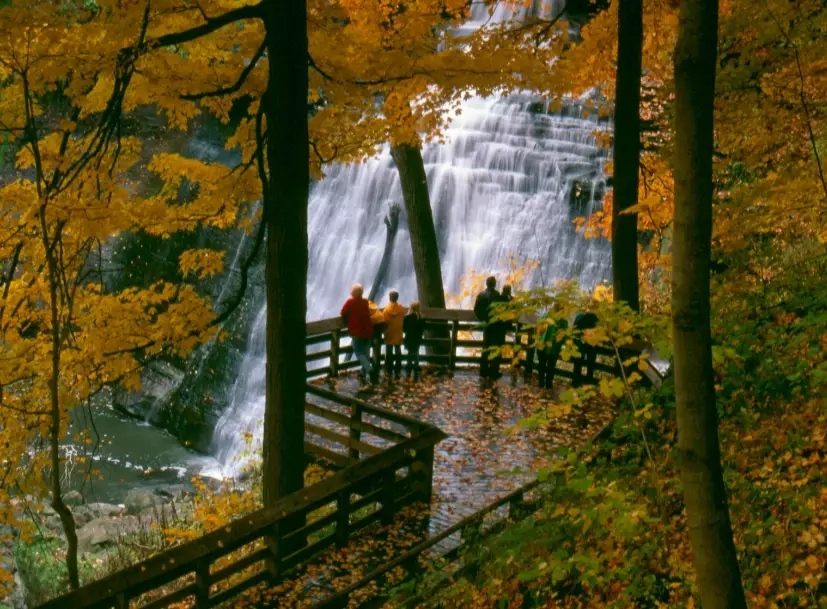
Changing Colors: While not as dramatic as New England, the vineyards of Napa turn gold and red, and the aspens in the Eastern Sierra (like around June Lake) put on a stunning show in October.
By late November, the rainy season begins in the north, and temperatures drop everywhere. But early fall is pure gold.
The Winter Escape (December to February)
Winter on the West Coast means two things: fantastic skiing/snowboarding in the mountains, and mild, often rainy conditions at lower elevations and along the coast.
The Rain Shadow Effect
This is key to understanding West Coast winters. The coastal mountains wring moisture from Pacific storms. That means the windward side (the coast) gets lots of rain (or snow in the mountains). The leeward side (inland) stays much drier. So while Seattle and Portland are famously gray and drizzly, just a few hours east over the Cascades, places like Leavenworth, WA, or Bend, OR, can be cold, sunny, and snowy.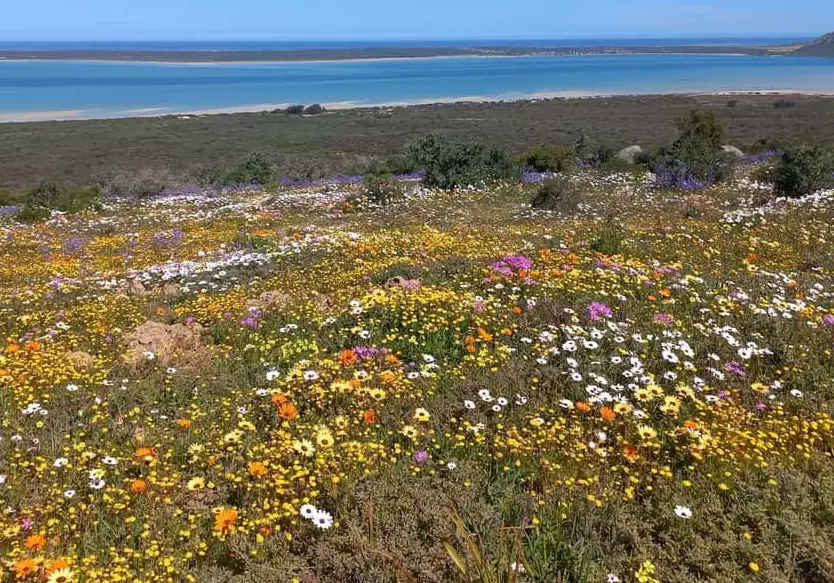
Winter Trip Scenarios
- For Sun Seekers: Southern California is your haven. Daytime highs in Los Angeles and San Diego are often in the 60s°F, perfect for hiking or beach walks. Desert regions (Palm Springs, Joshua Tree) are ideal, with cool nights and pleasant days.
- For Snow Sports: The Sierra Nevada (Lake Tahoe, Mammoth) and the Cascades (Mt. Baker, Mt. Hood) offer world-class skiing. Book lodging well in advance for holiday periods.
- For a Moody, Cozy Getaway: Embrace the rain. Book a cabin with a fireplace on the Oregon or Washington coast for storm watching. Explore Seattle's museums and coffee shops. It's the most affordable and least crowded time (except ski resorts).
National parks like Yosemite Valley are open but require tire chains, and some roads close. Always check park websites like the National Park Service for winter conditions.
West Coast Seasons at a Glance
| Season | Core Months | Overall Vibe & Weather | Best For Visiting... | Think Twice If You Want... |
|---|---|---|---|---|
| Spring | Mar - May | Mild, green, blooming, some rain in north. | Wildflowers, cities, wine country, avoiding crowds. | Hot beach weather, guaranteed sunny coastlines, high mountain access. |
| Summer | Jun - Aug | Warm/hot inland, cool/foggy on north/central coast, dry. | National parks, mountain hiking, festivals, family travel. | Budget travel, solitude, fog-free coastal views north of Santa Barbara. |
| Fall | Sep - Nov | Warm, clear, less fog, fewer crowds. Cools late Nov. | Coastal drives, wine harvest, city breaks, overall best balance. | Swimming (water is cold), visiting high mountains (early snow possible). |
| Winter | Dec - Feb | Cool/cold, rainy in PNW, mild in SoCal, snow in mountains. | Skiing, desert trips, storm watching, budget city trips. | Beach vacations, extensive outdoor hiking (mud/low temps), visiting all park areas. |
Your West Coast Trip Questions Answered
Is summer the best time for a California coast road trip?
Not necessarily. While summer offers long days, the central and northern California coast (like Big Sur and San Francisco) is famously foggy and cool from June through August. For clear skies and warmer coastal weather, aim for the "secret shoulder season" of late September to early November, or even April to May. You'll hit less fog, find easier parking at vista points, and enjoy warmer afternoons.
What's the biggest mistake people make when planning a West Coast trip?
Packing for a single climate. The West Coast has microclimates. You might need a tank top in Palm Springs and a fleece jacket in San Francisco on the same day. Always pack layers—a light jacket, a sweater, and a t-shirt are essentials year-round. Also, underestimating driving distances. Seattle to San Francisco is a 13-hour drive without stops. Cluster your activities in one or two regions per trip.
When is the cheapest time to fly into major West Coast cities like LA or Seattle?
You'll generally find the lowest airfares during the "shoulder seasons"—late January through March (excluding spring break weeks) and again from mid-October through mid-November. These periods fall after the holiday rush and before or after peak summer travel. Be flexible with your dates by a few days and use fare comparison tools. Avoid major holidays and local event weeks like Coachella in April.
Can you visit the Pacific Northwest (Oregon, Washington) in the winter?
Yes, but with adjusted expectations. Winter (Dec-Feb) is the rainy season, with short days and persistent gray skies. However, it's prime time for storm watching on the coast, lower hotel rates in cities like Portland and Seattle, and having world-class museums and coffee shops mostly to yourself. For outdoor activities like hiking, it's challenging due to mud and snow at higher elevations. If you crave cozy vibes, indoor culture, and dramatic coastal storms, winter has its unique appeal.
So, what are the best months to visit the West Coast? It's less about a universal calendar and more about matching the season to your personal travel style. Chase wildflowers in spring, embrace the vibrant energy of summer with a plan, savor the perfection of fall, or find cozy magic in winter. Whenever you go, pack those layers, book key lodgings early, and get ready for an incredible journey.



Comments
Leave a Comment