Let's cut to the chase. When you ask "What is peak season in the USA?", you're really asking two things: "When will my trip cost the most?" and "When will everywhere be the most crowded?" The textbook answer is summer—specifically, the months between Memorial Day (late May) and Labor Day (early September). School's out, the weather is warm across most of the country, and that's when the majority of Americans, and many international visitors, take their big annual vacation.
But if you stop there, you're missing the whole picture. As someone who's planned trips across all 50 states, I can tell you that treating "summer" as one monolithic block is the first mistake travelers make. Peak season is a sliding scale, a regional puzzle, and understanding its nuances is the difference between a dream vacation and an overpriced, frustrating slog.
Quick Navigation: What's in This Guide?
Defining Peak Season: The When and Why
Think of travel seasons in the USA like a bell curve. Peak season is the high, crowded top. It's driven by a simple formula: favorable weather + school holidays = maximum demand.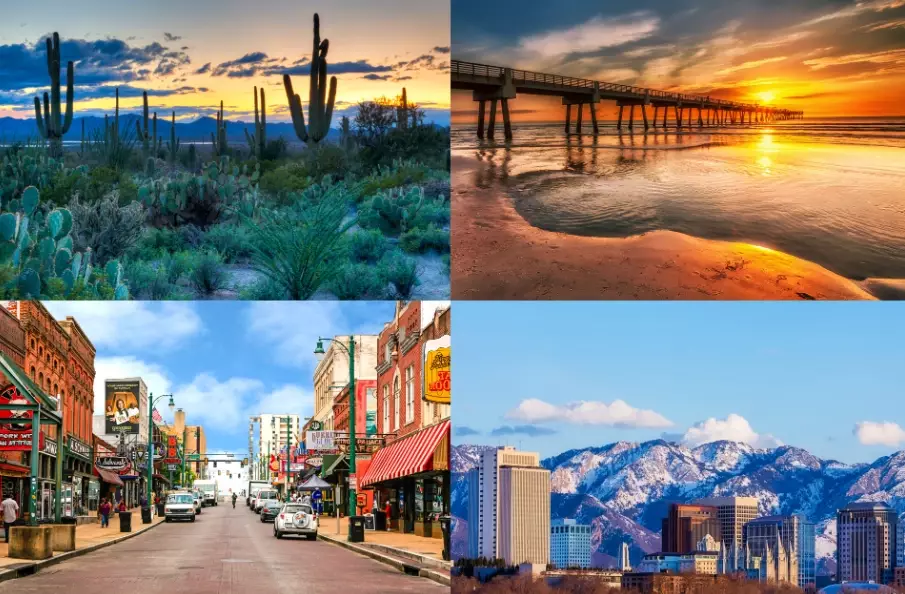
The core summer peak runs from mid-June through August. But it's bookended by smaller, sharper peaks. Memorial Day weekend (late May) is the unofficial kick-off. The 4th of July week is its own insane micro-peak, especially in destination cities like Washington D.C. or on any beach. Labor Day weekend (early September) is the last hurrah.
Then there are the secondary peak seasons that completely flip the script depending on where you go.
- The Winter Sun Belt Peak (Dec - Apr): While the Northeast is freezing, Florida, Arizona, Southern California, and Hawaii hit their stride. This is when retirees ("snowbirds") and families on winter break flock south. Prices in Miami, Phoenix, and Orlando are at their highest. Christmas to New Year's is the absolute pinnacle—try finding a hotel room in Key West then.
- The Winter Sports Peak (Dec - Mar): Ski resorts in Colorado, Utah, Wyoming, and Vermont come alive. Christmas, Presidents' Day week, and spring break weeks in March are the most crowded and expensive times on the slopes.
- The Holiday Peaks: Thanksgiving week (especially the Wednesday before and Sunday after) and the period between Christmas and New Year's are nationwide travel peaks, regardless of weather. Airports are chaotic, and last-minute deals don't exist.
What Are the Pros of Traveling During Peak Season?
There's a reason it's popular. It's not all bad.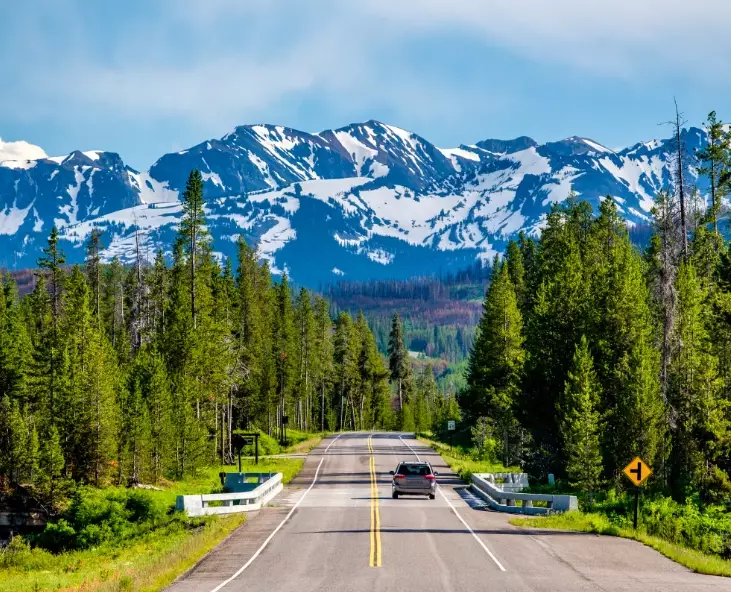
Everything is Open and Running
This is the biggest advantage. That boat tour in Alaska? Operating daily. Every food shack on the Cape Cod boardwalk? Open. All the trails in Glacier National Park? Accessible (barring snowmelt). In many seasonal destinations, the shoulder and off-seasons mean reduced hours, limited services, or full closures. During peak, you get the full, intended experience.
Best Weather (Usually)
You're almost guaranteed warm, sunny days for beach trips, mountain hikes, and road trips. The risk of a weather-related disruption is lower. For many, this predictability is worth the premium.
Vibrant Atmosphere and Events
There's an energy during peak season. Street festivals, outdoor concerts, farmers' markets, and long evening daylight hours create a lively vibe. Places feel "on."
I remember a trip to Bar Harbor, Maine in late October. The fall colors were stunning, but half the restaurants in town had "See you next May!" signs on their doors. The quiet was peaceful, but I missed the bustling harbor energy I'd experienced on a previous July visit.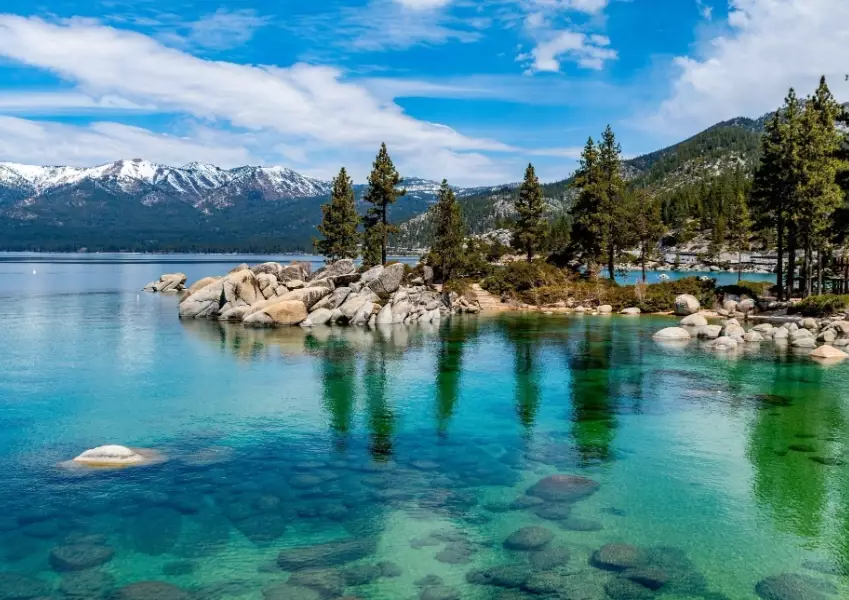
What Are the Cons of Traveling During Peak Season?
This is the reality check. The downsides are significant and often underestimated.
Sky-High Costs
We're talking 30% to 100% (or more) premiums on flights, hotels, rental cars, and even some attractions. A hotel room in a generic chain off a highway in Colorado can triple in price during ski season. Dynamic pricing is your enemy.
Oppressive Crowds
This isn't just "a few people." It's hour-long lines for the bathroom at a national park visitor center. It's impossible-to-get dinner reservations without booking weeks ahead. It's traffic jams on scenic park roads. The serenity you might seek in nature is often the first casualty.
Need for Military-Grade Planning
Spontaneity dies. Want to visit Yosemite? You need a reservation just to drive in during peak hours in summer. Dreaming of a cabin inside Yellowstone? Those book up the millisecond reservations open, usually 6-12 months in advance. If you're a last-minute planner, peak season will punish you.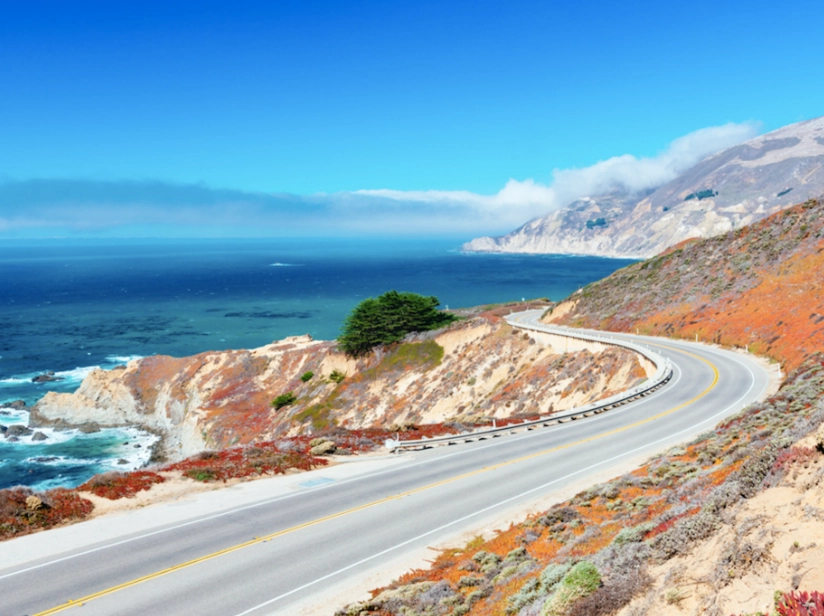
| Season | Typical Months | Character | Price Level | Crowd Level |
|---|---|---|---|---|
| Peak Season | Jun-Aug (Summer); Dec-Apr (Sun Belt); Dec-Mar (Ski) | Everything open, best weather, vibrant | Highest ($$$) | Extremely High |
| Shoulder Season | Apr-May & Sep-Oct (many regions) | Mild weather, most things open, fewer crowds | Moderate ($$) | Medium |
| Off-Season | Nov-Mar (non-ski); Jan-Feb (general) | Limited services, variable weather, maximum quiet | Lowest ($) | Low |
Smart Travel: Strategies for Surviving (and Saving) in Peak Season
You've decided to brave the peak. Here's how to do it wisely.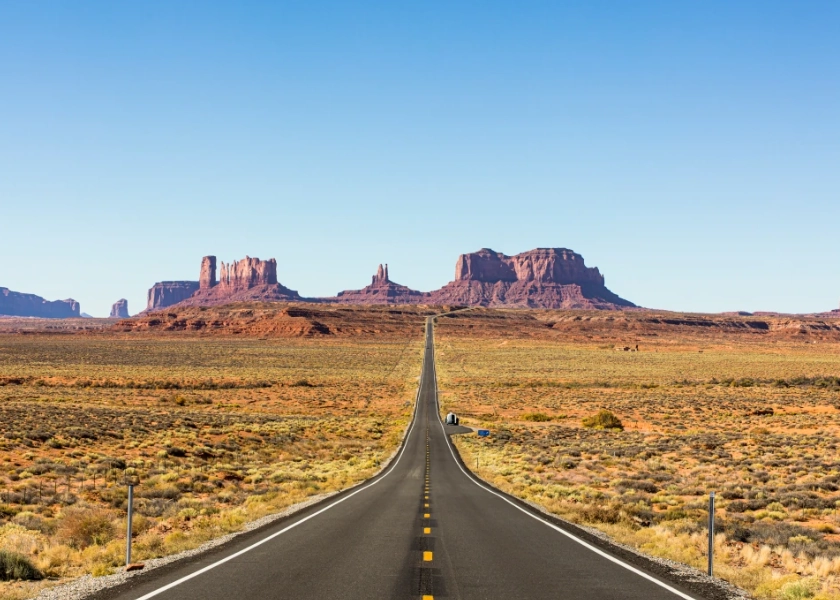
Book Early, Really Early. For flights, start monitoring prices 4-6 months out. For critical accommodations—that lakefront cabin, the hotel right next to Disneyland, the ski-in/ski-out condo—book as soon as your dates are firm, up to a year in advance. This locks in rates before they surge.
Embrace the Shoulder of the Shoulder. Can you go the week after Labor Day? Most kids are back in school, but the weather is still summer-like. The last two weeks of May, before Memorial Day, are similar. You capture 80% of the peak season benefits with 50% fewer people.
Be a Dawn Patron. The single best tactic for beating crowds at major attractions (theme parks, national parks, popular museums) is to be at the gate 30 minutes before opening. You'll experience the best sites in relative peace for the first 2-3 hours while the crowds are still sleeping or in line for coffee.
Consider Alternative Destinations. Instead of Yellowstone, look at Grand Teton or Glacier. Instead of Miami Beach, look at the Gulf Coast of Florida or the Outer Banks of North Carolina. You'll find similar vibes with slightly less intensity and sometimes better value.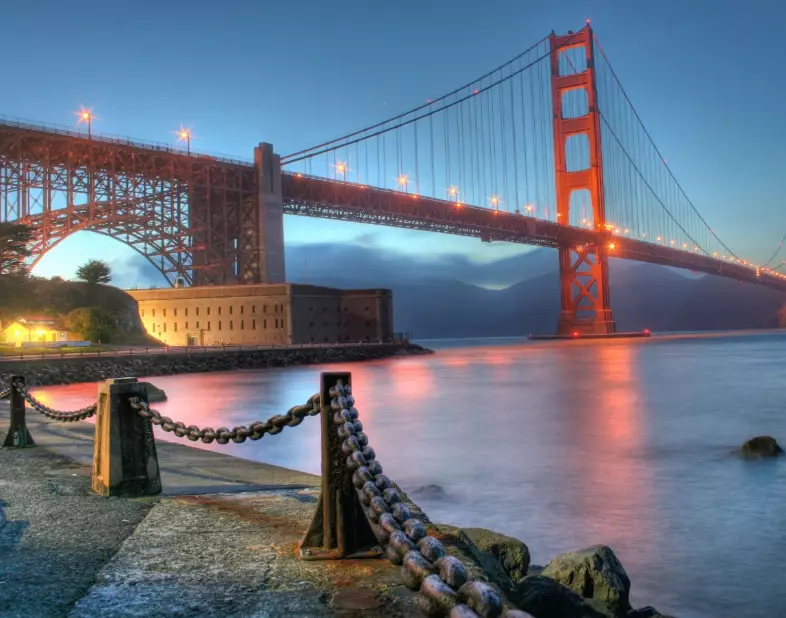
Beyond Peak: The Case for Shoulder and Off-Season Travel
Let me make a contrarian case. For many travelers, especially those without school-age kids, peak season is the worst time to visit the USA.
The shoulder seasons (spring and fall) are the sweet spot for savvy travelers. You get pleasant weather, mostly open services, and dramatically lower prices and crowds. I once had an entire stretch of beach in Cape Cod to myself in mid-September. The water was still warm, the ice cream shops were open, and my hotel bill was half what it would have been in August.
The off-season has its own stark beauty and rewards. Walking through a silent, snow-dusted New England village in January, or having the monumental sculptures of Mount Rushmore almost to yourself on a crisp November day, is a uniquely powerful experience. You trade perfect weather for deep savings and a sense of discovery.
It comes down to your priorities. Is perfect, predictable weather worth a premium and a crowd? Or are you flexible, budget-conscious, and crowd-averse?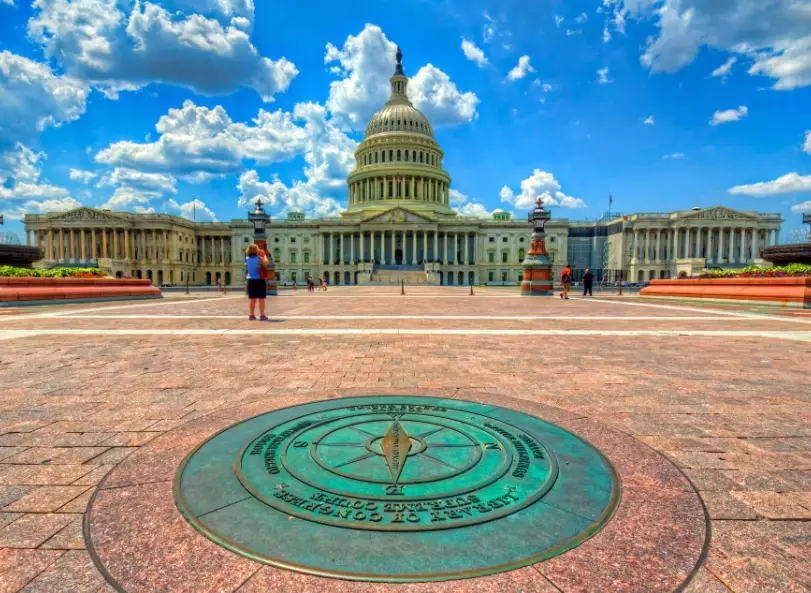
Your Peak Season Questions Answered
Is peak season in the USA the same for every destination?
What is the absolute cheapest time to fly and travel within the USA?
Is it worth visiting popular US national parks during peak season?
How far in advance should I book a peak season trip to the USA?
So, what is peak season in the USA? It's a timeframe, a price tag, and a trade-off. It's the period of maximum convenience and maximum hassle. Your job isn't just to know when it is, but to decide if its benefits align with what you want from your trip. For many, stepping just outside its boundaries—into the calm, cheaper, and still-beautiful shoulders of the year—is the real secret to a great American vacation.
Comments
Leave a Comment