Quick Navigation
Let's talk about San Francisco. The Golden Gate Bridge, cable cars, Alcatraz – it's a postcard city, right? Well, something's been off lately. If you've been following the news or even just browsing travel forums, you've probably seen the chatter. Hotels aren't as full, convention centers seem quieter, and that buzz you used to feel around Fisherman's Wharf or Union Square? It's changed. We're seeing a real, measurable San Francisco tourism decline. It's not just a few slow weekends; the data tells a consistent story over the past few years. But why? Is it just the high prices we've always complained about, or is there more going on?
I was there last fall. Walked from my hotel near Moscone Center down to the Ferry Building. The contrast was striking. The waterfront was lovely, but the number of empty storefronts on some connecting streets was hard to ignore. You'd overhear conversations – visitors talking about being "on guard" or deciding to skip certain areas after dark. It felt different from my trips a decade ago. So I dug into the numbers, talked to people in the industry, and tried to separate the media hype from the on-the-ground reality. What's really driving this tourism decline in San Francisco?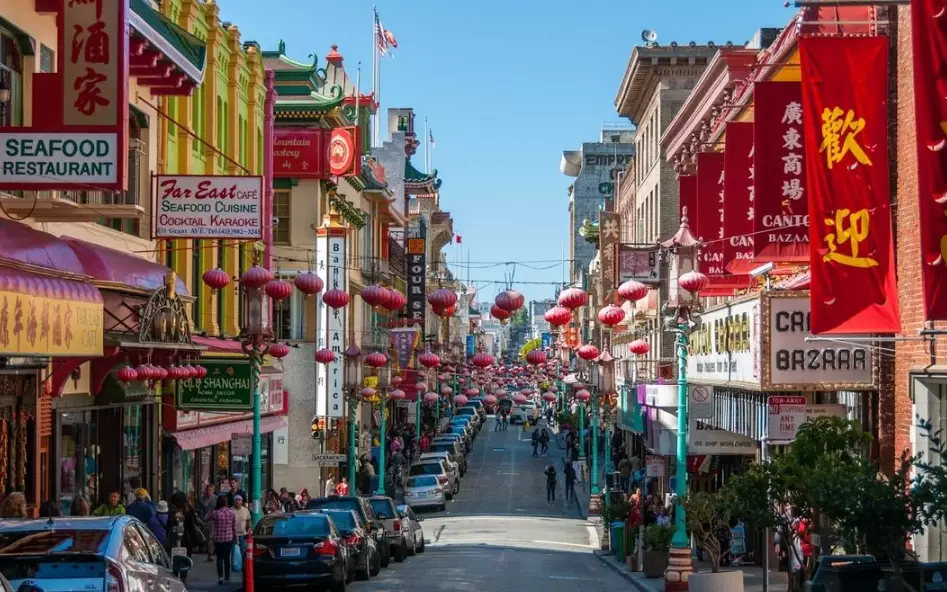
The Hard Numbers: Let's start with the official scoreboard. According to the San Francisco Travel Association's research, the city welcomed about 23.9 million visitors in 2023. That sounds like a lot, and it is. But context is everything. In 2019, that number was nearly 26.2 million. We're talking about a drop of over 2 million people. More telling is the visitor spending. In 2019, tourists poured an estimated $10.3 billion into the local economy. The latest full-year data shows that figure hasn't fully bounced back, sitting significantly lower. Hotel occupancy rates tell a similar story – struggling to reach pre-pandemic peaks while other major U.S. cities have recovered more robustly. This isn't a blip; it's a trend.
What's Causing the Drop? It's Complicated.
Pinpointing one reason for the San Francisco tourism decline is impossible. It's a perfect storm of several factors, each feeding off the others. It's also a touchy subject, because for residents, these aren't abstract "tourism problems" – they're daily life challenges that visitors end up witnessing.
Perception of Safety and Street Conditions
This is the elephant in the room. You can't discuss the decline in San Francisco tourism without addressing it. Media coverage, both local and national, has been relentless on issues of property crime, open-air drug markets in certain districts, and highly visible homelessness. The perception has, in many cases, outpaced the reality for the average tourist's experience, but perception is what drives decisions.
Ask a random traveler today what they associate with SF, and alongside the bridge, you might hear "car break-ins" or "Tenderloin." The city's own data, like the SF OpenData portal, shows nuanced crime trends, but the narrative has stuck. I spoke to a hotel concierge who said the single most common question he gets now is, "Is it safe to walk from here to X?" That question used to be rare. Families and older travelers, in particular, are expressing more hesitation. They're not just worried about violent crime (which statistics show is relatively low in tourist zones), but about the unsettling atmosphere of some downtown blocks – the avoidance behavior it creates. This directly impacts foot traffic to shops and restaurants, creating a negative feedback loop.
My own take? It's a mixed bag. Yes, you see things in downtown SF that you don't see in, say, downtown Chicago or Boston to the same concentrated degree. But is the entire city a "no-go" zone? Absolutely not. The Marina, Presidio, Golden Gate Park, and even much of North Beach feel vibrant and normal. The problem is the tourist corridor – the path from Union Square to the cable cars, through parts of the Civic Center – has become a barrier. Visitors have to cross a zone of high discomfort to get to the iconic sights. That's a huge psychological and logistical hurdle.
The Remote Work Revolution and Business Travel
This is a massive, often underestimated factor. San Francisco was a global tech pilgrimage site. Conferences, meetings, startup pitches, corporate retreats – this was the lifeblood of its mid-week, high-spending hotel business. Then COVID hit and proved that a huge amount of work could be done remotely. Zoom, headquartered in San Mateo, ironically helped kill a chunk of the city's business travel.
Major tech companies have downsized their physical footprints. Employees aren't flying in for quarterly reviews as often. Large conventions are returning, but some have scaled down or been slower to re-book. The Moscone Center calendar is filling up again, but the ancillary spending in surrounding hotels and restaurants hasn't fully recovered. The business traveler, who spends more per day than a leisure tourist, is still partly missing. This isn't unique to SF, but the city was disproportionately reliant on that sector.
Cost, Cost, and More Cost
San Francisco was never cheap. But post-pandemic inflation hit the city hard. A hotel room, a decent meal, a taxi ride – they all feel 20-30% more expensive than they did in 2019. For international travelers, a strong US dollar adds another layer of pain. When potential visitors compare a week in SF to a week in, say, Portugal or Mexico, or even another US city like New Orleans or Denver, the value proposition gets shaky.
And it's not just visitor costs. The cost of running a tourism business has skyrocketed. Labor costs, insurance, supplies – it all gets passed down. That famous SF sourdough bowl of clam chowder? It's now a $15+ commitment. This prices out budget and mid-tier travelers, shrinking the potential visitor pool.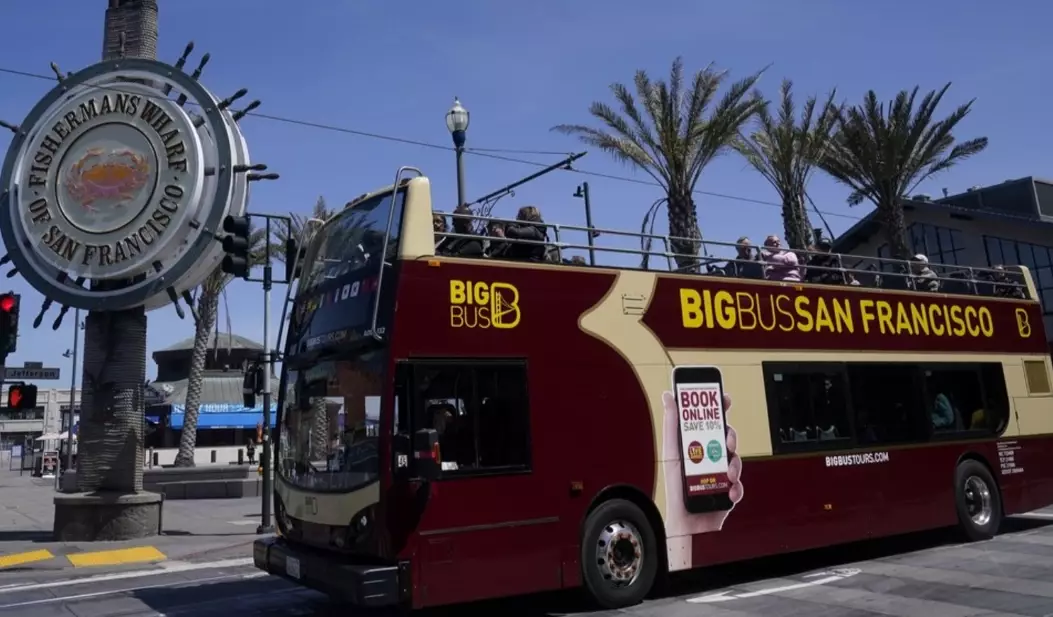
Key Point: It's rarely one thing. A family might tolerate high prices for a world-class experience. But high prices combined with negative news stories about safety? That's where they start looking at alternative destinations. The San Francisco tourism decline is a multiplier effect.
Breaking Down the Data: Who's Not Coming Back?
Let's look at where the drops are most pronounced. It's not uniform across all visitor segments.
| Visitor Segment | Pre-Pandemic Level (2019) | Current Trend (2023/24) | Primary Pressure Points |
|---|---|---|---|
| International Leisure | Strong, especially from Asia & Europe | Slow recovery, lagging domestic | Strong USD, visa delays, long-haul flight costs, safety perception |
| Domestic Business | The core of hotel weekday revenue | Significantly reduced | Remote work, corporate travel budget cuts, tech sector volatility |
| Convention & Group | Major city strength | Recovering but volatile | Competition from other cities, group safety concerns, cost |
| Domestic Leisure (Families) | Steady | Showing hesitation | Street condition perception, overall value for money |
| Domestic Leisure (Couples/Young Adults) | Strong | Most resilient segment | More adaptable, seeks different neighborhoods, still drawn to icons |
The table shows the vulnerability. The big-spending, predictable segments – international visitors and business travelers – are the ones most absent. The domestic leisure crowd is holding things up, but even there, families are a concern. This shift changes the economic impact dramatically. A couple on a weekend trip spends less than a business traveler on a 4-day conference trip with expense account dinners.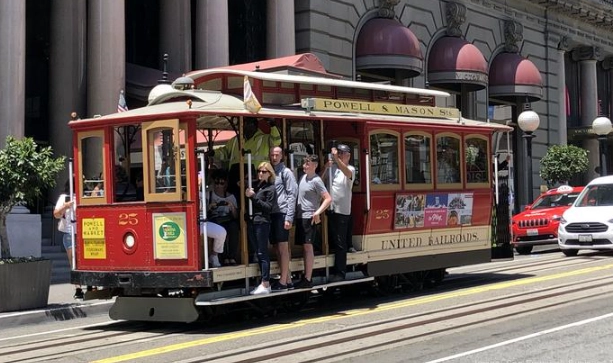
How San Francisco is Fighting Back (And Is It Working?)
The city isn't sitting idle. There's a recognition that the tourism decline in San Francisco is an economic emergency. A lot of initiatives are underway, some more visible than others.
Marketing and Perception Campaigns
San Francisco Travel, the official tourism bureau, has launched campaigns focused on the city's enduring beauty and experiences. The "Always San Francisco" campaign is a direct effort to remind people of the magic. They're also working hard to promote neighborhoods beyond the troubled downtown core – championing the Richmond District, the Sunset, Japantown, and others. The goal is to disperse visitors and showcase the city's diverse character.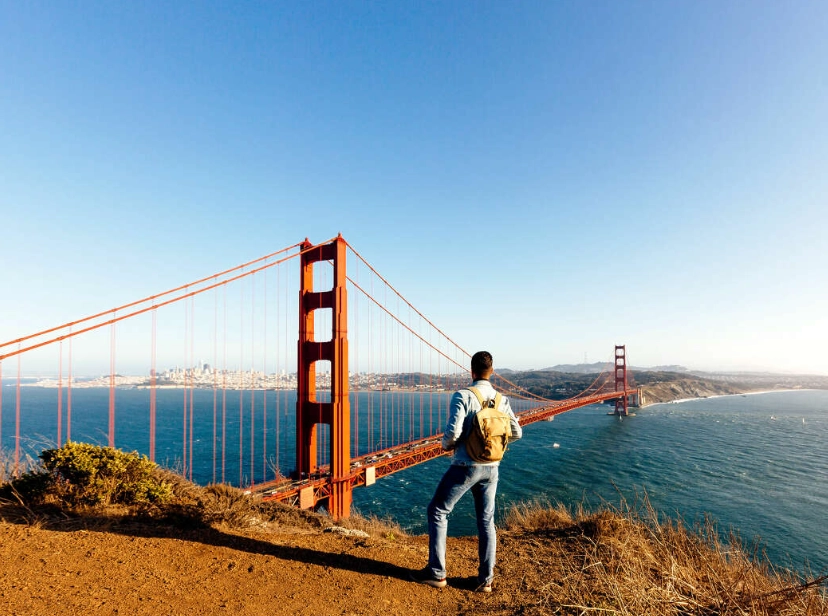
Policy and Cleanliness Efforts
This is the harder, slower work. The city has increased police presence in tourist hotspots and is trying new approaches to address street conditions. There's more funding for street cleaning and pilot programs to make retail corridors more inviting. The City Administrator's office has several initiatives aimed at economic revitalization. Critics say it's not enough or too slow. Supporters say turning around complex urban issues takes time. From a tourist's perspective, the proof will be in the pudding – does downtown feel cleaner and more welcoming on their next visit?
Investing in the Experience
Some attractions are getting major upgrades. The Exploratorium is as fantastic as ever. The Presidio's parks and museums are world-class. The focus is on creating "can't-miss" reasons to visit that outweigh negative perceptions. There's also a push for more festivals, markets, and public events to generate positive buzz and foot traffic.
But here's the rub. Marketing can only do so much if the on-the-ground experience doesn't match the brochure. The most effective thing that could happen for San Francisco tourism is for residents to feel a sustained improvement in their daily life. That positive sentiment would be the most authentic advertising possible.
The Future Outlook: Can San Francisco's Tourism Recover?
This is the billion-dollar question. My analysis, looking at the data and trends, suggests a path forward, but it's not a return to 2019. It's a transformation.
The new normal will likely be leaner, at least in the medium term. The days of unfettered growth in visitor numbers might be over. The recovery will be about quality over sheer quantity. The city may host fewer but higher-spending visitors who are specifically seeking its unique cultural, culinary, and natural offerings.
Success depends on neighborhood dispersion. The future of San Francisco tourism might look less like a crowded Union Square and more like a vibrant day spent in the Mission District followed by a sunset hike in Lands End. The city's unique neighborhoods are its secret weapon against the concentrated problems of downtown.
Business travel will not fully return. That sector is permanently altered. The city's economy and tourism strategy need to adjust to that reality, leaning harder into leisure, specialty conferences, and "bleisure" (business + leisure) travel.
Honestly, it's a pivotal moment. The San Francisco tourism decline is a symptom of deeper urban challenges. Addressing tourism means addressing the fundamentals of city management, public safety, and economic vitality. Other cities are watching. If SF can turn this around, it will be a case study in urban recovery. If it can't, it risks a slow erosion of its status as a premier global destination.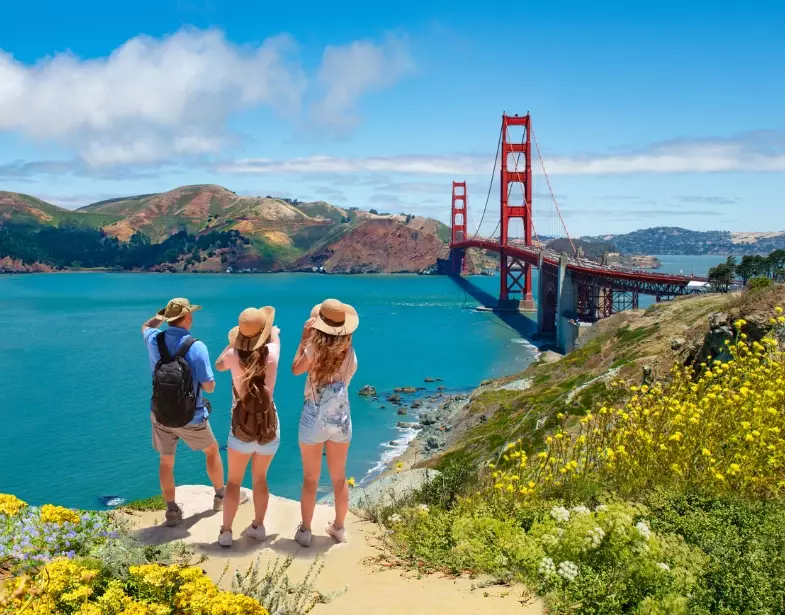
Your Questions on San Francisco's Tourism Slump, Answered
So, where does that leave us? The San Francisco tourism decline is real, complex, and multi-faceted. It's driven by a toxic mix of perception, economic shifts, and genuine urban challenges. The city's path to recovery isn't about a quick marketing fix. It's about the hard, unglamorous work of making the city work better for the people who live there. When that happens, the tourists will follow. They always do. San Francisco's allure – that foggy, quirky, innovative, breathtakingly beautiful spirit – is still there. It's just waiting for the city to clear the path back to it.
The next few years will be telling. Will we look back at this period as a difficult chapter that forced positive change? Or a turning point where the city lost a piece of its identity? The effort to reverse the tourism decline in San Francisco is, in many ways, a fight for the city's soul. And that's a story worth watching.
Comments
Leave a Comment