Quick Guide
So you're dreaming of that American adventure. The skyscrapers of New York, the neon of Las Vegas, the grand canyons out west. It's all there, waiting. But then the big question hits you, the one that stops a lot of plans in their tracks: how much would an USA trip actually cost?
I've been there. The first time I planned a trip across the States, I scoured the internet and found answers ranging from "$50 a day if you hitchhike and camp" to "$500 a day is a bare minimum." It was frustrating, to say the least. Neither felt right. The truth, as with most things, is firmly in the messy, complicated middle. It depends entirely on you.
Are you a backpacker happy with a hostel bunk and a food truck meal, or are you looking for a comfortable hotel and nice dinners? Are you renting a car to cruise Route 66, or just hopping between cities on a train? The final number is a puzzle made of a hundred little pieces.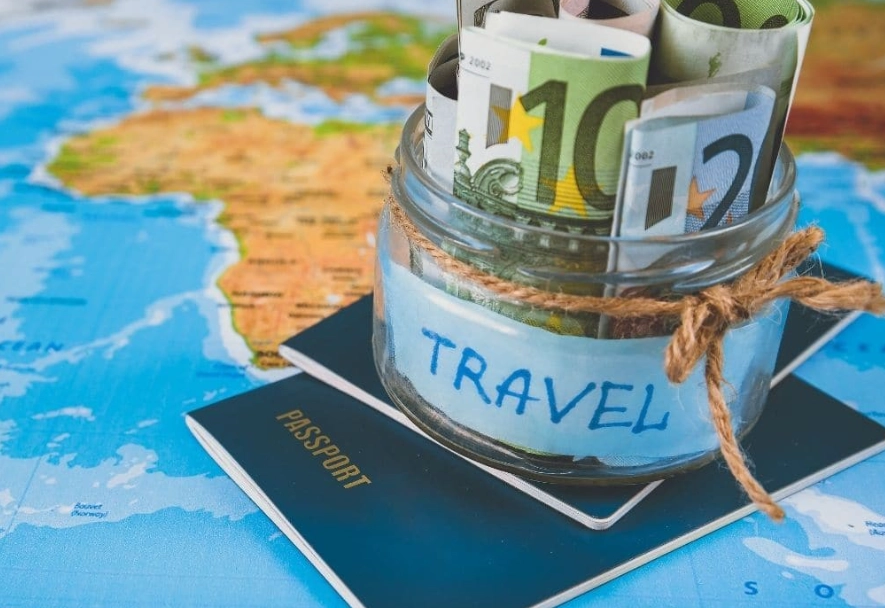
We're going to break it down, category by category. We'll look at flights, beds, wheels, food, fun, and all those sneaky little costs that pop up when you least expect them. I'll share some of my own wins and (painful) budget mistakes from traveling there. By the end, you'll have a crystal-clear picture and a realistic budget you can actually plan with.
The Big Picture: What Really Drives the Cost of a USA Trip?
Before we dive into dollars and cents, let's set the stage. A few key factors will make your budget swing wildly.
Your Travel Style is Everything
This is the biggest lever you can pull. I like to think of three broad profiles, and most of us fall somewhere between them.
- The Budget Backpacker: You prioritize experience over comfort. Hostels, shared Airbnbs, buses, grocery store picnics, and free walking tours are your best friends. You might splurge on one big activity.
- The Mid-Range Explorer: This is probably the most common style. You want a clean, private room (maybe a mid-tier hotel chain or a nice Airbnb), a reliable rental car or domestic flights booked in advance, a mix of cheap eats and the occasional sit-down restaurant, and you'll pay for key attractions.
- The Luxury Traveler: Comfort and convenience are king. Four-star hotels, premium economy or domestic first-class flights, fine dining, private tours, and front-row seats are on the menu.
Where do you see yourself? Be honest. There's no shame in any category. I've done trips in all three, and each has its own magic (and pain points).
When You Go and Where You Go
Time and place are huge. Flying into the USA in peak summer (June-August) or around major holidays like Thanksgiving and Christmas is a wallet-buster. Shoulder seasons (April-May, September-October) are kinder. Winter can be cheap for flights, unless you're heading to ski resorts.
And location? It's a country of extremes. A week in New York City or San Francisco will cost substantially more than a week exploring the national parks of Utah or the smaller cities of the South. Major coastal cities have a premium attached. The U.S. Department of Commerce's National Travel and Tourism Office publishes data on traveler spending that highlights these regional differences starkly.
Duration and Group Size
A longer trip has a higher total cost, obviously, but your daily average can sometimes go down. You get into a rhythm, find cheaper spots, maybe book longer-term accommodations for a discount. Traveling as a couple, family, or group can save a ton on things like hotel rooms and rental cars when you split the bill. Solo travel, while amazing, is often the most expensive per-person way to see the USA.
The Nitty-Gritty: A Realistic Cost Breakdown
Alright, let's get to the numbers you came for. These are based on current averages and my own recent experience. Think of them as guidelines, not gospel. Prices fluctuate.
1. The Giant Leap: International Flights
This is your first and often biggest fixed cost. There's no way around it unless you're swimming or taking a very long boat.
From Europe, you might find deals for $400-$700 roundtrip to East Coast hubs like New York or Boston in the off-season. From Asia or Australia, expect $800-$1,500+. The key is flexibility. Use tools like Google Flights' explore map and be open to flying into alternative airports. Sometimes flying into a bigger hub like Chicago O'Hare (ORD) or Los Angeles (LAX) is cheaper, and you can catch a budget domestic flight from there.
Pro Tip: Tuesday and Wednesday are often the cheapest days to fly internationally.
2. Where You'll Lay Your Head: Accommodation
This is where budgets diverge dramatically. The USA has a huge range, but budget options in city centers can be scarce.
| Accommodation Type | Average Price Range (Per Night) | Notes & Real Talk |
|---|---|---|
| Hostel Dorm Bed | $25 - $55 | Great in cities like NYC, SF, Miami. Less common in smaller towns. Often includes basic breakfast. |
| Budget Hotel/Motel | $70 - $130 | Think chains like Motel 6, Super 8. Clean, basic, often near highways. Parking is usually free. |
| Mid-Range Hotel | $130 - $250 | Holiday Inn, Hilton Garden Inn, etc. Better locations, more amenities. Resort fees can add $30+/night in places like Vegas. |
| Vacation Rental (Airbnb/VRBO) | $90 - $300+ | Price varies wildly by city and size. Can be great value for groups/families. Watch for cleaning fees! |
| Luxury Hotel | $300 - $600+ | Sky's the limit in major cities and resorts. |
3. Getting Around: Transportation Within the USA
This is the second major budget variable. The country is vast.
- Rental Car: This is essential for road trips, national parks, or exploring regions. Daily rates can be as low as $30-40/day for a compact car if booked weeks in advance, but often sit around $50-80/day. Insurance is a must and can double the quoted price if you buy it from the rental company. Check your credit card and personal auto policy for coverage first. Gas prices vary by state; check AAA's gas price tracker.
- Domestic Flights: For covering long distances quickly (e.g., East Coast to West Coast). Budget carriers like Spirit and Frontier have base fares under $100, but charge for everything else (carry-on, seat selection). Major carriers (Delta, American, United) are more expensive but include more. Use Southwest (bags fly free) if their route works.
- Trains (Amtrak): More expensive and often slower than flying, but it's a scenic, relaxing experience. The Amtrak network connects major cities. Book early for deals.
- Buses (Greyhound, Megabus, FlixBus): The cheapest way to travel between cities, but also the slowest. Fares can be under $20 for short routes.
- Public Transit in Cities: Subways and buses in cities like New York, Washington D.C., and Chicago are efficient and affordable (single rides $2.50-$3, unlimited day passes $10-$15).

4. Fueling the Adventure: Food & Drink
American food portions are legendary. You often won't go hungry, even on a budget.
- Budget: $25 - $40 (Grocery store breakfast/lunch, food truck or fast-casual dinner, coffee from convenience store).
- Mid-Range: $50 - $90 (Diner breakfast, casual lunch spot, sit-down restaurant dinner with a drink or two).
- Luxury: $100+ (Brunch, nice lunches, fine dining dinners with cocktails/wine).
Don't forget sales tax (added at the register, not on the menu price) and tipping. Servers rely on tips; 15-20% of the pre-tax bill is standard. For counter service, a dollar or two in the tip jar is nice but not always expected.
A quick lunch at a casual spot like Panera or Chipotle will run $12-$18 with a drink. A dinner entree at a decent restaurant in a city is easily $25-$40 before drinks, tax, and tip. That's why mixing in grocery store meals (a great sandwich, fruit, yogurt) is such a smart budget move.
5. The Fun Stuff: Activities & Entertainment
This is the most flexible part of your budget. You can have an amazing day for almost nothing, or spend hundreds in a few hours.
- Free & Cheap: Hiking in national parks (just pay the park entrance fee, usually $20-$35 per vehicle for 7 days). Exploring city neighborhoods, beaches, public parks, free museums (like the Smithsonian in D.C.!), and free walking tours (tip the guide).
- Mid-Range Attractions: Museum tickets ($20-$30), theme park single-day tickets ($100-$150+), Broadway show tickets (discount TKTS booth or rear mezzanine seats), guided tours ($50-$100).
- Big-Ticket Experiences: Helicopter tours over the Grand Canyon ($250+), front-row concert/sports tickets, multi-day guided adventures.
For national parks, consider the America the Beautiful Annual Pass ($80). If you visit more than 2-3 parks in a year, it pays for itself.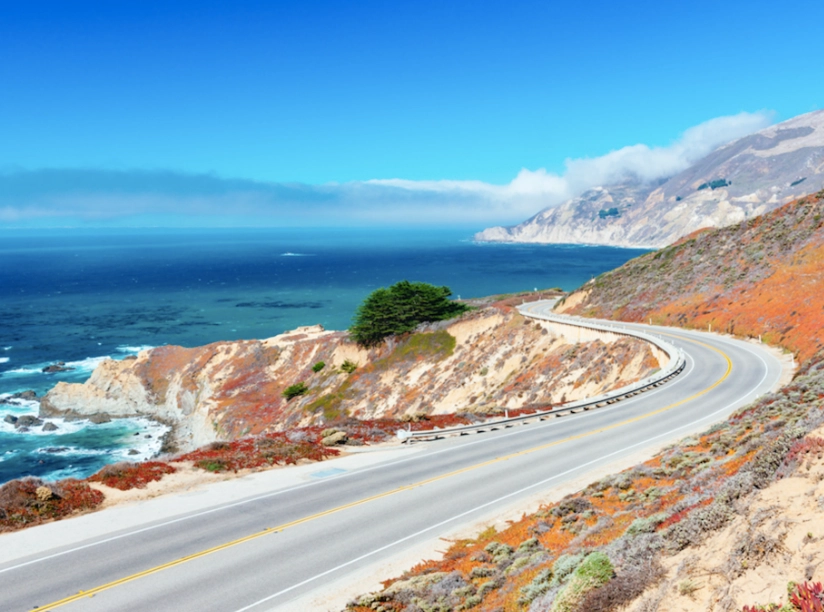
6. The Sneaky Stuff: Travel Insurance, SIM Cards, Souvenirs
These are the line items people forget.
Travel Insurance: Non-negotiable, in my opinion. Medical care in the USA is astronomically expensive. A good policy covering medical emergencies, trip cancellation, and baggage might cost 4-8% of your total trip cost. Worth every penny for peace of mind.
Phone & Data: Roaming charges are brutal. Get a local SIM card (from T-Mobile, AT&T) or an eSIM plan for tourists. A 10GB data plan for a month costs around $30-$50.
Souvenirs & Miscellaneous: Budget for this separately. A t-shirt is $25, a nice souvenir maybe $50. Also, little things like bottled water, sunscreen, pharmacy items, and laundry add up.
Pulling It All Together: Sample Daily Budgets
Let's translate all that into daily numbers. Remember, these are per person estimates, assuming double occupancy for mid-range and luxury accommodation. Solo travelers will pay more.
| Budget Style | Estimated Daily Cost (Per Person) | What This Gets You |
|---|---|---|
| Budget Backpacker | $80 - $130 | Hostel dorm, bus/train travel, self-catered meals, mostly free activities, careful spending. |
| Mid-Range Explorer | $150 - $300 | Private room in budget/mid hotel or Airbnb, rental car or advance-booked flights, mix of cheap and casual dining, paid attractions. |
| Comfort/Luxury Traveler | $350 - $600+ | Nice hotel, convenient flights/trains, restaurant meals, tours, premium experiences. |
So, for a classic two-week (14-day) trip, a mid-range traveler is looking at a baseline of $2,100 to $4,200 per person, not including international flights. A backpacker might do it for $1,100-$1,800, and a luxury traveler could easily spend $5,000+.
That's the realistic answer to "how much would an USA trip cost?" It's a range, not a number.
Top Money-Saving Tips That Actually Work
You don't have to sacrifice a great trip to save money. A little strategy goes a long way.
Be Flexible, Save Hundreds
If your dates are set in stone, you'll pay a premium. Traveling Tuesday-Wednesday, staying over a Saturday night, and avoiding major holidays and events can slash flight and hotel costs. Shoulder season is your friend.
Choose Your Destinations Wisely
Love cities but worried about cost? Consider Philadelphia over New York, Portland over San Francisco, Austin over Los Angeles for a slightly lower price tag with amazing culture and food. The South and Midwest generally offer more for your dollar than the coasts.
Master the Art of Eating Well for Less
Lunch is often cheaper than dinner at the same restaurant. Look for "happy hour" specials for discounted drinks and appetizers. Hit up local farmers' markets for fresh, cheap produce. And honestly, some of the best food I've had was from unassuming food trucks and diners.
Skip the bottled water. Tap water is safe to drink almost everywhere. Bring a refillable bottle.
Get Strategic with Attractions
Many cities offer tourist discount passes (like CityPASS or Go City) that bundle major attractions for one price. Do the math to see if your planned visits make it worthwhile. Also, check for free admission days at museums (often one evening a week or month).
Your Burning Questions Answered (FAQs)
The Final Word: Planning Beats Worrying
Figuring out how much would an USA trip cost isn't about finding a magic number. It's about understanding the pieces of the puzzle and putting together a picture that works for your dreams and your bank account.
Start by being honest about your travel style. Use the daily ranges here as a starting point. Build a spreadsheet—it sounds boring, but it's the single best tool for travel budgeting. List every category, research real prices for your specific plans, and add a 10% "oops" buffer for unexpected costs.
The USA is an incredible, diverse, and welcoming place to visit. It can be done on a shoestring or in lavish style. With a realistic budget in hand, you can stop worrying about money and start getting excited about the experiences. That's the whole point, isn't it?
Now go start planning. Your American adventure is waiting, and it doesn't have to break the bank.



Comments
Leave a Comment