You see the lists every year. "Most visited cities in the US." The rankings shuffle a bit, but a familiar group always dominates. But visitor numbers from sources like the U.S. Travel Association and market research firms only tell part of the story. They don't tell you why millions of people choose these places, or more importantly, how you can experience them beyond the postcard clichés. Having traveled to each of these hubs countless times for work and leisure, I've seen the crowded mistakes and discovered the quieter victories. Let's move past the raw statistics and into what actually makes these five American cities magnets for global and domestic travel.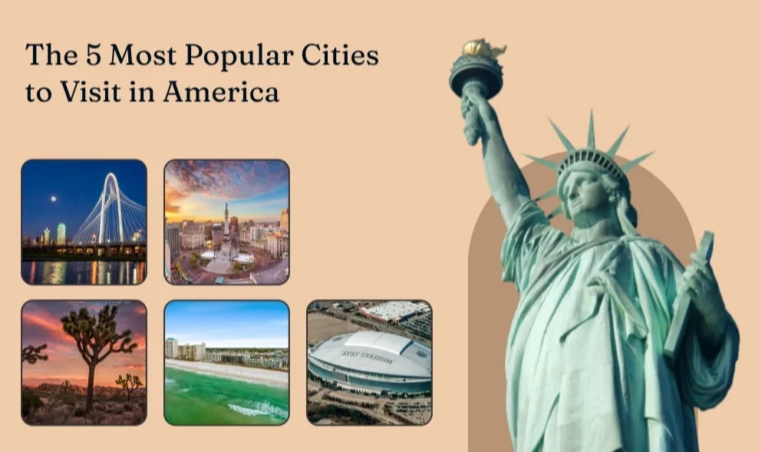
Your Quick Travel Guide
#1 New York City: The Unsleeping Icon
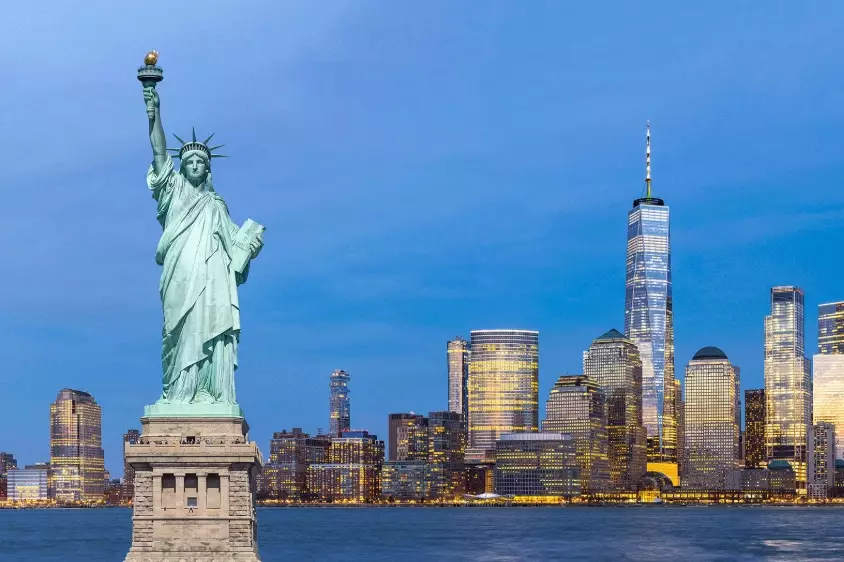
It's number one for a reason. New York's visitor numbers are in a league of their own, consistently hitting over 60 million annual visitors pre-pandemic and roaring back. Everyone's mental checklist includes Times Square, the Statue of Liberty, and Central Park. But here's the thing most first-timers get wrong: they try to conquer it. You can't. You'll end up exhausted and feeling like you only saw crowded lobbies.
Pick a neighborhood and live in it for a day. Instead of just gazing at the Flatiron Building, spend an afternoon in the Flatiron District. Get a coffee, browse the indie shops on Fifth Avenue. The real New York isn't just the landmarks; it's the vibe between them.
How to plan your visit to New York City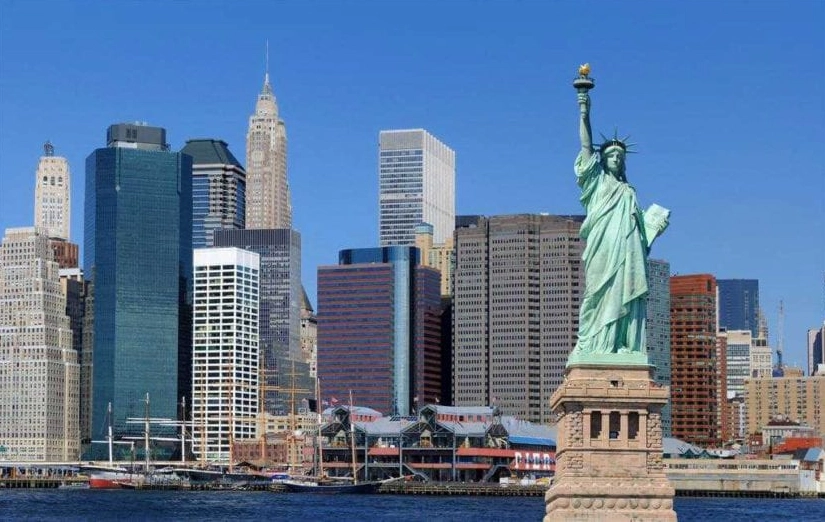
Must-See & How to Do It Better: Yes, see the Statue of Liberty. But book the Statue Cruises ferry to Ellis Island (tickets: $24.50 adult) for the morning. Most crowds aim for Liberty Island first. Go to Ellis Island first, spend time in the profound museum, then head to the statue. You'll encounter shorter lines. Address: Depart from Battery Park.
For Central Park, don't just walk through. Rent a Citi Bike from Columbus Circle and cycle to Bethesda Terrace. It's faster, more fun, and you cover more ground. The park's official website has great walking tour maps.
A Local's Alternative: Ditch the expensive, cramped Top of the Rock or Empire State Building. Head to the Summit One Vanderbilt experience. It's newer, has mind-bending mirrored rooms, and an open-air terrace that feels more thrilling. Tickets start around $40-$50.
#2 Miami: Sun, Culture, and Nightlife
Miami's draw is obvious: beaches. But reducing it to South Beach is a mistake. The city's explosion in popularity is also about its deep Latin American culture and world-class food scene. The energy here is different from any other US city—it feels international, vibrant, and yes, a bit glamorous.
The biggest error I see? People stay solely on Miami Beach and never cross the causeway. You're missing half the city.
Beyond South Beach: Miami's Real Gems
Wynwood Walls: This is the epicenter of Miami's street art. It's an outdoor museum (General Admission ~$12). Go early to avoid the heat and crowds. The surrounding Wynwood neighborhood is packed with breweries, cool shops, and cafes. Address: 2520 NW 2nd Ave, Miami.
Little Havana: This is non-negotiable. Walk down Calle Ocho (SW 8th St). Stop at Versailles (3555 SW 8th St) for a potent Cuban coffee. Watch the old men play dominoes at Máximo Gómez Park. In the evening, catch some live salsa music at Ball & Chain. It's immersive and free to wander.
The Beach Reality Check: South Beach is iconic but can be crowded and pricey. For a slightly more relaxed (and often more beautiful) beach day, take a short drive south to Crandon Park on Key Biscayne. It has calm waters, picnic areas, and nature trails. Parking is about $7 per vehicle.
#3 Los Angeles: The Sprawling Dream Factory
Los Angeles confuses visitors. It's not a walking city. It's a collection of neighborhoods connected by freeways. The allure of Hollywood, celebrity culture, and perfect weather pulls in tens of millions. But trying to "do" Hollywood, Santa Monica, and Downtown in one day is a recipe for spending 5 hours in your rental car.
The key is to zone your days. Base yourself in a central area like West Hollywood or Culver City.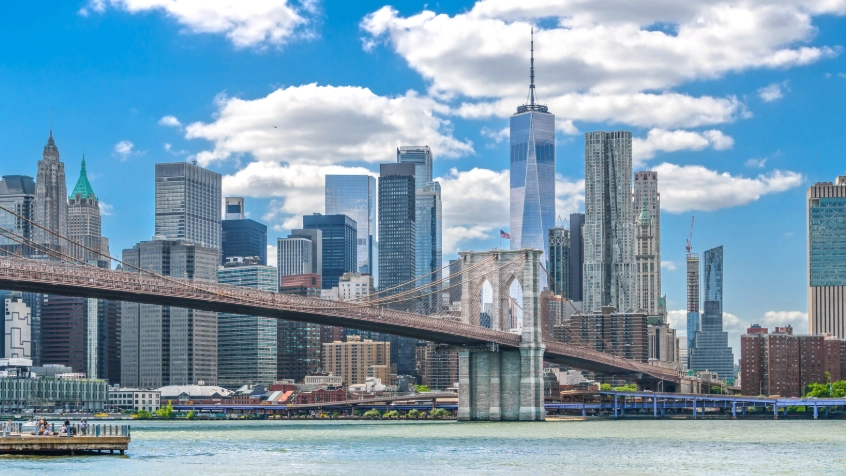
Navigating the LA Experience
Hollywood Walk of Fame: Look, it's underwhelming. It's a crowded sidewalk with stars on the ground and costumed characters asking for money for photos. Go early, see the TCL Chinese Theatre footprints, snap your pic, and then get out. The real magic is in the surrounding hills and studios.
A Better Hollywood Day: Book a studio tour. Warner Bros. Studio Tour in Burbank (~$69) is fantastic—you see real backlots, props, and maybe a filming. Afterwards, have lunch in the charming, less-touristy Burbank downtown.
The Getty Center: This is a must. It's free (parking is $20), perched on a hill with stunning architecture and gardens. The views of LA are worth the trip alone. It feels a world away from the city bustle. Address: 1200 Getty Center Dr, Los Angeles.
#4 Las Vegas: The Engineered Spectacle
Las Vegas is a masterclass in engineered experiences. It's designed to keep you entertained, fed, and gambling 24/7. The visitor numbers are staggering, driven by conventions, weekend getaways, and international tourists. The mistake is thinking it's only the Strip. Or worse, never leaving your hotel casino.
The secret? Treat the Strip as a spectacle to walk through, not the sole source of your meals and fun.
Smart Vegas Strategy
The Fremont Street Experience: Downtown Vegas is the original. The light show on the canopy is free, the casinos are cheaper, and the people-watching is unbeatable. It's grittier, more rock 'n' roll than the polished Strip. Go after dark.
Shows vs. Clubs: A Cirque du Soleil show is a Vegas staple. But tickets are expensive. Look for weekday or late-night discounts. The club scene is huge, but bottle service is the norm for table seating. If you just want to dance, many pools (like Daylight at Mandalay Bay) host daytime parties that are easier to access.
Leaving the City: One of the best things you can do is rent a car for a day. Red Rock Canyon is 30 minutes west. The 13-mile scenic drive ($15 per vehicle) is breathtaking. Or go to the Hoover Dam (about 45 min drive). It breaks up the casino air and reminds you there's a real desert out there.
#5 San Francisco: Compact & Iconic
San Francisco rounds out the top five with its postcard-perfect hills, cable cars, and the Golden Gate Bridge. Its compact size makes it feel more manageable than LA or NYC, but its microclimates and hills require planning. The biggest gripe from visitors? The cost. It's one of the most expensive cities to visit, from hotels to parking.
You have to be strategic to enjoy it without breaking the bank.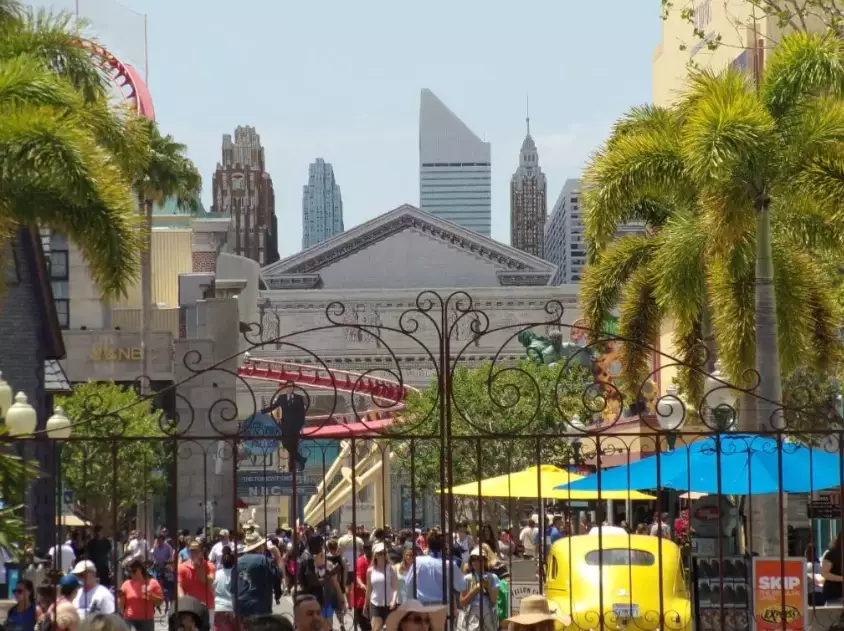
Conquering the Hills on a Budget
The Golden Gate Bridge: Don't just drive over it. Park at the Golden Gate Bridge Welcome Center (free for limited time, paid lots available). Walk or bike partway across. The views back to the city are iconic. For the famous postcard view, go to Battery Spencer on the Marin Headlands side (requires a short drive over the bridge).
Alcatraz: Book tickets weeks, if not months, in advance through the official Alcatraz Cruises website (~$45.25 adult). The night tour is especially cool. All other vendors are resellers marking up the price.
Food Hack: Skip the overpriced, mediocre food at Fisherman's Wharf. Go to the Ferry Building marketplace instead. You can get amazing, high-quality food from local artisans. Then take a cheap ferry ride (like to Sausalito) for bay views without the tour price.
Transportation: The Muni system includes cable cars, buses, and streetcars. A Muni Passport (1-day $13, 3-day $31) is worth it if you plan multiple cable car rides, which are $8 per ride alone.
Side-by-Side: Key Visitor Data at a Glance
| City | Annual Visitors (Est.) | Top Draw | Best Time to Visit (for weather & crowds) | Budget Tip |
|---|---|---|---|---|
| New York City | 60+ Million | Iconic Landmarks, Broadway, Arts | April-June, Sept-Oct (Fall is perfect) | Use subway, free museum days (Met, MoMA have pay-what-you-wish hours) |
| Miami | 25+ Million | Beaches, Nightlife, Latin Culture | Dec-April (dry season), but pricey. Shoulder months (Nov, May) are good. | Stay in Downtown/Brickell vs. South Beach, use free trolleys in some areas |
| Los Angeles | 45+ Million | Hollywood, Beaches, Theme Parks | March-May, Sept-Nov | Choose one theme park, explore free beaches/hikes (Griffith Observatory) |
| Las Vegas | 40+ Million | Casinos, Shows, Dining | March-May, Sept-Nov (Avoid scorching summer) | Mid-week stays are cheaper, sign up for free player's club cards for discounts |
| San Francisco | 20+ Million | Golden Gate, Alcatraz, Victorian Architecture | Sept-Nov (warm, clear "Indian Summer") | Muni Passport, pack layers to avoid buying overpriced sweatshirts |
Note on Visitor Numbers: Precise, official rankings can vary yearly between sources like U.S. Travel Association reports and global market research firms (e.g., Euromonitor). The order here reflects a consistent consensus from recent pre- and post-pandemic recovery data, focusing on leisure and business travel combined. The key takeaway isn't the exact rank, but why these five are perennially at the top.
Your Travel Questions Answered
 How many days do I realistically need in each city?
NYC: 4-5 days minimum to not feel rushed.
Miami: 3-4 days (beach day, culture day, maybe Everglades day).
LA: 4-5 days minimum due to sprawl and travel time.
Las Vegas: 2-3 days is plenty for the Strip vibe; add a day for an excursion.
San Francisco: 3 full days to hit the major icons comfortably.
Trying to squeeze more in leads to burnout.
Yes, rent: Los Angeles (mandatory), Las Vegas (if leaving the Strip).
No, don't rent: New York City (parking is a nightmare and expensive), San Francisco (parking is difficult/expensive, hills are stressful).
Maybe: Miami. If you're staying on South Beach and doing Little Havana/Wynwood, rideshares/trolleys work. If you want to explore the Keys or Everglades, rent for a day or two.
 What's one common mistake first-timers make in all these popular destinations?

Comments
Leave a Comment