Ask anyone what San Francisco is famous for, and you'll get a quick list: the Golden Gate Bridge, cable cars, and maybe Alcatraz. But that's just the surface. Having spent years exploring every hill and neighborhood, I've found the city's real fame lies in the layered experience it offers—a mix of stunning geography, defiant history, groundbreaking food culture, and a social openness that reshaped the world. This isn't just a checklist of sights; it's a guide to understanding the soul of the place.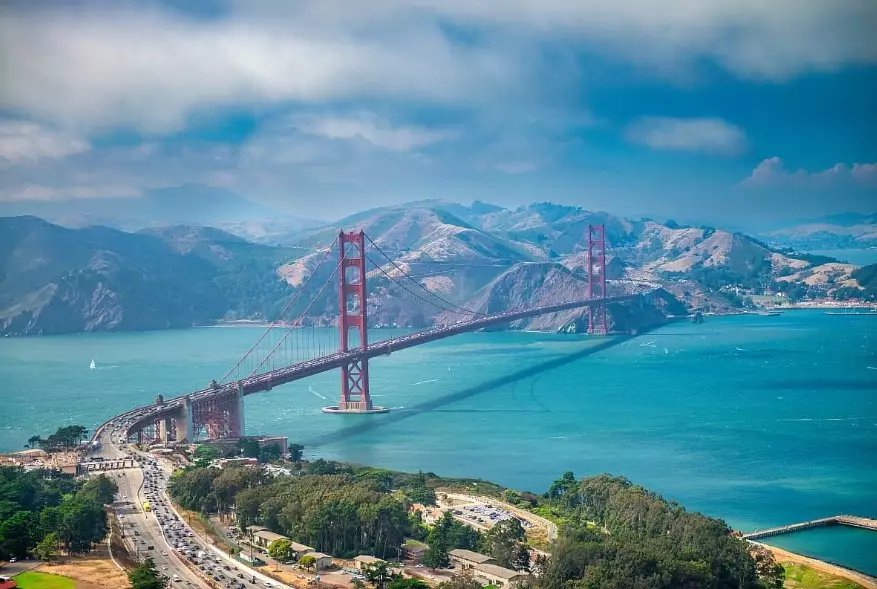
What You'll Discover
The Unmissable Iconic Landmarks
Let's start with the giants. These are the structures that define the skyline and the imagination.
The Golden Gate Bridge
It's more than a bridge; it's an engineering marvel and a mood. The color isn't just red—it's "International Orange," chosen to stand out against the frequent fog. Most visitors go to the main viewing area at the Welcome Center. My advice? Go further.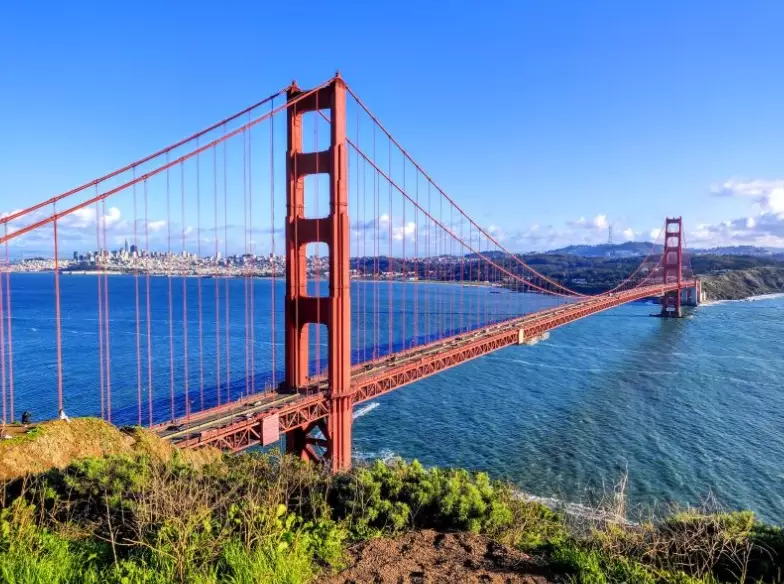
Alcatraz Island
The "Rock." Booking tickets here is the first test of a savvy San Francisco visitor. The only official vendor is Alcatraz Cruises, and tours sell out weeks, not days, in advance, especially for the night tour. The night tour is genuinely spookier and more atmospheric. The audio tour, narrated by former guards and inmates, is superb. Don't just focus on the cellblock; walk the island's perimeter for incredible views and gardens. The ferry ride itself offers a unique vantage point of the city.
The Cable Cars
They're a National Historic Landmark for a reason—the last manually operated system of its kind. The Powell-Hyde line is the most scenic, ending at Aquatic Park with a dramatic view of the bay. A common mistake? Waiting in the huge line at the Powell Street turnaround. Walk up a few blocks to a less crowded stop. A single ride is expensive, so if you plan to use other transit, get a Muni Mobile app pass. The gripmen (and women) are performers; the clanging bell and the ride up Nob Hill are pure San Francisco theater.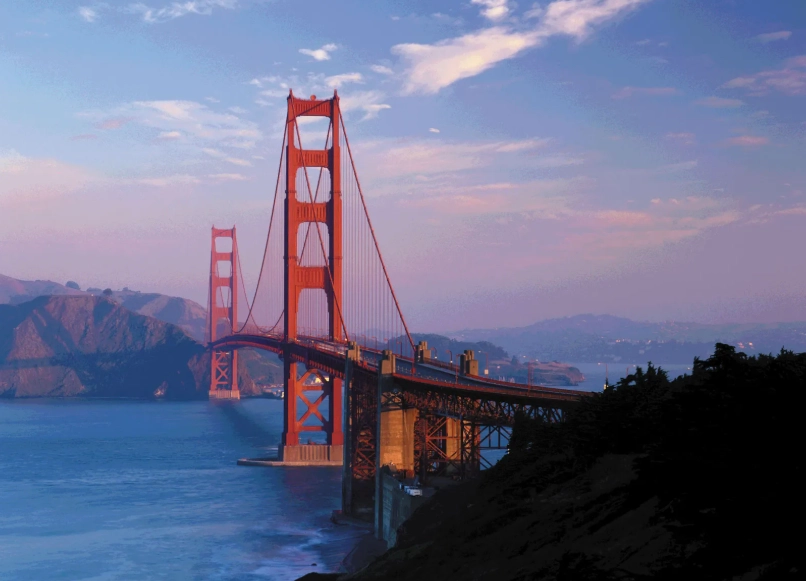
The Living Culture & Daily Rituals
This is where postcard images become lived experience.
Sourdough Bread: A Taste of History
San Francisco sourdough isn't a style; it's a specific, wild yeast (Lactobacillus sanfranciscensis) that thrives in the local climate, giving the bread its distinctive tang. The legend started with the Gold Rush. Boudin Bakery at Fisherman's Wharf is the famous spot (their clam chowder in a bread bowl is a tourist rite of passage), but locals have opinions.
Tartine Bakery in the Mission District has a cult following for its country loaf. Acme Bread Company supplies most of the city's top restaurants. The key is the crust: crackly, blistered, and substantial, protecting a chewy, airy interior with that signature sour note.
The Hills & The Views
The city's 43 hills aren't just a backdrop; they dictate daily life and create endless, surprising vistas. Lombard Street's "crookedest" block is fun, but it's often clogged. For a more local hill experience, drive or walk up Twin Peaks for a 360-degree panorama. Coit Tower on Telegraph Hill offers another stellar view, and the murals inside depicting 1930s California life are a free art bonus.
The Neighborhood Mosaic: A City of Villages
San Francisco's fame comes from its distinct, walkable neighborhoods, each with its own personality.
| Neighborhood | What It's Known For | Don't Miss |
|---|---|---|
| Chinatown | The oldest & largest in North America. Bustling markets, dim sum, historic architecture. | Portsmouth Square (the "living room"), Golden Gate Fortune Cookie Factory. |
| North Beach | The city's "Little Italy," Beat Generation hub (City Lights Bookstore). | An espresso at Caffe Trieste, a slice at Tony's Pizza Napoletana. |
| The Mission District | Latino cultural heart, vibrant murals, birthplace of the mission-style burrito. | Clarion Alley murals, a burrito from La Taqueria, Dolores Park on a sunny day. |
| Haight-Ashbury | Epicenter of 1967's Summer of Love, vintage shops, counterculture history. | People-watching, Amoeba Music, the Grateful Dead's old house. |
| Castro | Global beacon of LGBTQ+ rights and culture. | The Castro Theatre marquee, history walk along the Rainbow Honor Walk. |
Fisherman's Wharf is on every list, and it's worth a quick walk to see the sea lions at Pier 39 and smell the sourdough. But it's heavily commercialized. Spend an hour, then escape to the nearby Maritime Museum or Ghirardelli Square for a less crowded taste.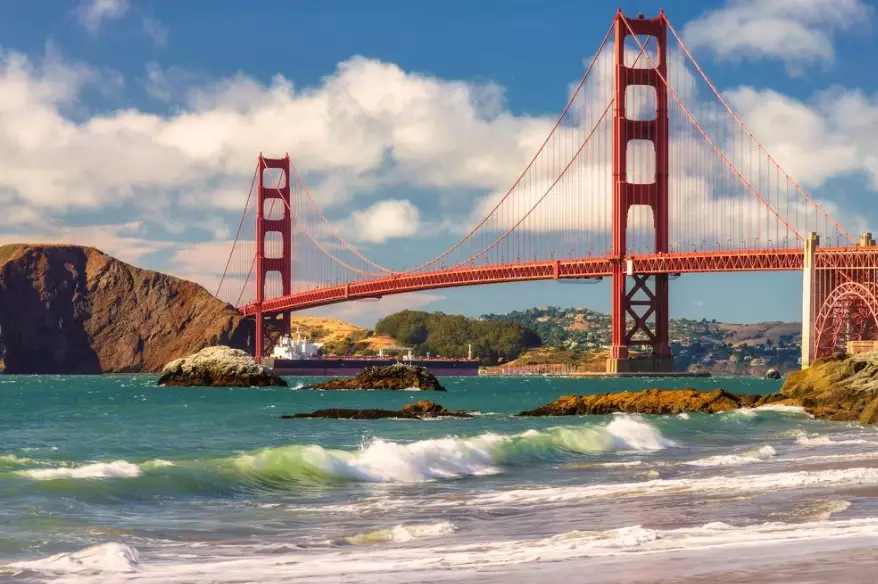
The City's Food Obsession
Beyond sourdough, San Francisco's food scene is a pillar of its fame.
The Mission Burrito: This isn't just a burrito; it's a specific construction. A giant flour tortilla, steamed to be pliable, filled with rice, beans, meat, salsa, and maybe cheese/sour cream, then foil-wrapped into a portable, dense cylinder. La Taqueria (no rice, but incredible meats) and El Farolito are the legendary spots. Debate over the best is a local pastime.
Asian Culinary Powerhouse: From the dim sum palaces of Chinatown to the innovative Vietnamese food in the Tenderloin (try the crab noodles at Thanh Long), the city's Asian influences are profound. The Ferry Building Marketplace is a food hall showcasing Northern California's artisanal best, from Hog Island Oysters to Cowgirl Creamery cheese.
The Tech & Counterculture Legacy
This tension defines modern San Francisco. It's the birthplace of the hippie movement and the digital revolution. You can feel it in the air. While Silicon Valley is south, the city is home to Twitter, Uber, Airbnb, and countless startups. This drives innovation, high rents, and a certain energy. Contrast this with the legacy of the Beat poets in North Beach or the LGBTQ+ activism rooted in the Castro. This push-and-pull between radical acceptance and tech-driven change is what makes the city intellectually thrilling.
A tangible place to see this blend is the Salesforce Park, a 5.4-acre rooftop park atop the Salesforce Transit Center. It's a stunning feat of engineering and green space, representing the new, but it's also a free, peaceful escape with incredible views—a very San Francisco concept.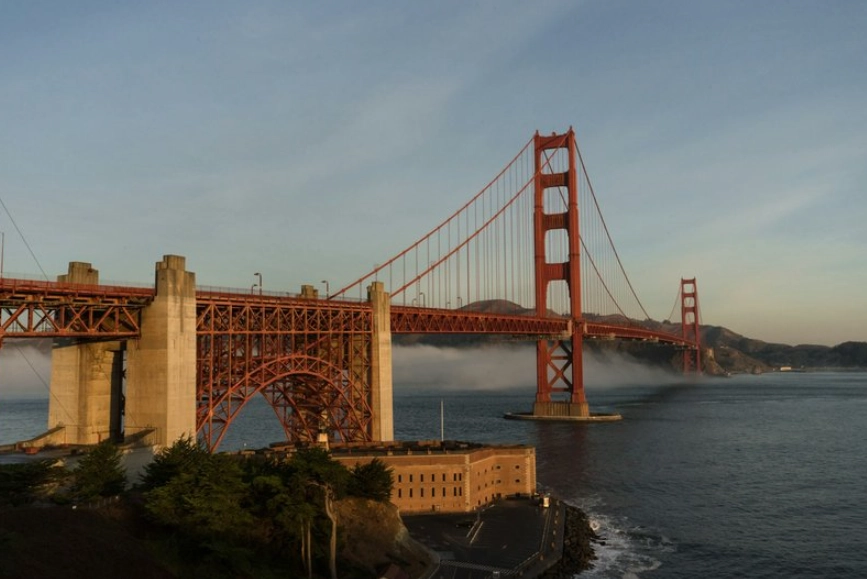
Planning Your Trip: The Real Details
Knowing what something is famous for is one thing. Experiencing it smartly is another.
Getting Around: The Muni system (buses, streetcars, cable cars) is extensive. The MuniMobile app is essential for buying passes and tickets. Parking is a nightmare and expensive—seriously, don't drive unless you're leaving the city. Rideshares and walking are your friends.
The Weather Myth: Mark Twain's quip about the coldest winter being a summer in San Francisco is accurate. Microclimates are real. It can be sunny and warm in the Mission and foggy and 55°F (13°C) at the Golden Gate Bridge. Always, always bring a jacket. Layers are non-negotiable.
Timing Your Visit: September and October are often the warmest, sunniest months. Summer (June-August) is foggiest, especially near the ocean. That fog is beautiful but chilly.
Your Questions, Answered
 I have one day in San Francisco. What should I absolutely not miss?
Comments
Leave a Comment