That first-time USA trip question hits different. It's not like picking a city in Italy. You're staring at a map the size of a continent, with dozens of iconic spots screaming for attention. New York's skyscrapers, California's highways, the Grand Canyon's silence, Miami's beaches—how do you even start?
Here's the secret most generic guides miss: Your first trip shouldn't be about checking off every postcard location. It should be about crafting an experience that feels authentic, logistically sane, and leaves you wanting to come back, not needing a vacation from your vacation.
I've planned trips for first-timers for years. The biggest mistake I see? Trying to cram New York, the Grand Canyon, and Los Angeles into 10 days. You'll spend more time in airports and on interstates than actually experiencing anything. Let's fix that.
Your First-Time USA Travel Cheat Sheet
Why Picking Your First US Destination Feels Impossible
It's the sheer scale. The distance between New York and Los Angeles is roughly the same as Lisbon to Moscow. The climates, cultures, and landscapes change completely from state to state. You're not just picking a city; you're picking a vibe.
Are you after the electric buzz of a world-class city? The jaw-dropping scale of natural wonders? A deep dive into a unique regional culture? You can get all three, but you need to be strategic.
Most blogs just list places. I'm going to group them by the type of experience they deliver for a newcomer. This is the filter you need.
The First-Timer's Shortlist: A Real Breakdown
Forget "Top 10." Here are the categories that matter, with specifics you can actually use to decide.
Category 1: The Iconic City Experience
You want that classic, movie-set America. Think yellow cabs, towering skyscrapers, and iconic landmarks.
New York City is the undisputed king here. It's overwhelming, expensive, and absolutely worth it for a first timer. The energy is real.
- The Core Experience: Times Square (go once, at night, for 20 minutes—it's sensory overload), Central Park, the Statue of Liberty (book ferry tickets via the National Park Service weeks ahead), and a Broadway show.
- Pro Tip Everyone Ignores: Don't just stay in Midtown. Spend an afternoon in a neighborhood like Greenwich Village or Williamsburg, Brooklyn. That's where you feel the city's heartbeat, not just its tourist pulse.
- Getting Around: The subway is your friend. Get a 7-day unlimited MetroCard if staying 4+ days. Taxis are fine for late nights.
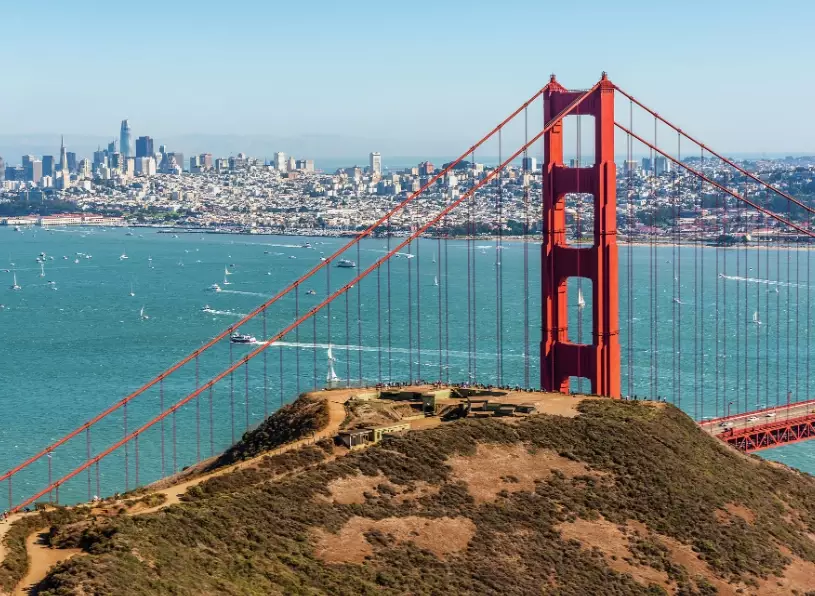
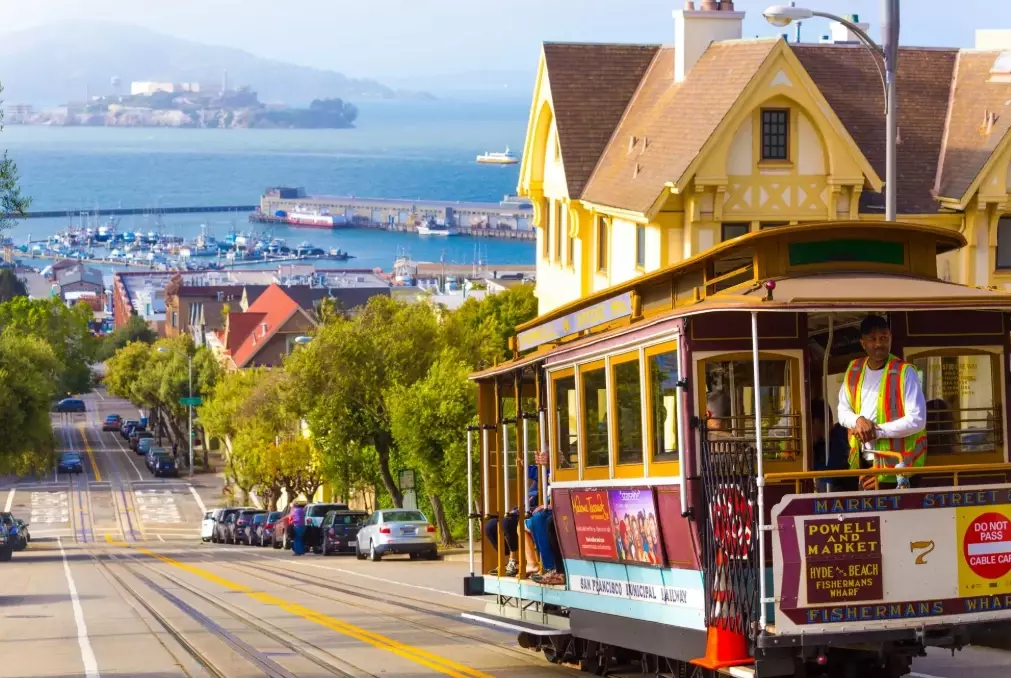
San Francisco offers a more manageable, picturesque city vibe with stunning geography.
- The Core Experience: Golden Gate Bridge (walk or bike across part of it), Alcatraz (book tickets months in advance on the official Alcatraz Cruises site), Fisherman's Wharf (touristy but fun), and a ride on a historic cable car.

- Neighborhood to Explore: The Mission District for murals and incredible food.
- Watch Out: The rental car dilemma. You don't need one in the city, but you'll want one to see Muir Woods or drive down the coast. My advice? Do a 3-4 day city stay, then pick up a car as you leave.
Category 2: The Natural Wonder Experience
If your image of America is vast landscapes, this is your lane.
The Grand Canyon (South Rim) is the obvious, and obvious for a reason. Photos do not prepare you. It looks like a painting.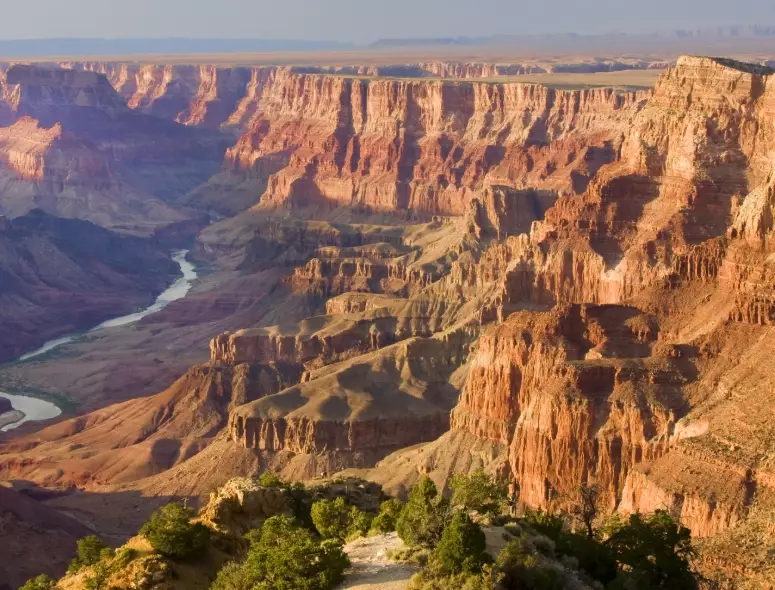
- Logistics: Fly into Phoenix (4-hour drive) or Las Vegas (4.5-hour drive). Stay in the park at Grand Canyon Village if you can book a year ahead, or in Tusayan just outside the gates.
- What to Do: Drive along Desert View Drive, hike a portion of the Bright Angel Trail (even just 1 mile down and back is impactful), watch sunrise at Mather Point.
- My Take: The South Rim is the accessible, classic view. The North Rim is more remote and closed in winter. For a first timer, go South.
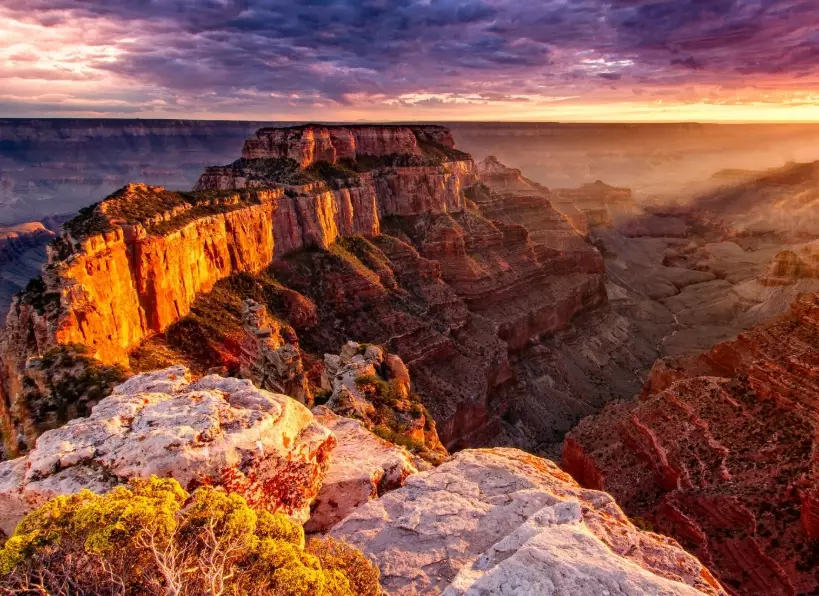
Arizona & Utah National Parks Loop is the ultimate road trip for nature lovers. This is where you see the diversity.
Fly into Las Vegas. Rent a car. Over 7-10 days you can hit:
- Zion National Park: Hike The Narrows (walking in a river between towering cliffs) or Angels Landing (if you have no fear of heights).
- Bryce Canyon: A forest of orange hoodoos. Sunrise at Sunrise Point is magical.
- Antelope Canyon: Near Page, AZ. You must book a guided tour with the Navajo Nation. The light beams are unreal.
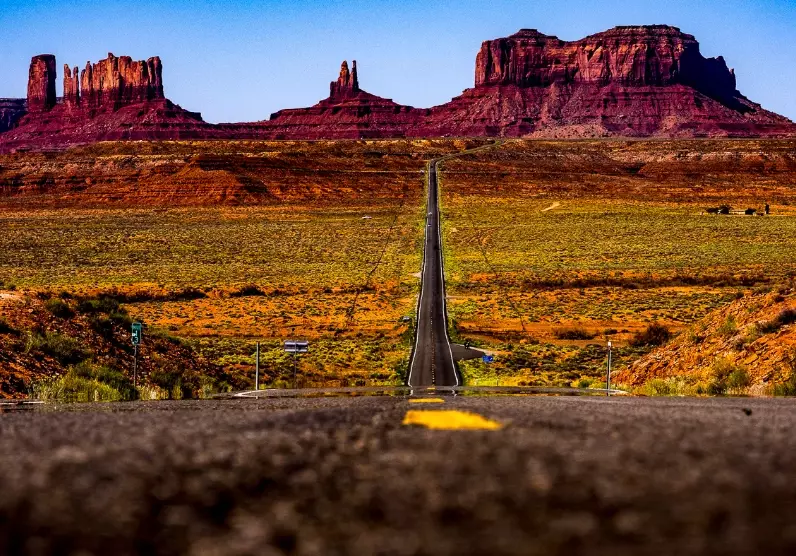
- Monument Valley: That iconic Western landscape. Drive the 17-mile loop (dusty, slow, incredible).
Category 3: The Cultural Immersion Experience
Want something beyond the postcard? These places have a deep, distinct personality.
New Orleans, Louisiana feels like another country. It's about music, food, and history.
- The Vibe: French Quarter architecture, live jazz pouring out of bars on Frenchmen Street, beignets at Café du Monde.
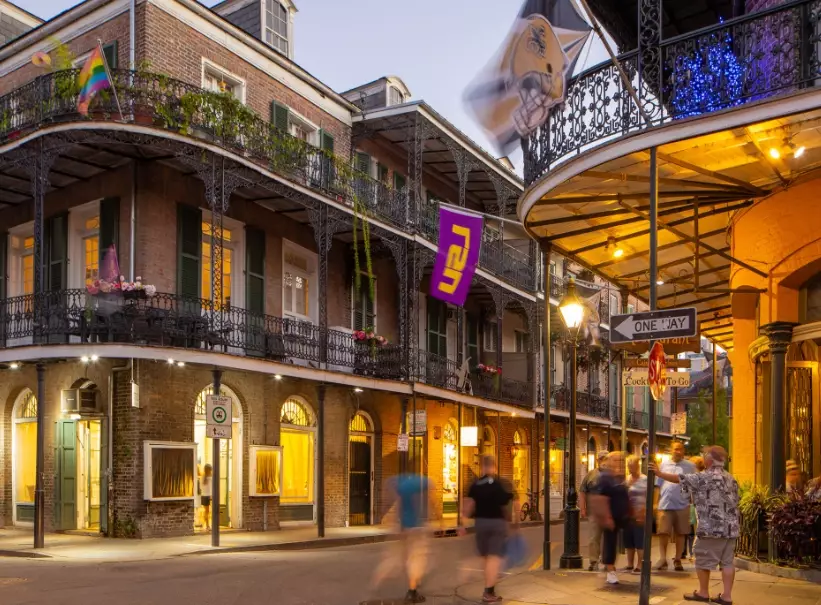
- Must-Do: A walking tour about history or ghosts, a steamboat cruise on the Mississippi, and eating gumbo, po'boys, and etouffee.
- When to Go: Avoid the extreme heat and humidity of mid-summer. Spring and fall are lovely.
Washington D.C. is perfect for history buffs. And the best part? The core attractions are almost all free.
- The Smithsonian Museums: The Air and Space, Natural History, and American History museums are world-class. You can't do them all in one trip.
- The Monuments: Walk the National Mall at night. The Lincoln Memorial, Reflecting Pool, and Washington Monument are stunning lit up.
- Getting In: For the White House tour, you need to request tickets through your member of Congress months in advance. For the Capitol and Library of Congress, book free tours online.
How to Build Your Actual Itinerary
Now, let's stitch ideas into a plan. The rule: Less is more. Factor in travel days. A "day" in New York where you fly in at 2 PM and are jet-lagged is not a real day.
Here are two solid, first-time frameworks:
Itinerary A: The Classic East Coast Introduction (10 Days)
| Days | Location | Focus & Travel Notes |
|---|---|---|
| 1-4 | New York City | Arrive JFK/LGA. Hit major sights, a show, explore neighborhoods. Recover from jet lag here. |
| 5 | Travel to D.C. | Take the Amtrak Acela train (about 3.5 hrs). It's scenic and stress-free vs. flying. |
| 6-8 | Washington D.C. | Museums, monuments, history. The vibe is calmer than NYC. |
| 9-10 | Optional Add-on | Train to Philadelphia (1.5 hrs) for 2 days of history, or extend in either city. |
Itinerary B: The California & Canyons Sampler (14 Days)
| Days | Location | Focus & Travel Notes |
|---|---|---|
| 1-4 | San Francisco | City sights, Alcatraz, maybe a day trip to Napa or Muir Woods. |
| 5 | Travel to Las Vegas | Fly (1.5 hrs) or drive (long day). Pick up rental car in Vegas. |
| 6 | Las Vegas | Experience the Strip for a night. It's a spectacle. See a show. |
| 7-9 | Grand Canyon | Drive from Vegas (4.5 hrs). Stay 2 nights for a full day of exploring. |
| 10-12 | Zion National Park | Drive from GC to Zion (5 hrs). Hike, explore Springdale town. |
| 13-14 | Return to Las Vegas & Depart | Drive back to Vegas (2.5 hrs), return car, fly out. |
See how each itinerary sticks to a region? That's the key.
The Boring (But Critical) Practical Stuff
This is where trips get derailed.
Visas & ESTA: If you're from a Visa Waiver Program country, you need an ESTA authorization before you board the plane. Apply on the official U.S. Customs and Border Protection website. Do it at least 72 hours before travel, but I'd do it weeks ahead. It's $21. Scammers run copycat sites charging double.
Money & Tipping: Cards are accepted almost everywhere. Still, carry some cash for small vendors and tips. Tipping is not optional. Plan for 15-20% at sit-down restaurants, $2-5 per night for hotel housekeeping, a few dollars for taxi/ride-share drivers. It's part of the cost.
Phone & Internet: Get a local eSIM or SIM card for data. Public Wi-Fi can be spotty and insecure. Google Maps is essential for driving and transit.
Health & Safety: Travel insurance with medical coverage is non-negotiable. U.S. healthcare costs are astronomical for visitors. In cities, use common sense: don't walk alone in deserted areas late at night, keep your bag secured in crowds.
Your Burning Questions, Answered
Your first trip to the USA should leave you amazed, not annihilated. Pick a theme—cities, nature, or culture—build a regional itinerary around it, nail the practical details, and go in knowing you're just scratching the surface. That's the best reason to start planning your second trip before the first one even ends.




Comments
Leave a Comment