Let's cut to the chase. There's no single "best" time to visit both New York City and Niagara Falls. Anyone who tells you otherwise is oversimplifying. The real answer depends entirely on what you value most: perfect weather, avoiding massive crowds, snagging a deal on hotels, or seeing something truly unique. I've made the trip in every season, and each one offers a completely different experience. Your ideal time is a balancing act between these two iconic but very different destinations.
Think of it this way. New York is a sprawling, indoor-outdoor city that hums year-round. Niagara is a powerful natural spectacle where the experience is dramatically shaped by the elements. Getting this timing right is the difference between a stressful, expensive slog and a memorable, smooth adventure.
Your Quick Trip Planner
Why "Best Time" Depends on Your Priority
Before we get into months and temperatures, decide what's non-negotiable for you.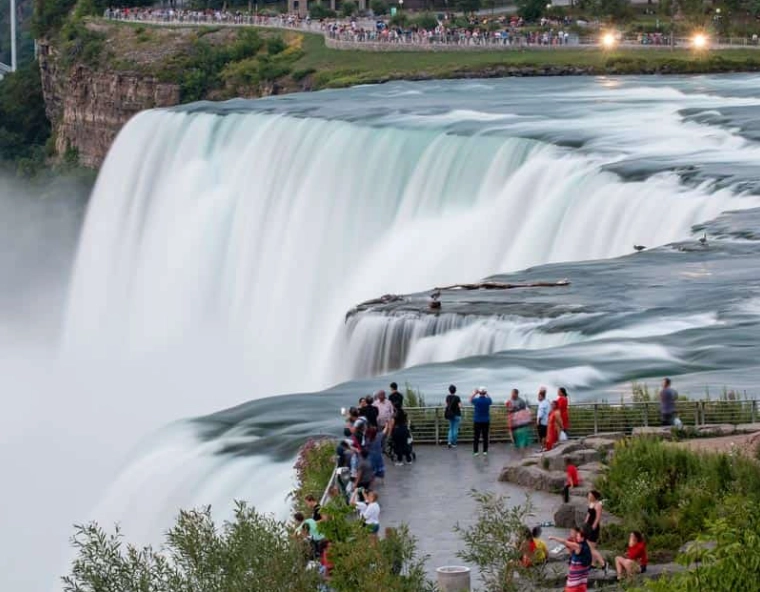
For Perfect Weather Chasers: You're targeting late spring (May to early June) or early fall (September to early October). Temperatures are mild in both locations. The catch? These are also popular windows, so prices won't be the lowest.
For Crowd-Avoiders & Budget Travelers: Your sweet spots are the shoulder seasons' edges: late April/early May or late October/November. Winter (January-March) is the ultimate for savings and empty spaces, but you trade-off warmth and some activities. Summer is the worst for both crowds and budget.
For Unique Experience Seekers: Winter transforms Niagara into a frozen wonderland, and New York has a magical holiday season (late Nov-Dec). These are peak in their own ways—holidays for crowds, winter for stark beauty.
A crucial geography note: Niagara Falls is significantly farther north and sits on a massive body of water. It is consistently 5-15°F (3-8°C) colder than New York City, especially with the wind chill from the falls' mist. Pack accordingly, no matter the season.
New York vs. Niagara Falls: A Seasonal Deep Dive
Here’s the nitty-gritty on what to expect in each season, with the good, the bad, and the practical details most guides gloss over.
Spring (April - June)
New York: The city shakes off winter. Central Park blooms (cherry blossoms usually peak early-mid April), and outdoor cafes come alive. It's lively but not yet oppressive. Hotel prices start climbing in May.
Niagara Falls: This is awakening time. The Maid of the Mist (US side) and Hornblower Niagara Cruises (Canada side) typically start daily operations in early May. The parks are green and gorgeous. The major advantage? The summer tourist hordes haven't descended yet. Water flow is high from spring melt, making the falls thunderously powerful.
The Hidden Catch: Early spring (April) in Niagara can still be downright chilly and wet. That mist is cold. The boat tours might not be running if you come too early in April. Always check their official websites for the exact seasonal start date.
Summer (July - August)
This is peak season for a reason, but also the most challenging.
New York: The energy is electric with free outdoor events, but it's hot, humid, and crowded. Every attraction has long lines. Hotels are at their most expensive.
Niagara Falls: The weather is finally warm enough to fully enjoy the mist without freezing. All attractions are open late. However, this is when Niagara is at its absolute busiest. Clifton Hill (the tourist strip on the Canadian side) is a packed carnival. Hotel prices double or triple. Finding a quiet moment by the railing is a struggle.
My Personal Take: I avoid this season for this combined trip. The congestion in both places eats into your enjoyment. If you're stuck with a summer visit, book every hotel and major attraction ticket months in advance.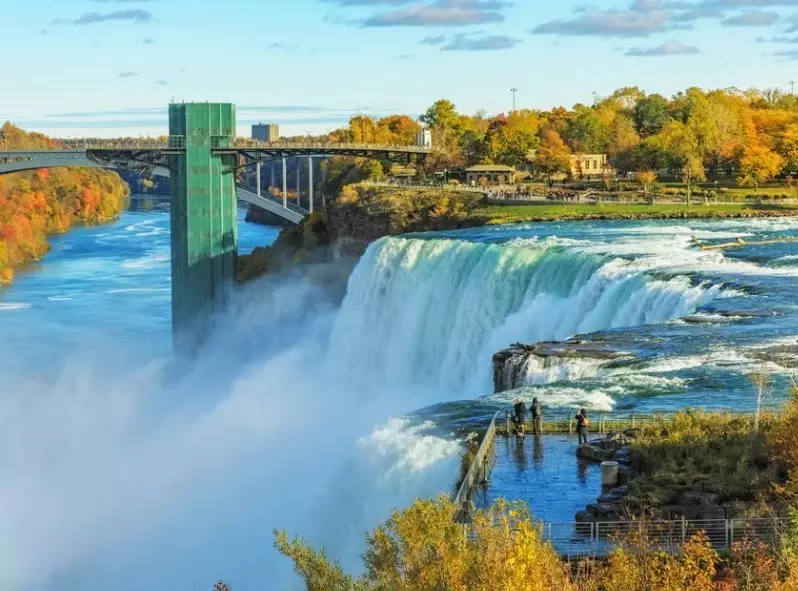
Fall (September - November)
Many, including myself, consider this the prime window.
New York: September and October are glorious. The humidity drops, the air is crisp, and the city is back in business after the summer lull. It's perfect for walking.
Niagara Falls: The fall foliage along the Niagara Parkway is stunning, adding another layer of beauty. Crowds thin significantly after Labor Day. Weather remains pleasant through most of October. The Niagara Falls International Marathon in October is a big event to be aware of—it's inspiring but books the area solid.
Watch Out For: Canadian Thanksgiving is in early October. That long weekend brings a surge of visitors. By late October and November, temperatures drop fast. Bring layers—a NYC fall jacket won't cut it by the falls.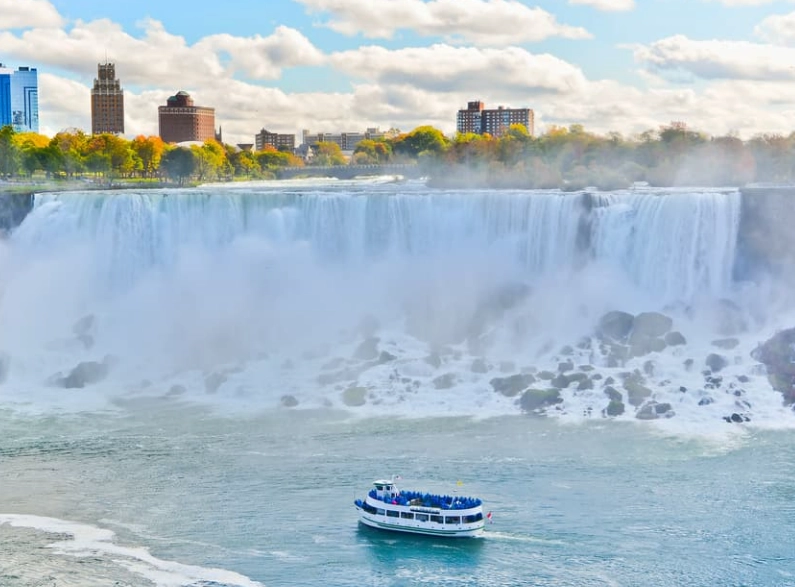
Winter (December - March)
A season of dramatic contrasts.
New York: December is magical with holiday markets and lights, but it's a major tourist draw. January through March is the low season. You'll find great hotel deals, but be prepared for cold, wind, and potential snowstorms.
Niagara Falls: This is a secret season for the brave. The falls partially freeze, creating incredible ice formations. The Niagara Falls Winter Festival of Lights (Nov-Jan) is spectacular. Hotels are incredibly cheap. However, key attractions are closed: the boat tours and Cave of the Winds don't operate. Sidewalks can be icy.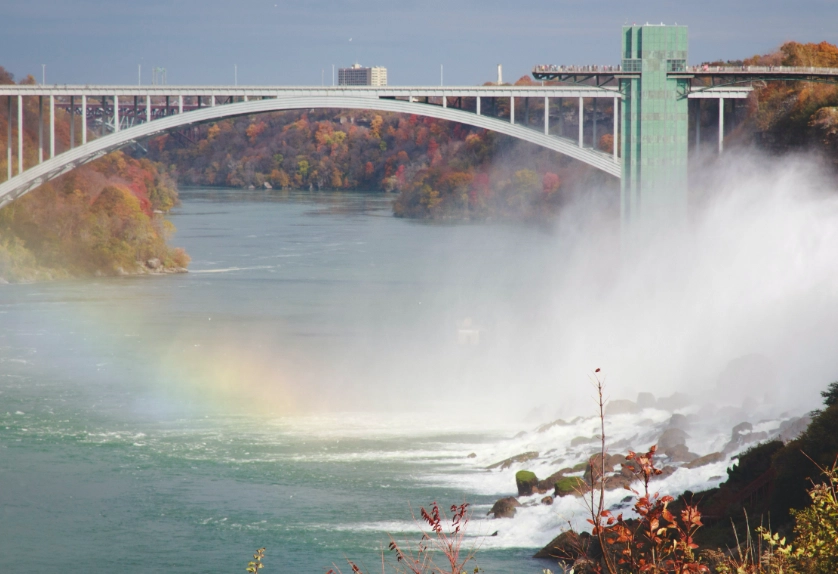
A Critical Winter Reminder: The Journey Behind the Falls on the Canadian side remains open year-round, offering a unique view of the frozen cataract from inside. It's a fantastic alternative when the boats are docked.
| Season | Best For | Biggest Drawback | Niagara Key Attraction Status |
|---|---|---|---|
| Spring (Apr-Jun) | Balanced weather, blooming scenery, pre-peak crowds. | Unpredictable rain/chill in early spring. | Boat tours start in May. Everything else open. |
| Summer (Jul-Aug) | Guaranteed warm weather, long days, all events. | Peak crowds, peak prices, often overwhelming. | All attractions open, longest hours. |
| Fall (Sep-Nov) | Pleasant temps, fall colors, thinning crowds. | Weather cools rapidly in late fall. | All open until late Oct/Nov closures. |
| Winter (Dec-Mar) | Lowest prices, frozen falls spectacle, light festivals. | Very cold, key attractions (boats) closed. | Boat tours closed. Winter-specific views available. |
A Realistic 5-Day Sample Itinerary (Spring/Fall)
Here’s how a well-paced trip in the ideal seasons might look. This assumes you're flying into NYC.
Day 1 & 2: New York City Immersion. Land at JFK/LGA. Hit the ground running with a mix of neighborhoods and icons. Think Central Park, a museum (MET or MoMA), Times Square at night, and a walk across the Brooklyn Bridge. Don't over-schedule.
Day 3: Travel to Niagara. The most efficient way is a morning flight from LGA/JFK to Buffalo Niagara International Airport (BUF). It's about 1 hour. Rent a car at BUF—it's essential for flexibility in Niagara. The 30-minute drive gets you to your hotel by early afternoon. Check in, then head straight to the falls for the iconic first view from Table Rock Centre (Canada) or Prospect Point (US). Do the "Journey Behind the Falls" in the afternoon.
Day 4: Niagara Falls Deep Dive. Morning boat tour (Maid of the Mist or Hornblower) to get soaked and awed. Afternoon exploring the Niagara Parks Botanical Gardens or a drive to the charming town of Niagara-on-the-Lake. Evening back at the falls for the illumination show.
Day 5: Return to NYC & Departure. Morning flight from BUF back to NYC for your onward journey.
The Overlooked Details: Expert Tips for Timing Your Trip
These are the things you learn from doing it wrong once or twice.
1. The Side of the Border Matters. The Canadian side (Niagara Falls, Ontario) offers the classic, postcard front-on view of both Horseshoe and American Falls. The U.S. side (Niagara Falls, New York) gets you closer to the American Falls and Bridal Veil Falls. Most major hotels and the tourist-centric Clifton Hill are on the Canadian side. Ensure you have the correct travel documents (passport, eTA, or visa) for Canada if you plan to stay there or cross over. This decision will impact your airport choice (Buffalo vs. Toronto) and your entire itinerary.
2. Midweek is Your Friend. This is the golden rule for Niagara Falls. Hotel rates plummet from Sunday to Thursday nights. Friday and Saturday are premium. If you can structure your trip so your Niagara nights are midweek, you'll save a fortune and deal with fewer day-trippers.
3. Book the Boat Tour for First Thing in the Morning. The mist from the falls is most dramatic in the morning light, and the crowds are lightest. By noon, tour buses have arrived. Go early, get your poncho on, and enjoy the relative peace before the chaos.
4. New York's Holiday Season is a Separate Beast. The period from Thanksgiving (late November) through New Year's is spectacular but insanely busy. It's a fantastic time to visit if you love festive energy, but don't expect it to be a quiet or cheap "winter" getaway. Niagara is quieter during this time (except for the lights festival), creating a weirdly contrasting pace within the same trip.
Your Burning Questions Answered
What is the absolute best month to visit both New York and Niagara Falls with young kids?
Late May or early June is the sweet spot. In New York, schools aren't fully out yet, so museums and parks are manageable. The weather is reliably warm for a boat ride on the Maid of the Mist at Niagara Falls, which starts operating daily in early May. You avoid the peak summer hotel rates and the suffocating July/August crowds at both destinations. September is a close second, but be mindful of the Labor Day weekend surge in Niagara.
Is it worth visiting Niagara Falls in winter to save money?
It depends on your tolerance for cold and what you want to see. You will save significantly on hotels and flights. The frozen falls are a spectacular, unique sight, and the Niagara Falls Winter Festival of Lights is magical. However, key attractions like the Maid of the Mist and Cave of the Winds are closed. Getting around requires bundling up, and snow can impact travel between NYC and Niagara. It's a trade-off: lower cost and unique beauty versus limited activity access.
How do I handle the major weather difference between NYC and Niagara Falls in fall?
Pack in layers, expecting a 10-15 degree Fahrenheit (5-8 degree Celsius) temperature drop as you go north. In October, NYC might be a pleasant 60°F (15°C), while Niagara can be in the 40s-50s F (5-10°C) with a biting wind off the water. A packable down jacket, hat, gloves, and a waterproof shell are non-negotiable for Niagara. You can peel layers off in the city. Check the specific forecast for Niagara Falls, ON (or NY) a day before you go, not just New York's.
Can I realistically see both destinations well in one trip?
Absolutely, but you need at least 5 full days. A common mistake is allocating only 1 day for Niagara. Here's a realistic split: 3-4 days for New York to hit major borough highlights, and 2 full days for Niagara Falls. This allows time for the Journey Behind the Falls, Hornblower/Niagara City Cruises boat tour, a leisurely walk along the parkway, and maybe a visit to Niagara-on-the-Lake. Factor in a 1-hour flight or a 7-8 hour drive/train ride between them. Don't try to do it in less time; you'll just be rushing.
So, what's the verdict? For most people seeking the best overall blend of good weather, manageable crowds, and full access to experiences, target the windows of May to mid-June or September to mid-October. If your budget is tight and you don't mind the cold, January or February offers a starkly beautiful and affordable alternative. Just remember to prioritize what matters most to you, book key items early, and always pack for two different climates. That's the real secret to nailing the timing for this iconic American duo.





Comments
Leave a Comment