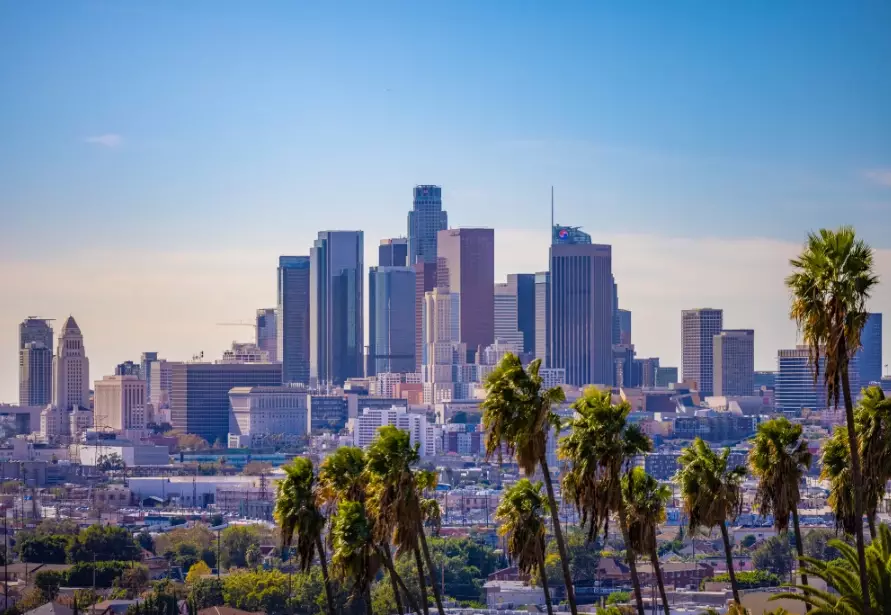
Let's cut to the chase. If you're looking for sheer volume, diversity, and iconic punch, the answer is Los Angeles. It's not even a close contest. While San Francisco has the Golden Gate Bridge and Napa Valley has its vineyards, LA operates on a different scale entirely. Think of it this way: Los Angeles isn't just a city with attractions; it's a sprawling theme park of culture, entertainment, nature, and urban life, where entire neighborhoods function as destinations themselves. The raw number of major museums, world-famous landmarks, beaches, studios, and parks is unmatched in the state.
Your Quick Guide to LA's Attraction Empire
Why Los Angeles Wins (By a Mile)
This isn't about opinion; it's about inventory. Let's quantify it. A "tourist attraction" here means a site that draws visitors intentionally, has established visiting hours or access, and offers a distinct experience. By that measure, LA's portfolio is staggering.
The Core Argument: LA combines high-density iconic sites (Hollywood Sign, Griffith Observatory, Santa Monica Pier) with entire attraction districts (Getty Center is a museum, garden, and architectural site all in one; Disneyland Resort is two theme parks and a downtown district). Then it layers on dozens of major museums, miles of public beaches each with their own character, and working studio tours you can't find anywhere else. No other California city has this combination of depth and breadth.
To give you perspective, here's a quick comparison of major California cities based on widely-recognized major attractions (museums, landmarks, major parks, theme parks):
| City | Iconic Landmarks & Parks | Major Museums & Cultural Sites | Unique/Theme Attractions | Total Major Attraction Count |
|---|---|---|---|---|
| Los Angeles | Griffith Park, Hollywood Sign, Santa Monica Pier, Venice Beach, Runyon Canyon, Greystone Mansion | Getty Center, Getty Villa, LACMA, Natural History Museum, Broad, Petersen Museum, Grammy Museum | Disneyland, Universal Studios, Warner Bros. Tour, Paramount Tour, Petersen Museum, Academy Museum | 25+ |
| San Francisco | Golden Gate Bridge, Alcatraz, Fisherman's Wharf, Lombard St, Golden Gate Park | de Young Museum, SFMOMA, Exploratorium, California Academy of Sciences | Cable Cars, Muir Woods (nearby) | 12-15 |
| San Diego | Balboa Park, San Diego Zoo, La Jolla Cove, Coronado Island | San Diego Museum of Art, Air & Space Museum, USS Midway Museum | SeaWorld, Legoland (nearby), Safari Park | 10-12 |
The count for LA quickly balloons when you consider neighborhoods like Downtown's Arts District, Olvera Street, Koreatown, or Beverly Hills' Rodeo Drive as their own experiential attractions. San Francisco is dense and wonderful, but its list is more finite. San Diego's strengths are concentrated in a few powerhouse locations.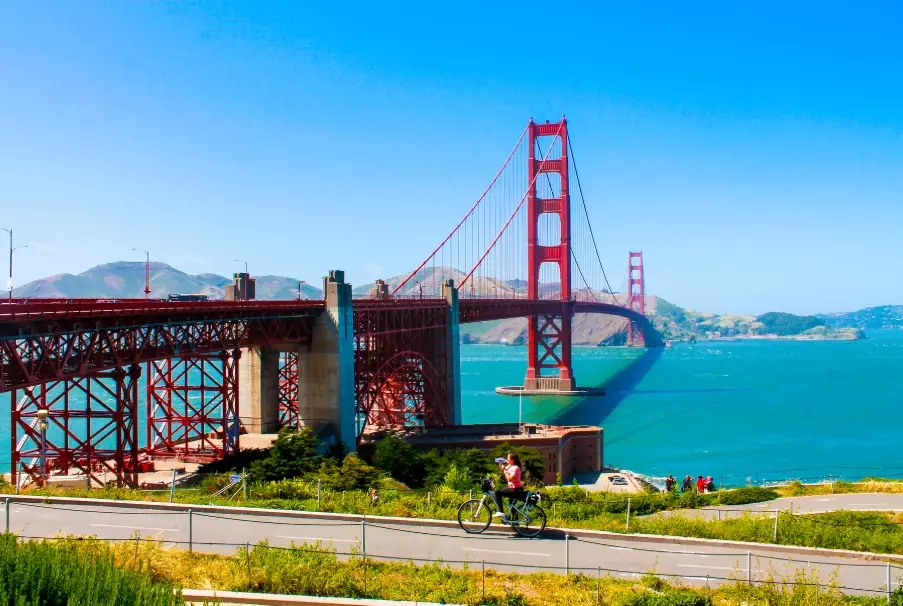
A Breakdown of LA's Top Attractions
You can't just say "LA has the most." You need to know what they are and how to tackle them. Here’s a categorized look, with the specifics you need to plan.
The Non-Negotiable Icons
Griffith Observatory & Griffith Park
Address: 2800 E Observatory Rd, Los Angeles, CA 90027
Hours: Observatory: Tue-Fri 12pm-10pm, Sat-Sun 10am-10pm. Park: 5am-10:30pm daily.
Admission: FREE to enter observatory and grounds. Planetarium shows are $10 for adults.
Getting There: Parking is limited and costs $10/hour. Ride-share is better, or take the DASH Observatory bus from the Vermont/Sunset Metro station.
The Real Deal: Everyone goes for the Hollywood Sign view (which is great), but the real magic is inside the free museum exhibits on space and the public telescopes at night. Go on a weekday evening to avoid the worst crowds.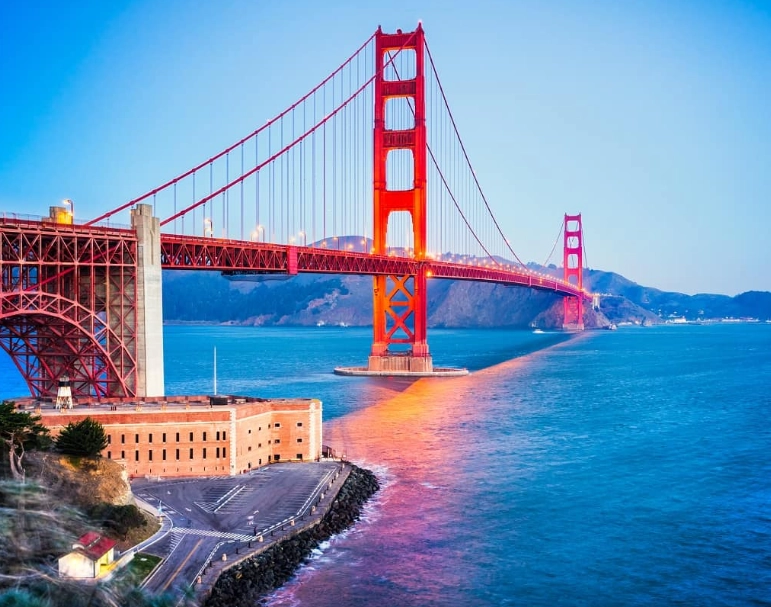
The Getty Center
Address: 1200 Getty Center Dr, Los Angeles, CA 90049
Hours: Tue-Fri, Sun 10am-5:30pm; Sat 10am-9pm. Closed Monday.
Admission: FREE, but parking is $25 (after 3pm it's $20, Sat after 6pm it's $10).
Getting There: You must park or take a ride-share. The tram from the parking structure up to the museum is part of the experience.
The Real Deal: This is as much an architectural and garden attraction as an art museum. The Central Garden is a living work of art. Most visitors spend 3-4 hours here easily.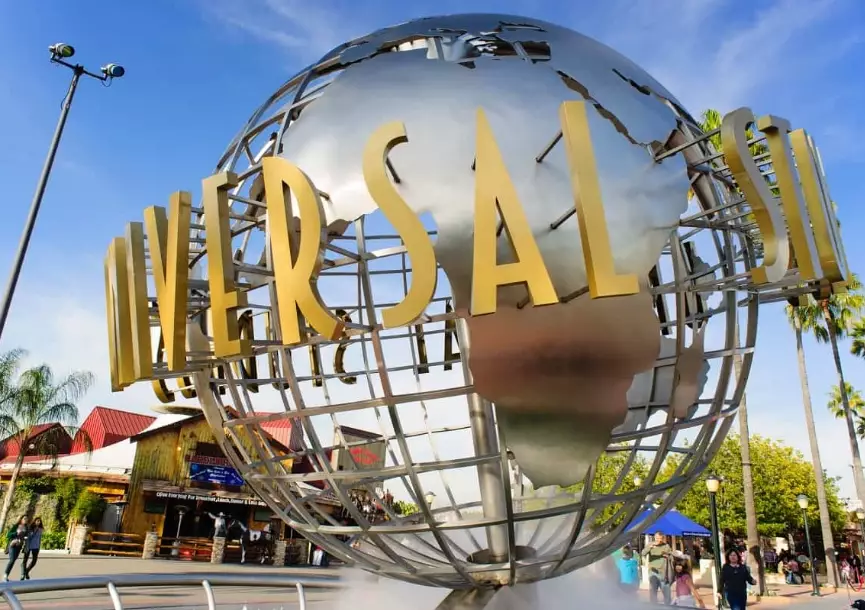
The Beachfront Attractions
Each major beach is its own attraction with a different vibe.
- Santa Monica Pier: The classic. Pacific Park amusement park, aquarium, street performers. Parking is expensive in the pier lots; use the city parking structures a few blocks inland for better rates.
- Venice Beach Boardwalk: Pure, chaotic, fascinating people-watching, street vendors, muscle beach. Go for the spectacle, not for peace and quiet. Parking is a nightmare; cycle from Santa Monica via the beach path.
- Malibu: Not just for celebrities. Public beaches like El Matador (with stunning sea caves) and the Getty Villa are major draws. Requires a car.
The Movie & TV Mecca
This is where LA has zero competition.
- Universal Studios Hollywood: A full-day theme park and studio tour combo. Tickets start around $109. Buy online in advance.
- Warner Bros. Studio Tour: The best working studio tour, in my opinion. You see actual soundstages for current shows. More intimate than Universal's tram tour. Book the earliest tour of the day for the best experience.
- Hollywood Walk of Fame & TCL Chinese Theatre: Look, I'll be honest—the Walk of Fame is dirtier and more crowded than you imagine. But seeing the handprints at the Chinese Theatre is a genuine piece of history. Don't spend more than an hour here.
How to Plan Your Visit & Avoid Classic Mistakes
LA's biggest challenge is its sprawl. Thinking you can "pop from Disneyland to Santa Monica to Hollywood in one day" is the number one rookie mistake. It's geographically impossible without spending your entire day in soul-crushing traffic.
Smart Itinerary Clustering
Day 1: Westside & Beaches
Getty Center in the morning → Lunch in Brentwood or Westwood → Afternoon at Santa Monica Pier & Third Street Promenade → Sunset in Venice Beach.
Why it works: These areas are relatively close on the I-10 corridor.
Day 2: Hollywood & Museums Mid-City
Griffith Observatory morning view → Lunch in Los Feliz → Afternoon at the Academy Museum of Motion Pictures (check their site for exhibits) and/or the La Brea Tar Pits & Page Museum (a unique prehistoric attraction) → Evening exploring Hollywood (but maybe eat elsewhere).
Day 3: Downtown & Beyond
The Broad museum (book free tickets well in advance) → Walt Disney Concert Hall architecture → Grand Central Market for lunch → Olvera Street (birthplace of LA) → Little Tokyo or Arts District.
Transport Note: Downtown is best navigated by the Metro Rail. Driving and parking here is stressful.
Going Beyond the Obvious: LA's Secret Sauce
The true depth of LA's attractions lies beyond the postcard spots. This is what makes its lead insurmountable.
- Food as an Attraction: Grand Central Market, Smorgasburg LA (Sunday food market), a taco tour of Boyle Heights, Korean BBQ in Koreatown. These are destination experiences.
- Neighborhood Vibes: Strolling Abbot Kinney Blvd in Venice, window-shopping on Montana Ave in Santa Monica, gallery-hopping in the Arts District. These aren't single "sites," but they are major reasons people visit.
- Unexpected Gems: The Huntington Library (art, gardens, and rare books in San Marino), the Museum of Jurassic Technology (bizarre and unforgettable), the Watts Towers (folk art masterpiece).
You don't just "see" LA; you sample different versions of it. That variety is its ultimate attraction advantage.
Your LA Trip Questions Answered
Is Los Angeles really worth visiting, or is it just overhyped and crowded?
It depends on your approach. If you only go to the Walk of Fame and try to cram in Disneyland, Universal, and the beach in two days, you'll leave stressed and disappointed. LA rewards a slower pace, choosing a couple of interest clusters, and embracing the neighborhood culture. The hype is real for the art, food, and creative energy—you just have to know where to look beyond the tourist traps.
What's the biggest mistake people make when visiting LA attractions?
Underestimating travel time. Google Maps' time estimate for a 10-mile drive at 11am is not the same as at 4pm. A 30-minute drive can become 90 minutes in rush hour. Always add a 50-100% buffer to estimated drive times between attractions, or better yet, don't schedule cross-town jumps in the middle of the day.
Can I experience LA's top attractions without a car?
It's challenging but possible with careful planning. Base yourself near a Metro Rail line. You can reach Downtown, Universal Studios, Hollywood, Koreatown, and Santa Monica (via the E Line) by train. For the Getty, Griffith Observatory, or beach hopping, you'll need to rely on ride-shares or dedicated bus tours. A car-free trip is more limiting but can be done if you focus on transit-accessible areas.
Are there any major attractions that are overrated?
In my experience, the Hollywood Walk of Fame itself is the most overrated. It's a crowded sidewalk with stars you may not recognize. However, the TCL Chinese Theatre forecourt right there is genuinely cool. I'd also say the Sunset Strip is less exciting during the day than its rock 'n' roll history suggests. The magic of LA is rarely on the main tourist drags—it's in the museums, the views, and the pockets of local life a few blocks away.
What's one under-the-radar attraction that surprises first-time visitors?
The La Brea Tar Pits & Page Museum in the middle of Miracle Mile. Where else can you see an active paleontological dig site, with methane bubbles popping in black tar pits, right next to skyscrapers? It's uniquely LA—a prehistoric wonder plopped in the urban core. It's affordable, fascinating for kids and adults, and a perfect 2-3 hour activity.
So, what city in California has the most tourist attractions? The evidence is overwhelming: Los Angeles. Its combination of global icons, deep cultural institutions, unique industry access, diverse neighborhoods, and natural settings creates an attraction ecosystem no other city in the state can match. The key to enjoying it isn't to check every box, but to pick your lane—be it art, film, food, or the outdoors—and dive deep. That's where you'll find the real LA, and why its title is so secure.



Comments
Leave a Comment